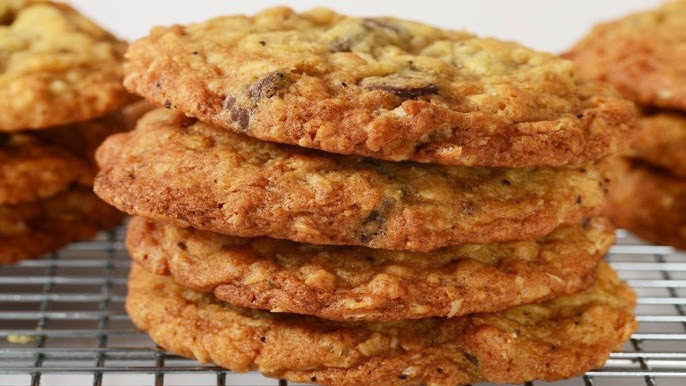
Soft Oatmeal Cookie Recipe: Is there anything better than a warm, gooey, fresh-from-the-oven oatmeal cookie? That moment when you break one apart and see the soft, chewy center, golden edges, and little specks of oats and melty chocolate or raisins—it’s pure comfort. Oatmeal cookies are a nostalgic favorite, but what really makes them irresistible is when they’re soft, chewy, and packed with flavor.
This guide is here to give you the ultimate soft oatmeal cookie recipe—simple enough for beginners, delicious enough for seasoned bakers. Whether you’re baking for your family, prepping for a party, or just satisfying a craving, this recipe has your back.
Ready to turn your kitchen into a cookie haven? Let’s get baking.
Benefits of Oatmeal Cookies
Oatmeal cookies aren’t just delicious—they’ve got some real perks, too. Sure, they’re still a treat, but when compared to other types of cookies, they sneak in a few health benefits. Oats are a whole grain, which means they’re rich in fiber, vitamins, and minerals. This helps slow digestion and can keep you fuller longer. Plus, they add a hearty, chewy texture that’s perfect for soft cookies.
Here’s what makes them a bit more “wholesome”:
- Soluble fiber from oats can help lower cholesterol.
- Less refined flour compared to sugar cookies or chocolate chip cookies.
- Easy to add in healthy mix-ins like nuts, dried fruit, or dark chocolate.
Now, don’t get it twisted—we’re not calling oatmeal cookies a health food. But if you’re going to enjoy a cookie (and you should!), why not make one that adds a tiny bit of good stuff too?
Ingredients You’ll Need
Let’s talk about the heart of any good recipe—the ingredients. This oatmeal cookie recipe keeps it classic, with a focus on softness, chewiness, and rich flavor. Here’s what you’ll need:
Basic Ingredients:
- 1 cup (2 sticks) unsalted butter, softened
- 1 cup brown sugar, packed
- 1/2 cup granulated sugar
- 2 large eggs
- 1 1/2 teaspoons vanilla extract
- 1 1/2 cups all-purpose flour
- 1 teaspoon baking soda
- 1 teaspoon ground cinnamon (optional but recommended)
- 1/2 teaspoon salt
- 3 cups old-fashioned rolled oats
Optional Mix-ins:
- 1 cup raisins or chocolate chips
- 1/2 cup chopped walnuts or pecans
- 1/2 cup shredded coconut
Substitutions & Variations:
- For a richer flavor, try dark brown sugar instead of light.
- Want to go gluten-free? Use a 1:1 gluten-free baking flour and certified gluten-free oats.
- For vegan cookies, swap the butter for vegan butter and use flax eggs (1 tbsp ground flax + 3 tbsp water per egg).
These ingredients balance sweetness, moisture, and structure, giving you that ideal soft bite every time.
Tools & Equipment Required
Don’t worry—you don’t need a fancy kitchen to make these cookies. Here’s what you’ll need:
Must-Have Tools:
- Mixing bowls (one large, one medium)
- Electric mixer (handheld or stand mixer)
- Measuring cups and spoons
- Spatula or wooden spoon
- Baking sheets
- Parchment paper or silicone baking mat
- Cooling rack
Nice-to-Have Tools:
- Cookie scoop for evenly-sized cookies
- Digital kitchen scale for precise measurements
- Wire whisk for dry ingredients
Having the right tools can make your baking process smoother, but even with the basics, you’ll get amazing results.
Tips Before You Begin
Before diving in, here are a few pro tips to help you bake the perfect batch of soft oatmeal cookies every time.
1. Soften your butter the right way
Room temperature butter should be soft but not melty. It should hold its shape but indent when you press your finger into it. Avoid microwaving—it can over-soften and mess up your dough texture.
2. Use fresh ingredients
This especially applies to baking soda and flour. Old baking soda = flat cookies. Always check expiration dates.
3. Don’t overmix
Once you add the flour, mix just until combined. Overmixing activates gluten and makes cookies tough instead of soft.
4. Chill the dough (optional but worth it)
Chilling for 30–60 minutes helps prevent spreading and gives the flavors time to develop. Your cookies will be thicker and chewier.
5. Line your baking sheet
Use parchment paper or a silicone mat to prevent sticking and encourage even baking.
Step-by-Step Guide to Making Soft Oatmeal Cookies
Alright, it’s time to roll up those sleeves and get baking. This step-by-step guide walks you through every part of the process so even if you’ve never baked cookies before, you’ll end up with a soft, chewy masterpiece. Let’s go!
Step 1: Preheat Your Oven and Prepare Baking Sheets
Before you start mixing anything, preheat your oven to 350°F (175°C). This gives it time to reach the perfect baking temperature while you work on the dough.
Line your baking sheets with parchment paper or a silicone baking mat. This not only prevents sticking but also helps your cookies bake evenly. If you skip this step and go straight onto the metal tray, you risk burning the bottoms before the centers are done.
Step 2: Cream the Butter and Sugars
Grab your large mixing bowl and add the softened butter, brown sugar, and granulated sugar. Using an electric mixer, cream them together on medium speed for about 2–3 minutes. You’re looking for a light and fluffy texture—this helps give the cookies a soft bite.
Why cream the butter and sugar? It creates tiny air pockets that make the cookies rise slightly and gives them that pillowy softness.
Step 3: Add Eggs and Vanilla Extract
Once your butter and sugar are creamed, crack in your two eggs, one at a time, mixing well after each. Then pour in the vanilla extract and mix again.
At this stage, your batter should be smooth and creamy. The eggs add moisture, while the vanilla brings out all the cookie flavors.
Step 4: Mix Dry Ingredients Separately
In a separate bowl, whisk together your flour, baking soda, salt, and cinnamon (if using). Whisking helps evenly distribute the baking soda so it rises properly in the oven.
This step keeps your cookies from ending up with clumps of flour or uneven baking. Mixing dry ingredients separately before combining is one of those classic baking rules that actually makes a big difference.
Step 5: Combine Wet and Dry Ingredients
Now, slowly add your dry ingredients to the wet mixture. Mix on low speed or use a spatula to stir everything together until just combined. Be careful not to overmix—once you don’t see dry flour anymore, stop!
The dough should be thick and sticky. That’s a good sign—it means your cookies will hold together without being dry or crumbly.
Step 6: Fold in Oats and Optional Mix-Ins
Here comes the fun part—fold in the oats and any mix-ins you’re using (raisins, chocolate chips, nuts, etc.). Use a wooden spoon or spatula for this part, not the mixer.
Why add oats last? Because they soak up moisture, and adding them at the end keeps the dough balanced. Your dough will look hearty and textured—exactly what you want from an oatmeal cookie.
Optional mix-ins:
- Chocolate chips = sweet and melty
- Raisins = classic chewy combo
- Chopped nuts = crunch factor
- Coconut flakes = tropical twist
Use whatever sounds good to you!
Step 7: Scoop Dough onto Baking Sheet
Use a cookie scoop or tablespoon to portion your dough onto the baking sheets. Leave about 2 inches of space between each scoop because the cookies will spread slightly as they bake.
Tip: For extra soft centers, shape the dough into tall mounds instead of flat rounds. This helps them stay thick and chewy.
If you chilled your dough earlier, you may need to press it slightly so it spreads evenly during baking.
Step 8: Bake to Perfection
Place your cookies in the preheated oven and bake for 10 to 12 minutes, depending on your oven and cookie size.
The edges should look set and golden, but the centers may look slightly underbaked. That’s exactly what you want. They’ll continue cooking on the hot tray once you take them out.
Don’t overbake! Even just a minute too long can turn soft cookies into crunchy ones.
Step 9: Cooling the Cookies
Let the cookies cool on the baking sheet for 5 minutes, then transfer them to a wire rack to cool completely.
This step helps them finish setting while keeping their soft texture intact. If you move them too soon, they might fall apart; wait too long, and they might overcook from residual heat.
Once cool, they’ll be irresistibly chewy, soft, and packed with flavor.
Best Mix-Ins for Oatmeal Cookies
Let’s take your cookies from basic to bakery-worthy. Oatmeal cookies are super versatile, which means you can add just about anything you like. Here are some top mix-in ideas:
1. Classic Raisins
Chewy, sweet, and the traditional choice. They complement the cinnamon and oats perfectly.
2. Chocolate Chips
A gooey, melty alternative to raisins. Use semi-sweet or dark chocolate for the best flavor.
3. Nuts
Walnuts or pecans add a crunch that balances the softness. Toast them lightly before mixing in for extra flavor.
4. Coconut Flakes
Adds chewiness and a hint of tropical sweetness. Unsweetened coconut works best if you want to keep the cookies from being overly sweet.
5. White Chocolate + Cranberries
A festive, tangy combo that’s perfect for the holidays.
Feel free to mix and match! Just try to keep mix-ins to about 1 to 1 1/2 cups total so the dough holds together properly.
Storage Tips
So you’ve baked a batch—how do you keep them soft?
Short-Term Storage:
- Store cookies in an airtight container at room temperature.
- Add a slice of bread to the container. The cookies will pull moisture from the bread and stay soft for days.
- Keep them in a cool, dry spot. Avoid leaving them on the counter uncovered.
Freezing Cookie Dough:
- Scoop dough onto a tray, freeze until solid, then store in a freezer bag.
- When ready to bake, pop them in the oven straight from the freezer—just add 1–2 minutes to the bake time.
Freezing Baked Cookies:
- Let them cool completely.
- Wrap individually or stack with parchment between layers, then freeze in a sealed container for up to 3 months.
Serving Suggestions
Once your oatmeal cookies are perfectly baked and cooled, it’s time to enjoy them in the best way possible. Sure, you can devour them straight off the cooling rack (we all do!), but here are a few ways to elevate the experience and make them even more delightful:
1. Pair with a Warm Beverage
Nothing beats the classic combo of cookies and milk, but you can also enjoy them with:
- Hot chocolate for a sweet treat
- Coffee or espresso for a rich contrast
- Chai or herbal tea if you want a cozy, spiced pairing
2. Make a Cookie Sandwich
Take two soft oatmeal cookies and fill them with:
- Cream cheese frosting
- Peanut butter
- Ice cream for a frozen dessert twist
It’s like a homemade oatmeal cream pie—but better!
3. Use as a Crumble
Crush leftover cookies (if that’s even a thing) and use them as a topping for:
- Yogurt
- Ice cream
- Fruit crisps or cobblers
This gives your desserts a chewy, flavorful boost.
4. Serve for Brunch or Parties
Arrange cookies on a platter with other treats like muffins, fruit, and scones for a brunch dessert board. You can also wrap them in parchment and twine for cute party favors.
When it comes to serving oatmeal cookies, the possibilities are as endless as the cravings they create.
Common Mistakes to Avoid
Even though this recipe is super beginner-friendly, a few small missteps can impact your results. Let’s talk about the most common oatmeal cookie mistakes—and how to avoid them.
1. Overbaking
The number one issue. If your cookies look fully baked in the oven, they’re probably already overdone. Take them out when the edges are golden but the centers look soft—they’ll finish setting outside the oven.
2. Using Quick Oats Instead of Rolled Oats
Quick oats will make your cookies cakier and dry. Old-fashioned rolled oats give you the perfect chewy texture.
3. Not Measuring Properly
Baking is science. Too much flour = dry cookies. Too little butter = crumbly cookies. Use proper measuring cups and level off ingredients for accuracy.
4. Skipping the Chill Time
If your cookies spread too much or come out flat, it’s often because the dough was too warm. Chilling the dough helps control spread and improves texture.
5. Overmixing the Dough
Once you add the dry ingredients, mix until just combined. Overmixing activates gluten and results in dense, tough cookies.
By avoiding these pitfalls, you’re setting yourself up for oatmeal cookie greatness every single time.
Gluten-Free and Vegan Options
Just because you have dietary restrictions doesn’t mean you have to miss out on soft, chewy oatmeal cookie goodness. Here’s how you can tweak this recipe to suit your needs:
Gluten-Free Version:
- Use certified gluten-free oats
- Swap the all-purpose flour with a 1:1 gluten-free baking flour (like Bob’s Red Mill or King Arthur)
- Check all other ingredients (like vanilla and chocolate chips) for gluten-free labels
You’ll still get the same soft, chewy texture—just without the gluten.
Vegan Version:
- Replace butter with vegan butter or coconut oil
- Swap eggs with flax eggs (1 tbsp ground flaxseed + 3 tbsp water per egg, let sit for 5 min)
- Use dairy-free chocolate chips and make sure sugar is vegan (some brands filter with bone char)
These swaps are super simple and don’t sacrifice flavor or texture. The result? Cookies that everyone can enjoy.
How to Make These Cookies Extra Soft
So, how do you get that super soft, bakery-style oatmeal cookie every time? Here are some advanced tips that will up your cookie game instantly.
1. Use More Brown Sugar Than White
Brown sugar contains molasses, which attracts moisture. This keeps your cookies softer longer. That’s why our recipe uses double the amount of brown sugar to white.
2. Don’t Overbake
It bears repeating: cookies continue baking on the tray after they leave the oven. Slightly underbaked = soft and chewy.
3. Add a Bit of Cornstarch
Cornstarch is the secret to extra softness in many cookie recipes. Try adding 1–2 teaspoons to the dry ingredients next time.
4. Chill the Dough
Even 30 minutes in the fridge helps cookies bake thicker and chewier. It also prevents them from spreading too thin.
5. Bake One Sheet at a Time
Overcrowding your oven can cause uneven baking. Stick to one tray in the center of the oven for the best results.
Softness is all about balance—moisture, heat, and timing. Master these, and you’ll have the perfect bite every single time.
Scaling the Recipe
Baking for a crowd? This recipe is easy to scale up or down, but there are a few tricks to getting it right.
1. Doubling or Tripling
Simply multiply the ingredients by 2 or 3. Use a stand mixer for big batches—your arm will thank you!
2. Adjusting Bake Time
The cookie size affects bake time more than batch size. But if you bake more than one tray at a time, rotate trays halfway through to ensure even baking.
3. Pre-Scoop and Freeze
If making a huge batch, scoop all your dough onto trays and freeze. Once frozen, transfer to freezer bags and bake fresh cookies anytime without starting from scratch.
4. Mix Evenly
When scaling, it’s easier for ingredients to clump. Make sure your dry ingredients are thoroughly whisked and scrape the bowl often while mixing.
Whether you’re baking for a bake sale, family gathering, or just serious cookie cravings, scaling this recipe is simple and totally worth it.
Why Homemade Is Better Than Store-Bought
Let’s be honest—store-bought oatmeal cookies can’t compete with homemade. Here’s why:
1. Freshness
Homemade cookies are warm, gooey, and fresh from the oven. Store-bought ones? Usually dry, overly sweet, and packed with preservatives.
2. Control Over Ingredients
You decide what goes in. Want less sugar? Done. Want organic oats? Easy. No weird chemicals, no artificial flavors—just real food.
3. Customization
You can add your favorite mix-ins, adjust textures, and bake them exactly how you like. Try getting that from a store-bought bag.
4. Cost-Effective
One batch of homemade cookies costs way less per cookie than any high-end brand. Plus, you get way more of them!
5. Fun & Satisfaction
There’s nothing like the smell of baking cookies in your kitchen—or the satisfaction of watching people devour something you made.
So next time you’re tempted to grab a pack off the shelf, remember: you can bake something ten times better at home with just a little effort.
FAQs about Soft Oatmeal Cookie Recipe
1. Can I use quick oats instead of old-fashioned oats?
You can, but the texture will be different. Quick oats absorb more moisture and create a cakier cookie, while rolled oats give you that chewy bite.
2. Why did my cookies come out flat?
This usually means the butter was too warm or the dough wasn’t chilled. Try chilling the dough for at least 30 minutes before baking next time.
3. How do I make these cookies less sweet?
Cut down the sugar slightly, or use more semi-sweet or dark chocolate chips instead of milk chocolate. You can also balance sweetness by adding a pinch more salt.
4. What’s the best way to store oatmeal cookies?
Keep them in an airtight container at room temp for up to a week. Add a slice of bread to keep them soft longer.
5. Can I freeze the dough?
Absolutely! Scoop the dough onto a tray, freeze until solid, then transfer to a freezer bag. Bake straight from the freezer—just add 1–2 minutes to the bake time.
Conclusion
Soft oatmeal cookies are one of life’s simplest pleasures. They’re warm, chewy, comforting, and incredibly easy to make at home. With just a few pantry staples and a little time, you can whip up a batch of cookies that beat anything from the store.
Whether you’re a beginner or a seasoned baker, this step-by-step guide gives you everything you need—from picking the right oats to mastering the bake. Customize them with your favorite mix-ins, tweak them for your dietary needs, and most importantly—enjoy every bite.
Now, go preheat that oven. Your perfect soft oatmeal cookies are just a few steps away.