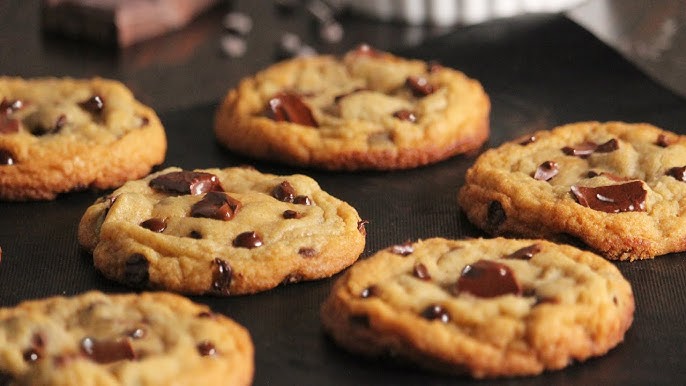
Soft Chewy Peanut Butter Cookies Recipe: There is something timeless about a batch of soft chewy peanut butter cookies fresh from the oven. They smell warm, nutty, and slightly sweet, and the first bite lands somewhere between comfort food and pure dessert magic. Unlike crispy cookies that snap the second you bite into them, these cookies stay tender in the center with lightly golden edges, which makes them feel richer, softer, and far more satisfying. It is the kind of homemade treat that disappears from the cooling rack faster than you expect, especially when the kitchen still carries that roasted peanut aroma.
This guide is designed to be practical, clear, and beginner-friendly while still giving you the professional edge that turns a decent cookie into a memorable one. You will get the ingredients you’ll need, the step-by-step guide, and the little details that make all the difference. By the end, you will know exactly how to make peanut butter cookies that stay soft, chewy, flavorful, and bakery-worthy.
What Makes a Peanut Butter Cookie Soft and Chewy
Soft and chewy cookies do not happen by accident. They come from a careful balance of fat, sugar, flour, eggs, and baking time. Peanut butter already brings richness and density to the dough, which is a great starting point, but the real texture magic often comes from using more brown sugar than white sugar. Brown sugar contains molasses, and that extra moisture helps keep cookies softer for longer. It is like adding a built-in cushion to every bite.
Another major factor is not overmixing the dough once the flour goes in. When flour is mixed too aggressively, the dough can become tougher, and that is the opposite of what you want here. You also need to watch the oven closely. Peanut butter cookies can go from perfect to dry surprisingly fast. The best batch often comes out when the centers still look slightly underdone. They continue baking from residual heat while cooling on the pan, which is one of those small baking truths that changes everything once you start using it.
The peanut butter itself also matters. A standard creamy peanut butter usually gives the most predictable texture because it has a stable consistency. Natural peanut butter can work, but if it separates too much, the dough may behave differently. The result you are aiming for is simple: a cookie with gentle structure on the outside and a soft, bendable center that does not crumble into a sandy mess.
Who Will Love This Recipe
This recipe is for anyone who wants a dependable homemade dessert that feels classic but still delivers big flavor. If you grew up loving peanut butter sandwiches, peanut butter cups, or sneaking spoonfuls straight from the jar, these cookies are likely to become a favorite. They have that nostalgic, old-school charm, but the texture makes them feel upgraded and special.
Beginner bakers will appreciate how straightforward the process is. There are no complicated layers, no chilling marathon required, and no advanced decorating skills involved. At the same time, experienced bakers will enjoy how easy it is to fine-tune the flavor with a pinch of cinnamon, a handful of chocolate chips, or a sprinkle of sea salt on top. It is one of those recipes that can stay classic or become your personal signature.
These cookies are also perfect for practical situations. Need a make-ahead dessert for a party? Done. Want a lunchbox treat that holds up well? Absolutely. Looking for a crowd-pleasing bake sale option that almost nobody turns down? This is it. Even better, the ingredients are usually pantry-friendly, so you can often make them without a special grocery run. That alone makes the recipe feel like a small superpower when the sweet craving shows up unexpectedly.
Ingredients You’ll Need
A great cookie starts with a well-balanced ingredient list, and this one keeps things simple without sacrificing flavor. The beauty of soft chewy peanut butter cookies is that the ingredients are familiar, affordable, and easy to work with. Each one plays a clear role. The butter adds richness, the sugars build sweetness and texture, the egg binds everything together, and the peanut butter brings the bold, nutty backbone of the recipe. When these ingredients come together in the right proportions, the dough becomes smooth, scoopable, and ready to bake into tender cookies with just the right amount of chew.
Here is the full ingredient list you will need:
| Ingredient | Amount | Purpose |
|---|---|---|
| Creamy peanut butter | 1 cup | Main flavor and rich texture |
| Unsalted butter, softened | 1/2 cup | Adds richness and tenderness |
| Brown sugar | 3/4 cup | Adds moisture and chewiness |
| Granulated sugar | 1/4 cup | Adds sweetness and light crisp edges |
| Large egg | 1 | Binds the dough |
| Vanilla extract | 1 teaspoon | Enhances flavor |
| All-purpose flour | 1 1/4 cups | Gives structure |
| Baking soda | 3/4 teaspoon | Helps cookies rise slightly |
| Baking powder | 1/4 teaspoon | Supports a softer lift |
| Salt | 1/4 teaspoon | Balances sweetness |
This ingredient list creates a dough that is easy to handle and not overly dry. That balance matters because peanut butter can make cookies dense if the flour ratio is too high. Using both brown sugar and granulated sugar is one of the smartest parts of the recipe. It helps create cookies that are soft in the center but still have enough edge structure to feel complete instead of fragile.
Core Ingredients for the Cookie Dough
The heart of this recipe is the combination of peanut butter, butter, sugar, egg, and flour. These are the foundation stones, and each one affects the final texture more than most people realize. Peanut butter is obviously the star, but it also behaves like a fat and a dry ingredient at the same time, which means it needs a balanced supporting cast. That is why a measured amount of softened butter is important. It rounds out the peanut butter and keeps the dough from becoming too heavy.
Brown sugar deserves special attention because it is the reason these cookies feel soft instead of dry or crumbly. Its moisture content helps lock in tenderness, while the small amount of granulated sugar keeps the cookies from becoming too dense. The egg gives the dough structure and helps everything blend smoothly, while vanilla adds a quiet depth that makes the peanut butter taste fuller and warmer. Without it, the cookies can taste flatter than expected.
Flour should be measured carefully. Too little and the cookies spread too much. Too much and they turn into dry little hockey pucks. Lightly spooning flour into the measuring cup and leveling it off is a safer method than scooping directly from the bag. The baking soda and baking powder work together to create a texture that feels light enough to chew while still holding that classic peanut butter cookie body.
Optional Add-Ins for Extra Flavor
Once you have mastered the classic version, add-ins can turn these cookies into something even more memorable. Chocolate chips are probably the most popular upgrade, and it is easy to understand why. Peanut butter and chocolate behave like best friends who never run out of things to say. A half cup of semi-sweet or dark chocolate chips folded into the dough adds bursts of sweetness that balance the salty nuttiness beautifully.
You can also add chopped roasted peanuts for extra crunch if you want a little textural contrast. This is a good move if you love the flavor of peanut butter but want the cookie to feel a bit more layered. A light sprinkle of flaky sea salt on top before baking can make the flavor pop in a surprisingly professional way. Salt sharpens sweetness and deepens the roasted notes in the peanut butter, so even a small amount makes a noticeable difference.
For a warmer, more bakery-style flavor, a pinch of cinnamon can be added to the dry ingredients. It will not turn the cookies into spice cookies, but it gives them a subtle background warmth that makes people pause and ask what is different in a good way. You could also stir in peanut butter chips, chopped dark chocolate, or even a spoonful of honey for a slightly softer sweetness. The key is not to overload the dough. Too many extras can weigh the cookies down and throw off the soft, chewy texture you are aiming for.
Ingredient Substitutions That Actually Work
Substitutions can save the day, but not all of them behave the same way in baking. For this recipe, chunky peanut butter can replace creamy peanut butter if you want more crunch, though the texture will be a bit less uniform. Salted butter can also be used instead of unsalted butter; just reduce the added salt in the recipe slightly so the cookies do not tip too far into salty territory.
If you are out of brown sugar, you can use all granulated sugar, but the cookies will lose some moisture and chewiness. They will still be tasty, just a little lighter and less soft. Natural peanut butter can work if it is very well stirred and not overly oily, but it can make the dough more delicate. In a pinch, you can chill the dough briefly to help control spread if it feels too loose.
Gluten-free all-purpose flour blends often work reasonably well here, provided they are designed for one-to-one replacement. The cookies may be slightly more tender and delicate, but still enjoyable. Vanilla can be swapped for almond extract in a tiny amount, though that changes the flavor profile more noticeably. The safest rule is simple: substitute with ingredients that behave similarly, not just ingredients that sound related. Baking is a bit like architecture. Change one beam, and the whole house may shift.
Kitchen Tools That Make the Process Easier
You do not need a professional bakery setup to make excellent peanut butter cookies, but having the right tools makes the process smoother and more consistent. A medium mixing bowl, a larger mixing bowl, a hand mixer or stand mixer, measuring cups, measuring spoons, and a baking sheet are the basics. These tools help you move efficiently from mixing to baking without turning your kitchen into a flour storm.
Parchment paper is especially helpful because it prevents sticking and encourages even baking. It also makes cleanup dramatically easier, which is one of those quiet victories that matters more after the cookies are gone and the dishes remain. A cookie scoop is another helpful tool because it gives you evenly sized dough portions. Even cookies bake at the same rate, and that means fewer overbaked stragglers and fewer underbaked giants in the middle of the tray.
A wire cooling rack helps too. Cookies continue to set after they leave the oven, and moving them to a rack after a short rest on the pan allows air to circulate around them. That prevents soggy bottoms and helps the texture settle properly. None of these tools are flashy, but together they make the baking process more predictable, and predictable is exactly what you want when you are aiming for consistently soft, chewy cookies.
Must-Have Equipment
The absolute essentials are simple and likely already in your kitchen. A mixing bowl gives you room to cream the butter, peanut butter, and sugars properly. A hand mixer is useful because it makes that first stage smoother and faster, though a wooden spoon and some patience can still get the job done. Good measuring tools are non-negotiable, since baking depends on proportion more than guesswork.
You also need a reliable baking sheet. Thin, flimsy trays can cause the bottoms to brown too quickly, while a solid, standard sheet pan gives better heat distribution. Parchment paper or a silicone baking mat helps the cookies release easily and limits excessive browning. These may seem like small details, but tiny differences in heat and surface texture can affect how a cookie spreads.
A spatula is handy for scraping the bowl and folding in optional add-ins, and a cooling rack helps preserve texture once the cookies come out of the oven. These tools are not exciting in the way a shiny stand mixer is exciting, but they are the workhorses that quietly improve every batch.
Nice-to-Have Tools for Better Results
If you bake often, a few extra tools can make your cookies look and feel more polished. A cookie scoop is one of the best examples. It creates evenly sized dough balls, which means the cookies bake uniformly and look neater on the tray. That matters whether you are serving guests or just enjoy that satisfying bakery-style consistency.
An oven thermometer is another smart tool because many ovens run hotter or cooler than the number on the dial suggests. If your cookies are always turning out too dark or too pale, this little tool can solve the mystery quickly. A digital kitchen scale also helps, especially for flour. Measuring by weight is often more accurate than cups, and accuracy usually means better texture.
A small fork matters more than you might think too, since the classic crisscross pattern on peanut butter cookies is not just decorative. It also helps flatten the dough slightly so the cookies spread in a controlled way. These tools are not mandatory, but they help turn a homemade cookie into one that looks a little more intentional, a little more consistent, and a lot more impressive.
Step-by-Step Guide for Soft Chewy Peanut Butter Cookies
Follow the steps below carefully, and you will end up with cookies that are soft in the middle, lightly golden at the edges, and full of rich peanut butter flavor.
Step 1 – Prepare Your Baking Setup
Start by preheating your oven and lining a baking tray with parchment paper. Gather all your ingredients and measuring tools so everything is ready before you begin mixing. This makes the baking process smoother and helps you work more efficiently.
Step 2 – Mix the Wet Ingredients
In a large bowl, combine the peanut butter, softened butter, and sugars, then mix until the texture becomes smooth and creamy. Add the egg and vanilla extract, and continue mixing until fully blended. This creates the rich and flavorful base for the cookies.
Step 3 – Add the Dry Ingredients
In a separate bowl, whisk together the flour, baking soda, and a small pinch of salt. Gradually add the dry mixture to the wet ingredients, stirring until a soft dough forms. Be careful not to overmix, because that can make the cookies less tender.
Step 4 – Shape the Cookie Dough
Scoop portions of dough and roll them into balls, then place them on the prepared baking tray with some space between each one. If desired, gently flatten them with a fork to create the classic crisscross pattern. This also helps the cookies bake more evenly.
Step 5 – Bake Until Just Right
Bake the cookies until the edges are set and lightly golden while the centers still look slightly soft. Avoid overbaking, because the cookies will continue to firm up as they cool. This is the secret to keeping them soft and chewy.
Step 6 – Cool and Serve
Let the cookies rest on the baking tray for a few minutes before moving them to a wire rack. This helps them set without breaking apart. Once cooled, serve them fresh or store them in an airtight container to keep them soft.
Expert Tips for Soft and Chewy Peanut Butter Cookies
A good recipe gets you close, but the little professional habits are what push the cookies from good to memorable. One of the best tips is to keep an eye on ingredient temperature. Softened butter blends better than cold butter, but melted butter can make the dough spread too much. The same goes for peanut butter consistency. A smooth, stable peanut butter gives the dough a predictable texture, which makes the baking result easier to control.
Another smart tip is to avoid packing flour too heavily into the measuring cup. Too much flour is one of the fastest ways to lose that soft, chewy texture. You should also avoid overcrowding the baking sheet. Giving the cookies space helps them bake evenly and prevents awkward cookie collisions. Rotating the tray halfway through baking can help in ovens with hot spots, though it is not always necessary.
Finally, remember that cookies are often judged too early. Fresh from the oven, they can seem overly soft. After a few minutes, they settle beautifully. Patience is not just a virtue here. It is part of the method. When you combine careful measuring, gentle mixing, and slightly underbaking the centers, you get exactly what the title promises: soft chewy peanut butter cookies that feel homemade in the best possible way.
Common Mistakes to Avoid
One common mistake is using too much flour. It is easy to do when scooping directly from the bag, and the result is a dough that feels stiff and cookies that bake up dry. Another mistake is overbaking. Peanut butter cookies should not look deeply browned when you remove them. Lightly set edges are enough.
Overmixing after the flour is added is another issue. It can make the cookies denser and less tender. Using natural peanut butter without properly stirring it can also cause trouble because the oil separation changes the dough consistency. And then there is the classic spacing mistake: placing dough balls too close together, which creates one giant peanut butter continent instead of individual cookies.
Even pressing too hard with the fork can affect the result. Flatten the dough enough to guide the spread, but do not mash it thin. Small choices have a big impact in baking, and this recipe really rewards attention to detail.
How to Get Bakery-Style Texture at Home
Bakery-style cookies often seem mysterious, but the texture usually comes down to three things: balanced moisture, uniform sizing, and exact baking time. Use a cookie scoop so every dough ball is similar in size. That alone makes the tray look more polished and helps every cookie bake evenly. Slightly larger dough portions also help preserve a soft middle.
For richer flavor, let the dough rest in the refrigerator for 15 to 30 minutes before baking. This can deepen the taste and help the cookies hold a thicker shape. A tiny pinch of flaky salt on top also creates that upscale finish many bakery cookies have. It adds contrast and makes the peanut flavor taste more pronounced.
Most importantly, remove the cookies when the centers still look a bit soft. That is the bakery move. Professionals know that a cookie finishes setting out of the oven, not in it. Master that timing, and your home kitchen starts producing cookies that feel surprisingly close to something from behind a pastry case.
Serving Ideas, Storage, and FAQs
These cookies are wonderfully versatile once baked. You can serve them plain, pair them with drinks, sandwich them with a little chocolate spread, or crumble them over vanilla ice cream. They fit casual and festive settings equally well. That flexibility is part of why peanut butter cookies have stayed beloved for so long. They are simple, but they never feel boring.
Storage is also easy, which makes them practical for meal prep or entertaining. The cookies stay soft for several days when stored properly, and the dough can be frozen for future baking. That means you can bake a full batch today or freeze portions for later cravings. It is a small luxury to have ready-to-bake cookie dough waiting in the freezer like a rainy-day plan you are actually excited about.
Below are the best serving ideas, storage tips, and final answers to the most common questions people have about making soft chewy peanut butter cookies successfully.
Best Ways to Serve These Cookies
Serve these cookies slightly warm for the softest texture and strongest peanut butter aroma. They pair beautifully with cold milk, coffee, or even hot chocolate for a comforting dessert moment. For a richer presentation, place them on a platter with dark chocolate squares or drizzle a little melted chocolate over the top.
You can also make cookie sandwiches by spreading a thin layer of jam, chocolate ganache, or peanut butter frosting between two cookies. For parties, stack them with parchment between layers and serve them on a rustic wooden board. That gives them a homemade-but-polished look that always works well.
These cookies are also excellent as lunchbox treats or edible gifts. Tied in a simple bakery bag with ribbon, they feel generous without being fussy. Good cookies do not need much decoration. They just need to taste like someone cared while making them.
How to Store and Freeze Them
Store baked cookies in an airtight container at room temperature for up to 4 to 5 days. To keep them especially soft, place a small piece of bread in the container. The cookies absorb a little moisture from the bread, which helps them stay tender longer. It sounds old-fashioned, but it works.
For longer storage, freeze the baked cookies in a freezer-safe container or bag for up to 2 months. Let them thaw at room temperature before serving. You can also freeze unbaked dough balls on a tray, then transfer them to a freezer bag once firm. That way, you can bake just a few cookies whenever you want.
If baking from frozen, add 1 to 2 extra minutes to the baking time. This method is incredibly convenient and helps you keep fresh cookies within easy reach. Few things feel smarter than pulling homemade cookie dough from the freezer and having warm cookies without starting from scratch.
FAQs about Soft Chewy Peanut Butter Cookies Recipe
1. Why are my peanut butter cookies not soft and chewy?
Peanut butter cookies often turn dry when they are overbaked or when too much flour is added. For a soft texture, bake them just until the edges are set and the centers still look slightly soft. They will continue to firm up as they cool on the tray.
2. What kind of peanut butter is best for soft cookies?
Creamy peanut butter is usually the best choice because it gives the dough a smooth texture and consistent flavor. Natural peanut butter can work, but it may change the texture because of its oil separation. Regular processed peanut butter is often easier for predictable results.
3. How do I keep peanut butter cookies chewy?
Using the right balance of brown sugar, butter, and peanut butter helps keep the cookies chewy. Brown sugar adds moisture, while careful baking prevents them from becoming crisp. Storing them in an airtight container also helps maintain softness.
4. Can I chill the dough before baking?
Yes, chilling the dough can help improve the flavor and control spreading. It is especially useful if the dough feels too soft to shape easily. Even a short chill in the refrigerator can make the cookies easier to handle.
5. Can I freeze peanut butter cookie dough?
Yes, peanut butter cookie dough freezes very well. You can portion the dough into balls, freeze them on a tray, and then transfer them to a sealed bag or container. This makes it easy to bake fresh cookies whenever you want.
6. How should I store soft chewy peanut butter cookies?
Store the cookies in an airtight container at room temperature for several days. To help keep them soft, you can place a small piece of bread in the container. The cookies will absorb moisture from the bread and stay tender longer.
Conclusion
This soft chewy peanut butter cookies recipe proves that a classic dessert can still feel exciting when the texture is just right. With pantry-friendly ingredients, a simple method, and a few smart baking tips, you can create cookies that are rich, tender, and full of deep peanut butter flavor. The balance of brown sugar, butter, and careful baking time is what transforms a basic cookie into one that stays soft and satisfying.
Whether you bake them for family, friends, guests, or just yourself after a long day, these cookies deliver exactly what homemade baking should deliver: comfort, flavor, and a little bit of joy. They are easy enough for everyday baking but good enough to share proudly. Once you make them, there is a strong chance they will become one of those recipes you remember without needing to look up again.