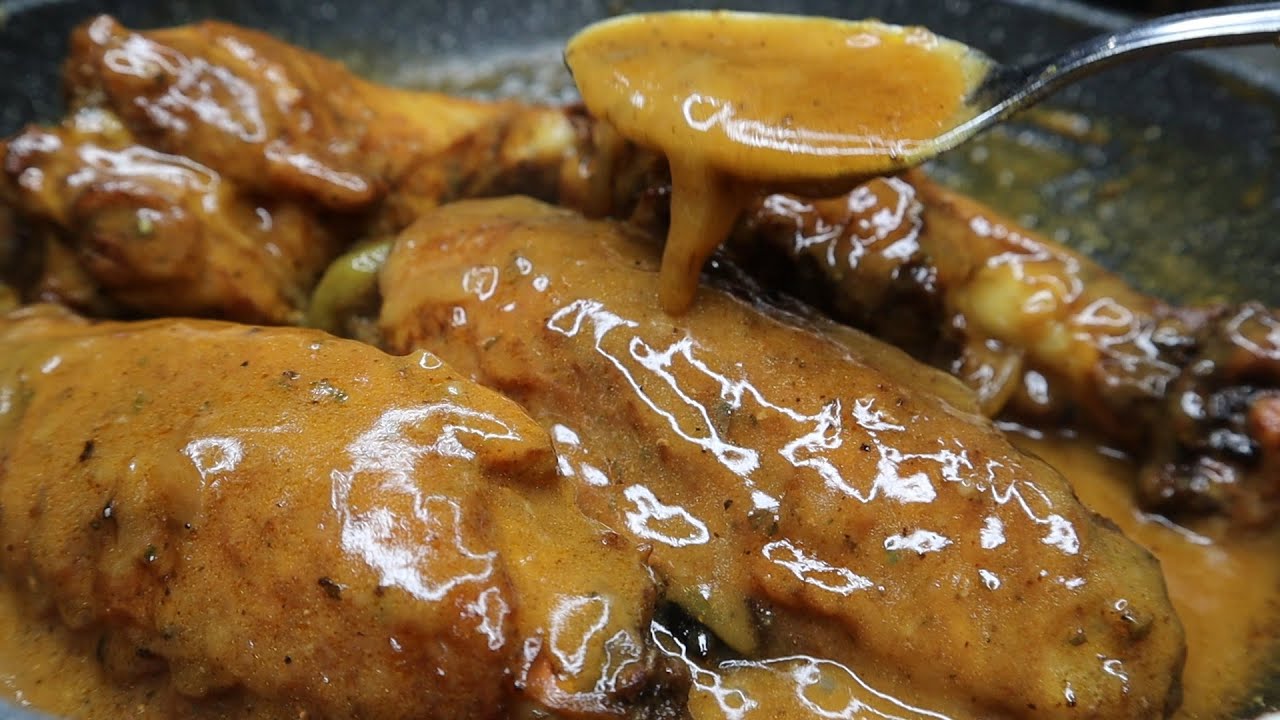
Smothered Turkey Wings Recipe: When it comes to soul-soothing comfort food, few dishes can compete with the rich, savory goodness of smothered turkey wings. This Southern-inspired recipe is all about slow-cooked tenderness, bold flavors, and a rich gravy that ties everything together. Whether you’re preparing a hearty Sunday dinner, a holiday feast, or simply craving a warm and filling meal, this smothered turkey wings recipe is a must-try.
In this guide, we’ll cover everything from the ingredients you’ll need to the step-by-step cooking process, plus serving tips and storage methods. By the end, you’ll have a foolproof way to make turkey wings so flavorful and tender that they practically fall off the bone.
What Makes Smothered Turkey Wings So Special?
Smothered turkey wings are more than just a dish—they’re an experience. What makes them unique is the cooking method: the wings are first seasoned and browned, then slow-baked in a rich gravy until the meat becomes tender and infused with flavor. Unlike fried or grilled wings, these aren’t meant for finger food; instead, they’re fork-tender and drenched in savory gravy that pairs perfectly with classic Southern sides like mashed potatoes, rice, or collard greens.
Another reason these wings are so beloved is the balance of flavor and texture. The crispy seared skin, the succulent dark meat, and the silky gravy all work together to create layers of comfort in every bite. It’s one of those recipes that feels like home—warm, hearty, and made with love.
A Comfort Food Classic in Southern Cuisine
Smothered turkey wings have deep roots in Southern cooking. The term “smothered” refers to the slow-cooking technique used across many Southern dishes, such as smothered pork chops or smothered chicken. It’s all about simmering meat in a well-seasoned gravy until it’s melt-in-your-mouth tender.
In many African-American households, smothered turkey wings are a staple for family gatherings, Sunday dinners, and holidays. They symbolize community and tradition, where recipes are often passed down through generations. This isn’t just food—it’s heritage on a plate, carrying with it the flavors of the South and the memories of shared meals.
Ingredients You’ll Need
The magic of this recipe lies in its simplicity. Smothered turkey wings don’t require exotic ingredients—just the right balance of fresh herbs, spices, and pantry staples. Let’s break down what you’ll need.
Main Ingredients for Juicy Turkey Wings
- Turkey wings (about 4–6 large pieces): The star of the dish. Look for fresh, meaty wings with skin on.
- Vegetable oil or olive oil: Helps in browning the wings before smothering.
- Onions (2 large, sliced): Essential for building the base of the gravy.
- Garlic (3–4 cloves, minced): Adds depth and aroma to the dish.
Spices and Seasonings for Flavor
- Salt and black pepper: Basic but crucial for seasoning the wings thoroughly.
- Paprika (1 tsp): Adds a smoky kick and enhances the color.
- Garlic powder and onion powder (1 tsp each): Build layers of savory flavor.
- Dried thyme or rosemary (½ tsp): Brings an earthy, aromatic note.
- Cayenne pepper or red pepper flakes (optional, ½ tsp): For those who love a bit of heat.
Gravy Ingredients for Smothering
- All-purpose flour (3 tbsp): Used to thicken the gravy.
- Chicken or turkey broth (2–3 cups): The liquid base for the smothering process.
- Butter (2 tbsp): Adds richness and smooth texture to the gravy.
- Worcestershire sauce (1 tsp): Enhances umami flavor.
These ingredients work together to create a dish that’s hearty, flavorful, and absolutely unforgettable.
Essential Kitchen Tools
Cooking smothered turkey wings doesn’t require a professional kitchen setup, but having the right tools makes the process smoother.
Cooking Equipment for Perfect Results
- Large cast iron skillet or Dutch oven: Ideal for searing and baking. Cast iron holds heat well and adds extra flavor.
- Tongs: For flipping the turkey wings without tearing the skin.
- Whisk: Helps create a lump-free gravy.
- Measuring spoons and cups: Accuracy matters, especially for seasonings.
- Baking dish with lid or foil: To bake the wings covered and lock in moisture.
Tips on Preparing Your Workspace
Before starting, make sure all your ingredients are prepped and measured. Slice your onions, mince the garlic, and portion out your spices ahead of time. This “mise en place” method keeps your cooking process smooth and stress-free.
Also, preheat your oven to the right temperature (usually around 350°F / 175°C) before you begin. Having everything ready ensures your turkey wings go straight from stovetop to oven without delays, which helps lock in flavor.
Step-by-Step Guide to Cooking Smothered Turkey Wings
Now that your ingredients and tools are ready, let’s get into the fun part—cooking! Smothered turkey wings require patience, but the results are worth every minute.
Step 1 – Clean and Prep the Turkey Wings
Start by rinsing the turkey wings under cold water and patting them dry with paper towels. Drying the wings is important because excess moisture prevents proper browning. If the wings are extra large, you can cut them into sections at the joints for easier handling.
Once cleaned, place them on a tray or cutting board and trim any excess fat if needed. Don’t remove all the skin, though—the skin adds flavor and helps keep the meat moist during cooking.
Step 2 – Season Generously for Bold Flavor
Seasoning is what takes your turkey wings from plain to irresistible. Generosity is the key here—don’t be shy with your spices, because turkey meat has a mild flavor and needs that extra punch to stand out.
Start by drizzling a bit of oil over the wings to help the seasonings stick. Then, coat them evenly with salt, black pepper, paprika, onion powder, garlic powder, and thyme. Make sure every side of the wings gets attention; you want the spices to cover the wings like a flavorful blanket. For a little heat, sprinkle in cayenne pepper or red pepper flakes.
A good trick is to let the wings sit for at least 30 minutes after seasoning. This allows the spices to penetrate the meat. If you have time, cover the wings and refrigerate them overnight—this extra marinating time deepens the flavor, ensuring every bite is packed with savory goodness.
Remember, seasoning isn’t just about taste—it also helps create that beautiful golden crust when you sear the wings.
Step 3 – Sear the Wings to Lock in Juiciness
Before they head into the oven, the wings need a good sear. This step is often overlooked, but it makes all the difference in flavor and texture.
Heat a large cast-iron skillet or Dutch oven over medium-high heat and add a splash of oil. Once the oil shimmers, place the turkey wings skin-side down in the pan. Don’t overcrowd them—work in batches if necessary.
Sear each side for about 3–4 minutes until you see a deep golden-brown crust forming. This caramelization isn’t just for looks; it creates layers of flavor that enrich the gravy later. The searing process also locks in the juices, so the wings stay moist during baking.
Once browned, remove the wings and set them aside on a plate. You’ll notice bits of flavor (fond) sticking to the bottom of the pan—don’t clean this off. It’s the foundation for the rich gravy that makes this dish legendary.
Step 4 – Prepare the Rich Gravy Base
This is where the magic happens. Smothered turkey wings are defined by their silky, savory gravy, and creating it is easier than you might think.
In the same skillet used for searing, melt the butter and sauté the sliced onions until they turn golden and fragrant. Add in the minced garlic and cook for another minute, stirring constantly. These aromatics lay the groundwork for a gravy that’s packed with depth.
Next, sprinkle in the flour and whisk continuously to form a roux. Cook the roux for 2–3 minutes until it turns a light golden color—it should smell slightly nutty. Slowly pour in the broth while whisking, making sure there are no lumps. As the mixture thickens, scrape up the browned bits from the bottom of the pan—these add rich, meaty flavor.
Season the gravy with salt, pepper, Worcestershire sauce, and an extra pinch of paprika. Let it simmer for 5 minutes until it thickens to the perfect consistency. The result should be smooth, velvety, and full of flavor.
Finally, nestle the turkey wings back into the skillet, coating them with the gravy. Make sure they’re partially submerged so the flavors can soak into the meat as they bake.
Step 5 – Bake Low and Slow for Tender Perfection
The final step is where patience pays off. Preheat your oven to 350°F (175°C) and cover your skillet or baking dish with a lid or foil. This traps the steam and moisture, ensuring the wings become tender while absorbing the savory gravy.
Bake the wings for 1.5 to 2 hours, checking occasionally. About halfway through, remove the foil and spoon some gravy over the wings to keep them moist. If you want the skin to crisp slightly, uncover the dish for the last 15–20 minutes of baking.
When the wings are done, the meat should be so tender that it easily pulls away from the bone. The gravy will have thickened beautifully, coating each piece with rich, savory goodness.
Before serving, taste the gravy and adjust seasonings if needed. A sprinkle of fresh parsley on top adds a touch of color and freshness.
Serving Suggestions
Now that your smothered turkey wings are perfectly cooked, it’s time to think about what to serve alongside them. A dish this hearty deserves sides that complement its flavors and soak up that amazing gravy.
Best Side Dishes to Pair with Smothered Turkey Wings
- Mashed potatoes: The ultimate pairing—the creamy texture soaks up the gravy like a sponge.
- Steamed rice or wild rice: Perfect for absorbing the rich sauce while keeping things light.
- Collard greens or green beans: Add a pop of freshness and balance to the meal.
- Cornbread: A Southern classic that pairs perfectly with smothered dishes.
- Macaroni and cheese: For those who want to go all out on comfort food.
Presentation Tips for a Family-Style Meal
Smothered turkey wings shine in a family-style setting. Place them in a large serving dish, smothered in gravy, and garnish with fresh herbs. Surround them with colorful side dishes for a table spread that looks as good as it tastes.
Serving family-style encourages everyone to dig in, creating that warm, communal dining experience that’s at the heart of Southern cooking.
Storing and Reheating Leftovers
One of the best things about smothered turkey wings is that they taste even better the next day. The flavors have more time to mingle, and the gravy becomes even richer. To make sure you keep that same comforting flavor, proper storage and reheating are important.
How to Store Properly in the Refrigerator
After cooking, allow the turkey wings to cool to room temperature. Place them in an airtight container along with plenty of gravy to keep them moist. Stored this way, they’ll last for about 3–4 days in the refrigerator. Always make sure they’re sealed well to prevent the gravy from absorbing other fridge odors.
Freezing Tips for Long-Term Storage
If you want to save them for later, smothered turkey wings freeze beautifully. Transfer the wings and gravy into freezer-safe bags or containers. Try to remove as much air as possible to avoid freezer burn. They’ll keep well for up to 3 months.
When you’re ready to enjoy them again, thaw the wings in the refrigerator overnight. Avoid thawing on the counter, as this can encourage bacteria growth.
Best Reheating Methods to Keep Them Juicy
Reheating smothered turkey wings is all about retaining moisture. The stovetop is the best method—place the wings and gravy in a skillet, cover, and warm over low heat until heated through. Stir occasionally to prevent sticking.
You can also reheat them in the oven at 325°F (160°C) for about 20–25 minutes. Just make sure to cover them with foil and spoon some gravy over the top to keep them from drying out.
The microwave works in a pinch, but always reheat in short intervals and stir the gravy to ensure even heating.
Pro Tips for the Best Smothered Turkey Wings
Even though this recipe is straightforward, a few pro tips can take your turkey wings from good to absolutely unforgettable.
Avoiding Common Mistakes
- Skipping the sear: Browning the wings is essential for building depth of flavor. Don’t skip it, even if you’re short on time.
- Not seasoning enough: Turkey meat needs bold flavors. Be generous with your spices, and don’t be afraid to taste and adjust as you go.
- Overbaking at high heat: Turkey wings need low and slow cooking. Rushing the process with high heat will make them tough and dry.
- Neglecting the gravy consistency: If the gravy is too thin, simmer it uncovered until it thickens. If it’s too thick, add a splash of broth.
Flavor Variations You Can Try
- Smoky twist: Add smoked paprika or liquid smoke for a deeper Southern BBQ flavor.
- Creamy gravy: Stir in a splash of heavy cream or sour cream for a richer, creamier sauce.
- Vegetable boost: Add carrots, celery, and bell peppers to the gravy for a heartier, stew-like dish.
- Spicy kick: Incorporate hot sauce or Cajun seasoning to give your wings some heat.
These variations let you customize the dish to your taste while keeping that classic smothered flavor.
Nutritional Value of Smothered Turkey Wings
If you’re wondering how this dish fits into your diet, let’s break down its nutritional profile.
Calories and Macronutrient Breakdown
On average, a serving of smothered turkey wings (one wing with gravy) contains around:
- Calories: 350–450 (depending on portion size and amount of gravy)
- Protein: 25–30g
- Fat: 20–25g
- Carbohydrates: 8–12g (mainly from flour in the gravy and any side dishes)
Turkey wings are high in protein, making them a filling option, but the skin and gravy add fat and calories.
Healthier Substitutes for the Recipe
- Use skinless turkey wings: Reduces fat content without sacrificing flavor.
- Swap butter with olive oil: A heart-healthy fat option.
- Thicken gravy with cornstarch instead of flour: Cuts carbs slightly and gives a lighter texture.
- Low-sodium broth: Helps reduce salt intake without losing flavor.
With these substitutions, you can enjoy the same comforting dish while making it a bit more waistline-friendly.
FAQs about Smothered Turkey Wings Recipe
1. Can I make smothered turkey wings in a slow cooker?
Yes! After searing the wings, transfer them to a slow cooker with the gravy ingredients. Cook on low for 6–8 hours or high for 3–4 hours until tender.
2. Do I have to use turkey wings, or can I substitute other cuts?
You can use turkey legs, thighs, or even chicken thighs if wings aren’t available. Just adjust cooking times as needed.
3. How do I prevent the gravy from being too salty?
Use low-sodium broth and season gradually. Remember, it’s easier to add salt later than to fix an overly salty dish.
4. What’s the best way to thicken the gravy if it’s too thin?
Make a slurry by mixing 1 tablespoon of flour or cornstarch with 2 tablespoons of cold water, then whisk it into the simmering gravy.
5. Can I make this recipe ahead of time?
Absolutely! Smothered turkey wings taste even better the next day. Cook them fully, refrigerate, and reheat with the gravy when ready to serve.
Conclusion
By following this step-by-step guide—from cleaning and seasoning to searing, smothering, and slow-baking—you’ll have a dish that’s tender, flavorful, and unforgettable. Pair it with mashed potatoes, rice, or cornbread, and you’ve got yourself a feast that warms the soul.
So, the next time you want to impress your family or simply treat yourself, give these smothered turkey wings a try. One bite, and you’ll understand why this dish has stood the test of time.