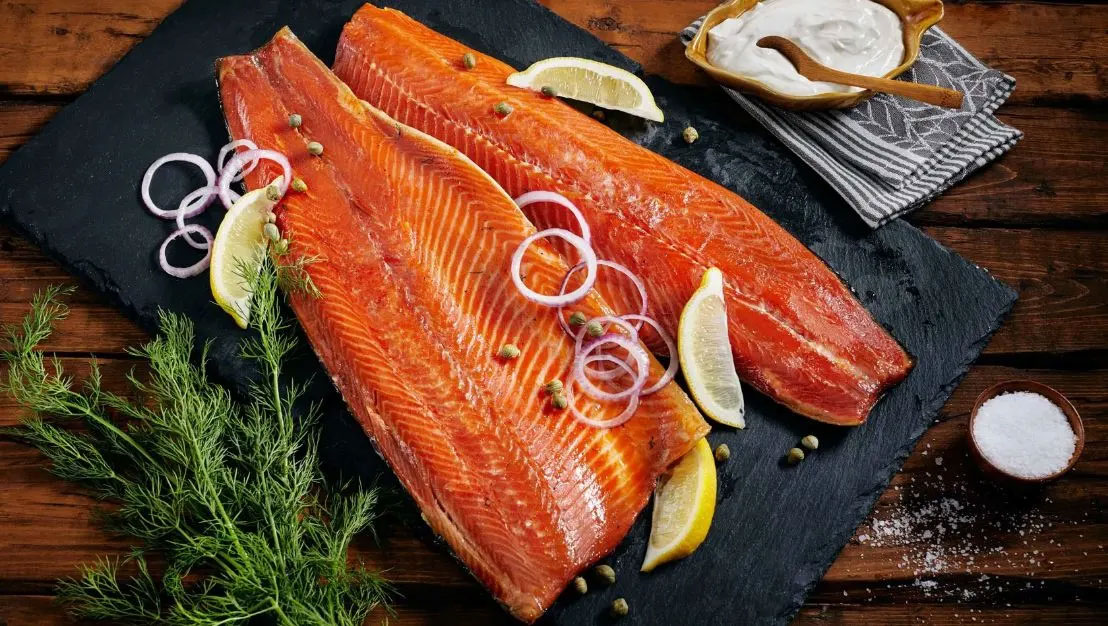
Smoked Trout Recipe: There’s something incredibly satisfying about smoking your own trout at home. Whether you’re into fishing and want to preserve your catch, or you’re just a foodie looking to explore new flavors, smoked trout offers a rich, savory experience that’s hard to beat. The process might seem intimidating at first, but with the right tools and guidance, you’ll be mastering this classic dish in no time.
Think of smoked trout as the perfect balance between healthy and indulgent. It’s lean, packed with omega-3 fatty acids, and when smoked just right, it develops a complex flavor that’s hard to replicate with any store-bought product. Plus, doing it yourself means full control over the ingredients and smoke level — no unnecessary preservatives or over-salted fillets.
This guide walks you through each step, from selecting the right fish to serving it on your table. Whether you’re smoking fillets or whole trout, we’ll cover it all.
Benefits of Smoking Your Own Trout
Why go through all the steps to smoke trout yourself when you can buy it at the store? Well, here’s why:
- Flavor Control: When you smoke it yourself, you control the intensity of the smoke, the seasoning, and the brine. Store-bought options can be too salty or overly smoky.
- Healthier Option: Homemade smoked trout is free of preservatives, and you can limit the amount of salt and sugar.
- Cost-Effective: Buying fresh trout (or catching it yourself!) and smoking it at home can save money, especially if you smoke in batches.
- Customizable: Add your favorite herbs, spices, or wood chips to make a flavor that’s 100% yours.
- Satisfying Experience: There’s a unique joy in serving up a dish that you’ve fully crafted — from raw fish to finished gourmet.
Choosing the Right Trout
Before we jump into smoking, it’s crucial to start with the best quality fish.
- Freshwater vs Saltwater Trout: Most people smoke freshwater trout like rainbow, brown, or brook trout. These are widely available and perfect for home smoking.
- Wild-Caught vs Farm-Raised: Wild-caught trout usually has a firmer texture and more developed flavor. However, farm-raised is easier to find and more affordable.
- What to Look For: The eyes should be clear, not cloudy. The skin should be shiny and moist, not dull or dried out. If the fish smells overly “fishy,” it’s not fresh.
You can smoke either whole trout or fillets, depending on your preference. Fillets smoke faster and absorb brine and flavor more evenly. Whole trout has a more rustic presentation and retains moisture better.
Essential Equipment for Smoking Trout
To get that perfect smoked flavor, you’ll need a few basic tools:
- Smoker: Electric, charcoal, propane, or pellet smokers all work. Choose one based on your experience and how involved you want the process to be.
- Wood Chips or Chunks: Alder, applewood, or cherry are popular for fish. Avoid overly strong woods like mesquite.
- Digital Thermometer: Essential for checking internal temperature. Don’t guess!
- Fish Rack or Grill Grate: Keeps the trout elevated and ensures even smoke circulation.
- Brining Container: A large bowl or zip-top bag for soaking your trout in brine.
- Cooling Rack: To air-dry the trout before smoking.
Optional but helpful: vacuum sealer for long-term storage, and gloves for handling the raw and smoked fish.
List of Ingredients You’ll Need
Here’s your go-to ingredient list for smoking trout:
Main Ingredient:
- Trout (fresh, cleaned) – 2 to 4 fillets or whole fish depending on size
Basic Brine:
- 4 cups cold water
- 1/4 cup kosher salt
- 1/4 cup brown sugar
Optional Flavor Add-ins:
- 2 cloves garlic (crushed)
- 1 tsp black peppercorns
- 1 bay leaf
- 1 tsp dried thyme or rosemary
- Lemon slices
- Crushed red pepper flakes (for a kick)
- Fresh dill or parsley
These ingredients can be customized based on your taste. Want something sweet and smoky? Add maple syrup. Going for a savory herb finish? Toss in fresh thyme or oregano.
Preparing the Trout for Smoking
Preparation is key to a successful smoke. Start with clean, properly prepped fish.
- Clean and Gut: If you bought whole trout, make sure it’s gutted and rinsed thoroughly. Remove blood and any internal membranes.
- Fillet (Optional): If you prefer fillets, use a sharp filleting knife. Remove the skin if you want, but it helps hold the fish together during smoking.
- Debone: Use tweezers to pull out any pin bones. These small bones can be annoying later when you’re trying to enjoy your fish.
Rinse the trout under cold water and pat dry with paper towels. Place it on a tray or cutting board, ready for brining.
Making the Brine (Optional but Recommended)
Brining helps season the fish and keeps it moist during smoking.
Here’s a simple base brine:
Basic Brine Recipe
- 4 cups cold water
- 1/4 cup kosher salt
- 1/4 cup brown sugar
Mix until salt and sugar are fully dissolved. You can add extras like garlic, lemon, herbs, or even a splash of soy sauce for deeper flavor.
Why Brine?
- Enhances flavor
- Keeps the trout juicy
- Adds a slight cure, improving texture
Pro Tip: Always brine in the refrigerator to keep the fish at a safe temperature.
Brining the Trout
Brining is where the flavor magic begins. Once you’ve prepared your brine, it’s time to let your trout soak up all that savory goodness.
How Long Should You Brine?
- Fillets: 4 to 6 hours
- Whole trout: 6 to 8 hours
Avoid over-brining, as it can lead to an overly salty result. Always refrigerate the fish while it brines — never leave it at room temperature.
Brining Steps:
- Place the fish in a non-metallic container (plastic, glass, or food-grade bag).
- Pour the brine over the trout until fully submerged.
- Cover the container or seal the bag.
- Refrigerate and set a timer based on the type of trout you’re using.
After Brining – Rinse and Dry
When time’s up, remove the trout from the brine and rinse it under cold water to wash off excess salt and sugar. This prevents an overpowering flavor and ensures a cleaner finish.
Pat dry with paper towels and place the fish on a cooling rack or tray.
Let’s move to a very important but often overlooked part of the process — drying the trout before smoking.
Drying and Forming the Pellicle
What’s a pellicle? It’s a tacky, slightly shiny layer that forms on the surface of the trout when it’s air-dried. This is crucial for a great smoked texture and flavor — it helps the smoke adhere better.
How to Form the Pellicle:
- Place trout skin-side down on a wire rack set over a baking sheet.
- Put it in a cool, well-ventilated area, like a refrigerator or near a fan.
- Let it dry for 1 to 3 hours, or until the surface is dry and slightly sticky to the touch.
If you’re drying in the fridge, leave the container uncovered. Don’t skip this step — it can make or break your smoked trout’s texture.
Choosing the Right Wood for Smoking
The wood you choose impacts everything — aroma, taste, and even color. Some woods overpower delicate fish like trout, while others enhance it beautifully.
Best Woods for Smoking Trout:
- Alder: Traditional wood for fish — light, sweet, and subtle.
- Applewood: Adds a mild fruity sweetness, perfect for lighter trout flavors.
- Cherry: Slightly stronger than apple, great for a reddish color and sweet notes.
- Maple: Delivers a smooth, buttery smoke — ideal for combining with herbs.
Avoid These Woods:
- Mesquite: Too harsh and bold for delicate fish.
- Hickory: Okay in small amounts but can easily overwhelm trout.
Soaking Tip: If using wood chips (especially in charcoal or gas smokers), soak them for 30 minutes beforehand to slow the burn and create more smoke. Pellets and chunks typically don’t need soaking.
Smoking Temperature and Time
Temperature control is everything when it comes to smoking fish.
Target Internal Temperature:
- The trout is done when it reaches 145°F (63°C) in the thickest part.
Smoking Temp Guidelines:
- Smoker Temp: Keep it low and steady at 175°F to 200°F (80°C to 93°C)
- Time Estimates:
- Fillets: 1.5 to 2 hours
- Whole Trout: 2 to 3 hours, depending on size
Keep your thermometer handy, and don’t rely on visual cues alone. Overcooked trout becomes dry, while undercooked fish may not be safe to eat.
Pro Tip: For more smoke flavor, go slower. If you’re short on time, raise the smoker to 225°F, but watch it carefully.
Step-by-Step Guide to Smoking Trout
Now, let’s walk through the actual smoking process from beginning to end.
1. Preheat Your Smoker
Set it to 175°F to 200°F. Add your pre-soaked wood chips or pellets. Allow the smoke to start rolling before adding fish.
2. Prepare the Trout
By now, your trout should be brined, rinsed, dried, and ready. Lightly oil the smoker grates to prevent sticking. You can also brush the trout with a bit of olive oil or melted butter for added richness.
3. Arrange on the Rack
Place trout skin-side down, leaving space between each piece. This allows the smoke to circulate evenly.
4. Smoke Slowly
Close the lid and let it smoke undisturbed. Avoid opening the smoker too often — heat and smoke loss can ruin the process.
5. Monitor the Internal Temp
Use a probe thermometer to track the trout’s internal temperature. Aim for 145°F for food safety and perfect flakiness.
6. Remove and Rest
Once done, remove the trout from the smoker and let it rest for 10 to 15 minutes. This allows juices to redistribute and enhances flavor.
How to Know When Your Trout is Perfectly Smoked
Don’t just rely on time — let your senses help!
Signs It’s Done:
- Color: Light golden or reddish tint from smoke
- Texture: Firm but flaky, not mushy
- Smell: Smoky but not overpowering
- Internal Temperature: A solid 145°F
Cut into the thickest part. If it flakes easily and isn’t translucent, you nailed it.
Pro Tip: If it tastes too salty, soak the fish in cold water for 30 minutes after brining and before drying next time.
Serving Suggestions for Smoked Trout
You’ve just smoked a beautiful piece of trout — now what? Smoked trout is super versatile and can be enjoyed in many different ways, from fancy dinner plates to casual snacks.
1. Straight from the Smoker
Honestly, one of the best ways to enjoy it is while it’s still warm. Pair it with some fresh lemon wedges and a sprinkle of black pepper. Maybe a dollop of sour cream or a creamy horseradish sauce on the side.
2. As a Spread or Dip
Smoked trout makes an incredible base for spreads. Just flake it and mix it with:
- Cream cheese or Greek yogurt
- Chopped fresh herbs (dill, parsley, chives)
- Lemon juice and zest
- Cracked black pepper
- Optional: capers or finely chopped red onions
Serve it with toasted baguette slices, crackers, or cucumber rounds for a fresh, tasty appetizer.
3. On Salads
Smoked trout adds bold flavor to light salads. Think arugula, baby spinach, or mixed greens with hard-boiled eggs, avocado, and a mustard vinaigrette. The smoky richness of the trout plays well with tangy dressings.
4. Brunch Ready
Toast up a bagel, spread it with cream cheese, and pile on some smoked trout. Top with thinly sliced red onions and cucumbers for a brunch you won’t forget. Or add it into a scrambled egg dish or omelet for a smoky twist.
5. Pasta & Grain Bowls
You can also flake smoked trout into warm pasta dishes with lemon, capers, and olive oil. Or stir it into rice, quinoa, or even risotto for a satisfying, protein-packed boost.
Storage and Shelf Life
So you’ve got leftover trout (or smoked multiple fillets at once)? No worries — smoked trout stores well if done right.
Short-Term Storage:
- Fridge: Wrap tightly in foil or place in an airtight container. It’ll last up to 7 days in the refrigerator.
- Vacuum-Sealed: Extends fridge life to 2-3 weeks. This is ideal if you plan to eat it slowly.
Freezing Smoked Trout:
Yes, you can freeze it!
- Wrap in plastic wrap, then aluminum foil, or use a vacuum sealer.
- Label and date your package.
- Freeze for up to 3 months without major flavor loss.
To thaw, place it in the fridge overnight. Avoid microwaving — it ruins the texture.
Common Mistakes to Avoid
Even seasoned cooks can slip up. Here are the most common smoking trout mistakes — and how to dodge them:
1. Skipping the Pellicle Stage
Don’t be tempted to rush from brining to smoking. Skipping the drying step means the smoke won’t cling properly, and the texture will be off.
2. Using the Wrong Wood
Trout is delicate — strong woods like mesquite or hickory can overpower it. Stick to mild options like alder or fruitwoods.
3. Over-Brining
Too much time in the brine leads to an overly salty final product. Always follow time guidelines and rinse your trout well afterward.
4. Not Monitoring Temperature
Smoking without a thermometer is like driving with your eyes closed. Always track both the smoker temp and the fish’s internal temp to avoid under- or overcooking.
5. Over-Smoking
More smoke doesn’t mean more flavor — it can mean bitterness. Keep your smoke light and consistent. Blue smoke = good. Thick white smoke = bad.
FAQs about Smoked Trout Recipe
1. Can I smoke frozen trout?
Yes, but you’ll need to thaw it completely first. Smoking frozen trout without thawing can lead to uneven cooking and a poor texture. Always thaw in the refrigerator overnight before brining.
2. Is smoked trout safe to eat cold?
Absolutely! Smoked trout is delicious cold and makes a great addition to salads, sandwiches, or snack boards. Just make sure it was properly cooked and stored.
3. Do I need to brine trout every time I smoke it?
Brining is highly recommended, but not absolutely necessary. It improves flavor, texture, and moisture. If you skip it, your trout may turn out dry or bland.
4. What’s the best smoker for beginners?
Electric smokers are great for beginners because they offer precise temperature control and are easy to operate. Pellet smokers are another user-friendly option with lots of flavor versatility.
5. How do I make smoked trout less salty?
If your smoked trout turned out too salty, try soaking it in cold water for 20–30 minutes after brining and before drying. Next time, reduce the brine time or salt quantity.
Conclusion
Smoking your own trout is a rewarding and surprisingly easy process once you get the hang of it. With just a few basic tools, some fresh fish, and a bit of patience, you can turn simple trout into a smoky delicacy that outshines any store-bought version.
From the brining process to selecting the perfect wood chips, each step adds its own layer of flavor. And the best part? You can tweak and tailor the whole process to your taste. Prefer it sweet? Add a little maple syrup. Want something spicy? Toss in red pepper flakes. It’s your smokehouse — your rules.
So grab a trout, fire up the smoker, and get ready to impress yourself (and your friends) with some seriously tasty smoked fish.