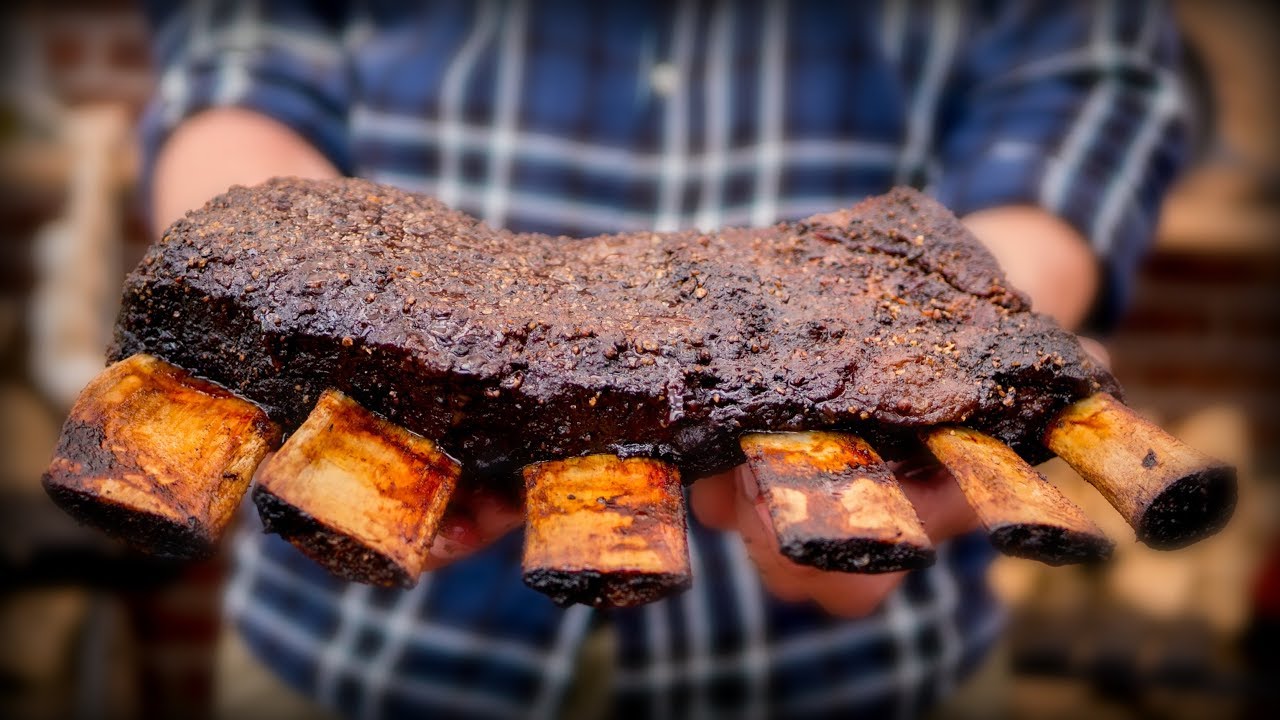
Smoked Beef Ribs Recipe: If there’s one thing that screams bold, smoky BBQ flavor—it’s smoked beef ribs. These meaty giants are the ultimate showstopper for any backyard cookout or weekend smoker session. But let’s be honest: getting them right takes more than just throwing meat in a smoker and hoping for the best.
This step-by-step guide breaks down everything—from picking the right cut to getting that perfect bark and juicy, fall-off-the-bone texture. Whether you’re a beginner or BBQ enthusiast, this guide will help you master smoked beef ribs like a pitmaster.
What Are Smoked Beef Ribs?
Smoked beef ribs come from the same part of the cow as ribeye steaks. They’re full of marbling, rich in flavor, and absolutely massive compared to pork ribs. There are two main types: beef plate ribs and beef back ribs.
Plate ribs (aka “dino ribs”) are the holy grail. These thick, meaty ribs are cut from the short plate near the belly and are prized for their fat content and deep flavor. Back ribs, meanwhile, are leaner and come from higher up near the spine, often left behind after the ribeye is removed.
Smoked low and slow over hardwood, beef ribs absorb that smoky essence beautifully, turning into tender, juicy bites that practically melt in your mouth.
Essential Equipment You’ll Need
Before we dive into the recipe, here’s a checklist of must-haves for a smooth smoke:
- Smoker: Offset, pellet, or kamado grills all work great. Even an electric smoker can do the trick.
- Meat thermometer: Instant-read or probe thermometers are essential for nailing the temp.
- Wood chunks or chips: More on this later, but hardwoods are key.
- Sharp knife: For trimming and slicing.
- Butcher paper or foil: Especially if you’re using the Texas Crutch method.
- Spray bottle: For spritzing during the cook to keep things moist.
Ingredients You’ll Need
Here’s what you need to get started with mouth-watering smoked beef ribs:
Main Ingredients
- Beef Plate Ribs (3-4 bone rack preferred) – about 5 to 7 lbs
- Yellow Mustard or Olive Oil – used as a binder (optional but helpful)
- Kosher Salt – 2 tablespoons
- Freshly Ground Black Pepper – 2 tablespoons
- Garlic Powder – 1 tablespoon
- Paprika (optional) – 1 tablespoon for a hint of color and sweet smokiness
- Brown Sugar (optional) – 1 tablespoon if you like a slightly sweeter rub
Optional Marinade or Wet Rub
- Worcestershire sauce
- Apple cider vinegar
- Soy sauce
- Liquid smoke (tiny amount)
These ingredients form the foundation of flavor. Keep it simple—beef ribs are rich and flavorful on their own, so they don’t need too much dressing up.
How to Prep Beef Ribs for Smoking
Great ribs start with proper prep. First, rinse and pat dry your beef ribs. Flip them over and remove the silver skin (a tough membrane) from the bone side. This membrane can block smoke and spices from penetrating the meat.
Then apply your binder—this helps the rub stick. Some people swear by yellow mustard, others use olive oil. Either works great. After the binder, coat the ribs evenly with your dry rub. Be generous!
Let the seasoned ribs sit at room temperature for 30–45 minutes before smoking. This helps them cook evenly and absorb flavor more deeply.
Best Wood for Smoking Beef Ribs
Wood choice makes a big difference. You want a strong wood that matches beef’s bold flavor.
Best Options:
- Oak: Clean, strong smoke flavor—great all-rounder
- Hickory: Bold and rich, ideal for beef
- Mesquite: Intense—use sparingly or blend with milder woods
- Pecan or Cherry: Sweet, smooth smoke for a balanced profile
Avoid overly soft woods like pine or cedar—they’ll ruin your ribs with bitter smoke.
Step-by-Step Guide to Smoking Beef Ribs
Step 1: Prepping the Smoker
Clean out old ash and preheat your smoker to about 225–250°F (107–120°C). Add your preferred wood (oak, hickory, or mesquite are common) and let the smoke run clean and steady before adding the ribs.
Step 2: Seasoning the Ribs
Remove the silver skin membrane from the back of the ribs for better tenderness. Pat ribs dry and coat lightly with oil or mustard as a binder. Apply a generous dry rub of salt, pepper, and optional spices like paprika and garlic powder.
Step 3: Placing the Ribs in the Smoker
Set ribs bone-side down on the grates. Make sure there is space between racks for airflow. Close the lid and resist opening too often so heat and smoke stay consistent.
Step 4: Monitoring the Temperature
Keep the smoker temperature steady at 225–250°F. Internal rib temperature will slowly climb; use a meat thermometer to track progress without guessing.
Step 5: The Wrap (Texas Crutch – Optional)
When ribs hit around 160–170°F and the bark has formed, you can wrap them tightly in butcher paper or foil to speed cooking and retain moisture.
Step 6: Final Smoke and Bark Formation
Unwrap for the final stage if wrapped, allowing bark to firm back up. Continue smoking until ribs reach about 200–205°F and probe tender.
Step 7: Resting the Ribs
Remove from smoker and rest wrapped for 20–30 minutes. This allows juices to redistribute, giving tender, sliceable beef ribs. Slice between bones and serve.
Internal Temperature Guide for Perfect Beef Ribs
Knowing when beef ribs are done isn’t just about time—it’s about temperature and feel.
| Doneness Stage | Internal Temp | Notes |
|---|---|---|
| Start Smoking | 250°F (Smoker Temp) | Maintain throughout |
| Stall Zone | 160–165°F | Wrap optional |
| Finish Temp | 200–205°F | Aim for 203°F for max tenderness |
| Resting Temp | 185–190°F | After resting, temp will drop slightly |
Always use a calibrated meat thermometer and remember to test for feel as well as temp.
Time and Temperature Table
Smoking beef ribs isn’t fast—it’s a commitment. But here’s a basic timeline to help plan your day:
| Rib Weight | Temp | Estimated Cook Time |
|---|---|---|
| 3–4 lbs | 250°F | 6–7 hours |
| 5–6 lbs | 250°F | 7–8 hours |
| 7+ lbs | 250°F | 8–9+ hours |
Factors That Can Affect Cook Time:
- Outdoor temperature and wind
- Smoker efficiency
- Bone size and meat thickness
- Whether you wrap or not
The best advice? Don’t cook by time. Cook by temperature and feel.
Tips for Perfect Smoked Beef Ribs
Want to cook like a BBQ pro? Keep these tips in your back pocket:
- Don’t skip the rest – it’s the difference between juicy and dry.
- Be patient – low and slow wins the race.
- Avoid over-smoking – too much wood can make meat bitter.
- Use a water pan – it helps regulate temperature and keeps humidity up.
- Spritz smartly – every 45–60 minutes is plenty; don’t overdo it.
And most importantly, trust your instincts. Each smoker and cut of meat is different, and experience is your best teacher.
Serving Suggestions
Now that you’ve got a juicy rack of smoked beef ribs ready to devour, what should you serve it with?
Great Side Dishes:
- Coleslaw – creamy or vinegar-based for crunch and contrast
- Mac and Cheese – cheesy, gooey comfort food
- Baked Beans – smoky and sweet
- Cornbread – for that Southern flair
- Grilled Veggies – lighter fare to balance the plate
Sauce or No Sauce?
This one’s personal. Great smoked beef ribs often don’t need sauce at all. But if you love saucy BBQ, go for a homemade Texas-style sauce or even a bold, smoky chipotle blend.
Serve ribs sliced between the bones, with sides stacked high, and you’ve got yourself a BBQ feast.
Storing and Reheating Leftovers
Let’s say you’ve got some leftovers (lucky you!). Here’s how to keep them tasting great.
Storing:
- Wrap ribs tightly in foil or vacuum-sealed bags.
- Store in the fridge for up to 4 days.
- Freeze for longer storage—up to 3 months.
Reheating:
- Oven method: Wrap ribs in foil, heat at 275°F for 20–30 minutes.
- Sous vide: Reheat at 150°F in a water bath for an hour.
- Avoid microwaving – it ruins the texture and dries out the meat.
Spritz with broth or apple juice before reheating to keep them juicy.
Smoked Beef Ribs for Special Occasions
Smoked beef ribs aren’t your everyday BBQ—they’re a centerpiece. Use them to impress guests at:
- 4th of July cookouts
- Father’s Day feasts
- Tailgating parties
- Backyard birthdays
- Holiday dinners (yep, even Thanksgiving!)
They’re hearty, flavorful, and unforgettable.
Troubleshooting Your First Smoke
Problem: Ribs are tough
Solution: You likely didn’t cook them long enough. Ribs need time to break down collagen.
Problem: Ribs are dry
Solution: Either cooked too fast, or weren’t rested. Try wrapping next time and don’t skip the rest!
Problem: Bark is too hard or bitter
Solution: Over-smoking or high sugar content in the rub. Use balanced wood and go easy on sugar.
FAQs about Smoked Beef Ribs Recipe
1. What type of ribs are best for smoking?
Beef plate ribs are the best for smoking—they’re meaty, rich in fat, and deliver maximum flavor.
2. How long should beef ribs be smoked?
On average, smoked beef ribs take 7 to 9 hours at 250°F. Always go by internal temperature, not just time.
3. Should I wrap my beef ribs?
It’s optional, but wrapping helps push through the stall and retain moisture—especially during long smokes.
4. Can I smoke beef ribs without a smoker?
Yes, you can use an oven with a smoke tube or a grill set up for indirect heat, but flavor won’t be the same.
5. What temp should beef ribs be when done?
Aim for an internal temperature of 203°F and check for tenderness with a probe.
Conclusion
Smoked beef ribs are more than just a meal—they’re an experience. The aroma of smoke, the sound of that crusty bark being sliced, the rich, beefy flavor… it’s BBQ at its finest. Follow this step-by-step guide, be patient, and enjoy the process. Before long, you’ll be the pitmaster everyone turns to for the next backyard feast.