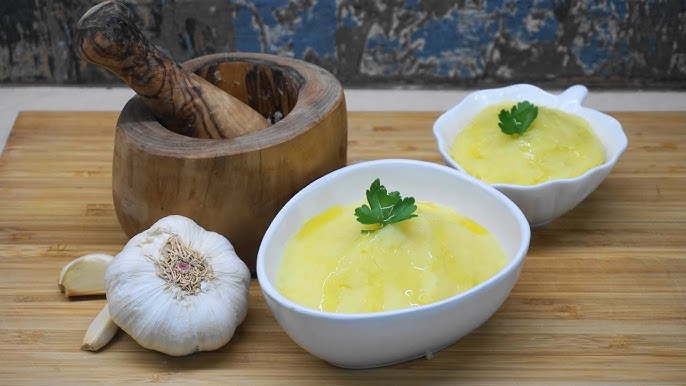
Skordalia Recipe: There’s something beautifully bold about skordalia—a creamy Greek garlic dip that doesn’t shy away from flavor. It’s rich, punchy, and deliciously rustic.
Whether you’re a garlic lover or just looking to try something unique from Greek cuisine, skordalia brings together simple ingredients to create a dish that’s way more than the sum of its parts.
Let’s dive into this hearty, traditional recipe step by step.
Ingredients You’ll Need
Making skordalia doesn’t require a long grocery list or fancy ingredients. That’s part of its charm. Here’s everything you’ll need to get started.
Potatoes or Bread – The Base
Traditionally, skordalia is made with either potatoes or soaked stale bread. The texture and flavor slightly vary depending on what you use:
- Potatoes: Yield a smooth, starchy base. Yukon Gold or Russets work best because of their fluffy, absorbent nature.
- Bread: Gives a denser, slightly tangy flavor. Day-old white bread (crusts removed) is ideal.
Each version is delicious, so it often comes down to personal preference—or what you have on hand.
Garlic – The Star of the Show
You can’t make skordalia without garlic. Fresh garlic cloves are essential, and the amount you use can be adjusted to taste. Most recipes call for 4–6 cloves, but if you’re a garlic fanatic, go ahead and add more. Just remember: raw garlic packs a punch!
Pro tip: Crushing the garlic into a fine paste helps distribute the flavor evenly throughout the dip and prevents any overpowering bites.
Olive Oil – Liquid Gold
Extra virgin olive oil is a must. It not only adds creaminess but also gives skordalia that signature Mediterranean flavor. Gradually incorporating the oil while blending helps the dip emulsify, resulting in a smoother and richer texture.
Use about ½ to ¾ cup, depending on your preference for richness.
Vinegar or Lemon Juice – For Acidity
This is where the dip gets its brightness. Both white wine vinegar and fresh lemon juice work well to cut through the richness of the garlic and olive oil. Some cooks use a bit of both for balance. About 1–2 tablespoons should do the trick.
Salt – To Taste
A little salt goes a long way in enhancing the overall flavor. Start with ½ teaspoon, then adjust after tasting.
Optional Add-ins – For Extra Flavor
While not traditional, you can mix in or garnish with:
- Crushed nuts (like almonds or walnuts)
- Fresh herbs (like parsley or dill)
- A drizzle of chili oil for heat
These can add an exciting twist to the classic version.
Kitchen Tools Required
Before diving into the recipe, get your tools ready. Having everything within arm’s reach will make the process a lot smoother.
Mortar and Pestle or Food Processor
For a rustic feel and fuller flavor, many prefer the mortar and pestle. It gives better control over texture. However, if you’re short on time or making a big batch, a food processor or blender will do just fine.
Mixing Bowls
You’ll need at least one large mixing bowl for combining everything.
Potato Masher or Ricer
If you’re going the potato route, a masher or ricer is essential for getting that creamy texture.
Peeler and Knife
Pretty basic, but don’t skip these! A good peeler and sharp knife make prepping potatoes and garlic easier.
Why You’ll Love Skordalia
Still on the fence about making it? Here’s why you need skordalia in your life.
Bursting with Flavor
This isn’t your average dip. It’s strong, garlicky, and unapologetically bold. Every bite wakes up your taste buds.
Vegan-Friendly & Healthy
No dairy, no animal products—just pure plant-based goodness. Garlic is known for its immune-boosting powers, and olive oil is heart-healthy. So you’re not just enjoying a tasty dip, you’re doing your body a favor.
Incredibly Versatile
Skordalia isn’t just a dip—it’s a sauce, a spread, a side dish. You can slather it on pita, pair it with grilled veggies, or use it as a bold sauce for seafood. The possibilities are endless.
Step-by-Step Guide to Making Traditional Skordalia
Alright, time to get cooking. Follow these steps carefully to make an authentic, creamy, and delicious skordalia.
Step 1: Boil the Potatoes or Soak the Bread
If using potatoes, peel and chop them into chunks. Boil in salted water until fork-tender (about 15–20 minutes), then drain well.
If using bread, remove crusts and soak slices in water or milk for 5–10 minutes. Squeeze out excess liquid before using.
The key here is to remove as much water as possible after cooking or soaking—otherwise, the dip can turn watery.
Step 2: Prepare the Garlic Paste
Crush your garlic cloves into a smooth paste using a mortar and pestle or microplane. Add a pinch of salt while mashing—it helps break down the garlic and releases more flavor.
This paste is the foundation of the dip, so don’t rush this step!
Step 3: Combine the Garlic and Base
Add the mashed potatoes or squeezed bread to your mixing bowl or food processor. Then stir or blend in the garlic paste until well combined.
This is where the texture starts to come together.
Step 4: Add Olive Oil Slowly While Mixing
Slowly drizzle in the olive oil a little at a time while stirring or blending. Doing this gradually allows the mixture to emulsify and get creamy instead of separating.
You’ll notice the dip becoming silkier and richer as you go.
Step 5: Balance the Acidity with Lemon or Vinegar
Stir in your lemon juice or vinegar. Start with a tablespoon, taste, then add more if needed.
This sharp note is what cuts through the richness and garlic—it’s absolutely essential.
Step 6: Taste Test and Adjust Seasoning
Give it a taste. Need more salt? A splash more vinegar? Maybe another garlic clove?
This is the time to make it perfect for your palate.
Step 7: Let It Rest Before Serving
Let your skordalia sit for at least 15–30 minutes before serving. This allows the flavors to meld and mellow out a bit. Trust us—it tastes even better after resting.
Serving Suggestions
One of the best things about skordalia is how adaptable it is. You can serve it up in a variety of delicious ways that suit almost any occasion—whether you’re throwing a Greek-themed dinner party, need a quick dip for game day, or just want a flavorful spread for your sandwich. Here are some tried-and-true serving ideas.
As a Dip with Pita Bread
This is the classic way to enjoy skordalia. Warm up some soft pita bread, cut it into wedges, and serve it alongside a generous bowl of skordalia. The creamy texture of the dip pairs beautifully with the chewy, warm pita. You can also go for pita chips if you’re looking for some crunch.
Add some olives or sliced cucumbers on the side, and you’ve got yourself an instant Mediterranean mezze platter.
As a Sauce for Fried Fish or Vegetables
Traditionally in Greece, skordalia is often paired with fried salt cod (bakaliaros)—and it’s nothing short of amazing. The crispy fish and creamy garlic dip are a match made in heaven. If you’re not into seafood, try it with:
- Fried zucchini or eggplant
- Roasted beets (a popular combo in Greece)
- Grilled mushrooms
It adds a garlicky punch that complements the richness of fried or grilled foods perfectly.
As a Side Dish with Meats
Skordalia can easily replace mashed potatoes at the dinner table. Serve it with roasted lamb, grilled chicken, or even steak for a bold and flavorful side. Its tang and creaminess provide a great contrast to the savory meats.
You can also spread it over warm flatbreads, stuff it into sandwiches, or use it as a bed for grilled kebabs. Versatile? You bet.
Tips for the Perfect Skordalia
Getting the right taste and texture with skordalia isn’t rocket science—but a few tips can make a huge difference. Here’s how to level up your garlic dip game.
Use High-Quality Olive Oil
Since olive oil plays such a big role in this recipe, the quality really matters. Go for extra virgin olive oil with a fruity or peppery profile. A poor-quality oil will make your skordalia taste flat or greasy, while a great one adds complexity and richness.
Don’t Overmix
It’s tempting to blend the mixture until it’s completely smooth, but overprocessing—especially with potatoes—can make skordalia gummy or gluey. If you’re using a food processor, pulse gently and stop once everything is combined.
If you’re using a mortar and pestle, the traditional method gives you more control over texture and helps avoid overmixing.
Serve at Room Temperature
Skordalia is best enjoyed not too cold and not too hot. Straight out of the fridge, the flavors are muted, and the texture can be a little stiff. Let it sit at room temperature for about 20 minutes before serving to bring out its full flavor.
Storage and Make-Ahead Tips
Made a big batch? Good news—skordalia stores really well! Here’s how to keep it fresh and tasty.
How to Store Skordalia
Store leftovers in an airtight container in the fridge. It will last up to 4–5 days, though the flavor of the garlic may intensify slightly over time. Stir well before serving again to restore its creamy consistency.
Can You Freeze It?
Technically yes, you can freeze skordalia—but it’s not ideal. Freezing can change the texture, especially if potatoes are used. If you do freeze it, thaw slowly in the fridge and give it a vigorous stir or even a quick pulse in the blender before serving.
If you’re using bread as the base, freezing works a bit better and the texture holds up slightly more.
How Long Does It Last?
- In the fridge: 4–5 days
- In the freezer: Up to 1 month (texture may change)
If it starts to smell off, or the oil separates too much, it’s time to toss it.
Common Mistakes to Avoid
Even though skordalia is simple to make, a few missteps can throw off the balance. Here are the top mistakes and how to avoid them.
Using Too Much Garlic
Yes, garlic is the star of the dish—but too much raw garlic can make the dip overwhelmingly sharp and hard to eat. Always start with a few cloves, taste, and build up if needed. You can also soak the garlic in lemon juice for 10 minutes to mellow its bite.
Mixing Too Fast
Adding olive oil too quickly can cause the mixture to separate or turn greasy. The goal is to emulsify it into the base, which takes a slow hand and patience. Add the oil little by little and stir (or pulse) between each addition.
Skipping the Resting Time
Skordalia tastes better after a short rest. Skipping this step means the garlic flavor might not have time to mellow out and blend with the other ingredients. 30 minutes of rest makes a world of difference.
Skordalia Variations
While the traditional potato or bread version is wonderful, there are some exciting variations worth exploring.
With Almonds or Walnuts
Add a handful of toasted almonds or walnuts to your skordalia mix for extra richness and a nutty flavor. These versions are especially common in some regional Greek recipes and pair beautifully with roasted meats and veggies.
Just be sure to blend them finely so they integrate smoothly.
Beetroot Skordalia
This colorful twist blends roasted beets into the base, giving the dip a vibrant pink hue and a subtle sweetness. It’s a showstopper on the table and tastes just as amazing. It also goes great with feta cheese and crusty bread.
Bread-Based vs Potato-Based
Want to compare both? Try making a half-batch of each version. Bread-based skordalia tends to be more dense and tangy, while potato-based is lighter and fluffier. Each has its charm—and you might end up loving both!
Nutritional Value of Skordalia
This dip isn’t just tasty—it has some real nutritional perks too. Let’s take a look at what you’re getting with every garlicky bite.
Calories and Macronutrients (Per 100g, potato-based version)
| Nutrient | Amount |
|---|---|
| Calories | ~170 kcal |
| Carbohydrates | ~20g |
| Fat | ~10g |
| Protein | ~2g |
Note: Values vary based on your ingredients and serving size.
Vitamins and Minerals
- Vitamin C from potatoes and lemon juice
- Healthy fats from olive oil
- Antioxidants and antibacterial properties from fresh garlic
- Fiber and potassium from the potatoes
Health Benefits of Garlic and Olive Oil
- Garlic boosts the immune system, supports heart health, and may help lower blood pressure.
- Olive oil is rich in monounsaturated fats and anti-inflammatory compounds.
- This combo is great for a heart-healthy diet and overall wellness.
FAQs about Skordalia Recipe
1. Can I make skordalia without a food processor?
Yes! A mortar and pestle or even just a bowl and fork can work if you’re patient. It’ll give your dip a more rustic texture.
2. What’s the best type of potato for skordalia?
Go for starchy varieties like Russet or Yukon Gold. They mash well and soak up flavors beautifully.
3. How do I reduce the garlic’s sharpness?
Soak minced garlic in lemon juice for 10–15 minutes before adding. This mellows its bite while keeping the flavor.
4. Can I use garlic powder instead of fresh garlic?
Not recommended. Skordalia depends on the boldness of fresh garlic. Powdered versions just don’t deliver the same depth.
5. Is skordalia keto-friendly?
Potato-based versions are not keto, but you can try a bread-free version using cauliflower or nuts as a base for a low-carb option.
Conclusion
Skordalia is more than just a dip—it’s a celebration of bold, simple ingredients coming together in the most satisfying way. Whether you go the traditional route with potatoes or try a creative twist with nuts or beets, you’ll find yourself reaching for this creamy, garlicky spread again and again. From pita bread and veggies to grilled meats and fish, it adds flavor, flair, and a taste of Greece to any meal.
So the next time you’re in the mood for something different, whip up a batch of skordalia. You won’t regret it—and your taste buds will thank you.