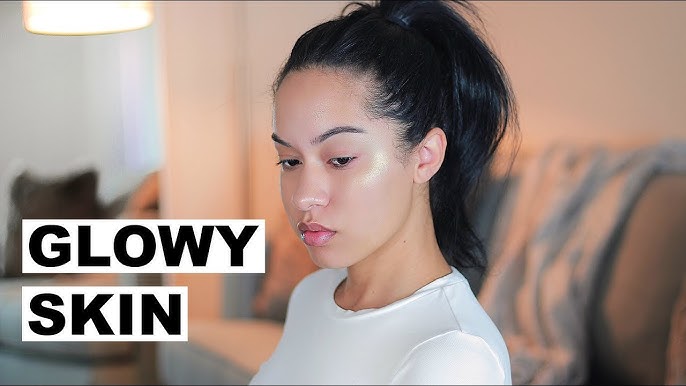
Tips for Healthy Skin: Let’s face it—healthy skin is more than just about looking good. It’s about feeling confident, comfortable, and knowing that your body’s largest organ is well taken care of. Whether you’re a skincare newbie or a beauty enthusiast, achieving and maintaining glowing, clear skin doesn’t have to be a mystery. It’s a mix of good habits, smart choices, and a little bit of consistency.
In this guide, we’re going to cover every aspect of healthy skin—what really matters, what you should skip, and how to find what works for you.
Ready to take your skincare game up a notch? Let’s get into it.
Understanding Your Skin Type
Before anything else, let’s get one thing straight: not all skin is created equal. You can’t treat dry skin the same way you’d treat oily skin, and sensitive skin definitely needs its own playbook. That’s why understanding your skin type is the first step toward a healthier, more radiant complexion.
Here’s a quick rundown:
- Oily skin: Produces excess sebum, tends to look shiny and may be prone to acne or blackheads.
- Dry skin: Feels tight, rough, or flaky, especially after washing.
- Combination skin: Oily in some areas (usually the T-zone), dry or normal in others.
- Normal skin: Balanced, not too oily or dry, with few imperfections.
- Sensitive skin: Easily irritated, reacts to certain products or environmental factors.
Wondering how to figure out your skin type? Try this simple test. Wash your face with a gentle cleanser and wait an hour without applying anything. Check how your skin feels:
- If it’s shiny all over, you’re likely oily.
- If it feels tight or looks flaky, you’re dry.
- If you’re shiny in the T-zone but dry elsewhere, that’s combination.
- If it feels balanced and calm, congratulations, that’s normal.
- If it’s red, itchy, or uncomfortable, chances are it’s sensitive.
Knowing your type helps you choose the right products and routines that actually work with your skin instead of fighting against it.
Why Skin Care Matters
You wear your skin every day—it’s your body’s first line of defense against pollution, UV rays, bacteria, and so much more. Think of it as your armor. Keeping it strong and healthy isn’t just about vanity; it’s essential for your overall health.
Skin acts as a barrier, helps regulate temperature, and even plays a role in immune defense. If you neglect it, you risk dryness, premature aging, breakouts, and even infections.
Plus, let’s be real: good skin just feels better. Ever notice how confident you feel when your face is clear and glowing? Skin care is self-care. It’s a small daily habit that pays off big time, both in the mirror and in how you feel.
Hydration Is Key
If there’s one universal skincare rule, it’s this: hydrate, hydrate, hydrate. You could have the best products in the world, but if your skin is dehydrated, it won’t perform at its best.
Start from the inside. Drinking enough water daily helps flush out toxins and keeps your skin cells plump and elastic. Aim for at least 8 glasses a day, more if you’re active or live in a hot climate.
On the outside, you need a moisturizer that suits your skin type. Don’t think that oily skin means skipping moisturizer. In fact, skipping it can make your skin produce even more oil to compensate.
Look for ingredients like:
- Hyaluronic acid: Attracts and holds moisture.
- Glycerin: Another humectant that draws water into the skin.
- Ceramides: Help restore the skin’s protective barrier.
Apply your moisturizer while your skin is still slightly damp—that locks in hydration and keeps your skin soft, supple, and smooth.
Cleansing the Right Way
Washing your face seems simple, right? But there’s a right (and wrong) way to do it. Over-washing or using harsh cleansers can strip your skin, leading to dryness, irritation, or breakouts.
Here’s what you should do:
- Use lukewarm water – hot water can dry out your skin.
- Choose the right cleanser – foaming ones for oily skin, creamy or milky ones for dry/sensitive skin.
- Wash twice a day – once in the morning to remove oil buildup, and once at night to get rid of dirt, pollution, and makeup.
And remember, never go to bed with makeup on. That’s just asking for clogged pores and dull skin.
Exfoliation: How Much Is Too Much?
Exfoliation is like a reset button for your skin. It removes dead skin cells, helps unclog pores, and gives you that fresh glow. But too much of a good thing can backfire—causing redness, peeling, and sensitivity.
There are two main types of exfoliants:
- Physical: Scrubs with tiny granules.
- Chemical: AHAs (like glycolic or lactic acid) and BHAs (like salicylic acid).
Here’s the sweet spot:
- Oily/Acne-prone skin: 2-3 times a week with a BHA-based exfoliant.
- Dry/Sensitive skin: Once a week, opt for gentle AHAs.
- Normal/Combination skin: 1-2 times per week is ideal.
Avoid harsh scrubs that feel like sandpaper. If it hurts, it’s not helping.
Sun Protection Every Day
Sunscreen isn’t just for beach days or summer vacations—it’s a non-negotiable part of daily skincare. Think of sunscreen as your skin’s bodyguard against premature aging, sunburns, dark spots, and even skin cancer. The sun’s UV rays don’t take a day off, and neither should your SPF.
Even when it’s cloudy or you’re working from home, UVA rays (which cause aging) can still penetrate windows and affect your skin. That’s why dermatologists recommend wearing sunscreen every single day—no excuses.
Here’s how to get it right:
- SPF 30 or higher is ideal for everyday use.
- Broad-spectrum protects against both UVA and UVB rays.
- Apply it 15 minutes before sun exposure and** and reapply every 2 hours if you’re outside.
- Use about a nickel-sized amount for your face, and don’t forget your neck, ears, and hands.
If you’re worried about greasy formulas or white casts, there are tons of modern sunscreens that are lightweight, tinted, and even matte-finish. Whether chemical or mineral, the best sunscreen is the one you’ll actually wear—so find one you love and make it a habit.
Nutrition for Glowing Skin
“You are what you eat” isn’t just a cliché—it’s especially true when it comes to skin health. A diet packed with processed foods, sugar, and unhealthy fats can show up on your skin as dullness, acne, or inflammation. But the right nutrients? They can transform your complexion from the inside out.
Here are some skin-loving nutrients to load up on:
- Vitamin C – boosts collagen and brightens skin (found in oranges, strawberries, bell peppers).
- Vitamin E – protects against free radical damage (almonds, spinach, avocados).
- Zinc – helps heal acne and inflammation (pumpkin seeds, chickpeas, cashews).
- Omega-3s – reduce redness and keep skin supple (salmon, chia seeds, walnuts).
- Antioxidants – fight aging and environmental stress (green tea, blueberries, dark chocolate).
Also, don’t forget the power of healthy fats and hydrating fruits and veggies. Try to eat the rainbow—colorful foods tend to have the most powerful nutrients for glowing, healthy skin.
And yes, cutting back on dairy and sugar has helped many people reduce breakouts. Every body is different, so keep a food journal and see how your skin reacts to certain items.
Get Enough Sleep
Beauty sleep is real, and science backs it up. When you sleep, your body goes into repair mode—and that includes your skin. Cells regenerate, blood flow increases, and collagen production kicks in. Skimping on sleep can lead to dullness, puffiness, fine lines, and dark circles.
Adults need about 7–9 hours of quality sleep every night for optimal health, including skin health.
Want better skin while you snooze? Try these tips:
- Establish a bedtime routine – wind down with calming activities like reading or stretching.
- Keep your room cool and dark – a sleep-friendly environment helps you rest better.
- Avoid screens 1 hour before bed – blue light disrupts your body’s natural sleep rhythms.
- Use a silk or satin pillowcase – reduces friction on your skin and helps prevent sleep lines.
While you sleep, consider using a night cream or sleeping mask loaded with hydrating and repairing ingredients like hyaluronic acid, peptides, or retinol.
Avoiding Harmful Habits
Let’s talk about the not-so-fun stuff—bad habits that silently sabotage your skin. Even if you’re using all the right products, these behaviors can undo your progress.
Here’s what to avoid:
- Smoking – It restricts blood flow, damages collagen, and leads to premature wrinkles.
- Excessive alcohol – Dehydrates your skin, causes inflammation, and dilates blood vessels.
- Touching your face constantly – Transfers dirt and bacteria, leading to breakouts.
- Picking or popping pimples – Causes scarring and spreads bacteria.
- Skipping sunscreen – As we said earlier, this one’s a big no-no.
- Overusing harsh products – Especially those with alcohol, which strips your skin’s natural oils.
Being mindful of these habits and replacing them with healthier ones—like drinking more water, quitting smoking, or using a spot treatment instead of picking—can make a huge difference over time.
Skincare Routine: Keep It Simple
It’s easy to get caught up in the 10-step routines you see online, but here’s the truth: you don’t need a drawer full of products to get great skin. In fact, too many products can confuse your skin and lead to irritation.
A basic routine is more than enough if done consistently. Here’s a simple breakdown:
Morning Routine
- Cleanser
- Moisturizer
- Sunscreen
Night Routine
- Cleanser
- Treatment (like serum, retinol, or acne cream)
- Moisturizer
If you want to add more:
- Use a gentle exfoliator 1-2 times a week.
- Add a hydrating serum or antioxidant (like Vitamin C) in the morning.
- Use retinol or AHA/BHA at night (but not every night).
The goal is consistency, not complexity. Stick with it for at least 4-6 weeks before expecting visible changes.
Listen to Your Skin
One of the most important lessons in skincare? Pay attention to what your skin is telling you.
Is it suddenly red, flaky, or breaking out? That’s your skin’s way of saying, “Hey, something’s off.” Maybe a product is too harsh, or you’ve introduced too many new things at once.
Tips to listen better:
- Patch test new products before applying them all over.
- Introduce one product at a time and wait a week before adding another.
- Stop using products that burn or sting (unless prescribed and expected).
Also, understand that your skin changes with the seasons, stress, hormones, and age. What worked for you last year might not be right now. Be flexible and kind to your skin—it’s trying its best.
Managing Stress for Better Skin
Ever noticed how your skin freaks out right before a big presentation or after a stressful week? That’s no coincidence. Stress and skin health are deeply connected. When you’re stressed, your body produces more cortisol—a hormone that can increase oil production, trigger inflammation, and disrupt your skin’s natural balance.
Stress doesn’t just cause breakouts. It can also worsen conditions like eczema, psoriasis, and rosacea. And let’s not forget the long-term impact—chronic stress accelerates aging, breaks down collagen, and can dull your overall complexion.
Here’s how to fight back:
- Practice mindfulness – meditation, deep breathing, and even journaling can help lower cortisol levels.
- Get moving – regular exercise boosts circulation and reduces stress.
- Sleep well – poor sleep adds fuel to the stress-fire (and we already know what that does to your skin).
- Set boundaries – if work or relationships are draining you, it’s okay to say no sometimes.
- Laugh more – seriously. Laughter reduces stress hormones and boosts mood.
Taking care of your mental well-being isn’t just good for your soul—it shows up in your skin. So, breathe deeply, take that yoga class, or binge-watch your favorite comedy. Your skin will thank you.
Professional Help When Needed
There’s only so much you can DIY. Sometimes, your skin needs a little professional backup—and there’s no shame in that. If you’ve been struggling with persistent acne, pigmentation, or other skin issues despite trying everything, it might be time to see a dermatologist or licensed esthetician.
Here’s when to make that appointment:
- Severe or cystic acne that doesn’t respond to over-the-counter treatments.
- Sudden changes in skin texture, color, or moles.
- Persistent redness, itching, or flaking that doesn’t improve.
- Interest in advanced treatments like chemical peels, microneedling, or laser therapy.
Professional treatments can offer deeper, more targeted results. Dermatologists can prescribe medications, recommend medical-grade skincare, or help tailor a routine that’s just right for your skin type and concerns.
Think of it this way: You’d go to a mechanic for your car—why not trust your skin to a trained pro when it really counts?
Home Remedies That Actually Work
Not all home remedies are created equal. While the internet is full of DIY skincare recipes, many are outdated, unsafe, or just plain ineffective (looking at you, lemon juice and toothpaste on pimples).
That said, some gentle home remedies can be effective—especially when they’re backed by science and dermatologists don’t object.
Try these safe, skin-friendly DIY options:
- Aloe vera gel: Soothes irritation, hydrates, and has anti-inflammatory properties.
- Honey: Naturally antibacterial and moisturizing; great for acne-prone skin.
- Oatmeal mask: Calms redness and irritation—perfect for sensitive skin.
- Green tea compress: Packed with antioxidants and reduces puffiness.
- Yogurt face mask: Contains lactic acid that gently exfoliates and brightens.
But always remember:
- Patch test first to check for allergies.
- Avoid citrus or vinegar on your face—they can damage your skin barrier.
- Don’t overdo it. Even natural ingredients can be irritating in excess.
When in doubt, stick to well-formulated skincare products, and treat home remedies as a supplement—not your main routine.
Myths vs. Facts About Skin Care
The skincare world is full of advice, but not all of it is trustworthy. Let’s bust some popular myths and replace them with facts you can actually use.
| Myth | Truth |
|---|---|
| You only need sunscreen on sunny days | UV rays reach you even on cloudy days or indoors |
| Oily skin doesn’t need moisturizer | Skipping it can make your skin even oilier |
| Natural = always better | Poison ivy is natural, too—doesn’t mean it belongs on your face |
| You can shrink pores | You can make them look smaller, but not actually shrink them |
| More products = better results | Too many products can overwhelm or irritate your skin |
When in doubt, consult evidence-based sources or professionals—not influencers pushing products. Trust your skin, go slow, and don’t believe everything you see on TikTok.
FAQs about Tips for Healthy Skin
1. How long does it take to see results from a new skincare routine?
It typically takes 4–6 weeks for your skin to start showing results from a new product. Skin cell turnover cycles are slow, so patience is key.
2. Should I change my skincare routine with the seasons?
Yes! Your skin’s needs change depending on humidity, temperature, and sun exposure. Lighter products for summer, richer moisturizers for winter.
3. Is it bad to use makeup every day?
Not if you cleanse properly. The problem isn’t makeup—it’s sleeping in it or not removing it thoroughly. Choose non-comedogenic products to avoid breakouts.
4. Can I use multiple active ingredients together?
Some actives work well together (like niacinamide + hyaluronic acid), while others (like retinol + vitamin C) can cause irritation. Always research and introduce slowly.
5. What’s the best anti-aging ingredient to start with?
Retinol is the gold standard. Start with a low concentration 1–2 times a week and build up as your skin adjusts. Pair it with a good SPF during the day.
Conclusion
Healthy skin isn’t about chasing perfection. It’s about feeling comfortable in your own skin—literally. It’s also about consistency, patience, and being kind to yourself. You don’t need expensive products or a 20-step routine. What you do need is a solid understanding of your skin, a handful of well-chosen products, and some healthy lifestyle habits that support your skin from the inside out.
So, drink your water, wear your sunscreen, get your sleep, and maybe lay off the sugar a bit. Give your skin the time and love it needs, and it will glow back at you—promise.