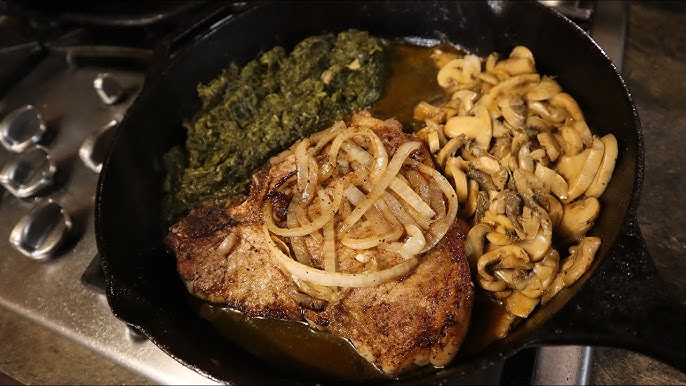
Skillet T-Bone Steak Recipe: There’s something almost magical about cooking a T-bone steak in a skillet. That first sizzle when the meat hits the hot pan? It’s music to the ears. The aroma of butter, garlic, and perfectly seared beef filling your kitchen? Pure comfort. If you’ve ever wondered how steakhouses achieve that rich brown crust and juicy center, here’s the truth: you don’t need a fancy grill or professional kitchen. All you need is the right technique, a heavy skillet, and a beautiful T-bone steak.
Cooking steak can feel intimidating at first. Maybe you’re worried about overcooking it. Maybe you’ve had one too many dry, chewy steaks in the past. But once you understand the simple science behind heat, timing, and resting, everything changes. A skillet—especially cast iron—locks in flavor, creates an unbeatable crust, and gives you full control over doneness.
In this detailed, step-by-step guide, you’ll learn exactly how to cook a T-bone steak in a skillet like a professional chef. From choosing the right cut to mastering the perfect sear, every step is explained clearly and practically. No fluff. No guesswork. Just a foolproof method that works every single time.
Ready to transform your kitchen into a steakhouse? Let’s dive in.
What Is a T-Bone Steak? Understanding the Cut
Before you start cooking, it helps to know exactly what makes a T-bone steak so special. This isn’t just any cut of beef—it’s actually two premium steaks in one. Yes, you read that right.
A T-bone steak is cut from the short loin of the cow and features a T-shaped bone separating two distinct sections of meat. On one side, you have the tenderloin (the same buttery-soft meat used for filet mignon). On the other side, you get the strip steak (also known as New York strip), which is slightly firmer but packed with beefy flavor.
Anatomy of a T-Bone Steak
The T-shaped bone runs down the center, giving the steak its name. That bone isn’t just for show—it actually helps insulate the meat during cooking, contributing to juiciness and flavor retention.
- Tenderloin side: Extremely tender, leaner, and cooks slightly faster.
- Strip side: Richer marbling, deeper flavor, and slightly firmer texture.
This dual-character cut makes the T-bone a favorite among steak lovers who want the best of both worlds.
Difference Between T-Bone and Porterhouse
Many people confuse T-bone with porterhouse steak. They look similar, but here’s the key difference: porterhouse steaks have a larger portion of tenderloin. In fact, the USDA defines the difference by the width of the tenderloin section.
If you’re shopping and see a slightly smaller tenderloin portion, it’s a T-bone. Either way, both cuts are premium and deliver incredible flavor when cooked properly.
Understanding the structure of the T-bone is crucial because it affects how you cook it. Since the tenderloin side cooks faster, you’ll need to manage heat carefully. But don’t worry—that’s exactly what this guide will teach you.
Why Cook T-Bone Steak in a Skillet?
Grills are great. No doubt about it. But if you want maximum crust, consistent heat, and year-round convenience, a skillet is your best friend. In fact, many professional chefs prefer pan-searing over grilling.
Why? Because control is everything.
When you cook a T-bone steak in a skillet—especially cast iron—you get intense, even heat across the entire surface. This high heat triggers the Maillard reaction, the chemical process responsible for that golden-brown crust and deep savory flavor. Without proper searing, your steak might cook through—but it won’t develop that crave-worthy crust.
Another major advantage? Butter basting. Try pouring foaming garlic butter over your steak on a grill. Not easy, right? In a skillet, it’s effortless. You can continuously spoon melted butter infused with herbs over the steak, enhancing flavor and keeping it moist.
Here’s why skillet cooking works so well:
- Superior crust formation
- Better heat control
- Easy butter basting
- Perfect for indoor cooking
- No dependency on weather
Plus, it’s faster. You don’t have to preheat a grill for 20 minutes. Just heat your skillet, and you’re ready to go.
Think of skillet cooking like precision driving. You’re in complete control. You decide the temperature, the timing, and the flavor profile. And once you master it, there’s no going back.
Ingredients You’ll Need
Cooking the perfect skillet T-bone steak doesn’t require a long grocery list. In fact, simplicity is key. High-quality ingredients shine when you keep things minimal.
Core Ingredients
- 1 thick-cut T-bone steak (1 to 1½ inches thick)
- Kosher salt (generous amount)
- Freshly ground black pepper
- 2 tablespoons high-smoke-point oil (avocado oil or canola oil)
- 3 tablespoons unsalted butter
That’s the foundation. Just five simple ingredients. Yet when combined correctly, they create steakhouse-level flavor.
Salt is especially important. Don’t be shy with it. A thick steak needs proper seasoning to enhance its natural beef flavor. Kosher salt works best because of its coarse texture, which sticks well and penetrates evenly.
Freshly cracked black pepper adds mild heat and depth. Pre-ground pepper simply doesn’t deliver the same punch.
High-smoke-point oil is essential for searing. Olive oil may burn at high temperatures, so choose something stable like avocado oil.
Butter is your flavor booster. When melted and combined with steak juices, it creates a luxurious finish.
Optional Flavor Enhancers
Want to elevate things even further? Add:
- 3 cloves smashed garlic
- 2 sprigs fresh rosemary
- 2 sprigs fresh thyme
These aromatics infuse the butter as it melts, creating layers of flavor that taste sophisticated yet natural.
The beauty of this recipe lies in its balance—simple ingredients, bold results.
Choosing the Best T-Bone Steak
If steak is the star of the show, quality matters. You can follow every cooking step perfectly, but if the meat isn’t great, the results won’t be either.
USDA Grades Explained
In the United States, beef is graded primarily as:
- Prime: Highest marbling, extremely tender and flavorful
- Choice: Slightly less marbling but still excellent quality
- Select: Leaner and less tender
For skillet cooking, USDA Prime is ideal. The marbling melts during cooking, creating natural juiciness and flavor. Choice is still a fantastic option and more widely available.
Thickness and Marbling Guide
Thickness makes a huge difference. Look for a steak that’s at least 1 to 1½ inches thick. Thin steaks cook too quickly and can overcook before forming a proper crust.
Marbling—the thin white streaks of fat within the meat—is your friend. More marbling equals more flavor. Avoid steaks that look overly lean or dull in color.
Also, check for bright red color and firm texture. The fat should appear creamy white, not yellowish.
Choosing the right steak is like choosing the right foundation for a house. Get this part right, and everything else becomes easier.
Essential Kitchen Tools for Skillet Steak
Before you even turn on the stove, let’s talk tools. Cooking a T-bone steak in a skillet isn’t complicated—but having the right equipment makes the difference between “good” and “unbelievable.”
First and foremost, you need a heavy skillet. Cast iron is the gold standard. Why? Because it retains heat like nothing else. When you place the steak in the pan, the temperature doesn’t drop dramatically. That consistent, high heat is exactly what creates that deep, caramelized crust. Stainless steel can also work well, but lightweight non-stick pans simply don’t get hot enough for a proper sear.
Here’s what you’ll need:
- Cast iron or heavy stainless-steel skillet
- Tongs (never use a fork—you’ll pierce the meat and lose juices)
- Meat thermometer (for perfect doneness)
- Paper towels (to dry the steak thoroughly)
- Spoon (for butter basting)
- Cutting board
Let’s talk about the thermometer for a second. Some people claim they can “feel” doneness. That may work for seasoned chefs, but if you want consistent, professional results, use a digital meat thermometer. It eliminates guesswork and ensures you never overcook that expensive steak.
Think of these tools like your cooking arsenal. You wouldn’t build a house with a plastic hammer, right? The same logic applies here. Invest in good tools once, and you’ll enjoy better steaks forever.
Preparing Your Steak Before Cooking
Cooking doesn’t start when the steak hits the pan—it starts well before that. Preparation is half the battle. Skip this stage, and you’ll compromise the final result.
Bringing to Room Temperature
Take your T-bone steak out of the refrigerator about 30–45 minutes before cooking. Why does this matter? Because a cold steak cooks unevenly. The outside may overcook while the inside stays underdone.
When the steak comes closer to room temperature, it cooks more evenly from edge to center. This means better texture, better doneness control, and a juicier bite overall.
Proper Seasoning Techniques
Now, pat the steak completely dry with paper towels. Moisture is the enemy of a good crust. If the surface is wet, it will steam instead of sear.
Next, season generously with kosher salt and freshly ground black pepper on both sides. Don’t forget the edges. A thick T-bone needs more salt than you might think—remember, it’s seasoning a large piece of meat.
You have two seasoning options:
- Immediate seasoning – Salt just before cooking.
- Dry brining – Salt the steak and let it rest uncovered in the fridge for 1–24 hours.
Dry brining draws moisture to the surface, which then gets reabsorbed into the meat, enhancing flavor and tenderness. If you have time, this method is worth it.
Preparation may seem simple, but it sets the stage for everything that follows. Think of it like warming up before a workout—you wouldn’t skip it if you wanted top performance.
Step-by-Step Guide to Cooking T-Bone Steak in a Skillet
Now comes the exciting part. Let’s walk through the process step by step so you can achieve steakhouse-level perfection at home.
Step 1: Preheating the Skillet
Place a heavy skillet (preferably cast iron) over high heat. Let it heat for several minutes until very hot. A properly heated skillet is essential for forming a rich, flavorful crust on the steak.
Step 2: Searing the Steak
Pat the T-bone steak dry and season generously with salt and pepper. Add a small amount of oil to the hot skillet, then carefully place the steak in the pan. Sear for about 3–4 minutes without moving it to develop a deep brown crust.
Step 3: Flipping and Butter Basting
Flip the steak and add butter, along with optional garlic and fresh herbs. Tilt the pan slightly and spoon the melted butter over the steak repeatedly for 2–3 minutes. This enhances flavor and keeps the meat juicy.
Step 4: Checking Internal Temperature
Use a meat thermometer to check doneness. Aim for 125–130°F for medium-rare or 135–140°F for medium. Remove the steak from the skillet once it’s about 5°F below your target temperature.
Step 5: Resting the Steak
Transfer the steak to a plate and let it rest for 5–10 minutes. Resting allows juices to redistribute, ensuring a tender, flavorful T-bone steak when sliced and served.
Steak Doneness Guide (Temperature Chart Included)
Understanding doneness is crucial because everyone has their preference. Rare is soft and cool in the center. Medium-rare is warm, red, and juicy. Medium has a pink center but firmer texture.
Here’s a quick breakdown:
- Rare (120–125°F): Bright red center, very soft.
- Medium Rare (130–135°F): Warm red center, juicy and tender.
- Medium (140–145°F): Pink center, firmer texture.
- Medium Well (150–155°F): Slight pink, mostly cooked through.
- Well Done (160°F+): Fully cooked, little to no pink.
Remember, temperature accuracy equals consistency. Guesswork leads to disappointment.
Common Mistakes to Avoid When Cooking T-Bone Steak
Even simple recipes can go wrong. Here are common mistakes to avoid:
- Cooking a cold steak straight from the fridge
- Not drying the surface properly
- Using low heat
- Flipping too often
- Skipping the resting period
- Cutting into it too soon
Each mistake reduces flavor, texture, or juiciness. Avoid them, and you’ll dramatically improve your results.
How to Add Garlic Butter and Herb Flavor
Garlic butter isn’t just an extra—it’s a game-changer. When butter melts and mixes with beef juices, it creates a sauce that’s rich and aromatic.
For extra flavor, try:
- Compound butter (butter mixed with herbs and lemon zest)
- Crushed red pepper for subtle heat
- A splash of fresh lemon juice at the end
A small addition can elevate your steak from great to unforgettable.
Side Dishes That Pair Perfectly with T-Bone Steak
A steak this good deserves equally delicious sides. Consider:
- Garlic mashed potatoes
- Roasted asparagus
- Creamed spinach
- Grilled mushrooms
- Fresh garden salad
Classic steakhouse sides balance richness with freshness. Think creamy plus crisp. Heavy plus light.
Storing and Reheating Leftover Steak
If you have leftovers (lucky you), store them in an airtight container in the refrigerator for up to 3 days.
To reheat:
- Warm gently in a skillet over low heat
- Add a small pat of butter
- Avoid microwaving if possible
Low and slow reheating keeps the steak from drying out.
Nutritional Information of T-Bone Steak
T-bone steak is high in protein and rich in essential nutrients like:
- Iron
- Zinc
- Vitamin B12
- Selenium
It’s calorie-dense but nutrient-rich. Moderation is key.
Pro Tips for Restaurant-Quality Results
Want that steakhouse finish? Follow these expert tips:
- Use thick-cut steak
- Always preheat your skillet fully
- Don’t overcrowd the pan
- Baste generously
- Rest before slicing
- Slice against the grain
These small details create massive improvements.
FAQs about Skillet T-Bone Steak Recipe
1. How long should I cook a T-bone steak in a skillet?
Cooking time depends on thickness and heat level, but for medium-rare, sear the steak for about 3–4 minutes per side. Thicker cuts may need slightly more time or a brief oven finish.
2. Do I need a cast iron skillet?
Cast iron is ideal because it holds heat exceptionally well, helping create a strong crust. However, a heavy stainless-steel skillet can also produce great results if properly preheated.
3. Should I marinate a T-bone steak?
Marinating isn’t necessary. A good-quality T-bone steak has excellent natural flavor and tastes best with simple seasoning like salt and black pepper.
4. Why is my steak tough?
Tough steak is usually the result of overcooking or skipping the resting step. Letting the steak rest allows juices to redistribute, keeping it tender.
5. How thick should a T-bone steak be for skillet cooking?
For best results, choose a steak that’s at least 1 to 1½ inches thick. Thicker cuts cook more evenly and stay juicier.
Conclusion
Cooking a skillet T-bone steak doesn’t require professional training—just proper technique and attention to detail. From selecting a high-quality cut to mastering the perfect sear and resting time, every step plays a role in delivering a juicy, flavorful steak.
When done right, the result is a beautifully caramelized crust, tender interior, and rich buttery finish that rivals any steakhouse meal. With this step-by-step guide, you now have everything you need to cook a perfect T-bone steak confidently in your own kitchen.