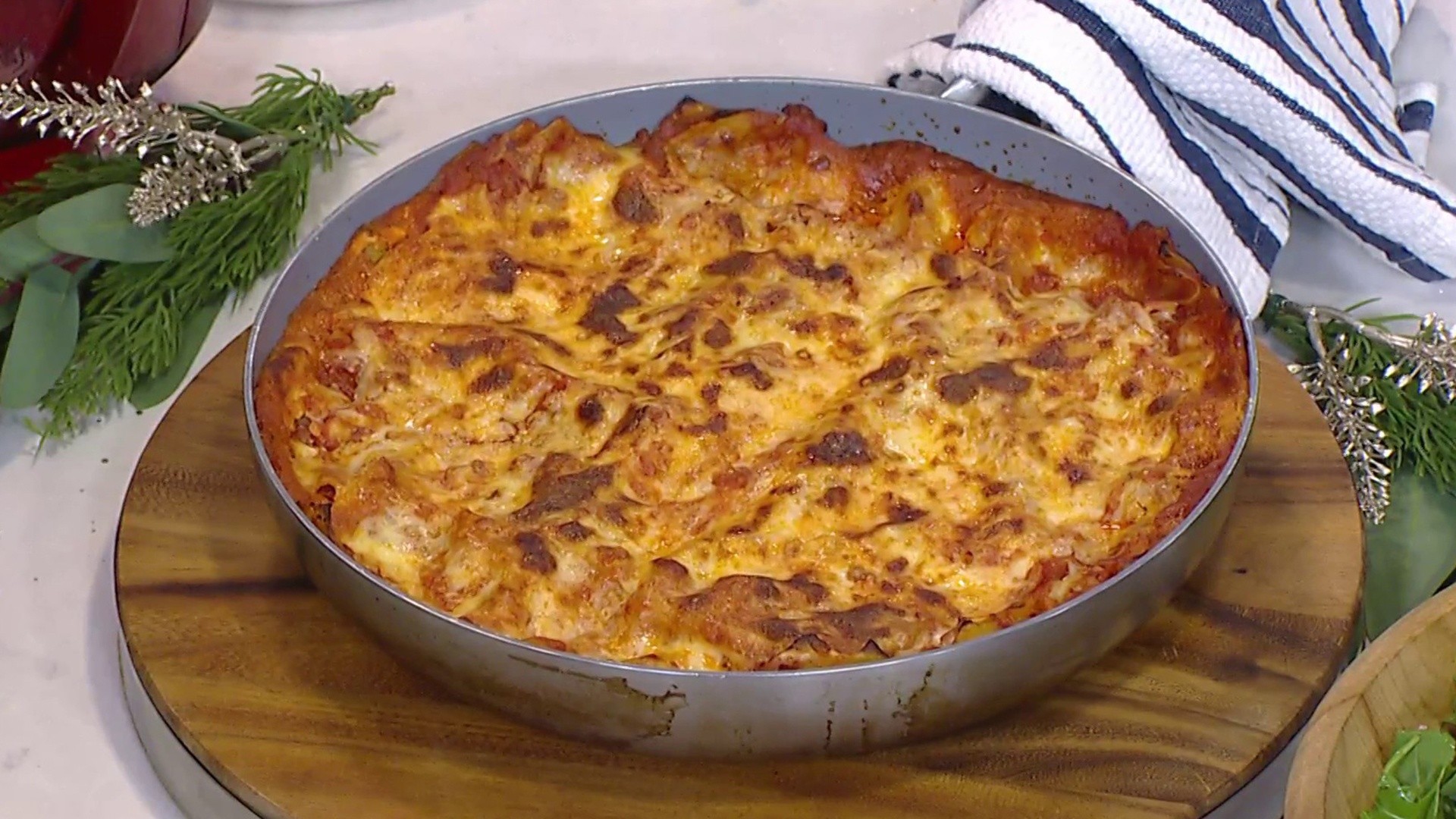
Skillet Lasagna Recipe: Who says lasagna has to be complicated? If you’re craving all the cheesy, meaty, saucy goodness of traditional lasagna but don’t want to spend hours layering and baking, you’re in for a treat. Skillet lasagna is everything you love about the classic dish—but quicker, easier, and with way less cleanup. Whether you’re feeding a hungry family or just looking for a cozy comfort meal, this recipe has your back.
Think of it as lasagna’s laid-back cousin. You toss everything into one big skillet, let it simmer, top it with cheese, and boom—dinner is served in under an hour. You don’t even need to pre-boil noodles or fire up the oven.
This guide breaks everything down step by step, from the ingredients you’ll need to expert tips for making it just right. So grab your skillet and let’s cook!
Ingredients You’ll Need
Let’s get this pantry check started. The beauty of skillet lasagna is how customizable it is. You can use what you have on hand, but here’s the ideal ingredient lineup to make the dish shine:
Meat Options
- Ground beef (85/15 lean-to-fat ratio works best) – This brings in that rich, classic lasagna flavor.
- Ground turkey or Italian sausage – Great alternatives if you want a lighter or spicier version.
Vegetables and Aromatics
- 1 medium onion, chopped – Adds sweetness and depth.
- 3–4 garlic cloves, minced – For that unmistakable Italian aroma.
- 1 bell pepper (any color), diced – Optional but adds a pop of flavor and color.
- Optional: Spinach or mushrooms – For extra nutrition and texture.
Cheese Selections
- Ricotta cheese – Creamy and perfect for layering.
- Mozzarella (shredded) – Melts beautifully on top.
- Parmesan cheese – Sharp and salty, ideal for finishing touches.
Lasagna Noodles
- Oven-ready lasagna noodles – These are a lifesaver.
- Or use regular noodles broken into pieces—just increase the simmer time a bit.
Sauce Choices
- 24 oz jar of marinara sauce – Use your favorite brand.
- Or homemade tomato sauce if you’ve got the time.
Seasonings and Herbs
- 1 tsp dried basil
- 1 tsp dried oregano
- 1/2 tsp chili flakes (optional)
- Salt and pepper to taste
Feel free to tweak quantities depending on your taste and serving size.
Essential Kitchen Tools
Before we fire up the stove, let’s talk tools. You don’t need a fancy kitchen setup to make this recipe shine, but having the right equipment helps everything go smoothly.
- Large non-stick or cast iron skillet (12-inch is ideal) – Deep enough to hold all your layers without overflowing.
- Wooden spoon or silicone spatula – Great for stirring without scratching your pan.
- Measuring cups and spoons – For accuracy with seasonings and liquids.
- Skillet lid or foil – Essential for steaming the noodles and melting cheese.
With these on hand, you’re ready to cook like a pro!
Why Choose a Skillet Lasagna Over Traditional?
Let’s be honest—classic lasagna can feel like a weekend-only meal. There’s boiling, draining, layering, baking… it’s a project. Skillet lasagna throws all that out the window in the best way possible.
Here’s why it’s a game-changer:
- Saves time: No need to boil noodles or bake for an hour. It’s all done on the stovetop.
- Less cleanup: One skillet. One spoon. Done.
- Beginner-friendly: No need for perfect layers or baking know-how.
- Flexible and forgiving: Toss in whatever veggies or meat you have.
- Quick comfort food: You get all the cozy vibes of lasagna in a fraction of the time.
If you’re someone who loves a delicious home-cooked meal without spending half your evening in the kitchen, skillet lasagna is for you.
Step-by-Step Skillet Lasagna Recipe
Step 1: Prepare Your Ingredients
First things first—get everything chopped, measured, and ready to go. This step might seem boring, but it’ll save you so much time once things start cooking.
Here’s your prep checklist:
- Dice the onion and bell pepper.
- Mince the garlic.
- Shred mozzarella if not pre-shredded.
- Break the lasagna noodles into roughly 2-inch pieces.
- Open your sauce jar and have it nearby.
- Measure out seasonings and set them in a small bowl.
Think of this stage like setting the scene. When your ingredients are ready to toss in the pan at a moment’s notice, cooking becomes way more enjoyable and way less stressful.
Pro tip? Set everything in small bowls or containers like they do on cooking shows. It may seem extra, but it actually helps prevent burning or skipping ingredients once the heat’s on.
Step 2: Sauté the Meat and Veggies
Now it’s time to get cooking.
Heat 1–2 tablespoons of olive oil in your skillet over medium-high heat. Once the oil is shimmering, add your ground meat. Break it up with your spoon as it cooks, stirring occasionally. Let it cook for about 5–7 minutes until it’s no longer pink and has started to brown a little.
Once the meat is halfway cooked, toss in your diced onion, garlic, and bell pepper. Stir everything together and cook for another 4–5 minutes until the veggies are soft and the mixture is super fragrant.
Want to add a little extra flavor? A splash of Worcestershire sauce or a pinch of crushed red pepper flakes works wonders.
Drain any excess fat if needed—especially if you’re using a higher-fat meat like sausage or beef.
At this point, your kitchen should be smelling amazing. You’re building the foundation of the dish here, so don’t rush this step.
Step 3: Add Sauce and Seasonings
With your meat and veggies looking cooked and colorful, it’s time to bring the sauce into the mix.
Pour in your jar of marinara sauce and about 1/2 cup of water. That extra liquid will help the noodles cook evenly later on.
Now’s the moment to sprinkle in your dried basil, oregano, salt, pepper, and any other spices you’re using. Stir everything together to make sure all those flavors are evenly distributed.
Let the sauce come to a gentle simmer, which should take around 2–3 minutes. Taste it here—this is your last chance to tweak the flavor before adding the noodles.
If the sauce feels too thick, add another splash of water or broth. You’re aiming for a slightly looser consistency than regular pasta sauce.
Step 4: Layer in the Noodles
Now for the fun part: the noodles.
Take your broken lasagna noodles and layer them directly into the sauce. Don’t worry about making them perfect—just spread them out across the skillet as evenly as possible.
Push the noodles down gently with the back of your spoon so they’re mostly submerged in the sauce. This is important—they need to cook in the liquid, just like pasta in a pot of water.
Once they’re in, cover the skillet with a lid (or foil if you don’t have one) and reduce the heat to medium-low. Let the noodles cook for 20–25 minutes, stirring gently every 5–7 minutes so they don’t stick together.
If the sauce starts looking too dry while cooking, add a little water or broth (a couple tablespoons at a time) to keep things nice and saucy.
Step 5: Simmer and Cook Covered
During this simmering stage, you’re basically letting the noodles cook in the sauce while the flavors all come together. This step takes patience, but the result is so worth it.
After about 20 minutes, check a noodle with a fork to see if it’s tender. It should be soft but still hold its shape—like perfectly cooked pasta.
Taste your sauce again. If it needs more salt, pepper, or spice, this is the last moment to adjust before adding the cheese.
Keep the lid on as much as possible during this step to trap moisture and ensure even cooking.
Step 6: Add Cheeses and Let Melt
Here comes the best part—cheese!
Once your noodles are cooked and the sauce is thick and bubbling, it’s time to layer on the cheese.
Start by dropping small spoonfuls of ricotta cheese across the top of the lasagna. No need to mix it in—just let it sit like little creamy pillows. Then sprinkle a generous handful of shredded mozzarella over everything, followed by a final touch of grated Parmesan.
Cover the skillet again for another 5–7 minutes, just until the cheeses are fully melted and gooey. If you like crispy cheese, you can pop the skillet (oven-safe only!) under the broiler for 2–3 minutes.
The result? A golden, cheesy masterpiece that looks and smells like pure comfort.
Step 7: Let Rest and Garnish
Before diving in with your fork, give your skillet lasagna a few minutes to rest—about 5–10 minutes should do it. This lets the cheese settle and makes it easier to serve.
Now’s a great time to add fresh garnishes if you’re feeling fancy:
- Chopped fresh basil or parsley
- A sprinkle of crushed red pepper flakes
- A light drizzle of olive oil
Once it’s ready, scoop it into bowls or plates, serve with a side salad or garlic bread, and watch it disappear.
Tips for Perfect Skillet Lasagna Every Time
Making skillet lasagna isn’t rocket science, but there are a few tricks to ensure it turns out flawless every time you make it. Whether it’s your first go or you’re a seasoned home cook, these tips will help you level up your lasagna game.
1. Don’t Overdo the Liquid
Remember, unlike baked lasagna, skillet lasagna cooks uncovered for part of the time. You don’t want a watery mess at the end. Start with a modest amount of water or broth (around 1/2 cup), then add more only if needed while simmering. The sauce should stay rich and thick—not soupy.
2. Stir Occasionally (But Not Constantly)
To prevent noodles from clumping or sticking to the pan, give everything a gentle stir every 5–7 minutes. But don’t overdo it, or you might break up the noodles too much and lose the lasagna-like texture.
3. Use a Non-Stick or Cast-Iron Skillet
These hold heat evenly and prevent sticking, which is essential when you’re working with cheese and pasta. A 12-inch pan is ideal—it’s roomy enough to hold all your ingredients without spilling over.
4. Let It Rest Before Serving
As tempting as it is to dig in immediately, allowing your skillet lasagna to sit for 5–10 minutes helps the sauce thicken and the flavors settle. It’s like magic—the difference between a good lasagna and a perfect one.
5. Layer Cheese Thoughtfully
Cheese placement matters! Keep ricotta in dollops instead of stirring it in, so you get bursts of creamy texture. Save most of your mozzarella for the top layer—it melts beautifully and gives that signature gooey finish.
Small details make a big difference. Follow these tips, and you’ll end up with a skillet lasagna that tastes like it came from your favorite Italian restaurant.
Variations of Skillet Lasagna
One of the best things about skillet lasagna is how customizable it is. You can tweak it for different dietary needs, taste preferences, or just to use up what’s in your fridge. Here are some delicious variations worth trying:
1. Vegetarian Skillet Lasagna
- Replace the meat with a hearty mix of chopped mushrooms, zucchini, spinach, or eggplant.
- Use plant-based ricotta or add extra mozzarella if you want it extra cheesy.
- Add a pinch of nutmeg to enhance the flavor of the veggies and ricotta combo.
2. Vegan Skillet Lasagna
- Use plant-based ground meat or lentils for the protein.
- Swap in vegan ricotta, mozzarella, and Parmesan (there are plenty of great options out there).
- Choose egg-free lasagna noodles or opt for gluten-free, vegan-friendly ones.
3. Gluten-Free Version
- Pick gluten-free lasagna noodles—many brands make them now, and they cook similarly in a skillet.
- Double-check your marinara sauce to ensure it doesn’t contain any hidden gluten.
4. Spicy or Zesty Skillet Lasagna
- Add hot Italian sausage or spicy ground turkey.
- Use a spicy arrabbiata sauce instead of regular marinara.
- Toss in red pepper flakes or diced jalapeños for heat lovers.
5. White Skillet Lasagna
- Skip the red sauce and use a creamy béchamel or Alfredo sauce instead.
- Pair with cooked chicken, spinach, and mozzarella for a totally different vibe.
The possibilities are endless. Don’t be afraid to experiment—you might discover a new favorite version!
Serving Suggestions
Skillet lasagna is a meal in itself, but that doesn’t mean you can’t dress it up with a few tasty sidekicks. Whether you’re making dinner for guests or just want to round out your own plate, here are some great ideas to serve with your lasagna:
1. Garlic Bread or Breadsticks
- The classic combo—perfect for soaking up that leftover sauce in your bowl.
- Try a simple mix of butter, garlic, parsley, and Parmesan on toasted bread.
2. Fresh Salad
- Keep it light and crisp to balance the richness of the lasagna.
- Go for a Caesar, arugula with lemon vinaigrette, or a chopped Italian salad.
3. Roasted Veggies
- Carrots, broccoli, Brussels sprouts, or zucchini pair beautifully with the hearty flavors of lasagna.
- Just toss them in olive oil, season, and roast until golden.
4. Wine or Sparkling Water
- A nice red wine (like Chianti or Zinfandel) goes great with tomato-based dishes.
- For a non-alcoholic option, sparkling water with lemon or Italian soda adds a fun touch.
5. Dessert?
- A light sorbet or a scoop of gelato makes a sweet finish if you’re in the mood.
Keep it simple or go all out—either way, your skillet lasagna will be the star of the show.
How to Store and Reheat Leftovers
Lasagna is one of those meals that tastes even better the next day, and skillet lasagna is no exception. Storing and reheating it the right way ensures that cheesy, saucy goodness stays just as delicious as when it was freshly made.
Storing Tips:
- Let the lasagna cool to room temperature before storing.
- Use airtight containers to keep moisture in and prevent fridge smells from creeping in.
- You can store it in the refrigerator for up to 4 days.
Freezing Instructions:
- Portion the lasagna into freezer-safe containers or wrap it tightly in foil and plastic wrap.
- Freeze for up to 3 months.
- Label containers with the date so you don’t lose track.
Reheating Methods:
Microwave (Quick Option):
- Place in a microwave-safe dish.
- Add a splash of water or sauce on top to prevent drying.
- Cover loosely with a damp paper towel.
- Heat on medium power for 2–3 minutes, stirring halfway through.
Stovetop (Best for texture):
- Heat in a small skillet with a lid over low heat.
- Add a tablespoon of water or sauce.
- Cover and warm gently for 8–10 minutes.
Oven (Great for large portions):
- Preheat to 350°F (175°C).
- Place lasagna in a baking dish, cover with foil, and bake for 20–25 minutes.
Common Mistakes to Avoid
Even though skillet lasagna is beginner-friendly, there are a few common missteps that can mess with the texture or flavor. Luckily, they’re easy to avoid once you know what to look out for.
1. Overcooking the Noodles
Lasagna noodles cook directly in the sauce, so it’s easy to let them go too long. Overcooked noodles become mushy and fall apart. Set a timer and check them regularly. You want them tender but firm—al dente, just like traditional pasta.
2. Not Enough Seasoning
Lasagna should be bold and flavorful. If your sauce or meat is under-seasoned, the whole dish falls flat. Always taste as you go, especially before adding the noodles. Salt, pepper, and a touch of oregano or basil can go a long way.
3. Adding Too Much Liquid
It’s tempting to pour in a lot of water or broth to “help” the noodles cook, but this can lead to a soupy mess. Start small (about 1/2 cup) and add more only if things look dry. Keep the lid on while cooking to trap moisture.
4. Using the Wrong Skillet Size
A skillet that’s too small can lead to spillage, uneven cooking, or soggy noodles. Aim for a 12-inch deep skillet if possible. A cast iron pan works great for holding heat and crisping the bottom slightly.
5. Skipping the Resting Period
When you serve it straight off the stove, the cheese and sauce haven’t had time to settle. Resting helps firm it up and brings the flavors together. It only takes 5–10 minutes—totally worth the wait.
Avoid these pitfalls and you’ll be on your way to skillet lasagna perfection!
Skillet Lasagna for Meal Prep
Looking for a meal that works just as well for busy weeknights as it does for leftovers? Skillet lasagna is a meal prep champion. It stores well, reheats beautifully, and can be made in bulk with ease.
Make Ahead Tips:
- Cook the full skillet, let it cool, and divide into containers.
- Or, make the sauce and meat base ahead of time, then assemble and cook fresh with noodles when you’re ready.
Freezer-Friendly Version:
- Use a disposable aluminum tray or meal prep containers.
- Let everything cool completely before freezing.
- Label clearly with the date and reheating instructions.
- Use within 2–3 months for best flavor.
Reheating for Meal Prep:
- Microwave: Add a tablespoon of water, cover, and heat in intervals.
- Oven: Reheat in a covered dish at 350°F for 20 minutes.
- Add a sprinkle of fresh cheese before reheating to refresh the texture.
It’s the kind of dish that tastes just as good on day three as it did the first night. Win-win!
Healthier Swaps You Can Make
Love lasagna but trying to eat lighter? No problem—this recipe is easy to modify for a healthier version without losing flavor.
1. Swap Ground Beef for Leaner Meats
- Use ground turkey, chicken, or plant-based crumbles.
- These cuts are lower in fat and still pack plenty of protein.
2. Add More Veggies
- Boost the nutrient count with mushrooms, zucchini, spinach, or kale.
- Not only do they add color and texture, but they make each bite more filling.
3. Lighten Up the Cheese
- Use part-skim ricotta and low-fat mozzarella.
- Try cottage cheese instead of ricotta for a protein-packed swap.
4. Use Whole-Wheat or Gluten-Free Noodles
- For more fiber and a slower rise in blood sugar, try whole wheat lasagna noodles.
- Gluten-free options are widely available if you’re sensitive or intolerant.
5. Watch the Sauce
- Opt for low-sugar marinara sauces, or make your own with canned tomatoes, garlic, and herbs.
Small changes can make a big difference—and you’ll still get that rich, comforting flavor we all love in a good lasagna.
FAQs about Skillet Lasagna Recipe
1. Can I make skillet lasagna without meat?
Absolutely! Just skip the meat and load up on veggies like mushrooms, spinach, zucchini, or bell peppers. You can also use lentils or plant-based meat crumbles for protein.
2. What’s the best skillet size for this recipe?
A 12-inch skillet works best. It should be deep enough to hold the sauce, noodles, and cheese without overflowing. Cast iron or non-stick skillets are both great options.
3. How do I prevent the bottom from burning?
Use medium-low heat and stir occasionally. Adding just enough liquid helps prevent sticking, and using a good quality skillet with even heat distribution also helps.
4. Can I use regular lasagna noodles instead of oven-ready?
Yes, just break them into smaller pieces and allow a few extra minutes of cooking time. Regular noodles may need a bit more liquid to fully cook in the skillet.
5. What’s a quick fix if the sauce is too watery?
Uncover the skillet and let it simmer for a few extra minutes to reduce the liquid. You can also add a handful of cheese to thicken things up slightly.
Conclusion
There you have it—skillet lasagna, your new favorite one-pan wonder. It’s quick, cozy, and completely customizable. Whether you’re cooking for family, prepping for the week, or just need a comforting meal after a long day, this recipe delivers.
With minimal cleanup and maximum flavor, skillet lasagna proves that you don’t need a fancy kitchen or a ton of time to whip up a meal that tastes like home. Try it once, and you’ll want to make it again and again. Trust me—it’s that good.
So the next time you’re craving comfort food, ditch the oven, grab your skillet, and let the magic happen.