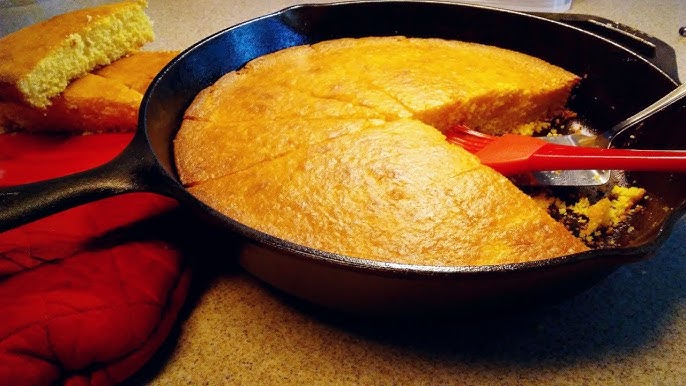
Skillet Cornbread Recipe: There’s just something magical about pulling a golden-brown, crispy-edged cornbread out of a sizzling hot skillet. It’s nostalgic, it’s comforting, and let’s be honest—it’s delicious. Whether you’re from the South or simply a lover of good home-cooked food, skillet cornbread deserves a place in your recipe book. This isn’t your average boxed mix either. We’re talking rustic, golden, fluffy-inside, crunchy-outside perfection—all made with simple pantry staples.
In this guide, we’re going to walk you through everything you need to know about making the best skillet cornbread ever. From the ingredients you’ll need to every little step of the process, you’ll end up with a go-to recipe that never fails. Let’s heat up that skillet and get cooking!
Why Skillet Cornbread Is a Must-Try
If you’ve never made cornbread in a cast iron skillet before, you’re in for a real treat. Skillet cornbread has a few serious advantages over oven-baked versions in pans or muffin tins.
First, there’s the texture. A hot skillet gives the cornbread a crispy, buttery crust that you simply can’t get any other way. The contrast between the crunchy edges and the soft, moist interior is absolute heaven. Then there’s the flavor—cooking it in cast iron adds a subtle depth and rustic vibe that just screams home-cooked comfort food.
Skillet cornbread is also incredibly versatile. You can serve it with chili, barbecue, soups, or even breakfast dishes. You can make it savory or slightly sweet, throw in some cheese, jalapeños, or bacon—the possibilities are endless. Plus, it comes together super quickly, making it perfect for weeknight meals or last-minute gatherings.
What Makes Skillet Cornbread Different From Regular Cornbread?
You might be wondering, “Isn’t all cornbread the same?” Not quite.
What sets skillet cornbread apart is the cooking method. Traditional cornbread recipes often use baking dishes or muffin pans. While those can be good, they lack the crispy, golden-brown bottom and edges that only a hot, preheated skillet can give.
When you pour the batter into a smoking-hot skillet coated in butter or oil, the bottom of the cornbread starts cooking instantly. This quick sear creates that classic crust that fans rave about. It’s similar to the difference between grilled cheese on a cold pan versus one that’s already hot—you just get better results.
Also, skillet cornbread tends to bake more evenly thanks to cast iron’s heat retention. It holds warmth well, keeping your cornbread piping hot long after it comes out of the oven.
Essential Tips Before You Start Baking
Before you dive into the recipe, here are a few tips that can really level up your skillet cornbread game:
- Use a cast iron skillet. It’s key for that crispy edge.
- Preheat the skillet. Don’t skip this step—it helps with even cooking and the signature crust.
- Don’t overmix the batter. Mix just until combined. Overmixing makes it dense.
- Use buttermilk if you can. It adds a tangy richness that milk alone won’t.
- Let the batter rest. Letting it sit for 5-10 minutes allows the cornmeal to absorb the liquids.
- Serve warm. Cornbread is best when fresh and warm with butter melting on top.
Ingredients You’ll Need
Getting your ingredients right is the foundation of a great cornbread. Here’s everything you’ll need:
Dry Ingredients
- 1 cup cornmeal (medium grind for texture)
- 1 cup all-purpose flour
- 1 tablespoon baking powder
- ½ teaspoon baking soda
- ½ teaspoon salt
- 1–2 tablespoons sugar (optional, depending on your sweetness preference)
Wet Ingredients
- 2 large eggs
- 1½ cups buttermilk (or whole milk with 1 tbsp vinegar)
- ¼ cup melted unsalted butter (plus more for skillet)
- ¼ cup vegetable oil (helps with moisture)
Optional Add-ins for Flavor
- ½ cup shredded cheddar cheese
- 1 jalapeño, finely chopped
- ¼ cup cooked bacon bits
- 1 small can of sweet corn (drained)
These extras aren’t necessary, but they can give your cornbread a fun twist.
Choosing the Right Skillet for Cornbread
Let’s talk cookware. Not all skillets are created equal when it comes to cornbread. The gold standard? A 9- to 10-inch cast iron skillet.
Cast iron holds heat better than aluminum or nonstick pans. That even heat is crucial for achieving the golden crust. It also naturally seasons over time, making it more nonstick with every use.
If you don’t have cast iron, use a heavy ovenproof skillet. But keep in mind: you might not get the exact same crispy results.
Tip: Never wash your cast iron with soap. Just scrub it with hot water and dry it immediately to maintain the seasoning.
Step-by-Step Guide to Making Skillet Cornbread
Let’s get into the good stuff! Here’s how to make skillet cornbread from scratch.
Step 1: Preheat Your Oven and Skillet
Set your oven to 425°F (220°C). Place your cast iron skillet in the oven as it heats up. This is crucial—a hot skillet is what gives the cornbread that amazing crust. Let it preheat for at least 10 minutes.
Step 2: Mix Dry Ingredients
In a large mixing bowl, whisk together:
- 1 cup cornmeal
- 1 cup all-purpose flour
- 1 tbsp baking powder
- ½ tsp baking soda
- ½ tsp salt
- 1–2 tbsp sugar (optional)
Make sure everything is well combined. You want a consistent mix so every bite is balanced.
Step 3: Combine Wet Ingredients
In another bowl, whisk:
- 2 eggs
- 1½ cups buttermilk
- ¼ cup melted butter
- ¼ cup oil
Whisk until fully blended. This step ensures your batter mixes evenly later.
Step 4: Mix Wet and Dry Ingredients Together
Now, gently pour the wet mix into the dry ingredients. Stir just until combined—don’t overdo it! It’s okay if a few small lumps remain. Overmixing creates tough, dry cornbread.
Let the batter rest for 5–10 minutes while you prep the skillet.
Step 5: Prepare the Skillet with Butter or Oil
Carefully remove your hot skillet from the oven. Drop in 1 tablespoon of butter or oil and swirl it around to coat the bottom and sides. It should sizzle immediately.
That sizzling butter? That’s what forms the cornbread’s crisp base.
Step 6: Pour Batter into the Hot Skillet
Pour the rested batter into the hot skillet. You’ll hear a gentle sizzle as it hits the pan—music to your ears!
Spread it evenly with a spatula, but don’t overwork it.
Step 7: Bake Until Golden Brown
Place the skillet back in the oven and bake for 20–25 minutes. The cornbread is ready when the top is golden and a toothpick inserted in the center comes out clean.
The edges should pull slightly from the pan—another good sign it’s done.
Step 8: Let It Cool Slightly Before Serving
Once baked, let your cornbread cool in the skillet for 5–10 minutes. This resting time lets it finish cooking and makes slicing easier.
Then slice it up like a pie and serve warm with butter, honey, or your favorite spread.
Best Ways to Serve Skillet Cornbread
Cornbread is one of those sides that can easily steal the spotlight. While it’s perfect on its own, fresh out of the skillet with a pat of melting butter, there are so many delicious ways to serve it.
Classic Combos
- With Chili: Nothing beats a bowl of hearty chili with a slice of warm cornbread to mop up the last bite.
- Southern Barbecue: Serve it with pulled pork, ribs, or smoked brisket for the ultimate Southern comfort combo.
- Alongside Soups and Stews: Cornbread is perfect for dipping into thick, savory stews or creamy soups like potato, chicken, or gumbo.
Sweet Style
- Drizzle honey or maple syrup over a slice for a dessert-like treat.
- Serve with apple butter or fruit preserves for a breakfast or brunch twist.
Creative Serving Ideas
- Turn leftover cornbread into croutons by cutting into cubes, brushing with oil, and toasting in the oven.
- Make a cornbread stuffing for Thanksgiving or any cozy meal.
- Top it with a fried egg and avocado for a Southern-inspired breakfast.
The beauty of skillet cornbread is its adaptability—dress it up or keep it simple, it’s always a crowd-pleaser.
How to Store and Reheat Cornbread
Skillet cornbread is best enjoyed fresh, but if you have leftovers, don’t worry—it stores and reheats well with a few tricks.
Storing Leftovers
- Let the cornbread cool completely before storing.
- Wrap it tightly in foil or plastic wrap.
- Store at room temperature for up to 2 days or in the fridge for up to 5 days.
Freezing Cornbread
- Wrap individual slices in plastic wrap, then place in a freezer-safe bag or container.
- Freeze for up to 3 months.
- To reheat, thaw overnight in the fridge or reheat from frozen in the oven.
Best Reheating Methods
- Oven: Wrap in foil and warm at 350°F for 10–15 minutes.
- Skillet: Reheat slices in a buttered skillet over low heat for crispy edges.
- Microwave: Not the best for texture, but fine for quick reheating. Wrap in a damp paper towel to keep it moist.
Pro tip: A pat of butter while reheating can restore moisture and add flavor.
Common Mistakes to Avoid
Even though cornbread is simple, there are a few mistakes that can ruin the texture or flavor. Avoid these pitfalls:
1. Using a Cold Skillet
If your skillet isn’t hot enough, you won’t get that golden, crisp crust. Always preheat it for at least 10 minutes before adding the batter.
2. Overmixing the Batter
Cornbread should be tender and slightly crumbly, not tough. Stir just until the wet and dry ingredients are combined. Overmixing activates the gluten in the flour and makes it dense.
3. Not Enough Fat
Fat = flavor and moisture. Don’t skimp on the butter or oil in the recipe—or in the skillet before baking.
4. Baking Too Long
Overbaked cornbread gets dry quickly. Keep an eye on it, and test with a toothpick once the top is golden brown.
5. Too Much Sugar
Cornbread isn’t cake. While a little sugar can enhance flavor, too much can overpower the savory corn taste—especially if you’re pairing it with chili or meats.
Avoid these mistakes, and you’ll have perfectly fluffy, golden cornbread every time.
Gluten-Free or Vegan Variations
Want to make skillet cornbread gluten-free or plant-based? No problem. Here are a few simple substitutions to suit different dietary needs:
Gluten-Free Cornbread
- Use gluten-free flour in place of all-purpose flour.
- Bob’s Red Mill 1-to-1 Baking Flour is a great option.
- Make sure your cornmeal is labeled gluten-free (some brands can be cross-contaminated).
Vegan Cornbread
- Replace buttermilk with non-dairy milk (like almond or oat milk) + 1 tbsp vinegar or lemon juice.
- Use flax eggs instead of regular eggs (1 tbsp ground flaxseed + 3 tbsp water per egg).
- Swap the butter for vegan butter or coconut oil.
The texture may vary slightly, but with the right balance, you can still get that fluffy interior and crispy edge—no eggs or dairy needed!
What to Serve With Cornbread
Cornbread pairs beautifully with both hearty meals and lighter dishes. Here are some ideas to round out your meal:
Savory Pairings
- Chili: Meat or veggie, it’s a perfect match.
- Barbecue: Think ribs, pulled pork, or grilled chicken.
- Soups and Stews: Chicken stew, lentil soup, or vegetable chowder.
- Greens: Collard greens or sautéed spinach with garlic.
- Beans: Southern-style black-eyed peas or baked beans.
Sweet Pairings
- Whipped honey butter
- Fresh fruit and yogurt
- Jams and preserves
Whether you’re going for cozy comfort food or a light brunch, cornbread can play both sweet and savory roles with ease.
Expert Tips for Fluffy, Crispy-Edged Cornbread
Want to level up your cornbread game even further? Here are some expert tips that make a big difference:
- Preheat the skillet longer than you think. 10–15 minutes ensures it’s blazing hot.
- Use full-fat buttermilk. It adds a tangy flavor and extra moisture.
- Add creamed corn or corn kernels for texture and sweetness.
- Grate some cheddar cheese into the batter for a richer taste.
- Sprinkle a little cornmeal into the hot skillet before pouring in the batter—it adds extra crunch to the crust.
- Let the batter rest before baking. This gives the cornmeal time to absorb the liquid, leading to a more cohesive crumb.
If you follow these tips, you’ll be making cornbread like a pro in no time.
FAQs about Skillet Cornbread Recipe
1. Can I use milk instead of buttermilk in cornbread?
Yes, you can, but the flavor and texture may not be the same. You can make a quick substitute by adding 1 tablespoon of vinegar or lemon juice to 1 cup of milk and letting it sit for 5 minutes.
2. What if I don’t have a cast iron skillet?
You can use an ovenproof baking dish, but you might not get the same crispy edges. A heavy, preheated metal pan is the next best option.
3. Can I make cornbread ahead of time?
Absolutely! Cornbread can be baked a day in advance. Just store it tightly wrapped, and reheat in the oven or a skillet to bring back the texture.
4. Why is my cornbread dry?
Dry cornbread usually means it was overbaked or didn’t have enough fat. Be sure to use the right amount of butter or oil, and don’t overbake it.
5. Can I freeze skillet cornbread?
Yes! Wrap individual slices in plastic wrap and store in a freezer-safe bag for up to 3 months. Reheat in the oven or a toaster oven for best results.
Conclusion
Skillet cornbread is more than just a side dish—it’s a tradition, a comfort food, and a crowd favorite. With its crispy crust, soft interior, and endless possibilities for customization, it’s the kind of recipe that becomes a staple in any kitchen. Whether you’re serving it up with a pot of chili on a cold day or adding it to your next barbecue spread, this recipe delivers every time.
Now that you’ve got the step-by-step guide and pro tips, there’s nothing stopping you from making the best skillet cornbread of your life. Grab that cast iron, gather your ingredients, and let the deliciousness begin.