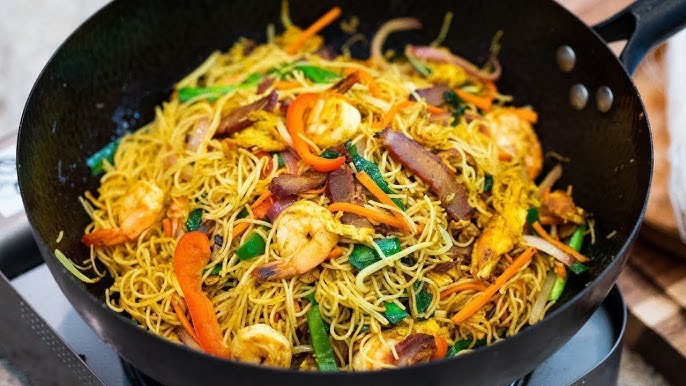
Singapuri Noodles Recipe: Ever craved something spicy, tangy, and absolutely irresistible? That’s where Singapuri Noodles come in! These vibrant, stir-fried noodles are a staple in Indo-Chinese cuisine and loved by foodies across the globe. Despite the name, they’re not directly from Singapore but have become a popular street-style dish in India and across Southeast Asia.
This dish brings together the best of everything: heat from chilies, a touch of sweetness from sauces, the umami kick of soy and vinegar, and the crunch of fresh vegetables. Whether you’re cooking for a quick dinner, packing lunch, or impressing guests at a gathering, Singapuri noodles are a no-fail option.
History of Singapuri Noodles
Let’s get one thing straight—Singapuri noodles didn’t actually originate in Singapore. In fact, they’re more of a fusion recipe that combines the bold, punchy flavors of Indian spices with the structured techniques of Chinese stir-fry cooking. Over time, Indian street food vendors adapted the classic Singapore noodle concept by giving it their own spicy twist.
The name likely came about to sound exotic and global, and it stuck. These noodles represent a beautiful cultural exchange—East meets South Asia in a bowl of stir-fried goodness. It’s believed that Indian-Chinese cuisine found popularity in Kolkata, and from there, dishes like Singapuri noodles spread across the country and beyond.
What Makes Singapuri Noodles Unique?
So, what’s the big deal? Unlike classic chow mein or plain stir-fried noodles, Singapuri noodles are all about layers of flavor. They’re spicy, yes, but also have a tangy punch from vinegar and the umami of soy. A mix of colorful vegetables adds not only crunch but also sweetness and texture.
Here’s what makes them stand out:
- Bold spice profile – Red chilies, green chilies, and sometimes chili sauce
- Savory and sweet balance – Thanks to soy, vinegar, and sometimes tomato ketchup
- Fusion ingredients – Indian masala meets Chinese stir-fry sauces
- High heat stir-frying – Quick cooking retains crunch and color
List of Ingredients You’ll Need
Let’s get right into the good stuff—your grocery list. These ingredients are easy to find in most local stores or Asian supermarkets.
Vegetables
- 1 cup thinly sliced cabbage
- 1 medium carrot, julienned
- 1/2 green bell pepper, sliced
- 1/2 red bell pepper, sliced
- 1/2 cup spring onions (separate whites and greens)
- 1 small onion, sliced
- Optional: Mushrooms, baby corn, beansprouts
Proteins (Optional)
- 1/2 cup cooked shredded chicken
- 1/2 cup small prawns, deveined
- 1/2 cup tofu or paneer cubes for a vegetarian option
- 2 eggs, scrambled (optional)
Noodles Type
- 200g Hakka noodles or thin egg noodles
- Optional: Use whole wheat noodles or rice noodles for a twist
Sauces & Spices
- 2 tablespoons soy sauce
- 1 tablespoon green chili sauce
- 1 tablespoon red chili sauce (adjust to taste)
- 1 teaspoon vinegar
- 1 teaspoon tomato ketchup (optional, adds a touch of sweetness)
- 1/2 teaspoon black pepper
- 1/2 teaspoon red chili powder or paprika
- Salt to taste
- 2 tablespoons oil (preferably sesame or vegetable oil)
Ingredient Substitutions and Alternatives
Need to tweak the recipe for dietary preferences or allergies? No problem.
- Gluten-Free: Swap regular noodles with gluten-free rice noodles or soba noodles.
- No Soy: Use coconut aminos or tamari instead of soy sauce.
- Low-Spice: Skip the chili sauces and reduce red chili powder.
- No MSG Needed: This recipe brings flavor without any added MSG.
Kitchen Tools Required
Before diving into the recipe, make sure your kitchen is ready for action.
- Large wok or deep frying pan (for stir-frying)
- Knife and chopping board (for all that slicing and dicing)
- Strainer (for noodles)
- Tongs or spatula
- Mixing bowls
Optional but useful:
- Julienne peeler (for carrots and peppers)
- Lid (to steam certain veggies)
Step-by-Step Guide to Make Singapuri Noodles
Let’s walk through the whole process, step by step, so you can make restaurant-style Singapuri noodles at home—even if you’re a beginner.
Step 1: Prepare All Ingredients
Slice vegetables such as bell peppers, cabbage, carrots, and onions into thin strips. Prep proteins like shrimp, chicken, or tofu by cutting them into bite-size pieces. Beat an egg if you plan to scramble it in. Keep everything nearby for quick cooking.
Step 2: Boil the Noodles
Cook thin rice noodles or egg noodles in boiling water just until tender. Do not overcook, as they will cook more in the pan later. Drain and rinse briefly under cold water to stop cooking and prevent sticking.
Step 3: Stir-Fry the Vegetables and Proteins
Heat oil in a large wok or pan. Stir-fry proteins first until cooked through, then set aside. Add a little more oil if needed and toss in onions, carrots, and peppers. Cook on high heat so they stay crisp yet tender.
Step 4: Mix in the Sauces and Spices
Return proteins to the pan. Add curry powder, soy sauce, and a splash of oyster sauce or chili sauce if you like heat. Stir to coat ingredients evenly and release aroma.
Step 5: Toss Noodles and Combine Everything
Add noodles to the wok and gently toss with tongs so they absorb the sauce without breaking. Make sure vegetables and proteins are distributed evenly throughout.
Step 6: Final Garnishing
Garnish with sliced green onions, lime wedges, or sesame seeds. Serve hot and enjoy your flavorful Singapuri noodles.
Tips for Perfect Singapuri Noodles
Want to make your noodles taste like they’re straight from a street stall or restaurant? Here are some pro tips:
- Cook on high flame: Always stir-fry on high heat to lock in flavors.
- Don’t overboil noodles: Slightly undercooked noodles work better as they continue cooking in the wok.
- Use a wok if you can: The shape helps distribute heat and flavors more evenly.
- Balance your sauces: Adjust spice, salt, and tang as per your taste.
- Add sauce directly to the veggies: This ensures that your flavors are absorbed into everything—not just coating the noodles.
Avoid these common mistakes:
- Letting veggies get mushy
- Skipping oil when boiling noodles
- Using cold pan or low heat to stir-fry
Master these, and you’re golden.
Nutritional Information
Here’s a rough idea of the nutritional breakdown per serving (assuming 2 servings total):
| Nutrient | Amount (per serving) |
|---|---|
| Calories | 450–550 kcal |
| Protein | 12–18g (depends on protein used) |
| Carbohydrates | 60–70g |
| Fat | 15–20g |
| Fiber | 4–6g |
Note: These values can vary depending on your ingredients, portions, and cooking style.
Singapuri Noodles Variations
Want to switch it up? Try these exciting versions:
With Chicken
- Add thinly sliced boneless chicken.
- Marinate with a pinch of salt, pepper, and soy sauce for 10 minutes.
- Stir-fry before adding vegetables.
With Prawns
- Use small, cleaned prawns.
- Add during the veggie stir-fry stage and cook until pink and curled.
Vegetarian/Vegan Style
- Skip meat and eggs.
- Use tofu or extra vegetables like broccoli, baby corn, or zucchini.
- Vegan sauces make it completely plant-based.
Feel free to make your own remix based on whatever you have at home.
Serving Suggestions
Singapuri noodles are a complete meal on their own, but you can elevate your meal by pairing them with:
- Manchurian balls (veg or chicken)
- Chili paneer
- Spring rolls
- Hot and sour soup
- Fried rice for a combo meal
Presentation Tips:
- Serve in a deep bowl or plate.
- Garnish with sesame seeds, spring onion greens, or a lemon wedge.
- Add chili oil drizzle for that restaurant flair.
How to Store Leftovers
Made too much? No problem. Here’s how to store and reheat like a pro.
Refrigeration:
- Let the noodles cool completely.
- Store in an airtight container.
- Lasts up to 3 days in the fridge.
Reheating:
- Use a microwave or reheat in a pan with a splash of water or soy sauce.
- Stir constantly to prevent sticking or drying out.
Avoid Freezing: The texture of the noodles can break down and become mushy when thawed.
Kids-Friendly Version
Cooking for little ones? Here’s how to make it kid-approved:
- Skip the chili sauces and red chili powder.
- Use only ketchup and soy sauce for a mild flavor.
- Add sweet corn or peas to make it colorful.
- Use small, bite-sized veggie cuts or spiral-cut carrots for fun.
You can even let kids help with tossing (under supervision). They’ll love being part of the kitchen crew.
Singapuri Noodles for Meal Prep
Meal prepping? Singapuri noodles are a great option.
- Pre-chop veggies and store them in air-tight containers in the fridge.
- Boil and oil noodles in advance; store separately.
- Mix sauces in a jar and keep ready to pour.
Just assemble and stir-fry when needed. You’ll have a delicious meal ready in under 10 minutes.
FAQs about Singapuri Noodles Recipe
1. Can I use spaghetti instead of noodles?
Yes! If you don’t have Hakka or egg noodles, spaghetti works in a pinch. Just cook it al dente, rinse with cold water, and toss it with a bit of oil before stir-frying.
2. Is Singapuri noodles a spicy dish?
Typically, yes—but it’s very easy to adjust. Use less chili sauce and powder if you prefer it mild. For kids or spice-sensitive eaters, skip the heat entirely.
3. Can I make Singapuri noodles without soy sauce?
Absolutely. While soy sauce adds umami flavor, you can substitute with tamari (for gluten-free), coconut aminos, or even a light splash of Worcestershire sauce in a pinch.
4. What vegetables work best in this recipe?
Classic choices include cabbage, carrots, bell peppers, onions, and spring onions. You can also add mushrooms, baby corn, beansprouts, or even zucchini for variety.
5. How long can I store leftover Singapuri noodles?
Store them in an airtight container in the fridge for up to 3 days. Reheat in a pan with a splash of water or soy sauce to bring them back to life. Avoid freezing them as the texture may turn mushy.
Conclusion
There you have it—a full, flavorful, and foolproof guide to making Singapuri Noodles right in your own kitchen. From the sizzling aroma of stir-fried veggies to the perfectly spiced sauces clinging to every strand of noodle, this dish is a total crowd-pleaser. It’s colorful, satisfying, and endlessly customizable to your taste and dietary preferences.
So the next time that craving hits, skip the delivery apps—grab your wok, gather your ingredients, and stir-fry your way to noodle bliss.
And hey—don’t be afraid to get creative. The beauty of this recipe lies in its versatility. Add your favorite veggies, switch up the sauces, turn up (or down) the heat, and truly make it your own.