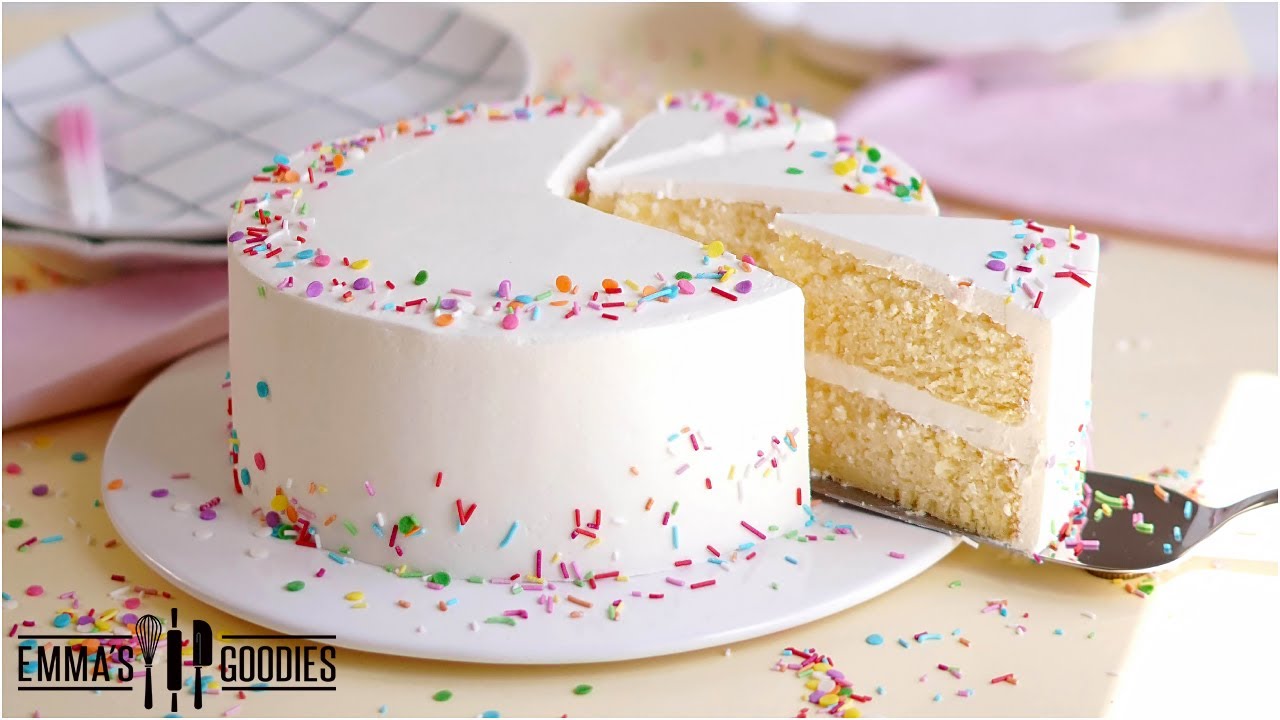
Simple Vanilla Cake Recipe: Vanilla cake holds a special place in almost every home baker’s heart. It’s like the little black dress of the baking world—timeless, versatile, and perfect for any occasion. Whether it’s a birthday, wedding, casual tea time, or just a craving for something sweet, vanilla cake delivers. What makes it stand out isn’t just the subtle, aromatic flavor of vanilla, but also its ability to pair perfectly with almost any frosting or filling—from rich chocolate ganache to light fruit compote. Unlike more complex flavors, vanilla provides a soft and familiar taste that appeals to both kids and adults. It’s a reliable go-to that never fails to satisfy.
What You’ll Learn from This Guide
In this step-by-step guide, you’ll learn how to make a moist, fluffy, and delicious vanilla cake from scratch using everyday ingredients. You don’t need to be a seasoned baker to get this right—we’ll walk through everything from prepping your pans to frosting tips. Plus, I’ll include pro tips that help avoid common baking pitfalls, ensuring your vanilla cake turns out bakery-perfect every time.
Ingredients for Simple Vanilla Cake
Dry Ingredients
The base of your vanilla cake lies in its dry ingredients. Here’s what you’ll need:
- 2 ½ cups (310g) all-purpose flour – Gives structure to the cake.
- 2 ½ tsp baking powder – Helps the cake rise and become fluffy.
- ½ tsp salt – Enhances the flavor and balances sweetness.
Make sure to sift your flour and other dry ingredients to avoid lumps and ensure even distribution.
Wet Ingredients
Moisture and richness come from these:
- 1 cup (225g) unsalted butter, room temperature – Provides flavor and tenderness.
- 1 ¾ cups (350g) granulated sugar – Sweetens and helps with structure.
- 4 large eggs, room temperature – Adds moisture and binds ingredients.
- 1 tbsp pure vanilla extract – The star of the show.
- 1 cup (240ml) whole milk, room temperature – Keeps the cake moist and creamy.
Using room-temperature ingredients helps create a smooth, even batter that bakes beautifully.
Optional Add-ins
Want to get creative? Here are some fun extras:
- Vanilla bean seeds for a gourmet twist.
- Lemon or orange zest for a citrusy zing.
- Sprinkles or chopped nuts for added texture and flair.
Tools You’ll Need
Baking Essentials
Before diving into the recipe, gather these tools:
- Mixing bowls (at least two)
- Electric hand mixer or stand mixer
- Measuring cups and spoons
- Rubber spatula
- 9-inch round cake pans (2)
- Cooling rack
- Parchment paper
These tools will make your baking process smoother and more efficient.
Measuring Accurately
Baking is a science, and precision is key. Always use the spoon-and-level method for measuring flour and sugar. Scoop the ingredient into your measuring cup with a spoon, then level it off with a knife. Avoid scooping directly with the cup as it can lead to over-measuring.
Step-by-Step Instructions
Step 1 – Preheat and Prepare Your Pans
Start by preheating your oven to 350°F (175°C). Line the bottom of your cake pans with parchment paper and lightly grease the sides with butter or non-stick spray. This step ensures your cake comes out clean and intact, without sticking or crumbling.
Step 2 – Mix Dry Ingredients
In a medium bowl, whisk together the flour, baking powder, and salt. This helps to distribute the leavening agent evenly and avoid any bitter clumps in the final bake. Set aside this mixture for later.
Step 3 – Cream Butter and Sugar
In a large mixing bowl, beat the butter and sugar together on medium-high speed for about 3-4 minutes until the mixture becomes pale, fluffy, and creamy. This process incorporates air into the batter, which results in a lighter cake texture. Don’t rush it—creaming is one of the most important steps for a soft crumb.
Step 4 – Add Eggs and Vanilla
Crack in the eggs one at a time, beating well after each addition. This helps the batter emulsify properly. Then add the vanilla extract and continue to beat for another minute until fully combined. The mixture should look smooth and silky at this point.
Step 5 – Combine Wet and Dry Ingredients
Now comes the alternating method: Add a third of the flour mixture, then half of the milk, and repeat—ending with the last third of the flour. Mix on low speed just until everything is incorporated. Overmixing can result in a dense, tough cake, so keep it gentle and precise.
Step 6 – Pour Batter and Bake
Once your batter is ready, divide it evenly between the two prepared cake pans. Use a spatula to smooth the tops and tap the pans lightly on the counter to release any trapped air bubbles.
Place them in the center of the preheated oven and bake for 30 to 35 minutes. The cakes are done when a toothpick inserted into the center comes out clean or with just a few moist crumbs. Another way to check is by lightly pressing the top of the cake—if it springs back, it’s ready.
Resist the urge to open the oven door too early. Opening it before the 25-minute mark can cause your cake to collapse. If you’re using dark pans or baking at altitude, start checking around the 28-minute mark to avoid overbaking.
Step 7 – Cool and Frost
Once baked, remove the cakes from the oven and allow them to cool in their pans for about 10 to 15 minutes. Then, carefully transfer them onto a wire rack to cool completely. Never frost a warm cake—it’ll melt your frosting and create a mess.
For frosting, you can go simple or fancy. A classic vanilla buttercream pairs wonderfully, but chocolate ganache, whipped cream, or even fresh fruit toppings can elevate the flavor. Make sure the cakes are fully cooled before layering or decorating to prevent sliding or melting.
Tips for the Best Vanilla Cake
Ingredient Temperature Matters
One of the secrets to a perfect vanilla cake lies in the temperature of your ingredients. Always use room temperature butter, eggs, and milk. Cold ingredients don’t blend well and can cause the batter to curdle. When everything is the same temperature, the batter mixes evenly and bakes consistently.
If you forget to leave ingredients out in advance, here’s a quick trick: Cut butter into small cubes to warm faster, place eggs in warm water for 5–10 minutes, and microwave milk in short bursts (5 seconds at a time) until it’s lukewarm—not hot.
Don’t Overmix the Batter
Once you add the dry ingredients to the wet mixture, mix just until combined. Overmixing at this stage activates the gluten in the flour, which can make your cake dense and chewy instead of soft and tender. The goal is to incorporate everything smoothly without excessive stirring.
Another helpful tip is to scrape down the sides of your bowl as you mix, so no pockets of flour or butter remain at the bottom.
Serving and Storing Vanilla Cake
Best Ways to Serve
A slice of vanilla cake is delightful on its own, but you can elevate your presentation in several ways:
- Add a scoop of vanilla ice cream on the side.
- Drizzle with caramel or chocolate sauce.
- Serve with fresh berries and whipped cream.
- Layer with jam or curd between the cakes for a fruity surprise.
Vanilla cake also makes a great base for trifle desserts or cake pops if you’re working with leftovers or extra slices.
How to Store for Freshness
To keep your vanilla cake fresh:
- Store at room temperature in an airtight container for up to 3 days.
- If frosted with perishable toppings (like whipped cream or cream cheese frosting), refrigerate it. Cover the cake with plastic wrap or store it in a cake carrier.
- For longer storage, wrap unfrosted layers tightly in plastic wrap and freeze for up to 3 months. Thaw at room temperature before frosting or serving.
Keeping your cake airtight is crucial—it prevents it from drying out and absorbing odors from the fridge or freezer.
FAQs about Simple Vanilla Cake Recipe
Can I use this recipe for cupcakes?
Absolutely! This recipe makes about 24 standard cupcakes. Reduce the baking time to 18–22 minutes and check with a toothpick for doneness.
How do I make the cake more moist?
Try adding sour cream or yogurt (about ¼ cup) to the batter for extra moisture. Also, don’t overbake—keep an eye on the oven as it nears the 30-minute mark.
Can I make this cake gluten-free?
Yes! Substitute the all-purpose flour with a 1:1 gluten-free flour blend. Make sure it includes xanthan gum for best texture and structure.
What kind of frosting goes best with vanilla cake?
Classic choices include vanilla buttercream, chocolate ganache, or cream cheese frosting. Fresh fruit compote or whipped cream also pair wonderfully for a lighter option.
Can I freeze vanilla cake?
Definitely. Wrap unfrosted cake layers tightly in plastic wrap and aluminum foil, then freeze for up to 3 months. Thaw completely before decorating or serving.
Conclusion
Making a simple vanilla cake from scratch is one of the most rewarding baking projects. It’s straightforward, forgiving, and endlessly customizable. From birthdays and celebrations to everyday treats, a homemade vanilla cake brings comfort and joy with every bite. With this detailed step-by-step guide, you now have everything you need to bake a cake that’s fluffy, moist, and full of rich vanilla flavor. So grab your mixing bowls, preheat your oven, and bake your heart out!