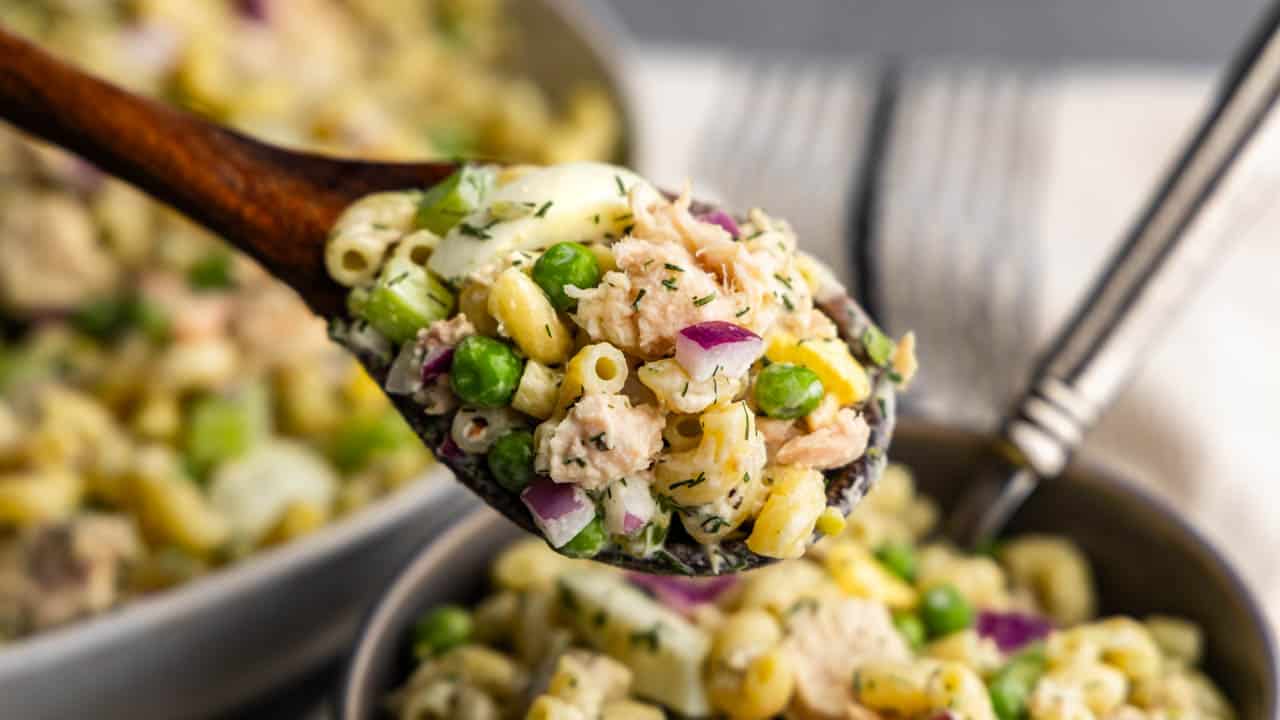
Simple Tuna Salad Recipe: Tuna salad is one of those rare dishes that hits the perfect trifecta—it’s easy to make, incredibly versatile, and packed with flavor. Whether you’re throwing together a quick lunch or prepping for a week of healthy meals, this simple tuna salad recipe is a kitchen lifesaver. You can whip it up in under 10 minutes with ingredients you likely already have at home. No fuss, no fancy cooking techniques—just honest, delicious food.
This dish is more than just tuna and mayo. It’s about balance—creamy, crunchy, savory, and sometimes even a little tangy. From workday lunches to post-workout refuels, tuna salad is a go-to that never goes out of style. And the best part? You can make it exactly how you like it. Want more crunch? Add extra celery. Prefer it spicy? A dash of hot sauce does the trick. Let’s walk through how to make the perfect tuna salad from scratch.
Ingredients You’ll Need
For the most basic and classic version of tuna salad, you’ll need just a handful of ingredients—each one playing an essential role in taste and texture. Here’s a list of everything you’ll need:
Main Ingredients:
- 2 cans of tuna (5 oz each), preferably in water
- 1/4 cup mayonnaise
- 1 tablespoon Dijon mustard
- 1 stalk celery, finely chopped
- 1/4 red onion, finely chopped
- Salt and pepper to taste
- 1 teaspoon lemon juice (optional for brightness)
You can also toss in some extras based on your preference:
- Chopped pickles or relish for tang
- Boiled eggs for added protein
- A dash of paprika or cayenne for spice
- A touch of Greek yogurt for a lighter version
What makes this recipe so great is that you can customize it without needing a grocery trip. The base ingredients are simple pantry staples, and the add-ons just make it even more personal.
Tools and Utensils Required
Before diving into the prep, make sure you’ve got these basic tools on hand. You don’t need anything fancy—just the usual kitchen suspects:
- A medium mixing bowl
- A can opener
- A fork (for flaking the tuna)
- A sharp knife
- A cutting board
- Measuring spoons
These tools help streamline the process. You can use a food processor if you’re short on time and want everything finely chopped, but manually chopping ingredients gives the salad more texture and bite. Plus, it adds a homemade touch you can taste in every bite.
Step-by-Step Instructions
Step 1 – Drain and Prep the Tuna
Start by opening your cans of tuna and draining out all the excess liquid. Whether it’s packed in water or oil, you want it as dry as possible so your salad doesn’t turn soggy. Use the can lid to press down and squeeze out all the liquid, or a fine mesh strainer if you prefer.
Once drained, use a fork to break up the tuna into smaller flakes. This helps it blend evenly with the rest of the ingredients and gives your salad a better texture.
Step 2 – Chop and Dice Veggies
While your tuna is draining, grab your celery and red onion. Finely dice both—small enough that they distribute evenly in the salad, but still big enough to add a satisfying crunch. If you’re adding extras like pickles or hard-boiled eggs, dice those now as well.
This step is where your tuna salad gains personality. The veggies bring in color, crunch, and flavor. If you’re prepping in advance, consider soaking your onions in a little lemon juice to mellow out their bite.
Step 3 – Mix the Dressing
In a separate small bowl, stir together your mayonnaise, Dijon mustard, and lemon juice. Add salt and pepper to taste. This combo creates a creamy, slightly tangy dressing that coats the tuna and ties everything together.
Some people like it mayo-heavy, while others prefer it dry and flaky. If you’re not sure how creamy you want it, start with less and add more as you go.
Step 4 – Combine Everything
Now for the fun part—mix it all together! In your large mixing bowl, combine the flaked tuna, chopped veggies, and dressing. Stir until everything is well combined and coated in that delicious sauce.
Taste and adjust the seasoning as needed. Want more zip? Add more mustard. Too thick? A spoonful of Greek yogurt or a splash of vinegar can thin it out while adding flavor.
Step 5 – Chill Before Serving
While you can eat your tuna salad right away, it really shines after it’s had a bit of time to chill. Pop it in the fridge for at least 30 minutes. This allows the flavors to meld and the texture to firm up a bit, making each bite even more satisfying.
Serving Suggestions
One of the best things about tuna salad is how versatile it is. You can eat it straight out of the bowl with a spoon, or elevate it into a full meal. Here are some creative and classic ways to enjoy your freshly made tuna salad:
Classic Sandwich Style
Slap a generous scoop of tuna salad between two slices of your favorite bread—white, whole wheat, rye, or even a crusty baguette. Add a slice of tomato, a few lettuce leaves, and maybe a slice of cheese for a traditional, satisfying sandwich. If you’re feeling fancy, toast the bread or grill it panini-style for extra crunch.
Low-Carb Lettuce Wraps
Trying to cut down on carbs? Swap out the bread for large lettuce leaves. Romaine or butter lettuce works best because they’re sturdy and crisp. Simply spoon some tuna salad into a leaf, roll it up like a taco, and enjoy a fresh, light meal that’s keto-friendly and gluten-free.
Over a Crisp Green Salad
Tuna salad also makes a great protein-packed topping for a garden salad. Toss some mixed greens, cherry tomatoes, cucumbers, and carrots together, then add a hearty scoop of tuna salad right on top. You don’t even need dressing—just a drizzle of olive oil and vinegar will do.
You can also serve it on crackers, stuffed into bell peppers, or even on top of a baked potato for something a bit more indulgent. The possibilities are endless, and every version feels like a brand-new meal.
Storage Tips and Shelf Life
Tuna salad keeps surprisingly well if stored properly. Once you’ve made your batch, transfer it to an airtight container and place it in the fridge. It will stay fresh for about 3 to 4 days. That makes it perfect for meal prep or grab-and-go lunches during the week.
Avoid leaving it out at room temperature for more than 2 hours. Mayo-based salads can spoil quickly if not kept cold. If you’re packing it for lunch, consider using an insulated lunchbox with a cold pack.
You might notice the salad gets a bit watery after a day or two—that’s normal. Just give it a quick stir before serving to redistribute the moisture and flavors.
Customizing Your Tuna Salad
The beauty of tuna salad lies in its flexibility. While the classic version is delicious, adding a few unique twists can turn it into something even more exciting. Here are some flavor-boosting variations:
Spicy Kick
If you like heat, mix in some chopped jalapeños or a dash of hot sauce. Sriracha or chipotle mayo can also bring a smoky, spicy flavor. Sprinkle in a bit of cayenne pepper or crushed red pepper flakes to really turn up the heat.
Mediterranean Twist
For a Mediterranean-style tuna salad, skip the mayo and use olive oil as the base. Add chopped kalamata olives, sun-dried tomatoes, red onion, and crumbled feta cheese. Fresh herbs like parsley or oregano can brighten it up even more.
Avocado Creaminess
Substitute half (or all) of the mayo with mashed avocado. It makes the salad ultra creamy and adds a nutritional boost of healthy fats and fiber. Squeeze in some lime juice and toss in diced tomatoes and cilantro for a guacamole-inspired version.
Nutritional Benefits
Tuna salad isn’t just tasty—it’s also packed with nutritional perks. Tuna is an excellent source of lean protein, essential for muscle repair and overall health. It’s rich in omega-3 fatty acids, which support heart and brain health. Plus, it contains important vitamins and minerals like vitamin D, B12, and selenium.
Here’s a rough nutritional breakdown per serving (1/2 cup):
- Calories: 180-250 (depending on mayo quantity)
- Protein: 20-25g
- Fat: 10-15g
- Carbohydrates: 1-3g
Using light mayo or Greek yogurt can help lower the fat content, while adding veggies boosts the fiber and vitamin levels. It’s a smart, filling option for anyone looking to eat better without sacrificing flavor.
FAQs about Tuna Salad Recipe
1. Can I freeze tuna salad?
It’s not recommended. The mayo can separate and turn watery after thawing, affecting the texture and flavor. It’s best enjoyed fresh or within a few days of making.
2. What type of tuna should I use?
Canned tuna in water is the leanest option, while tuna in oil is richer and more flavorful. Albacore is meatier and mild, whereas skipjack has a stronger taste.
3. Can I make it dairy-free?
Absolutely! Most classic tuna salad recipes are already dairy-free. Just double-check if you’re using any additions like yogurt or cheese.
4. How do I make it more kid-friendly?
Use milder flavors, skip the onions, and serve it in fun ways—like mini sliders or as a filling in pita pockets. Add a touch of sweet relish to appeal to younger taste buds.
5. Is tuna salad good for weight loss?
Yes, especially when made with light mayo or Greek yogurt. It’s high in protein and low in carbs, making it a great option for low-calorie, high-satiety meals.
Final Thoughts
Tuna salad is the ultimate comfort food that doesn’t require any fuss. It’s quick, easy, and endlessly customizable. Whether you’re meal prepping, feeding a crowd, or just whipping up a solo lunch, this dish never disappoints. You can keep it classic or get creative with bold flavors and textures. Either way, once you find your perfect combo, it’s bound to become a staple in your weekly rotation.