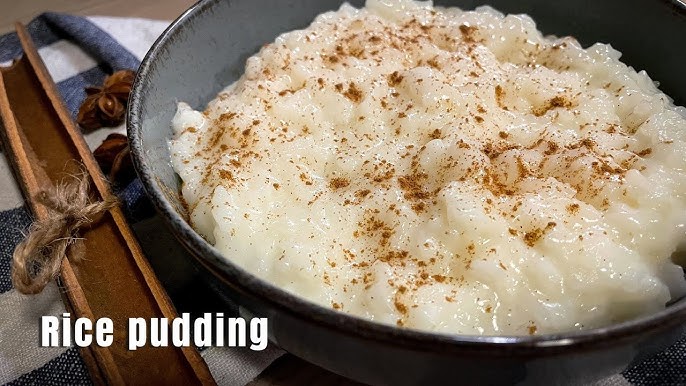
Simple Rice Pudding Recipe: Ah, rice pudding—a nostalgic dish that seems to bring comfort with every spoonful. Whether you’re reminiscing about grandma’s cooking or looking for an easy dessert that doesn’t require a trip to the grocery store, rice pudding is a humble favorite that delivers creamy sweetness with minimal fuss. Known around the globe in various forms, this dish brings together simple pantry staples—rice, milk, and sugar—to create a cozy, heartwarming dessert.
So, why is rice pudding so beloved? For one, it’s incredibly adaptable. Whether you like it hot or cold, sweet or spiced, it’s a recipe that bends to your taste. From the smooth custard-style American version to the aromatic Indian kheer, rice pudding offers something for everyone. It’s budget-friendly, requires little kitchen experience, and you can whip it up in under an hour.
In this guide, we’ll walk you through a classic rice pudding recipe step by step, with tips, tricks, and variations to make it your own. Let’s get into it!
Ingredients You’ll Need
Before we get into the method, let’s look at what you’ll need. The beauty of rice pudding lies in its simplicity—you likely already have most of these items at home.
Main Ingredients:
- 1 cup white rice (short or medium-grain is best)
- 4 cups whole milk (or any milk of choice)
- 1/2 cup granulated sugar
- 1/4 teaspoon salt
- 1 teaspoon vanilla extract
These ingredients form the foundation of our classic rice pudding. The milk brings richness, the rice provides texture, and sugar adds that signature sweetness.
Optional Add-Ins:
Want to spice it up a little? Here are some optional ingredients that can take your pudding to the next level:
- 1/2 teaspoon cinnamon or nutmeg
- 1/4 cup raisins or dried cranberries
- 1 tablespoon butter (adds richness)
- Zest of one lemon or orange (for a citrusy twist)
- 1 egg yolk (for a custard-like finish)
The add-ins are entirely optional, but they allow you to customize the flavor profile. Whether you’re aiming for cozy spiced or refreshingly citrus, you can tweak the ingredients to match your mood.
Kitchen Tools You’ll Need
While rice pudding doesn’t demand fancy kitchen gadgets, having the right tools on hand makes the process smoother and more enjoyable.
Basic Cooking Equipment:
- Medium to large saucepan: Choose one with a heavy bottom to prevent burning.
- Wooden spoon or silicone spatula: You’ll be stirring a lot, so comfort and durability are key.
- Measuring cups and spoons: Precision helps ensure consistency.
Helpful Tools for Best Results:
- Fine mesh strainer: For rinsing the rice, which helps remove excess starch.
- Ladle or serving spoon: Makes transferring and portioning easier.
- Serving bowls or ramekins: Presentation matters, especially when you’re entertaining.
These tools are probably already in your kitchen, and if not, they’re affordable and versatile additions.
Preparing the Ingredients
Even though rice pudding is simple, a little prep work goes a long way in making it smooth, creamy, and perfectly sweet.
Washing and Selecting the Right Rice:
Start by choosing a rice variety. Short-grain or medium-grain rice is best because it’s starchy and creates a creamier texture. Arborio (used in risotto) or even sushi rice works well. Avoid long-grain rice like basmati or jasmine unless you’re going for a lighter texture.
Rinse the rice under cold water until the water runs clear. This removes excess starch and prevents the pudding from turning too gluey.
Prepping Dairy and Flavorings:
If you’re using whole milk, there’s no need to do much—but for thicker pudding, consider reducing a portion of the milk before adding it to the rice. Have your sugar measured and set aside. If you’re using an egg yolk for extra richness, beat it lightly in a bowl so it’s ready to temper later.
Now that everything is prepped and ready, it’s time to get cooking.
Step-by-Step Instructions
Let’s break down the cooking process into simple, digestible steps. Follow these, and you’ll have a perfect pot of rice pudding in no time.
Step 1: Cooking the Rice
In a heavy-bottomed saucepan, add your rinsed rice and 2 cups of water. Bring it to a boil over medium heat, then reduce to a simmer. Cook the rice for about 10-12 minutes, or until most of the water is absorbed and the rice is just tender.
Don’t worry if it’s not fully cooked yet—it will continue to soften as it simmers in the milk later on. Stir occasionally to prevent sticking.
Step 2: Adding the Milk
Once the rice is partially cooked, add the 4 cups of milk and stir well. Keep the heat on medium-low and allow the mixture to come to a gentle simmer. It’s important not to let the milk boil—this can cause it to curdle or form a skin.
If you’re adding spices like cinnamon or citrus zest, now’s the time to toss them in. Stir regularly to prevent the milk from scalding.
Step 3: Simmer and Stir
Now comes the patience part. Once your milk and rice mixture is gently simmering, keep it going for about 30 to 40 minutes, stirring every few minutes. This is where the magic happens—the rice absorbs the milk, thickens, and transforms into a creamy, dreamy pudding.
The trick? Stir frequently. Not constantly, but enough to keep the rice from sticking to the bottom of the pan or forming clumps. Use a wooden spoon or silicone spatula, scraping the bottom and sides of the pan.
As the mixture cooks down, you’ll notice it becoming thicker. If you want a very creamy texture, you can add a splash of milk occasionally if it starts to thicken too fast. Remember, rice pudding continues to thicken as it cools, so aim for a slightly looser texture than your final desired consistency.
Step 4: Sweeten the Pudding
Once the pudding has thickened and the rice is soft, it’s time to stir in your sugar and salt. Add them slowly while stirring, allowing the sugar to dissolve and infuse into the pudding.
Taste as you go—everyone has a different sweet tooth level. If you’re adding raisins, toss them in now so they can plump up in the hot pudding.
For those adding an egg yolk (to give the pudding a custard-like finish), temper the yolk first. Take a spoonful of hot pudding and whisk it into the yolk in a separate bowl. Then slowly add that back into the pot while stirring quickly. This keeps the egg from scrambling.
Step 5: Add Final Flavors and Serve
Remove your saucepan from the heat and stir in the vanilla extract. This step adds a deep, comforting aroma and rounds out the flavor perfectly. If you like, you can also add a knob of butter for extra richness.
Let the pudding sit for 5-10 minutes to settle and thicken a bit more before serving.
Serving Options:
- Serve warm with a dusting of cinnamon.
- Chill for a few hours and serve cold for a refreshing treat.
- Top with sliced bananas, toasted nuts, or a dollop of whipped cream.
Whether you serve it fresh or chilled, this pudding hits the spot every time.
Tips for the Perfect Rice Pudding
Making rice pudding is simple, but a few insider tips can take your dessert from decent to divine.
1. Choose the Right Rice
As mentioned earlier, short or medium-grain rice works best. It gives the pudding a soft, creamy texture. Long-grain rice tends to remain separate and doesn’t yield the same results. If you have Arborio rice (used in risotto), it’s actually fantastic for this dish.
2. Don’t Rush the Simmer
Low and slow is the mantra. Rushing the cooking process can cause the milk to scorch or the rice to be undercooked. Keep it on a gentle simmer and stir often to avoid sticking or burning.
3. Stir with Purpose
Don’t just swirl it around. Use your spoon to scrape the sides and bottom of the pan to keep the pudding moving and ensure even cooking. The frequent stirring also helps activate the rice starches, making the pudding creamier.
4. Customize to Your Taste
Add raisins, dried cranberries, shredded coconut, or chopped nuts for texture. Flavor it with cinnamon, nutmeg, cardamom, or citrus zest for a twist. Want a chocolate version? Stir in some cocoa powder or chocolate chips at the end.
5. Don’t Overdo the Sugar
You can always add more sugar, but you can’t take it out once it’s in. Start small, taste, and adjust. If serving with sweet toppings like jam or caramel, go easy on the sugar in the pudding itself.
Variations of Rice Pudding
The classic version is wonderful, but rice pudding is incredibly versatile. Here are a few exciting variations to try:
Vegan Rice Pudding
Swap dairy milk for coconut milk, almond milk, or oat milk, and replace the sugar with maple syrup or agave. Skip the egg yolk and butter. The result? A creamy, plant-based pudding that doesn’t skimp on flavor.
Coconut Milk Rice Pudding
For a tropical twist, use coconut milk in place of regular milk. It adds a rich, fragrant note that pairs beautifully with lime zest, toasted coconut flakes, or mango chunks.
Indian Kheer
This is the Indian cousin of rice pudding. It’s made with basmati rice, full-fat milk, sugar, and cardamom, often garnished with sliced almonds and pistachios. Kheer is a festive, aromatic version that’s typically served chilled.
Each variation has its own charm, and once you master the base recipe, the possibilities are endless.
Serving Suggestions
So you’ve got your rice pudding ready—now how should you serve it?
Hot vs. Cold
Some love it warm right out of the pot, others prefer it chilled from the fridge. If serving hot, garnish with cinnamon, nutmeg, or a drizzle of honey. If serving cold, pair it with fresh fruit, a sprinkle of toasted coconut, or even a spoonful of jam.
Topping Ideas:
- Fresh berries or banana slices
- Crushed nuts like pistachios or almonds
- Caramel or dulce de leche drizzle
- A dollop of whipped cream
- A dusting of cocoa powder or cinnamon
Presentation goes a long way, especially if you’re serving guests. Use individual ramekins or elegant glasses for a touch of sophistication.
Storage and Reheating Tips
Rice pudding stores surprisingly well, making it an excellent make-ahead dessert or snack. But to keep that creamy texture and rich flavor intact, you’ll need to follow a few smart storage tips.
Storing Leftover Rice Pudding
Once your pudding has cooled to room temperature, transfer it into an airtight container. You can store it in the fridge for up to 4 to 5 days. If you’ve added perishable toppings like fresh fruit or whipped cream, it’s best to store those separately and add them just before serving.
Always store pudding in shallow containers so it cools quickly and evenly, reducing the risk of bacterial growth. Also, avoid leaving it out at room temperature for more than two hours, especially if dairy-based.
Reheating Tips
When reheating, place your rice pudding in a saucepan with a splash of milk or cream to loosen it up. Heat gently over low to medium heat, stirring often to prevent sticking or scorching.
Prefer using a microwave? No problem. Add a little milk, cover loosely, and heat in 30-second intervals, stirring in between until warmed through. Avoid overheating, as this can cause the milk to curdle or the pudding to dry out.
If you prefer your rice pudding cold, just take it out of the fridge and let it sit at room temp for a few minutes before enjoying. It often thickens in the fridge, so stir in a bit of milk if needed.
FAQs about Simple Rice Pudding Recipe
1. Can I use leftover rice for rice pudding?
Absolutely! Leftover rice is a great time-saver. Just skip the first step of cooking the rice and jump straight to simmering it with milk. You may need to adjust the amount of liquid depending on the rice’s texture.
2. Is rice pudding gluten-free?
Yes, rice pudding is naturally gluten-free—as long as you don’t add any gluten-containing ingredients. Always check your flavorings and toppings to be sure they’re gluten-safe.
3. How long does rice pudding last in the fridge?
Rice pudding lasts 4 to 5 days in the refrigerator if stored properly in an airtight container. Just stir in a bit of milk before reheating or serving to restore its creamy consistency.
4. Can I freeze rice pudding?
Technically, yes. But freezing can change the texture, making it grainy or watery when thawed. If you do freeze it, let it cool completely first, portion it into airtight containers, and freeze for up to 3 months. Thaw in the fridge overnight and reheat gently with added milk.
5. What type of rice is best for rice pudding?
Short or medium-grain rice works best. Arborio, sushi rice, or even pudding rice (if available) creates that creamy texture. Avoid long-grain rice unless you prefer a more separate, chewy consistency.
Conclusion
There you have it—a full-proof, comforting, and versatile rice pudding recipe that anyone can master. Whether you’re making it for a cozy night in, a sweet treat after dinner, or as a nostalgic dessert to share with family and friends, this classic dish never fails to deliver warmth and satisfaction.
Whatever direction you take, remember the fundamentals: gentle simmering, the right rice, and frequent stirring. With that foundation, your pudding will be delicious every time.
So what are you waiting for? Grab that saucepan and turn a handful of ingredients into a bowl of creamy, soul-soothing perfection. You’re going to love every bite.