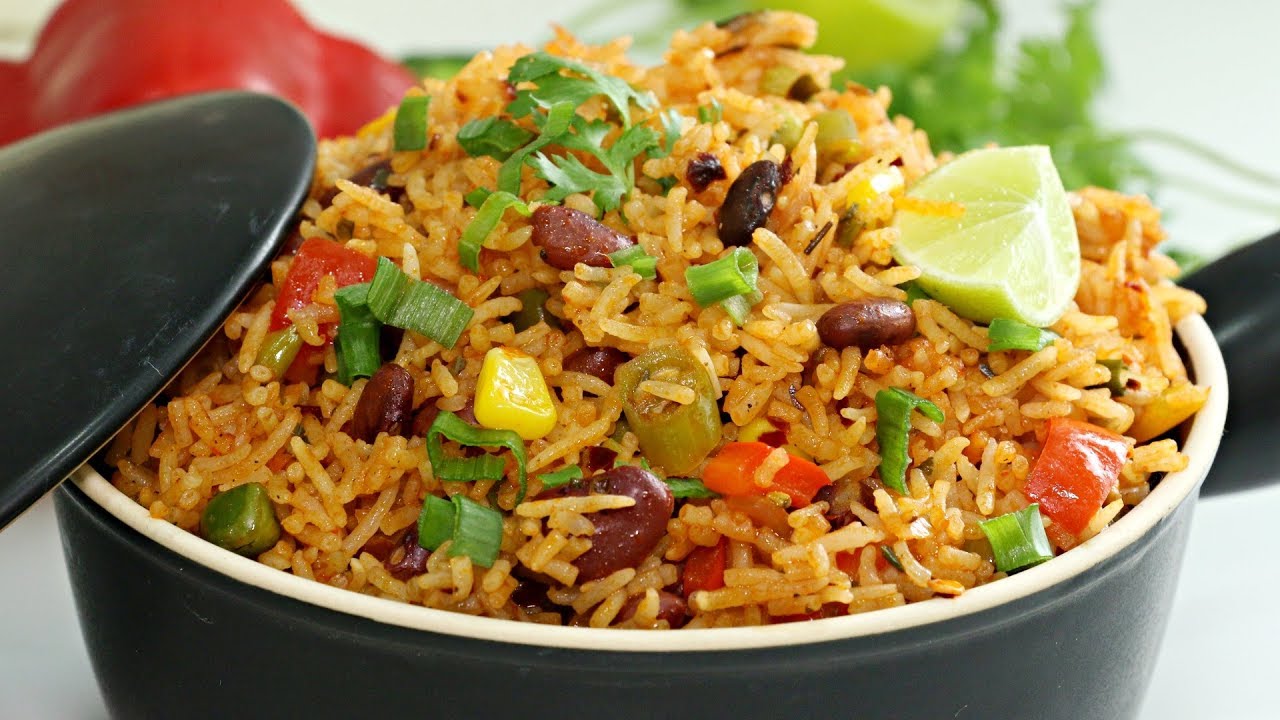
Simple Mexican Rice Recipe: Mexican rice, also known as Spanish rice, is a flavorful and colorful side dish that’s a staple in Mexican and Tex-Mex meals. It’s not just a simple rice dish—it’s a beautifully balanced blend of long-grain rice, tomatoes, garlic, onions, and rich spices. Its vibrant red-orange hue and slightly smoky aroma make it an irresistible companion to tacos, enchiladas, burritos, or even grilled meats.
Unlike plain white rice, Mexican rice is all about character and flavor. What makes it stand out? The toasting of the rice, the tomato-based broth, and the careful balance of seasoning. Whether you’re preparing a Mexican feast or just want to upgrade your dinner side dish, this rice adds a punch of taste and authenticity to your table.
In this article, you’ll get a full breakdown of everything you need—from the ingredients and tools to detailed cooking steps, insider tips, and ways to store it. So let’s dive into this kitchen-friendly guide that turns ordinary rice into something extraordinary.
Ingredients You’ll Need
Basic Ingredients
The charm of Mexican rice lies in its simplicity. You don’t need fancy or expensive ingredients—just the right combination of pantry staples. Here’s what you’ll need for a classic version:
- 1 cup long-grain white rice (Jasmine or Basmati works great)
- 2 tablespoons vegetable oil (or any neutral oil)
- 1 medium onion, finely chopped
- 2 cloves garlic, minced
- 2 medium tomatoes, blended (or 1/2 cup canned tomato sauce)
- 1 3/4 cups chicken broth (substitute with vegetable broth for vegetarian)
- Salt to taste
- 1/4 teaspoon cumin (optional but recommended for depth)
That’s it! With just a few items, you’re ready to whip up something that feels far more elaborate than it is.
Optional Add-ins for Flavor Enhancement
If you want to get a bit fancy or adjust to your personal taste, here are some optional ingredients you can throw in:
- 1/4 cup frozen peas or corn for a bit of sweetness
- 1 small diced carrot for texture
- A pinch of chili powder if you like a bit of heat
- Fresh cilantro for garnish
- A squeeze of lime juice to brighten the dish at the end
These additions are optional but can really elevate your rice and tailor it to your preferences. Mexican rice is flexible—treat it as a canvas and paint it with your favorite flavors.
Kitchen Tools Required
Essential Cooking Equipment
Before you start cooking, make sure you have the right tools ready:
- Medium saucepan with a lid – A non-stick or heavy-bottomed pan works best to prevent sticking and burning.
- Blender or food processor – To puree fresh tomatoes for that rich base.
- Wooden spoon or spatula – For stirring the rice without breaking it.
- Measuring cups and spoons – Precision matters in rice dishes.
These basic tools are enough to get the job done efficiently.
Tips on Choosing the Right Pan
Why does the pan matter so much? A heavy-bottomed saucepan retains heat evenly, preventing hot spots that might burn the rice. You want a snug-fitting lid too, to trap steam and cook the rice through without drying it out. Non-stick pans are helpful, but not mandatory—just make sure you monitor the heat closely if you’re using stainless steel or cast iron.
Step-by-Step Instructions to Make Mexican Rice
Step 1: Rinse and Soak the Rice
Start by rinsing the rice under cold water until the water runs clear. This step removes excess starch and helps prevent clumping. If you have time, soak the rice for 10–15 minutes to improve texture—this helps the grains stay separate and fluffy after cooking.
Step 2: Toasting the Rice for Flavor
Heat oil in a saucepan over medium heat. Add the rinsed, drained rice and toast it for about 5–7 minutes, stirring constantly. You’re looking for a golden brown color and a nutty aroma—this step brings out a deep, slightly roasted flavor that makes Mexican rice so distinctive.
Step 3: Blending the Tomato Sauce
While the rice is toasting, blend your fresh tomatoes with a bit of onion and garlic until smooth. You can also just mix in store-bought tomato sauce if you’re short on time. Add the blended mixture into the pan once the rice is toasted.
Cook for another 2–3 minutes to let the tomato base infuse the rice with flavor.
Step 4: Simmering to Perfection
Add in the chicken broth, cumin, salt, and any other spices or vegetables you want to include. Bring it to a gentle boil, then reduce the heat to low and cover the pan.
Let the rice simmer for about 18–20 minutes without lifting the lid. Once done, remove from heat and let it sit covered for another 5 minutes. This resting period lets the moisture distribute evenly.
Fluff with a fork and serve hot. You now have perfect, restaurant-style Mexican rice right at home!
Tips for Perfect Mexican Rice
Common Mistakes to Avoid
Even though Mexican rice is relatively easy to make, a few missteps can result in soggy, undercooked, or bland rice. Here are the most common mistakes people make—and how to avoid them:
- Skipping the Toasting Step
Toasting isn’t just a fancy extra—it’s critical. If you skip this step, your rice won’t develop that deep, nutty flavor or golden color. Always toast until golden brown. - Using Too Much Liquid
Rice needs a balanced liquid-to-rice ratio. Adding too much broth or tomato sauce can leave your rice mushy. Stick to 1 3/4 cups of liquid per 1 cup of rice, especially when using long-grain varieties. - Stirring Too Much After Adding Liquid
Once you’ve added your liquid and brought it to a boil, resist the urge to stir. Stirring breaks the grains and turns the dish gluey. Let it simmer gently on low heat, covered. - Lifting the Lid Too Soon
Tempting as it is to peek, don’t! Lifting the lid lets steam escape and interrupts the cooking process. Keep that lid on for the full 18–20 minutes, and let it sit afterward. - Underseasoning the Rice
Since rice is naturally bland, you must season it well. Salt, cumin, garlic, and onion go a long way in developing rich, complex flavor. Taste your broth before adding it—if it’s flavorful, your rice will be too.
Avoiding these pitfalls ensures fluffy, flavorful, and well-cooked rice every time.
How to Store and Reheat
Leftovers? Mexican rice stores beautifully and reheats without losing its texture—if you do it right.
- Storing: Let the rice cool completely before transferring it to an airtight container. It will keep in the refrigerator for up to 4 days.
- Freezing: Want to keep it longer? Portion it out into freezer-safe bags or containers. Flatten the bags for easy stacking and label them with the date. Mexican rice can last up to 3 months in the freezer.
- Reheating: Reheat in a microwave-safe bowl, adding a splash of water or broth to keep it from drying out. Cover with a lid or damp paper towel and heat in 30-second intervals, stirring in between. You can also reheat on the stove over low heat with a bit of added moisture and a lid on.
Doing this will bring your rice back to life—steamy, fluffy, and delicious as if it were freshly cooked.
Serving Suggestions for Mexican Rice
Pairing with Main Dishes
Mexican rice is incredibly versatile and pairs well with a variety of dishes. Whether you’re cooking up a weeknight meal or a festive feast, it effortlessly complements proteins, vegetables, and more. Here are some top pairing ideas:
- Tacos: Add Mexican rice as a side to classic beef, chicken, or veggie tacos.
- Burritos & Enchiladas: Serve it alongside—or even inside—these rolled favorites for extra texture and taste.
- Grilled Meats: Perfect with grilled chicken, steak, or carne asada.
- Fajitas: Pair it with sizzling chicken or beef fajitas and roasted peppers.
- Seafood: It works wonderfully with shrimp, grilled fish, or even fish tacos.
- Vegetarian Dishes: Black bean bowls, stuffed peppers, and veggie stir-fry get a hearty boost with this rice.
You can also serve it as a standalone bowl topped with fried egg, avocado slices, salsa, or even shredded cheese for a quick, delicious meal.
Presentation Tips for Added Appeal
Make your rice look as good as it tastes. Here’s how:
- Use a small bowl or ramekin to shape the rice before serving for a professional, restaurant-style mound.
- Garnish with fresh cilantro and a squeeze of lime to enhance freshness and color.
- Top with sliced avocado, diced tomatoes, or even jalapeño slices for added visual and flavor interest.
Presentation elevates the dish and makes it even more inviting.
Nutritional Value of Mexican Rice
Is Mexican Rice Healthy?
Mexican rice can absolutely be part of a healthy diet—especially when you control what goes into it. Let’s break down its nutritional profile:
- Calories: A typical serving (about 1 cup) has around 200–250 calories.
- Carbohydrates: Around 35–45g, making it a good source of energy.
- Protein: About 4–6g depending on the broth and additions.
- Fat: With just 2–3 tablespoons of oil, the fat content is moderate (around 6–8g).
- Fiber: Tomatoes, onion, garlic, and optional vegetables add a bit of fiber to the dish.
To make it even healthier:
- Use brown rice instead of white for more fiber and minerals.
- Choose low-sodium broth or homemade to control salt content.
- Add vegetables like carrots, peas, or zucchini to boost nutrition.
Mexican rice is as healthy as you make it—and it can fit into most diets with minimal tweaks.
Variations of Mexican Rice
Regional Twists and Flavor Profiles
Mexican rice isn’t one-size-fits-all. Depending on where you are in Mexico—or even in the U.S.—you might encounter some interesting regional tweaks. Here are a few popular variations:
- Spanish Rice: Often used interchangeably with Mexican rice, Spanish rice typically includes saffron or paprika and sometimes more garlic and herbs.
- Green Mexican Rice (Arroz Verde): Made using green chilies, spinach, or cilantro blended with broth. It has a bright green color and herbaceous taste.
- Tomatillo Rice: Uses tomatillos instead of red tomatoes, giving the rice a tangy and slightly sour edge.
- Yucatecan Rice: May include achiote paste, giving it a deep red color and earthy taste.
Each variation adds a unique spin, so don’t hesitate to experiment and find your personal favorite.
FAQs about Simple Mexican Rice Recipe
1. Can I use brown rice instead of white rice?
Yes, you can. Just be sure to adjust the cooking time and liquid amount. Brown rice typically needs more water and a longer simmer—about 40–45 minutes.
2. Why is my Mexican rice mushy?
Too much liquid or overcooking can cause mushiness. Use the correct rice-to-liquid ratio and avoid lifting the lid while it’s cooking.
3. Can I make it in a rice cooker or Instant Pot?
Absolutely! For a rice cooker, toast the rice separately and then combine everything in the cooker. For the Instant Pot, sauté directly in the pot and use the “Rice” or “Manual” setting for best results.
4. What’s the difference between Spanish rice and Mexican rice?
They’re quite similar, but Spanish rice often includes saffron, giving it a different flavor and color. Mexican rice uses tomatoes, cumin, and sometimes chili for a bolder, smokier profile.
5. How can I make it vegan?
Just use vegetable broth instead of chicken broth. All other ingredients are naturally plant-based.
Conclusion
Mexican rice is one of those magical dishes that combines simplicity with big, bold flavor. Whether you’re serving it alongside tacos or as part of a full Mexican spread, it delivers every time. With just a few pantry staples, some toasting, and a little simmering, you can turn basic rice into a dish that brings warmth and color to any meal. Play with spices, mix in your favorite veggies, and make it your own. Trust me—once you try it homemade, you’ll never go back to the boxed version.