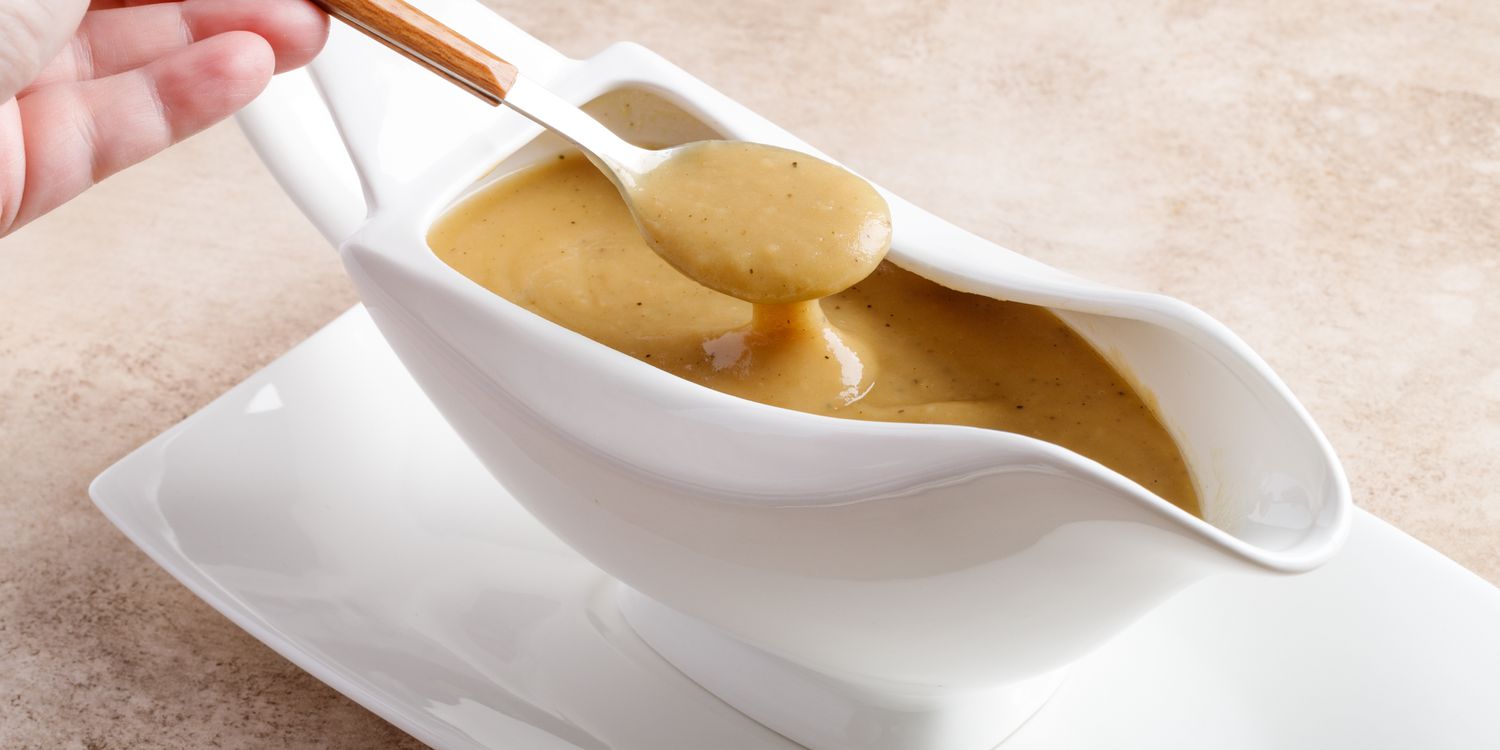
Simple Gravy Recipe: Gravy is one of those humble kitchen miracles that can turn a regular meal into something extraordinary. At its core, gravy is a sauce made from fat, flour, and a liquid like stock or milk. It’s typically poured over mashed potatoes, meats, stuffing, or even fries, adding richness and depth to your plate. Whether it’s served at Thanksgiving, Christmas, or just a cozy Sunday dinner, gravy is often the unsung hero of comfort food.
Gravy can vary widely depending on the ingredients and the cuisine. From creamy white sausage gravy in the South to dark, rich onion gravy in British dishes, it’s a versatile staple that belongs in every cook’s repertoire.
Why Make Gravy from Scratch?
There’s a world of difference between homemade gravy and the kind that comes from a jar or packet. Making it from scratch gives you complete control over flavor, consistency, and ingredients—no preservatives, no additives, just pure comfort food. Plus, it’s surprisingly simple and only takes a few minutes.
You can tailor it to your dish, whether you’re serving roasted chicken, turkey, pork chops, or even biscuits. Once you master the basic technique, you can experiment and build variations that will leave your family asking for more.
Ingredients Needed for a Basic Gravy
Pantry Staples for Gravy
The beauty of gravy lies in its simplicity. Most of the time, you already have everything you need right in your kitchen. Here are the basic ingredients:
- Fat: Typically, butter or drippings from roasted meat like turkey, chicken, or beef.
- Flour: All-purpose flour is commonly used as the thickening agent.
- Liquid: Broth (chicken, beef, or vegetable), stock, or even milk can be used depending on the flavor profile you want.
- Salt and Pepper: Essential for seasoning.
These four ingredients are all you need for a classic gravy, and you can whip them up in under 15 minutes.
Optional Add-ins for Extra Flavor
While the basics are great, you can enhance your gravy by adding:
- Onions or Garlic: Sautéed before adding flour for a deeper flavor.
- Herbs: Fresh thyme, rosemary, or sage add complexity.
- Worcestershire Sauce or Soy Sauce: Just a splash deepens the umami flavor.
- Cream: For a richer, creamier gravy.
- White or Red Wine: A small amount can boost depth and aroma.
These extras aren’t necessary, but if you’ve got them, they can take your gravy from good to unforgettable.
Step-by-Step Instructions to Make Gravy
Step 1 – Gather Ingredients and Tools
Before you begin, make sure you have all your tools ready. You’ll need:
- A medium saucepan
- A whisk (a must-have to avoid lumps)
- Measuring spoons
- A heat-resistant spatula or wooden spoon
Set out your fat (butter or drippings), flour, and broth. Warm the broth slightly so it blends more easily with the roux.
Step 2 – Make a Roux
A roux is the foundation of most gravies. It’s a mixture of fat and flour that thickens the sauce. Here’s how to make it:
- Melt 2 tablespoons of butter (or fat from your roast) in a saucepan over medium heat.
- Once the butter is melted and bubbling, whisk in 2 tablespoons of flour.
- Stir continuously until the mixture becomes a smooth paste and turns a light golden brown (about 2–3 minutes).
This step cooks out the raw flour taste and begins building flavor.
Step 3 – Add Liquid and Whisk
Now comes the transformation. Gradually pour in 2 cups of warm broth while whisking constantly. The roux will initially seize up but keep whisking—soon it’ll smooth out into a silky sauce.
- Tip: Add the broth slowly to prevent lumps.
- Keep whisking until the mixture thickens, about 5–7 minutes.
This is the heart of the gravy-making process, where it really starts to come together.
Step 4 – Simmer and Season
Once your gravy is smooth and thick, reduce the heat to low and let it simmer for a few more minutes. This allows the flavors to develop.
Season with:
- Salt
- Freshly ground black pepper
- Optional herbs or seasonings of your choice
Taste as you go—this is your chance to make the gravy truly yours.
Tips for Perfect Gravy Every Time
How to Avoid Lumps
Lumpy gravy is probably the most common complaint, but it’s totally avoidable with a few simple tricks:
- Use a whisk: Never use a spoon when mixing the flour into the fat. A whisk ensures everything blends evenly.
- Add liquid slowly: Pour your broth in small increments, whisking continuously before adding more.
- Warm your broth: Cold liquid added to a hot roux can seize up and cause clumps.
- Strain if necessary: If you still get lumps, don’t panic—just run the gravy through a fine mesh strainer to smooth it out.
Remember, patience is your best friend. Don’t rush this part, and you’ll be rewarded with velvety, lump-free gravy every time.
Balancing Flavor and Thickness
Ever had gravy that was too thick or thin? Or tasted either bland or overpowering? Balancing flavor and texture is key.
Thickness Tips:
- For thicker gravy, simmer longer or add a cornstarch slurry (1 tbsp cornstarch + 2 tbsp water).
- For thinner gravy, just add a splash more broth or milk until it reaches the desired consistency.
Flavor Boosters:
- Use salt sparingly, especially if your broth is already salted.
- Add a splash of acid like lemon juice or vinegar if it tastes flat.
- Mix in umami-rich ingredients like soy sauce, miso paste, or Worcestershire to deepen the flavor.
Taste test along the way—it’s not just okay, it’s essential.
Gravy Variations
Turkey Gravy
The king of holiday sauces, turkey gravy uses pan drippings from the roasted bird.
- After roasting, skim the fat from the turkey drippings.
- Use those drippings in place of butter for a rich, flavorful base.
- Add turkey or chicken broth and follow the same roux method.
- A splash of white wine or cream can add elegance.
This gravy pairs perfectly with mashed potatoes, stuffing, and even leftover turkey sandwiches.
Onion Gravy
A British favorite, onion gravy is the perfect companion for sausages or roast beef.
- Start by caramelizing 2 large onions in butter until deep golden brown (about 20 minutes).
- Add flour and create a roux right in the onion mixture.
- Slowly whisk in beef broth and let it simmer until thick and savory.
You get a slightly sweet, incredibly rich gravy that adds depth to any meat dish—or even mashed potatoes.
Vegetarian Gravy
No meat? No problem. You can make a delicious vegetarian gravy that even meat-eaters will love.
- Use butter or olive oil as your fat.
- Sauté onions, garlic, and mushrooms for that umami kick.
- Add flour and make a roux.
- Use vegetable broth instead of meat broth.
- Season with soy sauce, herbs, and a touch of balsamic vinegar for complexity.
This gravy is ideal for plant-based diets and is just as satisfying.
Common Mistakes and How to Fix Them
Too Thin or Too Thick?
Finding the right texture is a balancing act. If your gravy ends up:
- Too thin: Simmer it longer to reduce or stir in a small slurry of cornstarch and water. Just 1 teaspoon of cornstarch mixed with 2 teaspoons of water can thicken up a cup of gravy.
- Too thick: Add more broth, milk, or water gradually while whisking to loosen it up.
Always adjust slowly. It’s easier to thin out thick gravy than to fix a runny mess.
Lumpy or Bland?
If your gravy is:
- Lumpy: Strain it! A fine mesh sieve can be your best friend.
- Bland: Boost flavor with bouillon, soy sauce, Worcestershire sauce, garlic powder, onion powder, herbs, or a splash of cream.
Tasting is key—don’t be afraid to tweak things as you go. A pinch here, a splash there, and suddenly your gravy sings.
How to Store and Reheat Gravy
Gravy stores beautifully and can be made ahead—perfect for busy holidays.
Storing Tips:
- Let it cool completely before refrigerating.
- Store in an airtight container for up to 4 days in the fridge.
- For longer storage, freeze in portions for up to 3 months.
Reheating Tips:
- Reheat over medium-low heat on the stove, whisking to restore smoothness.
- Add a bit of broth or water if it’s too thick.
- Microwave in 30-second bursts, stirring between each.
Freezing works best for gravies without dairy. Creamy gravies may separate a bit when thawed but usually come back together with some gentle whisking and added liquid.
FAQs about Simple Gravy Recipe
Can I freeze homemade gravy?
Yes! Let it cool, then store in freezer-safe containers for up to 3 months. Just avoid freezing cream-based gravies if possible.
What’s the best flour to use?
All-purpose flour works perfectly. For gluten-free versions, try cornstarch or rice flour.
Can I make gravy without meat drippings?
Absolutely! Use butter or oil as the fat and vegetable or store-bought broth for the liquid.
How long does gravy last in the fridge?
Stored in an airtight container, it’s good for up to 4 days.
How do I fix salty gravy?
Add a splash of cream or unsalted broth, or toss in a small peeled potato to absorb some salt as it simmers—just remember to remove it before serving.
Conclusion
Gravy doesn’t have to be intimidating or complicated. With just a few basic ingredients and a little technique, you can create a homemade sauce that turns any meal into a celebration. From traditional turkey gravy to vegetarian versions, the options are endless—and the flavor is always worth it. Whether you’re prepping for the holidays or just want to make dinner extra cozy, mastering this simple gravy recipe is a must for every home cook.