Simple Bolognese Recipe: Bolognese isn’t just another pasta sauce. It’s a comforting, hearty, and rich dish that’s packed with tradition. Originating from Bologna, Italy, this meat-based sauce—locally known as ragù alla Bolognese—has warmed tables for centuries. Imagine a slow-cooked blend of ground meat, aromatic vegetables, crushed tomatoes, and a splash of wine bubbling gently on the stove. Sounds like heaven, right?
Whether you’re looking to impress guests or just need a solid weeknight dinner, Bolognese is always a good idea. The beauty of this dish lies in its simplicity and deep flavor that comes from patience, not a pantry full of expensive ingredients.
Why Bolognese is a Timeless Classic
So, why do people rave about Bolognese?
It’s not just about the taste—it’s the feeling. The warmth. The tradition. It’s one of those dishes that make you feel like a real cook, even if you’re just getting started in the kitchen. The slow-cooked magic happens when basic ingredients come together over time, making every bite memorable.
From children to picky eaters, Bolognese is universally loved. And unlike cream-based or overly spicy sauces, this one has balance. It’s meaty, savory, a bit tangy from tomatoes, and slightly sweet thanks to the cooked-down onions and carrots. Total win.
What Makes an Authentic Bolognese Sauce?
There’s a bit of a myth around what “authentic” Bolognese is. Spoiler: it’s not the red, tomato-heavy stuff we often see in restaurants. Traditional Bolognese, or ragù, uses more meat than tomato. In fact, tomatoes are more of a supporting character than the main star.
Here’s what sets it apart:
- Meat-forward: Ground beef and pork are commonly used.
- Mirepoix magic: A blend of onions, carrots, and celery.
- Wine and milk/cream: Yep, milk! It softens the acidity of tomatoes and enriches the flavor.
- Slow cooking: Low and slow brings out the depth.
Now let’s get to what you need and how to actually make this kitchen masterpiece.
List of Ingredients You’ll Need
Here’s a full breakdown of what you’ll need. Nothing too fancy, just solid ingredients.
Meat
- 1 lb (500g) ground beef (80/20 preferred)
- ½ lb (250g) ground pork or Italian sausage (optional but recommended)
Vegetables
- 1 large onion, finely chopped
- 2 medium carrots, peeled and diced
- 2 celery stalks, diced
- 3–4 garlic cloves, minced
Liquids and Seasonings
- 2 tbsp olive oil
- ¾ cup dry red wine (or white wine)
- 1 can (14 oz) crushed tomatoes or tomato purée
- 1 tbsp tomato paste
- ½ cup whole milk or heavy cream
- Salt and pepper to taste
- 1 tsp dried oregano or thyme
- 1 bay leaf (optional)
- Fresh basil or parsley for garnish (optional)
Pasta Suggestions
- Tagliatelle (traditional)
- Spaghetti
- Pappardelle
- Fettuccine
Step-by-Step Guide to Making Bolognese
Step 1: Gather All Ingredients
Start strong—gather everything in one place. This makes cooking easier and less stressful. Trust me, there’s nothing worse than hunting for garlic while your onions are burning.
Step 2: Prep Your Vegetables
Dice the onion, carrots, and celery finely. This trio is called mirepoix, and it’s the flavor base of your Bolognese. Chop the garlic last so it stays fresh and punchy.
Take your time here—small, even pieces mean even cooking and a better final texture.
Step 3: Sauté the Vegetables
In a large, heavy-bottomed pan or Dutch oven, heat your olive oil over medium heat. Add the onions first and sauté for 3–4 minutes until translucent.
Now toss in the carrots and celery, cooking for another 5–6 minutes until softened. Stir in the garlic last to avoid burning. Let the aromatics bloom and fill your kitchen with that savory fragrance.
Step 4: Add Ground Meat and Brown It
Push the veggies to the side, then add your ground beef (and pork if using) to the pan. Break it up with a spoon and let it brown—don’t rush this part.
Let the meat get some caramelization. That brown stuff on the bottom? Pure flavor. Cook until there’s no pink left and all moisture has evaporated.
Step 5: Deglaze with Wine
Time to turn up the flavor. Pour in the wine and use your spoon to scrape the bottom of the pan. This releases all those yummy brown bits from earlier.
Let the wine simmer for 5 minutes until it reduces by half. This gives depth and complexity to the sauce—like something you’d expect at a fancy Italian bistro.
Step 6: Add Tomatoes and Simmer
Now, stir in the tomato paste, then add the crushed tomatoes or purée. Mix it all together until smooth.
Toss in your bay leaf, dried herbs, and season with salt and pepper. Give it a taste now—it’ll be basic, but the flavors are just getting started.
Step 7: Let It Simmer for 1–2 Hours
Cover the pan partially, turn the heat to low, and let it simmer. Stir occasionally to keep it from sticking.
This is where the magic happens. Over time, the sauce thickens, the meat tenderizes, and the flavors marry beautifully.
If it looks dry, add a splash of water or broth. Be patient—this is what separates average sauce from legendary sauce.
Step 8: Final Touch – Seasoning and Texture
After 1–2 hours, remove the bay leaf. Add the milk or cream and stir. This smooths the acidity and makes the sauce silky and balanced.
Give it a final taste test—adjust salt, pepper, or herbs as needed. You want a thick, rich texture that clings to pasta like a warm hug.
Step 9: Boil Pasta Until Al Dente
While your sauce finishes, bring a large pot of salted water to a boil. Add your pasta and cook until al dente (firm to the bite).
Reserve about ½ cup of pasta water before draining. This starchy liquid can help the sauce stick to the noodles later.
Step 10: Mix Pasta and Sauce
Toss your drained pasta into the Bolognese sauce and stir gently. Add a splash of that reserved pasta water if needed to loosen the sauce slightly.
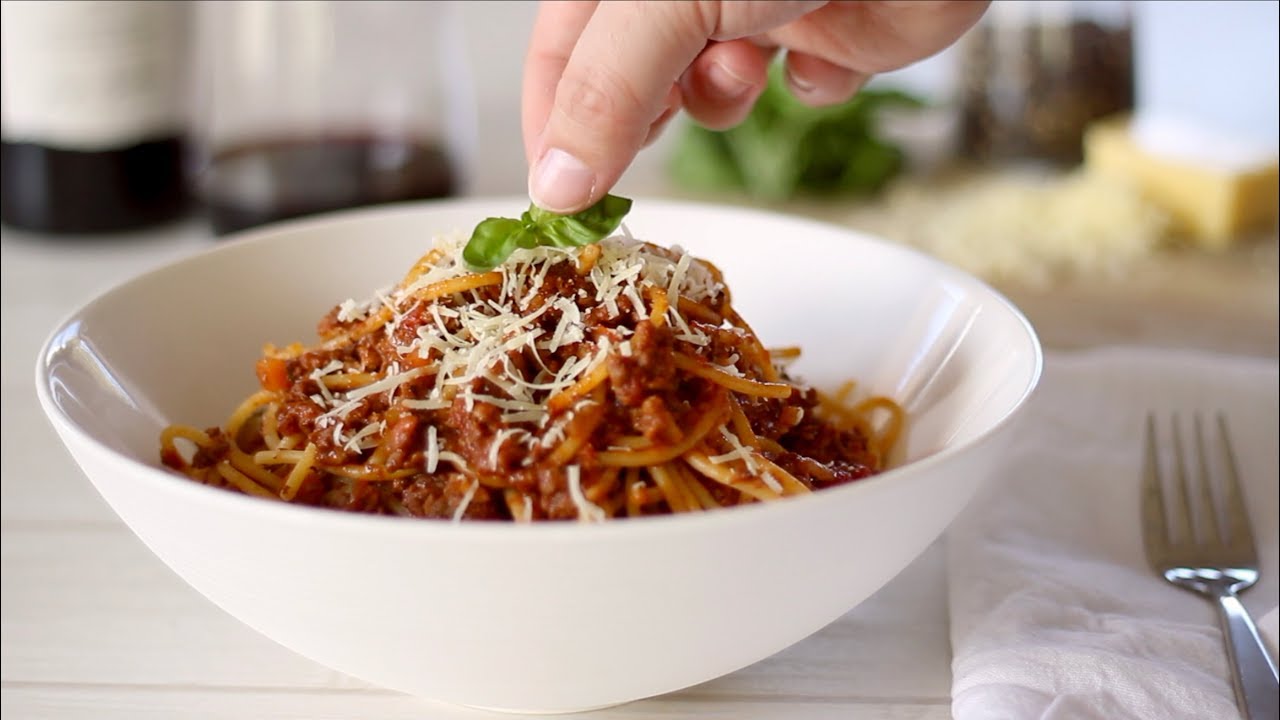
Coat every strand of pasta with the rich, meaty sauce. Serve immediately with a sprinkle of grated Parmesan and fresh herbs.
Chef’s Tips for the Perfect Bolognese
If you really want to elevate your Bolognese from good to unforgettable, these pro tips will make all the difference:
- Use a mix of meats: Combining ground beef with pork (or even veal) gives more depth and richness. Pork adds natural fat, which enhances the flavor.
- Don’t rush the browning: Let the meat really brown in the pan. That deep brown color? That’s umami gold.
- Deglaze like a boss: Whether it’s wine, broth, or even water in a pinch, make sure to scrape up the brown bits on the pan after browning the meat. That’s where the flavor hides.
- Low and slow is key: You can’t make good Bolognese in 30 minutes. Give it at least 1.5–2 hours to simmer gently and develop that traditional taste.
- Milk magic: This step is often skipped but makes a huge difference. The milk softens the meat, balances acidity, and adds creaminess.
- Better the next day: If you can resist eating it all, Bolognese tastes even better the next day. Store it and reheat gently—it gets richer as the flavors meld overnight.
Variations of Bolognese
Love the classic but want to switch it up? These creative spins on Bolognese still hold onto the essence but let you experiment based on dietary needs or taste preferences.
Vegetarian Bolognese
Skip the meat, but keep the flavor! Use:
- Lentils or finely chopped mushrooms as a hearty substitute
- Add soy sauce or tamari for that umami depth
- Finish with a splash of cream or oat milk for richness
Creamy Bolognese
Craving something velvety? Stir in a bit more cream (or even mascarpone) during the final step. It softens the tomato tang and creates a luxurious sauce.
Spicy Bolognese
Turn up the heat:
- Add crushed red pepper flakes with the garlic
- Sauté some spicy Italian sausage with the ground meat
- A pinch of cayenne can do wonders without overpowering
Storing and Reheating Bolognese
Bolognese stores beautifully—arguably, it gets better after a day or two. Here’s how to handle leftovers:
- Refrigerator: Store in an airtight container for up to 4 days.
- Freezer: Freeze in portions for up to 3 months. Ideal for meal prep!
- Reheating: Gently reheat on the stovetop with a splash of water or broth. Avoid microwaving straight from frozen—let it thaw first.
Bonus: You can use leftover Bolognese in lasagna, baked ziti, or even on a crusty baguette as a meatball sub alternative!
Best Pasta Types for Bolognese Sauce
While spaghetti is a common go-to, traditional Italian Bolognese is best paired with flat, wide noodles that hold the sauce better.
- Tagliatelle: The classic choice—egg-based, slightly chewy, and perfect for the rich sauce.
- Pappardelle: Wide and flat, it picks up plenty of sauce in every bite.
- Fettuccine: Another strong option that doesn’t get lost under the meat.
- Rigatoni: Those ridges trap the sauce—great if you prefer a short pasta.
Avoid thin pastas like angel hair—they just can’t stand up to the thickness of Bolognese.
Common Mistakes to Avoid
Let’s keep your Bolognese game strong. Here are mistakes to dodge:
- Using lean meat: Fat = flavor. Go for an 80/20 meat blend at minimum.
- Skipping the simmer: Rushing the cooking process leaves you with a bland sauce. The magic takes time.
- Overloading on tomato: Remember, Bolognese is not marinara. Keep tomatoes in balance with meat and aromatics.
- Not seasoning in layers: Add salt little by little—each step needs it. Don’t just season at the end.
- Boiling pasta too early: Only cook pasta when the sauce is ready. Otherwise, it’ll sit and stick together.
Pairing Ideas: What to Serve with Bolognese
Want to build a complete Italian-style meal around your Bolognese? Here are some delicious companions:
- Side Salad: A light arugula salad with lemon vinaigrette balances the richness of the sauce.
- Garlic Bread: Because who doesn’t want to mop up extra sauce?
- Red Wine: Go for Chianti, Barbera, or Sangiovese.
- Roasted Veggies: Zucchini, bell peppers, or eggplant work great as a side dish.
- Antipasto Platter: Before the pasta, serve a simple platter with olives, cheese, and cured meats.
Health Benefits of Homemade Bolognese
Believe it or not, Bolognese isn’t just comfort food—it can be nutritious too!
- Protein-rich: Thanks to the meat, you’re getting a solid dose of protein.
- Packed with veggies: Onions, carrots, celery, and tomatoes all bring vitamins, fiber, and antioxidants.
- Better than store-bought: No preservatives, additives, or hidden sugars—just real food.
- Balanced meal: Add whole grain pasta or zucchini noodles and you’ve got a wholesome dinner.
Want to lighten it up even more? Use ground turkey or chicken, skip the cream, or add extra veggies into the sauce.
FAQs about Simple Bolognese Recipe
1. Can I make Bolognese without wine?
Yes, you can skip the wine and deglaze with broth or even water. The flavor will be slightly different but still delicious.
2. Is milk really necessary in Bolognese?
It’s not mandatory, but it helps balance the acidity of tomatoes and creates a creamier sauce.
3. Can I make this sauce in a slow cooker?
Absolutely! After browning the meat and veggies, transfer everything to a slow cooker and simmer on low for 6–8 hours.
4. How do I make a gluten-free Bolognese?
Use gluten-free pasta and double-check that your broth and seasonings are gluten-free.
5. What kind of tomatoes should I use?
Canned crushed tomatoes or tomato passata work great. Avoid overly acidic or sweet canned sauces.
Conclusion
Bolognese is more than just a meat sauce—it’s a tradition, a comfort, and a classic that never goes out of style. Whether you stick to the authentic method or give it your own twist, it’s a dish that’s forgiving and full of flavor. By taking your time, using quality ingredients, and following each step carefully, you can create a restaurant-worthy sauce right in your own kitchen.
So roll up those sleeves, simmer patiently, and enjoy the process. Because when that first forkful of pasta hits the plate, it’s all worth it.