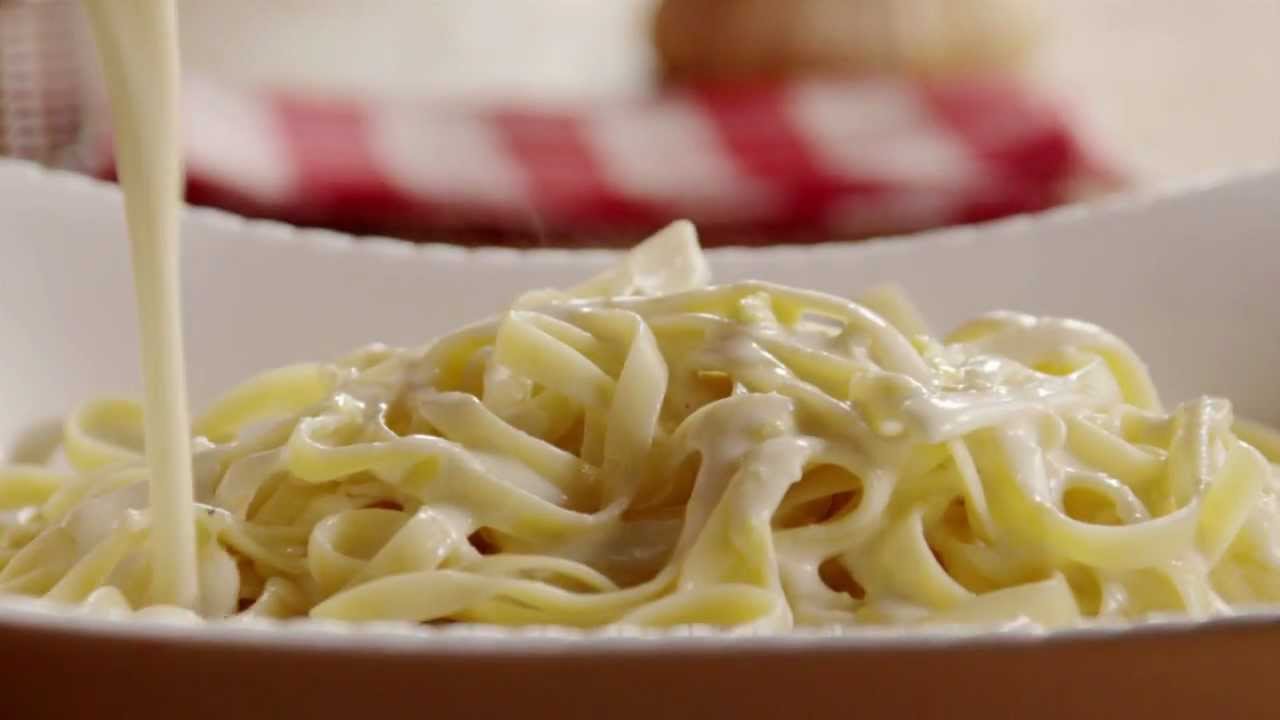
Simple Alfredo Sauce Recipe: There’s just something magical about Alfredo sauce, right? It’s rich, creamy, buttery, and totally comforting.
Whether you’re whipping it up for a quick weeknight dinner or treating your loved ones to a cozy homemade pasta dish, Alfredo sauce is a classic that never goes out of style.
You don’t need to be a professional chef to make it either—this guide will walk you through each step so you can nail it on the first try.
What is Alfredo Sauce?
Alfredo sauce is a creamy white sauce typically made with butter, heavy cream, and Parmesan cheese. Originating in Italy, it gained massive popularity in the U.S. and is now a beloved staple in kitchens and restaurants alike. Unlike tomato-based sauces, Alfredo brings a luscious, savory depth that clings beautifully to pasta, making every bite indulgent.
Originally, the authentic Italian version was just butter and Parmesan cheese, known as “Fettuccine al burro.” However, the American adaptation we know and love adds cream for a silkier texture. It’s versatile, simple, and super satisfying.
Why Make Homemade Alfredo Sauce?
Let’s be honest: store-bought Alfredo sauce just doesn’t cut it. It’s often packed with preservatives, fillers, and flavors that feel flat and artificial. Homemade Alfredo, on the other hand? It’s fresher, creamier, and 100% customizable. Plus, it takes less than 20 minutes from start to finish. Why settle for average when the best version is this easy to make at home?
Healthier Than Store-Bought? Here’s Why
You might be surprised, but yes—homemade Alfredo can be a healthier choice. When you make it yourself, you control every single ingredient. That means no added sugar, no unnecessary thickeners, and no weird aftertaste. You can also adjust the fat content by choosing lighter ingredients or reducing the butter if you’re watching your intake. Clean, fresh, and customizable—what’s not to love?
The Perfect Pairings: What to Serve with Alfredo Sauce
Alfredo sauce isn’t just for fettuccine! Here are some ideas to get your creativity flowing:
- Fettuccine, linguine, or penne pasta
- Grilled chicken breast
- Roasted or sautéed shrimp
- Steamed broccoli or asparagus
- Garlic bread or fresh baguette
- Zucchini noodles for a low-carb option
Want a one-pot meal? Add your protein and veggies directly to the pasta and mix with the Alfredo for a creamy, all-in-one dish!
Ingredients You’ll Need
Core Ingredients
These are the essentials that make up a classic Alfredo sauce:
- Butter – ½ cup (1 stick), unsalted
- Heavy Cream – 1 cup
- Parmesan Cheese – 1 cup, freshly grated (not the pre-shredded kind)
- Salt – to taste
- Black Pepper – to taste
Optional Add-Ons for Extra Flavor
Want to kick it up a notch? Try adding:
- Minced Garlic – 2-3 cloves
- Nutmeg – A pinch (adds warmth and depth)
- Italian Seasoning – For that herbaceous punch
- Crushed Red Pepper Flakes – For a subtle heat
Kitchen Tools You’ll Need
Let’s keep it simple. Here’s what you’ll need:
- Medium saucepan
- Wooden spoon or silicone spatula
- Whisk
- Cheese grater
- Measuring cups and spoons
- Garlic press (optional)
Tips Before You Start Cooking
- Use freshly grated Parmesan. It melts better and gives you a smoother sauce.
- Avoid high heat. Alfredo sauce is delicate—low and slow is the way to go.
- Serve immediately. It tastes best fresh and hot.
- Stir continuously. This prevents clumping and ensures a silky texture.
Step-by-Step Guide to Make Alfredo Sauce
Step 1: Gather All Ingredients
Before you even turn on the stove, make sure everything’s within reach. Trust me, once the butter melts, things move fast. Measure your butter, cream, and cheese. If you’re using garlic, mince it beforehand.
Step 2: Melt the Butter
Place your saucepan over medium-low heat and add the butter. Let it melt gently without browning. Stir occasionally to prevent it from burning.
Pro Tip: Use unsalted butter so you can control the salt level later.
Step 3: Add Garlic (Optional but Recommended)
Once the butter is melted, toss in the minced garlic. Cook it for about 30 seconds to a minute until it becomes fragrant. This step adds a flavor boost that really elevates the entire sauce.
Don’t overcook the garlic—it should smell amazing, not bitter.
Step 4: Pour in the Heavy Cream
Slowly pour the heavy cream into the pan, stirring continuously. Allow the mixture to blend with the butter. Bring it to a gentle simmer (not a boil!) and keep stirring.
Cream is the backbone of this sauce, so use full-fat for the creamiest results.
Step 5: Simmer Gently (Low and Slow!)
Let the mixture simmer for 5–7 minutes on low heat. Stir frequently. The goal here is to let the cream thicken just slightly before adding the cheese.
Be patient—rushing this step could cause the sauce to separate.
Step 6: Add Parmesan Cheese
Sprinkle in the Parmesan cheese gradually while whisking. Make sure each batch melts completely before adding more. This prevents clumping and gives you a smooth, velvety sauce.
Freshly grated cheese melts faster and avoids a grainy texture.
Step 7: Whisk Until Smooth and Creamy
Now comes the magic! Keep whisking gently until the cheese is fully melted and the sauce is thickened to your liking. It should coat the back of a spoon without running.
Taste it—does it need a little salt? Pepper? Adjust it now.
Step 8: Season to Taste
Add salt and black pepper, adjusting to your preference. If you like a bit of spice, a pinch of red pepper flakes is amazing here. A touch of nutmeg adds complexity without overpowering.
Step 9: Serve Immediately
Remove from heat and pour the sauce over your cooked pasta, or add your protein and vegetables directly to the pan. Toss everything together until well coated. Serve immediately with extra Parmesan on top!
How to Store Leftover Alfredo Sauce
So, you’ve got some Alfredo sauce left—lucky you! But storing it the right way is crucial to keep that creamy texture. Improper storage can turn your silky sauce into a grainy mess.
Here’s how to do it:
- Let it cool first: Don’t dump hot sauce into a container. Allow it to cool to room temperature to avoid condensation and separation.
- Use an airtight container: Transfer the sauce into a glass or BPA-free plastic container with a tight seal.
- Refrigerate: Store in the refrigerator for up to 4 days.
- Freeze (optional): You can freeze Alfredo sauce, but cream sauces may separate when thawed. If you do freeze it, use a freezer-safe container and eat it within 1 month for best results.
Before storing, make sure it’s not mixed with pasta—sauce alone stores better.
How to Reheat Alfredo Sauce Without Breaking It
Reheating Alfredo sauce can be a little tricky. Done wrong, and it might turn oily or clumpy. Here’s how to keep it smooth and delicious:
Stovetop (Best Method)
- Add a splash of milk or cream to a pan.
- Warm on low heat, stirring constantly.
- Add your Alfredo sauce and stir gently until warmed through and creamy again.
Microwave (Quick Fix)
- Place sauce in a microwave-safe bowl.
- Add 1 tablespoon of milk.
- Heat in 30-second intervals, stirring each time.
- Don’t overheat—cream sauces split easily!
Avoid high heat at all costs. Patience here will reward you with that silky texture once again.
Common Mistakes to Avoid
Even simple recipes can go sideways if you’re not careful. Here are some rookie mistakes to dodge:
- Using pre-grated Parmesan: It’s often coated with anti-caking agents that prevent smooth melting.
- Overheating the sauce: This breaks the emulsion and leaves you with a greasy mess.
- Skipping constant stirring: You must stir to avoid lumps and clumps.
- Not seasoning at the end: Always taste and adjust the seasoning once the cheese is melted.
A little attention to detail makes a big difference in the final result.
Variations of Alfredo Sauce
Craving a twist on the classic? Alfredo sauce is surprisingly adaptable. Here are some creative spins:
Lighter Alfredo (Low-Fat Version)
- Swap heavy cream for half-and-half or whole milk.
- Use less butter, or even a little olive oil instead.
- Add a tablespoon of cream cheese to bring back some creaminess.
It’s not as indulgent, but still super tasty for a lighter meal.
Vegan Alfredo Sauce
- Replace dairy with cashew cream or coconut milk.
- Use nutritional yeast instead of Parmesan for that cheesy flavor.
- Sauté garlic and onion as your base for added depth.
Vegan Alfredo is great for plant-based diets and surprisingly satisfying.
Alfredo with a Twist: Spices and Herbs
Want to spice things up? Try:
- Crushed red pepper for heat
- Fresh basil or parsley for color
- A touch of smoked paprika for a rich, smoky depth
This is where you can really make the recipe your own.
Nutritional Breakdown (Per Serving)
| Nutrient | Amount (Approx.) |
|---|---|
| Calories | 400–450 kcal |
| Total Fat | 35g |
| Saturated Fat | 22g |
| Protein | 10g |
| Carbohydrates | 3–5g |
| Sugar | 1g |
| Sodium | 400mg |
Note: Nutritional values may vary depending on brands and portions used.
FAQs about Simple Alfredo Sauce Recipe
1. Can I use milk instead of cream in Alfredo sauce?
Yes, but it won’t be as rich. Use whole milk and consider adding a tablespoon of flour or cream cheese to thicken it.
2. Why did my Alfredo sauce turn grainy?
This usually happens if the cheese wasn’t fresh or if the sauce was overheated. Always use freshly grated cheese and cook on low heat.
3. How do I thicken my Alfredo sauce if it’s too runny?
Let it simmer longer to reduce, or whisk in a teaspoon of flour or cornstarch mixed with a little water or milk.
4. Is Alfredo sauce gluten-free?
Yes, the basic recipe is naturally gluten-free as long as no flour or wheat-based thickeners are added.
5. Can I make Alfredo sauce ahead of time?
Absolutely! Just store it properly in the fridge and reheat gently with a splash of milk to bring it back to life.
Final Thoughts
There you have it—your ultimate guide to making a simple, creamy Alfredo sauce right at home. No fancy skills or obscure ingredients required. It’s fast, flavorful, and incredibly satisfying. Once you try it homemade, you’ll never go back to the jarred stuff again. Remember: the key is low heat, fresh Parmesan, and constant stirring.
Whether you’re feeding the family on a Tuesday night or impressing guests at a dinner party, this recipe has your back. Keep this guide handy, and you’ll be the Alfredo master in no time.