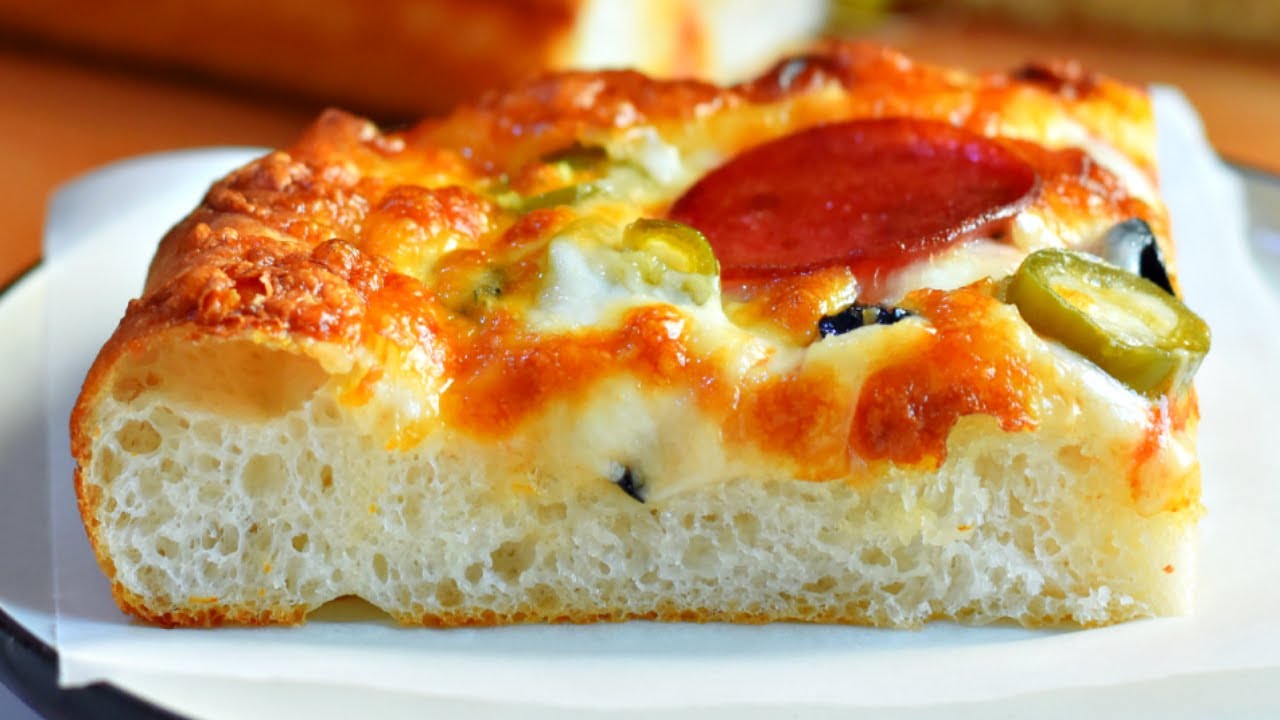
Sicilian Pizza Dough Recipe: Sicilian pizza isn’t your typical thin-crust slice from a corner joint. It’s bold. It’s thick. It’s fluffy. And it’s dripping with rich tradition and flavor.
Born in Sicily, Italy, this style of pizza is all about the dough – a tall, airy, golden-brown base that crisps perfectly on the bottom while remaining soft inside.
Think focaccia meets pizza, and you’ve got a good idea of what we’re about to make. But don’t worry, making Sicilian pizza dough at home is easier than you think. The secret lies in a few quality ingredients, some patience, and following the steps just right.
Let’s dive in and make your kitchen smell like an Italian bakery.
What Makes Sicilian Pizza Unique?
Sicilian pizza stands out for a few good reasons. First, it’s baked in a rectangular or square pan, unlike traditional round pizzas. But the real difference? The crust. It’s thick—about 1 to 1.5 inches—and has a chewy, bread-like texture. This comes from a high hydration dough and a proper rise.
Originating from Palermo, Sicily, this pizza was traditionally topped with tomato sauce, anchovies, onions, and breadcrumbs. In America, especially in places like New York, it evolved to include mozzarella cheese, pepperoni, and other classic toppings. What didn’t change was the dough—the heart and soul of Sicilian pizza.
It’s often confused with deep-dish pizza, but don’t mix them up. Sicilian crust is fluffier and lighter, thanks to the rise time and baking technique. Once you taste a fresh homemade Sicilian pizza slice, you’ll understand why it has such a loyal fanbase.
Why Homemade Dough is Better Than Store-Bought
Sure, you can pick up dough at the store. But let’s be honest—it’s never the same. Homemade Sicilian dough is more flavorful, more customizable, and, let’s face it, way more satisfying to make from scratch.
Why? Because you control the fermentation time, hydration, and ingredients. Want a little more chew? You got it. A hint of sweetness? Easy. Plus, store-bought dough often has preservatives and lacks the elasticity needed for that perfect Sicilian-style rise and stretch.
When you make your own dough, you’re crafting the foundation for something special. And don’t worry if you’re new to it—this step-by-step guide will walk you through the entire process like a pro.
Ingredients You’ll Need
Let’s get to the heart of the recipe—the ingredients. Sicilian pizza dough keeps it simple, but the quality of what you use matters.
Essential Ingredients:
- 4 cups (500g) all-purpose flour – You can also mix in some bread flour for extra chew.
- 1 ½ cups (360ml) warm water – Around 100°F (38°C), not too hot!
- 2 ¼ teaspoons (1 packet) active dry yeast – Or 7g instant yeast.
- 1 tablespoon olive oil – Adds flavor and helps the dough crisp up.
- 1 ½ teaspoons salt
- 1 teaspoon sugar – Helps feed the yeast and adds subtle sweetness.
Optional Add-Ins:
- Semolina flour – Great for dusting and adds extra texture to the crust.
- Honey – Substitute for sugar for a slightly different flavor.
- Garlic powder or Italian herbs – If you want extra aromatic dough.
That’s it. No crazy ingredients. Just basics with big results.
Tools & Equipment for Making Sicilian Pizza Dough
Having the right tools can make your dough-making experience smoother. You don’t need a fancy setup—just a few kitchen essentials.
- Large mixing bowl
- Measuring cups and spoons
- Wooden spoon or silicone spatula
- Stand mixer (optional, but helpful for kneading)
- 9×13 inch baking pan (or similar size) – Metal pans work best.
- Plastic wrap or clean kitchen towel – To cover the dough during proofing.
- Olive oil brush or your hands – For greasing the pan.
Once you’ve gathered your tools and ingredients, it’s time to get into the good stuff: making the dough from scratch.
Step-by-Step Sicilian Pizza Dough Guide
Let’s break this down like a real kitchen coach. Follow each step carefully, and don’t rush it. The dough needs time to do its thing.
Step 1: Preparing the Yeast
In a bowl, combine warm water (about 100–110°F / 38–43°C) with active dry yeast and a pinch of sugar. Stir gently and let it sit for 5–10 minutes until foamy. This confirms the yeast is active.
Step 2: Mixing the Ingredients
In a large mixing bowl, combine bread flour and salt. Pour in the yeast mixture and olive oil. Mix until a shaggy dough forms. Sicilian dough is slightly wetter than traditional pizza dough.
Step 3: Kneading the Dough
Knead by hand for 8–10 minutes, or use a stand mixer for about 5–6 minutes, until smooth and elastic. The dough should be soft and slightly tacky but not sticky.
Step 4: First Proofing (Bulk Fermentation)
Place the dough in a lightly oiled bowl. Cover and let it rise in a warm spot for 1–2 hours, or until doubled in size. This slow rise builds flavor and structure.
Step 5: Stretch and Pan the Dough
Generously oil a rectangular baking pan. Transfer the dough into the pan and gently stretch it toward the edges. If it resists, let it rest for 10 minutes and stretch again.
Step 6: Second Proofing (Final Rise)
Cover the pan and allow the dough to rise again for 30–45 minutes. It should look puffy and airy.
Step 7: Pre-baking (Optional but Recommended)
Bake the dough at 425°F (220°C) for 8–10 minutes before adding toppings. This helps prevent a soggy crust and ensures a crisp base.
Step 8: Add Toppings & Final Bake
Add sauce, cheese, and toppings. Return to the oven and bake for 12–15 minutes, until golden and bubbly.
Thick, airy, and crispy on the bottom—Sicilian pizza dough delivers that classic square slice perfection 🍕✨
Tips for a Perfect Sicilian Pizza Dough
Mastering Sicilian pizza dough doesn’t require years of culinary school—just a few insider tips to make your dough the best it can be. Trust me, small tweaks make a big difference.
- Hydration is Key: Sicilian dough is usually higher in hydration (around 70–75%), which makes it more airy and chewy. Don’t be afraid if it’s a bit sticky—that’s normal and even preferred.
- Use Quality Flour: Go for unbleached all-purpose flour, or better yet, bread flour for added structure. Mixing a bit of semolina flour can enhance texture and flavor too.
- Room Temperature Rise: Letting the dough rise at room temperature creates better flavor than quick rises in warm spots. If you have the time, let it rise slowly.
- Use Plenty of Olive Oil: Don’t skimp on the oil in the pan—it helps create that signature crispy, golden crust on the bottom.
- Let It Rest Between Stretches: If the dough keeps pulling back while you stretch it into the pan, give it a 10-minute rest. This allows the gluten to relax.
- Don’t Overdo the Toppings: Too many toppings can weigh the dough down, making it soggy. Keep it balanced so the crust shines.
Follow these simple tricks and you’ll be dishing out pizza that rivals your favorite pizzeria.
Common Mistakes to Avoid
Even seasoned home bakers can run into issues with dough. Let’s save you the trouble by pointing out the most common missteps—so you don’t have to learn the hard way.
- Using Cold Water: Yeast needs warm water to activate. Cold water = no rise. Hot water? You risk killing the yeast.
- Too Much Flour: It’s tempting to add more flour if the dough feels sticky, but resist the urge. Sticky dough usually leads to a lighter, better rise.
- Overworking the Dough: Kneading is good, but too much can make the dough tight and tough, especially if you’re not letting it rest properly.
- Skipping the Second Proof: This final rise is crucial for that signature fluff. Don’t skip it!
- Underbaking the Crust: Sicilian crust is thick—it needs time to cook all the way through. Always check the bottom to make sure it’s crisp and golden before pulling it out.
Avoid these and you’re already ahead of the game.
How to Store Sicilian Pizza Dough
You made extra dough? Great! Let’s talk about how to keep it fresh and usable later.
Refrigerator Storage
- After the first rise, punch the dough down and place it in an oiled, airtight container.
- Store in the fridge for up to 3 days.
- When ready to use, let it come to room temperature for 1–2 hours before shaping and baking.
Freezer Storage
- Freeze after the first rise by portioning the dough and wrapping it tightly in plastic wrap.
- Store in a freezer-safe bag for up to 3 months.
- Thaw in the fridge overnight, then let it come to room temp before using.
Having pre-made dough in the freezer is a weeknight dinner lifesaver.
Using Cold Fermentation for Better Flavor
Want to take your dough to the next level? Enter cold fermentation.
Instead of a quick 2-hour rise, try letting the dough rise in the refrigerator for 24–72 hours. This slower fermentation develops deeper, more complex flavors and improves the dough’s structure.
Here’s how:
- Mix the dough and knead as usual.
- Place in an oiled container, cover, and refrigerate.
- Take it out and let it warm to room temp (about 2 hours) before stretching and baking.
Cold fermentation isn’t just a fancy trick—it’s a secret weapon for pro-level pizza at home.
Sicilian Pizza Dough vs Other Pizza Doughs
Ever wonder how Sicilian stacks up to other doughs? Here’s a quick comparison.
| Dough Type | Texture | Thickness | Shape | Bake Method |
|---|---|---|---|---|
| Sicilian | Airy, fluffy | Thick (1–1.5″) | Rectangular | Baked in pan |
| Neapolitan | Soft, chewy | Thin | Round | Baked on pizza stone |
| New York-Style | Foldable, crisp | Medium-thin | Round | Baked in deck oven |
| Deep-Dish (Chicago) | Buttery, dense | Very thick | Round | Baked in deep pan |
Sicilian is the perfect middle ground—chewy and crispy, thick but airy, and ideal for feeding a crowd.
Ideas for Toppings on Sicilian Pizza
You’ve nailed the dough, now it’s time to have fun with toppings. Here are some tasty combinations to get you started:
- Classic Red Sauce & Mozzarella: Keep it traditional with a layer of tomato sauce, mozzarella, and fresh basil.
- Pepperoni & Ricotta: The crispy corners of pepperoni paired with dollops of creamy ricotta? Yes, please.
- Sausage & Peppers: A hearty, savory topping that screams comfort food.
- Mushroom & Truffle Oil: For a more gourmet twist, try sautéed mushrooms with a drizzle of truffle oil after baking.
- White Pizza (No Sauce): Use olive oil, garlic, mozzarella, and parmesan with spinach or caramelized onions.
Tip: Add toppings after pre-baking the crust to keep it crispy.
FAQs about Sicilian Pizza Dough Recipe
Let’s wrap up with answers to the most common questions people have.
Q: Can I use whole wheat flour instead of white flour?
Yes, but substitute no more than 50% for best results. Whole wheat absorbs more water and creates a denser crust.
Q: Do I need a pizza stone for Sicilian pizza?
Nope! A good metal baking pan does the trick. You can use a stone if you want to crisp the bottom more, but it’s optional.
Q: How long does it take to make Sicilian pizza dough from start to finish?
Plan for about 3 to 4 hours, including rising and baking time. If you use cold fermentation, it can stretch over multiple days.
Q: Can I use instant yeast instead of active dry?
Yes. Just skip the proofing step and mix it directly into the flour.
Q: Why is my dough not rising?
Check your yeast—it might be expired. Also, make sure your water isn’t too cold or hot. Room temperature proofing is best.
Conclusion
Making Sicilian pizza dough from scratch might feel intimidating, but once you try it, you’ll never go back to store-bought. It’s thick, fluffy, golden, and incredibly satisfying. The beauty of this recipe is that it’s forgiving—you can tweak the hydration, experiment with toppings, or even freeze the dough for future use. And that thick, crunchy base? It holds up to just about anything you throw on top.
So roll up your sleeves, grab your flour, and bring the taste of Sicily into your kitchen. Your next pizza night is going to blow everyone’s mind.