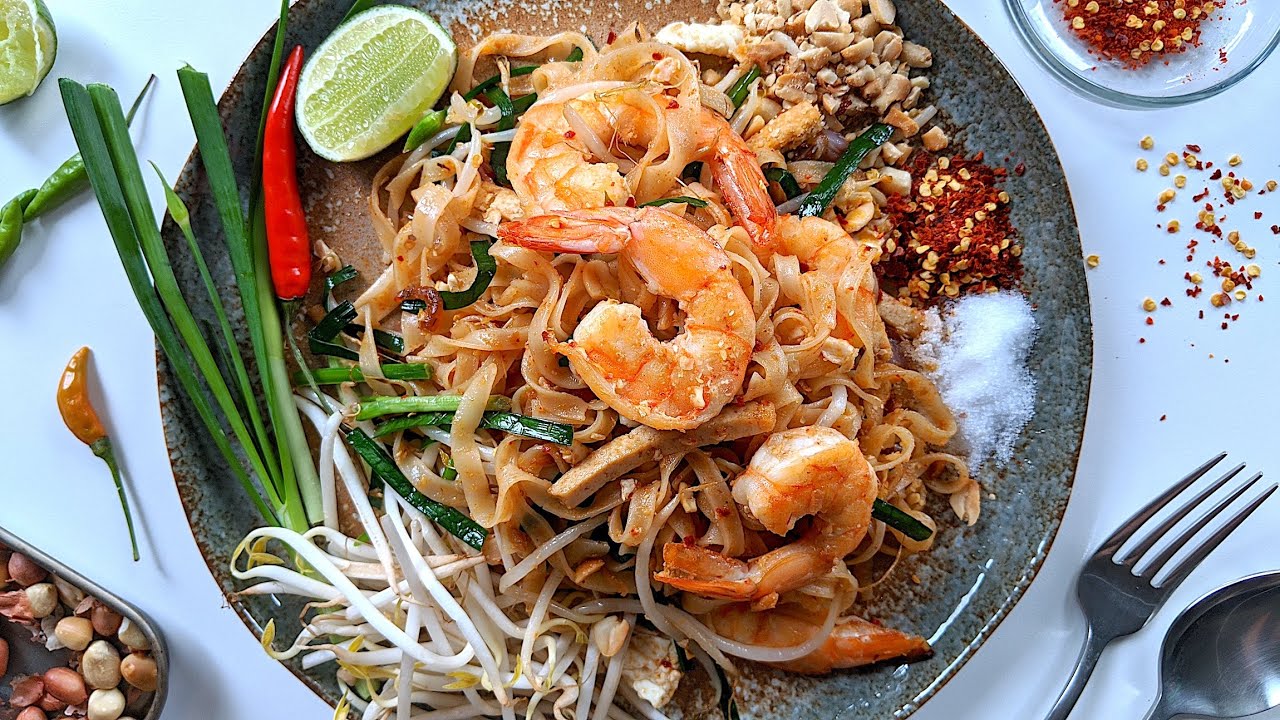
Shrimp Pad Thai Recipe: Craving something flavorful, quick, and packed with that classic Thai street food charm? Let’s talk Shrimp Pad Thai—a perfect blend of sweet, sour, salty, and savory in one iconic noodle dish. If you’ve only had Pad Thai at a restaurant, you’re in for a treat because making it at home is not just doable, it’s downright rewarding. This dish is perfect when you’re in the mood for something exotic but want to keep it weeknight-dinner easy.
The heart of Pad Thai lies in its balance. Imagine chewy rice noodles coated in a tangy, tamarind-based sauce, stir-fried with juicy shrimp, crunchy bean sprouts, and scrambled eggs, all topped off with crushed peanuts and a squeeze of lime. Whether you’re already a Thai food fan or just looking for a new recipe to spice up dinner, Shrimp Pad Thai is a great place to start.
So let’s dive into this step-by-step guide and unlock the secrets of making an authentic, restaurant-style Shrimp Pad Thai right from your own kitchen.
Health Benefits of Shrimp Pad Thai
Shrimp Pad Thai isn’t just delicious—it’s also a well-rounded, nutritious meal when made at home. Shrimp is a lean source of protein, low in calories, and packed with omega-3 fatty acids, selenium, and B12. It supports muscle development and heart health while keeping things light and flavorful.
Then we have rice noodles, which are gluten-free and a great carb option for those with gluten sensitivity. Unlike heavily processed instant noodles, rice noodles are a whole lot cleaner in ingredients, especially when you soak and prep them yourself.
The real kicker? All the fresh vegetables—bean sprouts, green onions, garlic, and sometimes carrots or bell peppers—bring in vitamins and fiber. And let’s not forget the lime juice, peanuts, and herbs, each offering health-boosting nutrients like vitamin C, healthy fats, and antioxidants.
When you cook Pad Thai at home, you’re in total control—less oil, less sugar, more veggies. It’s Thai comfort food with a health-conscious twist.
List of Ingredients You’ll Need
Here’s your go-to checklist to whip up that perfect plate of Shrimp Pad Thai. Most of these are easy to find at your local grocery store or Asian market.
For the Pad Thai:
- 8 oz rice noodles (flat, medium-width)
- 1 lb shrimp (peeled and deveined)
- 2 eggs
- 1 cup bean sprouts
- 3 green onions (sliced)
- 3 cloves garlic (minced)
- 1 small carrot (optional, julienned)
- 1 tbsp vegetable oil
For the Pad Thai Sauce:
- 3 tbsp fish sauce
- 1 tbsp soy sauce (low-sodium preferred)
- 1 tbsp tamarind paste
- 1½ tbsp brown sugar (adjust to taste)
- 1 tsp chili flakes (adjust for spice level)
- 2 tbsp water
Garnishes:
- ¼ cup roasted peanuts (crushed)
- Fresh lime wedges
- Fresh cilantro (optional)
- Extra chili flakes
Double-check your pantry before shopping—you might already have a few of these!
Kitchen Tools You’ll Need
You don’t need fancy equipment to make Pad Thai, but having the right tools makes the process smoother.
- Wok or large skillet – A wok is ideal for quick stir-frying.
- Mixing bowls – For prepping your sauce and ingredients.
- Tongs or spatula – To stir and toss your noodles evenly.
- Knife & cutting board – Basic prep essentials.
- Measuring spoons/cups – Precision is key, especially for the sauce.
Having everything ready and within arm’s reach before you start cooking will save you from mid-recipe chaos.
Preparation Tips Before You Start
Before the heat hits the pan, there are a few simple prep steps that will make your cooking process seamless.
- Soak the rice noodles: Place them in warm water for about 30–40 minutes or until they’re pliable but not fully cooked. Drain and set aside.
- Peel and devein the shrimp: If they’re frozen, thaw them first. Pat dry with a paper towel to avoid extra water in the wok.
- Mix your sauce: Combine all the sauce ingredients in a bowl and stir until the sugar dissolves. Taste it! You want that balance of salty, sweet, and tangy.
- Crack and beat your eggs so they’re ready to scramble quickly.
- Organize your station: Since Pad Thai cooks fast, keep all ingredients near the stove, chopped and prepped.
Once your ingredients are prepped, you’re more than halfway there.
Step-by-Step Guide to Making Shrimp Pad Thai
Alright, time to bring it all together. Follow this step-by-step guide for a foolproof homemade Shrimp Pad Thai.
Step 1: Soak the Rice Noodles
Place the rice noodles in a large bowl of warm water. Let them sit for 30–40 minutes until soft but still a bit firm. Drain and set aside.
Step 2: Prepare the Sauce
In a bowl, whisk together tamarind paste, fish sauce, soy sauce, brown sugar, water, and chili flakes. Taste and tweak as needed—more sugar if it’s too sour, more tamarind if it’s too sweet.
Step 3: Cook the Shrimp
Heat your wok or skillet over medium-high heat. Add 1 tablespoon of oil, then toss in the shrimp. Cook for 2–3 minutes per side or until pink and opaque. Remove and set aside.
Step 4: Stir-Fry the Veggies & Eggs
In the same wok, add a touch more oil if needed. Sauté garlic and carrots for 30 seconds. Push them to the side and pour in the beaten eggs. Scramble gently until set, then mix with the veggies.
Step 5: Add Noodles and Shrimp Back
Toss in the soaked noodles and cooked shrimp. Stir quickly and constantly to combine everything well.
Step 6: Add the Sauce and Toss
Pour the sauce over the noodles. Toss everything together so the noodles absorb that sweet, savory, and slightly tangy flavor.
Step 7: Garnish and Serve
Turn off the heat. Add bean sprouts and green onions. Mix gently. Serve hot with a sprinkle of crushed peanuts, fresh lime wedges, and cilantro.
Tips for Perfect Pad Thai Every Time
Want your Shrimp Pad Thai to taste like it came straight from a street vendor in Bangkok? A few pro tips will take your dish from good to absolutely unforgettable.
- Balance the flavors. Pad Thai is all about that sweet-sour-savory-spicy harmony. Taste the sauce before adding it to your noodles and adjust accordingly. Tamarind brings sourness, brown sugar adds sweetness, and fish sauce handles the salty, umami punch.
- Don’t overcook the noodles. Since they’re already soaked, they only need a few minutes in the pan to reach that perfect chewy texture. Overcooking makes them mushy, and no one wants that.
- Use high heat and work fast. Stir-frying requires speed. Once the wok is hot, keep things moving. This ensures even cooking without soggy ingredients.
- Cook in batches if necessary. If you’re doubling the recipe or using a smaller pan, avoid overcrowding. Too many ingredients at once will steam instead of stir-fry.
- Fresh ingredients matter. Use fresh garlic, fresh lime, and freshly roasted peanuts if possible. These small details boost your flavor game significantly.
Perfecting your Pad Thai is all about practice. The more you make it, the more you’ll develop a feel for how it should look, smell, and taste.
Common Mistakes to Avoid
Even the best intentions can go sideways in the kitchen. Here are some common pitfalls to steer clear of when making Shrimp Pad Thai:
- Using the wrong noodles. Thick or overly wide rice noodles don’t absorb the sauce well. Stick to medium-width flat rice noodles for that signature texture.
- Skipping the sauce prep. Don’t toss ingredients into the pan and hope for the best. Premix your sauce so all the flavors blend properly before hitting the heat.
- Overcrowding the wok. Too many ingredients at once drop the temperature and cause uneven cooking. Cook in batches if needed.
- Not drying the shrimp. Wet shrimp in a hot wok = steam, not sear. Pat them dry before cooking to get that perfect tender bite.
- Forgetting to taste. Every brand of fish sauce, tamarind, and sugar is slightly different. Taste your sauce and adjust it—Pad Thai should never taste bland or too sour.
Avoid these missteps, and you’ll be on your way to stir-fry greatness every single time.
How to Customize Your Pad Thai
One of the best things about Pad Thai is how customizable it is. Not a fan of shrimp? Allergic to peanuts? No problem.
- Make it vegetarian: Swap shrimp for tofu. Use firm tofu, cut into cubes, and pan-fry until golden. Skip the fish sauce or use a vegetarian version or soy sauce.
- Go spicy: Add more chili flakes or slice in some fresh Thai bird’s eye chilies. You can also drizzle with sriracha or sambal for an extra kick.
- Peanut-free option: Use crushed cashews or sunflower seeds for garnish instead of peanuts. You can also omit nuts entirely if preferred.
- Add extra veggies: Bell peppers, shredded cabbage, mushrooms, or snap peas all work well in Pad Thai and boost the nutrition.
- Use chicken or beef: Thinly sliced chicken breast or beef strips are great alternatives if you’re out of shrimp or just prefer meat.
Customizing Pad Thai to suit your taste and dietary needs makes it even more enjoyable. Once you know the basics, the possibilities are endless.
Storing and Reheating Leftovers
Have leftovers? Lucky you—Pad Thai reheats beautifully with a few tricks.
To store:
- Allow the dish to cool completely.
- Store in an airtight container in the fridge for up to 3 days.
- Keep garnishes like peanuts and lime separate to maintain freshness.
To reheat:
- Stovetop method: Heat a non-stick skillet over medium heat. Add a splash of water or oil and stir-fry the noodles until heated through.
- Microwave method: Place the noodles in a microwave-safe dish, add a bit of water, cover loosely, and microwave in 30-second bursts, stirring in between.
Avoid overcooking when reheating—shrimp can become rubbery if left in the heat too long. Just warm it through and enjoy.
Shrimp Pad Thai vs. Other Thai Noodle Dishes
Let’s settle a few noodle debates. Pad Thai may be the most famous, but it’s not the only game in town.
- Pad Thai: Sweet, tangy, and savory. Uses tamarind sauce, eggs, shrimp (or tofu), and crushed peanuts. Mild in spice, heavy on flavor.
- Pad See Ew: Stir-fried wide rice noodles with dark soy sauce, Chinese broccoli, and often beef or chicken. Less sweet, more soy-forward.
- Drunken Noodles (Pad Kee Mao): Bold, spicy, and aromatic with basil, chili, garlic, and wide noodles. Often loaded with veggies and intense heat.
If you love noodle dishes, exploring all three will keep your dinner game strong—and deliciously varied.
Pairing Suggestions
Pad Thai is pretty complete on its own, but the right pairing can make it a full-blown Thai feast.
Best drinks:
- Thai iced tea or coffee
- Sparkling water with lime
- Crisp white wine like Riesling or Sauvignon Blanc
- Light lager beer
Side dishes:
- Thai spring rolls
- Papaya salad (Som Tum)
- Tom Yum or Tom Kha soup
- Cucumber salad with rice vinegar
Pair smart, and your Shrimp Pad Thai will be the star of a well-rounded, flavorful meal.
Serving Ideas for a Full Thai Meal Experience
Want to go beyond just one dish? Build a whole Thai-themed dinner around your Shrimp Pad Thai. Here’s how:
Start with:
- Crispy vegetable spring rolls with sweet chili dipping sauce
- Chicken satay skewers with peanut sauce
- Tom Yum soup for a spicy-sour starter
Main event:
- Your homemade Shrimp Pad Thai!
Finish with:
- Mango sticky rice
- Thai coconut ice cream
- Fried bananas with honey drizzle
Add a few Thai-inspired decorations, some soft background music, and you’ve got yourself a stay-at-home Thai restaurant experience.
Why You Should Make Pad Thai at Home
Why bother making Pad Thai at home when takeout is a phone call away? Here’s why:
- It’s way healthier. You control the oil, the sugar, the sodium—everything. Plus, you can load it with fresh veggies and protein.
- It’s more affordable. Making Pad Thai for a family of four at home often costs less than two restaurant portions.
- You get to customize. From spice level to sauce intensity, you make it exactly the way you like it.
- It’s fun and fast. Once you prep your ingredients, the whole cooking process takes less than 15 minutes.
Cooking Pad Thai at home gives you confidence, saves money, and seriously satisfies those Thai food cravings.
FAQs about Shrimp Pad Thai Recipe
1. Can I use frozen shrimp?
Yes, just thaw them completely and pat them dry before cooking to avoid excess water in your pan.
2. How do I make it less spicy?
Skip the chili flakes or use less in the sauce. You can also serve extra spice on the side for those who want it.
3. What can I use instead of tamarind?
A mix of lime juice and a touch of brown sugar can mimic tamarind’s sour-sweet balance in a pinch.
4. Is Pad Thai gluten-free?
Yes, if you use gluten-free soy sauce or tamari and make sure your fish sauce is also gluten-free.
5. Can I double the recipe?
Absolutely! Just cook in batches to avoid overcrowding your pan, which can lead to soggy noodles.
Conclusion
There you have it—an easy, foolproof way to make Shrimp Pad Thai at home that tastes better than takeout. With its irresistible mix of flavors and textures, it’s no surprise Pad Thai is loved worldwide. And now that you know how to make it yourself, you’ve got a powerful new recipe in your home-cooking toolkit.
Remember: great Pad Thai is all about balance. Get your prep right, use fresh ingredients, and follow the steps closely—you’ll be amazed at what you can create in under 30 minutes.
So grab those noodles, fire up your wok, and impress your tastebuds (and maybe some guests) with this Thai favorite tonight.