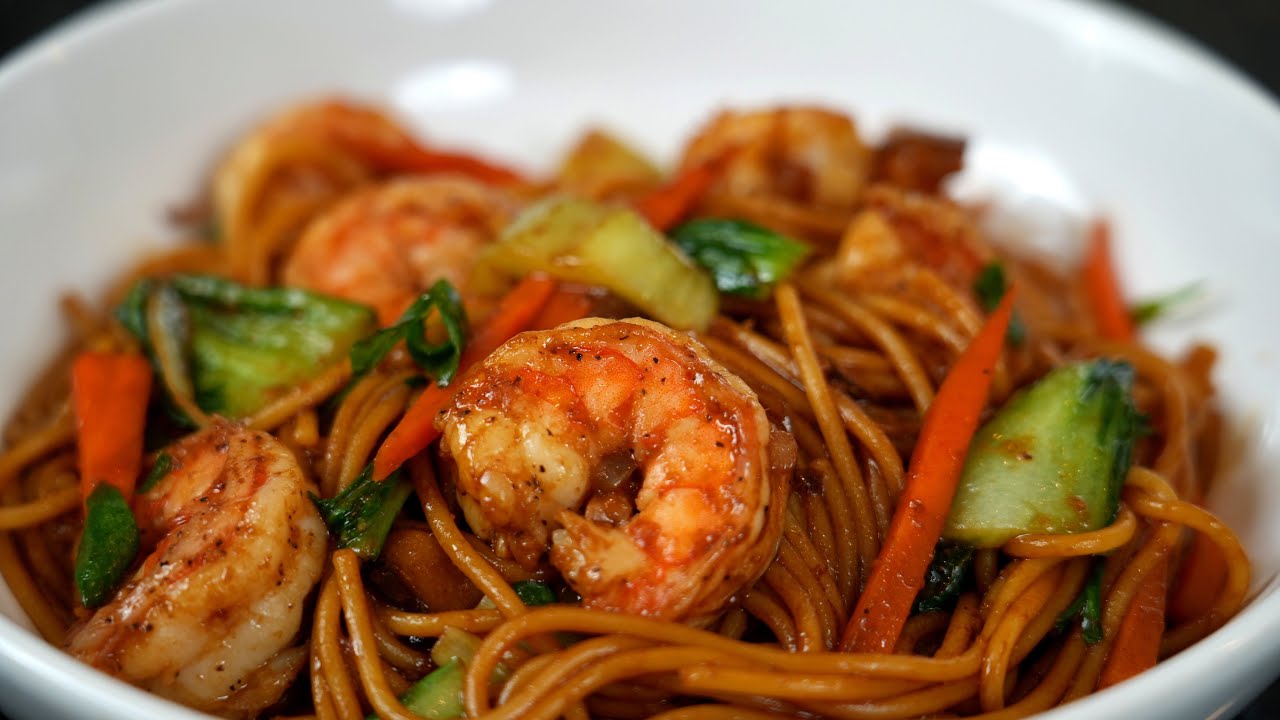
Shrimp Lo Mein Recipe: Shrimp Lo Mein is a classic Chinese-American dish that has become a comfort food favorite for many households across the world. At its core, it’s a simple stir-fried noodle dish loaded with juicy shrimp, colorful vegetables, and a savory sauce that ties everything together. The name “Lo Mein” literally means “tossed noodles” in Cantonese, which describes the cooking technique where noodles are lightly stir-fried and mixed with sauce rather than being fried to a crisp like chow mein.
The magic of Shrimp Lo Mein lies in its harmony of textures and flavors. You get the tender chewiness of the noodles, the succulent pop of perfectly cooked shrimp, and the crisp-tender vegetables that add both nutrition and crunch. Combine that with an umami-rich sauce infused with soy sauce, garlic, sesame oil, and ginger, and you’ve got a dish that’s impossible to resist.
Whether you’re craving a quick weeknight dinner, looking for a healthier takeout alternative, or simply want to experiment with new recipes in your kitchen, Shrimp Lo Mein checks all the boxes. It’s quick, it’s customizable, and it’s loaded with bold flavors.
Why You’ll Love This Recipe
There’s a lot to love about Shrimp Lo Mein, especially when you’re cooking it at home. First off, it’s fast. From prep to plate, the entire dish takes about 30 minutes. That means in less time than it takes to order and wait for delivery, you can have a fresh, homemade meal on your table.
Second, it’s incredibly versatile. Don’t have shrimp? Use chicken, beef, or tofu. Prefer broccoli over bell peppers? No problem. The recipe is flexible and forgiving, so you can adjust it to suit your preferences or whatever’s in your fridge.
Third, it’s healthier than takeout. When you control the ingredients, you can avoid the excessive oil, MSG, and sodium that often come with restaurant versions. Use fresh, high-quality ingredients, opt for low-sodium soy sauce, and load up on veggies—you’ll feel good about every bite.
Lastly, it’s fun to make. There’s something satisfying about tossing ingredients in a hot wok and watching everything come together in a fragrant, colorful medley. It’s like a mini cooking show in your kitchen.
Ingredients for Shrimp Lo Mein
Main Ingredients
Here’s what you’ll need to create this flavorful dish:
- Shrimp – Medium or large shrimp, peeled and deveined. Fresh or frozen will work.
- Lo Mein Noodles – Fresh egg noodles are traditional, but dried or pre-cooked versions are fine.
- Vegetable Oil – For stir-frying; use a neutral oil like canola or peanut.
- Garlic & Ginger – These two aromatic powerhouses form the flavor base.
- Soy Sauce – Adds saltiness and depth.
- Oyster Sauce – For a sweet and savory richness.
- Sesame Oil – A few drops add a nutty aroma.
- Vegetables – Common choices include bell peppers, carrots, snap peas, mushrooms, and cabbage.
- Green Onions – For garnish and added flavor.
- Sugar – Balances out the salty and savory elements.
- Cornstarch – Optional, used to thicken the sauce slightly.
Each of these ingredients plays a vital role in balancing flavor, texture, and visual appeal. The beauty of this dish is that even if you’re missing one or two components, you can often substitute or leave them out and still end up with a delicious result.
Optional Add-ins
One of the best things about making Shrimp Lo Mein at home is the freedom to customize. Here are a few tasty additions to consider:
- Chili Garlic Sauce – If you like a bit of heat.
- Bean Sprouts – Add a fresh crunch.
- Bok Choy – Brings a mild, cabbage-like flavor and tender texture.
- Water Chestnuts – Offer a satisfying crunch.
- Toasted Sesame Seeds – Great for garnish and texture.
- Eggs – Scramble a couple in the pan before adding the noodles for extra protein.
Customizing the ingredients allows you to keep things exciting and cater to dietary needs or simply use up what you have on hand.
Choosing the Right Noodles
Best Noodles for Lo Mein
When it comes to Shrimp Lo Mein, the noodles are the foundation of the dish. Traditional Lo Mein noodles are made from wheat flour and eggs, resulting in a soft, chewy texture that holds up well during stir-frying. These noodles are typically round, yellow, and slightly thicker than spaghetti. You can find fresh Lo Mein noodles at many Asian grocery stores in the refrigerated section, or you might spot them labeled as “egg noodles” or “stir-fry noodles.”
If you’re able to get your hands on fresh noodles, go for it—they offer the best taste and texture. Fresh noodles cook quickly and soak up sauce like a dream. However, dried Lo Mein noodles are also a solid choice and can be stored in your pantry for convenience. Just make sure to cook them al dente, as they’ll continue to soften during stir-frying.
Some brands to look for include Twin Marquis, Fortune, and Sun Noodle—all of which offer authentic-style Lo Mein noodles suited for home cooking.
Alternatives You Can Use
Can’t find Lo Mein noodles? Don’t worry. Several great substitutes work just as well:
- Spaghetti or Linguine – Surprisingly effective substitutes due to their similar thickness and texture.
- Ramen Noodles – Use the fresh or dried variety, but discard the seasoning packet.
- Udon Noodles – Thick and chewy, udon provides a different texture but still works beautifully in stir-fry.
- Rice Noodles – For a gluten-free alternative, go for medium-width rice noodles.
If you’re looking for a lower-carb version, zucchini noodles or shirataki noodles can be used, though they won’t soak up the sauce quite the same way. In any case, make sure your noodles are fully cooked and drained before tossing them into the wok.
Step-by-Step Cooking Instructions
Step 1: Prepping the Ingredients
Prepping is perhaps the most critical part of cooking Shrimp Lo Mein. Stir-frying happens fast, so you’ll want everything chopped, measured, and ready to go before turning on the heat.
Shrimp: If using frozen shrimp, thaw completely and pat them dry to avoid excess moisture. Devein them if needed.
Vegetables: Julienne the carrots and bell peppers, slice the mushrooms, and chop the green onions. Aim for uniform sizes so everything cooks evenly.
Sauce: In a small bowl, combine:
- 3 tablespoons soy sauce
- 1 tablespoon oyster sauce
- 1 teaspoon sesame oil
- 1 teaspoon sugar
- Optional: 1 teaspoon cornstarch mixed with 1 tablespoon water for thickening
Mix the sauce thoroughly and set aside.
Prepping might feel tedious at first, but it dramatically simplifies the actual cooking process. You’ll thank yourself later when everything comes together in under 10 minutes.
Step 2: Cooking the Noodles
Bring a large pot of water to a boil. Add your Lo Mein or substitute noodles and cook according to the package instructions. If using fresh Lo Mein noodles, they’ll usually need just 2–3 minutes.
Once done, drain them and rinse under cold water to stop the cooking process. This also helps prevent the noodles from becoming mushy later. Toss them lightly with a teaspoon of sesame oil to keep them from sticking together.
Set the noodles aside while you get ready to stir-fry. You’ll add them to the wok toward the end of the cooking process.
Step 3: Stir-Frying the Shrimp
Heat a tablespoon of vegetable oil in your wok or large skillet over medium-high heat. Once the oil is hot and shimmering, add the shrimp in a single layer.
Cook for 1–2 minutes per side, or until they’re pink, opaque, and just curled. Avoid overcooking—shrimp can go from tender to rubbery very quickly.
Once the shrimp are cooked through, remove them from the pan and set them aside on a plate. You’ll return them to the wok later after the vegetables and noodles have been stir-fried.
Step 4: Bringing It All Together
With the shrimp cooked and resting, add a bit more oil to your hot wok. Toss in your minced garlic and ginger, and sauté for about 30 seconds until fragrant. Then, add your chopped vegetables, starting with the ones that take longer to cook (carrots, bell peppers), followed by quicker-cooking veggies like mushrooms and snap peas.
Stir-fry for 3–5 minutes, keeping everything in motion to ensure even cooking and to prevent burning. You want the vegetables to be crisp-tender—cooked but still vibrant and crunchy.
Now, add the cooked noodles to the pan and pour in your prepared sauce. Use tongs or a spatula to toss everything together. Make sure the noodles are well coated, and the sauce begins to slightly caramelize on the edges.
Return the shrimp to the wok, and continue tossing for another 2 minutes to heat everything through. Once everything is evenly coated and sizzling hot, remove the wok from heat.
Sprinkle with chopped green onions and toasted sesame seeds if desired. Serve immediately for best flavor and texture.
Tips for Perfect Shrimp Lo Mein
Cooking Tips
Mastering Shrimp Lo Mein is all about nailing a few key techniques. Here are some expert-level tips to ensure your Lo Mein turns out restaurant-quality every single time:
- Use high heat: Stir-frying is all about fast, high-temperature cooking. A hot pan sears the shrimp and veggies quickly, locking in flavor and texture.
- Prep before you cook: Have everything sliced, diced, and measured before you heat the wok. Stir-frying moves fast, and you won’t have time to chop mid-cook.
- Don’t overcook the noodles: Slightly undercook your noodles so they can absorb sauce and still hold texture without turning mushy.
- Work in batches if needed: Crowding the pan can lower the temperature and steam your ingredients. If your wok is small, cook the shrimp and veggies in separate batches.
- Use the right oil: Choose neutral oils with high smoke points—like canola, peanut, or avocado oil—for stir-frying. Save the sesame oil for finishing touches.
- Keep it moving: Stir-frying is active cooking. Use tongs or a spatula to constantly toss and stir, so everything cooks evenly and quickly.
These tips may seem simple, but they make a big difference between a soggy, bland dish and a sizzling, flavorful stir-fry that tastes like it came straight from your favorite takeout spot.
Flavor Enhancements
If you’re looking to elevate your Shrimp Lo Mein even further, try these flavor boosters:
- Add a splash of rice vinegar for brightness.
- Incorporate hoisin sauce for a sweet and tangy twist.
- Toss in chili garlic paste or Sriracha if you like heat.
- Include a dash of fish sauce to deepen umami flavors.
- Sprinkle crushed peanuts or cashews on top for added texture.
Feel free to get creative here. Cooking is about making a dish your own, and Lo Mein is a blank canvas ready for personalization.
FAQs about Shrimp Lo Mein Recipe
1. Can I use frozen shrimp?
Yes! Just make sure to thaw them completely and pat them dry before cooking. This prevents extra moisture that can cause the shrimp to steam instead of sear.
2. How do I store leftovers?
Store any leftover Lo Mein in an airtight container in the refrigerator for up to 3 days. Reheat in a skillet with a splash of water or broth to rehydrate the noodles.
3. What vegetables go best with Lo Mein?
Classic options include bell peppers, carrots, mushrooms, snap peas, and cabbage. But feel free to add broccoli, baby corn, bok choy, or spinach for variety.
4. Is Lo Mein spicy?
Not typically. The standard recipe isn’t spicy, but you can easily add heat with chili garlic sauce, red pepper flakes, or Sriracha.
5. Can I make this gluten-free?
Absolutely. Use gluten-free tamari instead of soy sauce, and swap the noodles for gluten-free rice noodles or a similar alternative.
Conclusion
The best part? You’re in control. You get to decide how spicy, saucy, or veggie-packed your Lo Mein is. You’re not limited by a takeout menu—you’re the chef. So, grab your wok, turn up the heat, and enjoy the delicious journey of creating homemade Shrimp Lo Mein that’s better than any restaurant version.
Whether you’re cooking for one or feeding a crowd, this step-by-step guide ensures you’ll have success in the kitchen and full bellies around the table.