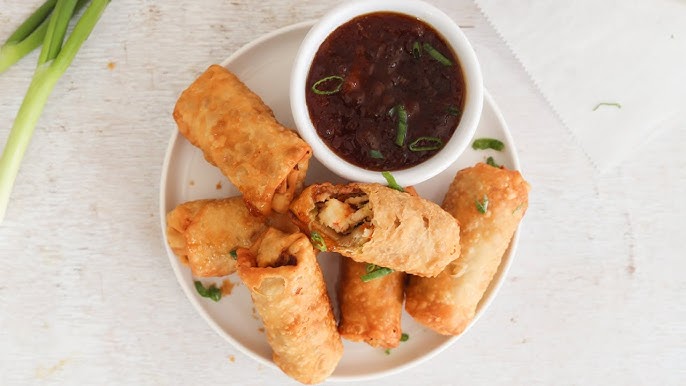
Shrimp Egg Roll Recipe: Who doesn’t love a crispy, golden shrimp egg roll with a juicy, flavorful filling? Whether you’re prepping for a party, a family dinner, or just looking for a fun snack, shrimp egg rolls are a go-to option. They’re crunchy on the outside, packed with savory goodness on the inside, and insanely satisfying to bite into. And the best part? Making them at home is way easier than you might think.
This step-by-step guide will walk you through the entire process—from prepping your ingredients to frying up the perfect roll. Let’s get rolling (pun absolutely intended)!
Ingredients You’ll Need
The heart of any good recipe lies in its ingredients. Shrimp egg rolls are surprisingly flexible—you can stick to the basics or jazz things up with bold flavors.
Basic Ingredients for Shrimp Egg Rolls
Here’s what you’ll need to create classic shrimp egg rolls:
- Shrimp (peeled, deveined, chopped) – about 1 lb
- Green cabbage (thinly sliced) – 2 cups
- Carrots (shredded) – 1 cup
- Green onions (chopped) – 4 stalks
- Garlic (minced) – 2 cloves
- Ginger (minced) – 1 tsp
- Egg roll wrappers – 12-15 pieces
- Oil (vegetable or canola) – for frying
- Salt & pepper – to taste
These are your essentials. Together, they give you that classic umami flavor with a good balance of crunch and softness inside the roll.
Optional Ingredients for Flavor Boost
Want to take things up a notch? Here are some optional but recommended ingredients:
- Soy sauce – for a salty depth
- Sesame oil – a little goes a long way with flavor
- Chili flakes or sriracha – for heat lovers
- Mung bean sprouts – for an extra crunch
- Water chestnuts (chopped) – for texture
These extras can make a big difference in the final taste and texture. Don’t be afraid to customize!
Dipping Sauces Suggestions
Let’s be real—what’s an egg roll without something to dip it in?
- Sweet chili sauce – tangy and just a bit spicy
- Soy-ginger dipping sauce – savory and fragrant
- Spicy mayo – creamy with a little heat
- Garlic aioli – smooth and bold
Feel free to experiment or mix your own sauces. Just make sure to serve them on the side for that perfect bite.
Tools You’ll Need in the Kitchen
Before diving into the steps, gather your kitchen tools. It’ll make the whole process smoother and cleaner.
- Cutting board & sharp knife
- Large mixing bowl
- Frying pan or wok
- Spatula or wooden spoon
- Slotted spoon
- Paper towels or a wire rack
- Small bowl (for egg wash)
- Tongs
Having everything ready before you begin helps reduce stress—no need to scramble for tools mid-fry.
Step-by-Step Guide to Making Shrimp Egg Rolls
Step 1: Prepping the Shrimp
Clean the shrimp by rinsing under cold water, then peel and devein them carefully. Remove shells and tails. Chop or dice the shrimp into small bite-size pieces so they distribute evenly in each roll.
Step 2: Prepping the Vegetables
Common veggies include shredded cabbage, grated carrots, and bean sprouts. You can also add green onions or bell peppers if you like. Lightly sautéing vegetables softens them and reduces moisture, while using them raw gives extra crunch—choose based on your preferred texture.
Step 3: Cooking the Shrimp and Veggie Filling
Heat a little oil in a pan and stir-fry shrimp until just pink, then add vegetables and seasonings like soy sauce, garlic, and ginger. Cook briefly so everything stays crisp. Let the filling cool before wrapping to avoid soggy egg rolls.
Step 4: Assembling the Egg Rolls
Place a wrapper like a diamond in front of you. Add a small spoonful of filling near the bottom corner. Fold the bottom over the filling, then tuck in the sides and roll tightly. Rolling firmly prevents oil from seeping in.
Step 5: Sealing the Egg Rolls Properly
Brush the final edge with egg wash or water to seal. Press gently along seams to ensure everything is closed so no filling leaks while frying.
Step 6: Frying the Egg Rolls
You can deep-fry for even crispness or shallow-fry in a pan with enough oil to cover at least half the roll. Fry until golden brown and crispy, turning as needed.
Step 7: Draining and Serving
Place fried rolls on paper towels to remove excess oil. Serve hot for maximum crunch with sweet chili sauce or soy dipping sauce.
Alternative Cooking Methods
Not a fan of deep frying? No worries—there are two great alternatives.
Baking Shrimp Egg Rolls
If you’re trying to cut down on oil, baking is a solid option.
- Preheat your oven to 400°F (200°C)
- Place the rolls on a parchment-lined baking sheet
- Lightly brush each one with oil or spray with cooking spray
- Bake for 18–22 minutes, flipping halfway through
The result? A golden, crispy egg roll with way less oil. They won’t be quite as crunchy as fried ones, but they’re still super satisfying.
Air Fryer Shrimp Egg Rolls
This is the gold standard for healthier egg rolls with the same crunch.
- Preheat your air fryer to 375°F (190°C)
- Spray the egg rolls with oil
- Arrange them in a single layer in the air fryer basket (don’t overcrowd)
- Air fry for 10–12 minutes, flipping halfway
Air-fried egg rolls come out beautifully crisp, and they’re way lighter than the deep-fried version. Perfect if you’re cooking for a crowd or meal prepping ahead.
Pro Tips for Perfect Shrimp Egg Rolls
Want your shrimp egg rolls to taste like they came straight out of a professional kitchen? These simple pro tips can take your recipe from “pretty good” to “absolutely killer.”
1. Don’t Overfill Your Wrappers
It’s tempting to stuff as much filling as possible, but this usually backfires. Overfilled egg rolls are hard to seal, and they often burst open while frying. Stick to about 2–3 tablespoons of filling per roll.
2. Keep Your Filling Dry
A soggy filling equals a soggy roll. After cooking your shrimp and veggies, let the mixture cool and drain any excess liquid. You can even pat it dry with a paper towel if needed.
3. Seal Tightly
Loose egg rolls will fall apart or open during cooking. Be sure to seal the wrapper tightly using egg wash or water, and press down on the edges.
4. Fry in Hot Oil
If your oil isn’t hot enough, the wrappers absorb more grease, and your egg rolls turn out greasy instead of crispy. Make sure your oil is around 350°F (175°C) before frying.
5. Don’t Skip Resting After Frying
Letting your egg rolls sit on a wire rack or paper towel for a couple of minutes after frying helps drain any remaining oil and prevents sogginess.
6. Use Fresh Wrappers
Older wrappers tend to dry out, crack, or tear during rolling. Always check the expiration date and keep them sealed in their original packaging until use.
7. Experiment with Flavors
Feel like going bold? Add chopped cilantro, lemongrass, or even a touch of hoisin sauce to the filling. These flavor kicks can give your egg rolls a unique twist.
These tips may seem small, but they make a big difference in quality and consistency—especially if you’re making a big batch or serving guests.
Nutritional Information (Estimated)
Here’s a rough breakdown of the nutrition per shrimp egg roll (fried version). Keep in mind this may vary depending on size, cooking method, and additional ingredients.
| Nutrient | Per Egg Roll |
|---|---|
| Calories | 180–220 kcal |
| Protein | 8–10 g |
| Carbohydrates | 15–18 g |
| Total Fat | 9–12 g |
| Saturated Fat | 1.5–2 g |
| Sodium | 350–450 mg |
| Fiber | 1–2 g |
Want a lower-calorie version? Opt for air frying or baking instead of deep frying, and go easy on the soy sauce or salty seasonings.
Common Mistakes to Avoid
Even the best cooks make mistakes—but lucky for you, here’s how to dodge the most common egg roll pitfalls:
1. Using Cold Filling
This might seem minor, but warm or hot filling can create steam inside the wrapper, making your egg rolls soggy before they even hit the pan. Let your filling cool completely before assembling.
2. Not Sealing Properly
Egg rolls that aren’t sealed well can unravel or leak in the oil. Use egg wash or water generously on the final flap and press firmly.
3. Overcrowding the Pan
If you add too many rolls at once while frying, the oil temperature drops fast. That leads to greasy rolls that cook unevenly. Fry in small batches to maintain consistent heat.
4. Skipping the Drain Step
After frying, always place your rolls on a paper towel or wire rack. This helps wick away extra oil and keeps them crispy longer.
5. Using the Wrong Wrappers
Not all wrappers are created equal. Make sure you’re buying egg roll wrappers, not spring roll wrappers or rice paper, which behave very differently when cooked.
Avoiding these mistakes will give you more consistent, professional-looking egg rolls every time.
How to Store and Reheat Leftover Egg Rolls
Made a big batch? No problem—shrimp egg rolls store really well if done properly.
Storing in the Refrigerator
- Place cooled egg rolls in an airtight container
- Line the bottom with a paper towel to absorb any moisture
- Store for up to 3–4 days
Freezing Instructions
- Let egg rolls cool completely
- Wrap each roll individually in plastic wrap or foil
- Place in a freezer-safe bag or container
- Freeze for up to 2 months
To prevent sogginess, don’t freeze freshly fried rolls while they’re still warm. The trapped steam will soften the wrapper and ruin the texture.
Reheating Tips
- Oven: Bake at 375°F (190°C) for 10–12 minutes until hot and crispy
- Air Fryer: 360°F (182°C) for 6–8 minutes, turning halfway
- Microwave: Not recommended—results in soggy wrappers
For best texture, always use the oven or air fryer to reheat. This keeps that perfect crunch without adding extra oil.
FAQs about Shrimp Egg Roll Recipe
1. Can I make shrimp egg rolls ahead of time?
Yes! You can prep and roll the egg rolls ahead of time. Just store them in the fridge (uncooked) for up to 24 hours or freeze them for longer storage. Fry just before serving for best results.
2. What’s the best way to reheat egg rolls without losing crispiness?
Use an oven or air fryer. Avoid microwaving if possible—it softens the wrapper. Reheat at 375°F (190°C) until hot and crispy.
3. Can I use frozen shrimp?
Absolutely. Just make sure to fully thaw and pat them dry before cooking to avoid excess moisture in the filling.
4. What wrappers are best for egg rolls?
Use traditional egg roll wrappers found in the refrigerated section of most grocery stores. Avoid spring roll wrappers or rice paper—they fry up differently and won’t give you that signature crunch.
5. Are shrimp egg rolls gluten-free?
Not by default, since egg roll wrappers and soy sauce usually contain gluten. However, you can make gluten-free versions by using gluten-free wrappers and tamari or coconut aminos in place of soy sauce.
Conclusion
There you have it—a full step-by-step guide to making homemade shrimp egg rolls that are crispy, savory, and absolutely delicious. Whether you’re hosting a party, meal-prepping for the week, or just craving something tasty, these rolls are always a hit.
The best part? You can customize them however you like—try new spices, dipping sauces, or even different cooking methods like baking or air frying. Once you’ve made these at home, trust us—you’ll think twice before ordering takeout again.
So grab your wrappers, get your shrimp ready, and roll up some goodness!