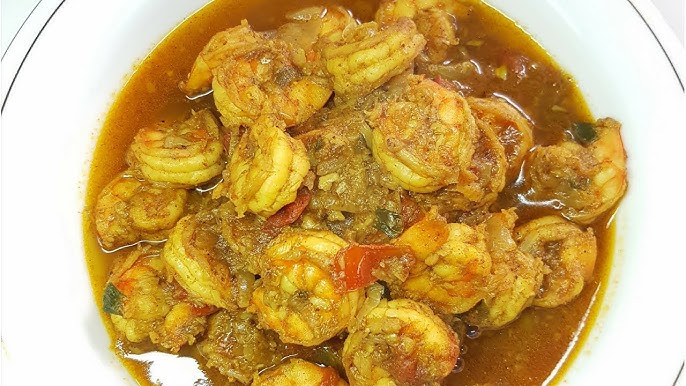
Shrimp Curry Recipe: Shrimp curry is the kind of meal that wraps you in a warm hug of flavor. Whether you’re craving something spicy, creamy, or downright comforting, shrimp curry checks all the boxes. It’s that dish you dream about on a chilly evening or pull out to impress guests. Originating from South Asian kitchens but now embraced across continents, this seafood delicacy is a go-to for home cooks and professional chefs alike.
But what makes it stand out? It’s the dynamic interplay of textures and flavors. The juicy, tender shrimp bathed in a richly spiced, aromatic gravy is a match made in culinary heaven. Plus, it’s incredibly versatile—tweak the heat level, adjust the ingredients, or try it with coconut milk for a tropical twist. No matter how you customize it, shrimp curry is always a winner.
Why Shrimp Curry is a Global Favorite
You might wonder how shrimp curry earned its spot on the global food map. The answer lies in its universal appeal. From Indian households to Thai street stalls and Caribbean kitchens, every culture brings its own magic to this dish. What unites them all is the use of bold spices, fresh herbs, and of course, succulent shrimp.
Besides the flavor explosion, shrimp curry also ranks high on convenience. It cooks quickly, often under 30 minutes, making it ideal for weeknight dinners. It’s also a fantastic way to introduce picky eaters to seafood—the rich, creamy gravy helps mellow out any fishy taste, turning skeptics into fans.
Perfect Occasions to Serve Shrimp Curry
Shrimp curry isn’t just a dinner dish—it’s a showstopper. Here’s when you should roll it out:
- Date Night Dinner – Impress with exotic flavors.
- Family Gatherings – Everyone loves a dish that’s warm, filling, and flavorful.
- Potlucks & Parties – Easy to make in large quantities.
- Weeknight Meals – Quick and easy without compromising on taste.
It’s the kind of dish that fits into any scenario. Whether you’re going casual or need something special, shrimp curry rises to the occasion effortlessly.
Ingredients Needed for Shrimp Curry
When it comes to cooking shrimp curry, less is more—if the ingredients are fresh and well-balanced. Here’s what you need to make a basic but flavor-packed shrimp curry.
Main Ingredients
- Shrimp (1 lb) – Peeled and deveined, preferably medium to large size.
- Onion (1 large) – Finely chopped, for the curry base.
- Garlic (4-5 cloves) – Minced for a pungent kick.
- Ginger (1 tbsp) – Freshly grated, adds warmth.
- Tomatoes (2 medium) – Chopped, for depth and acidity.
- Coconut Milk (1 cup) – For a creamy, rich consistency.
- Curry Powder (2 tbsp) – Or garam masala for a deeper spice profile.
- Turmeric (1 tsp) – Adds color and earthiness.
- Chili Powder (1 tsp) – Adjust to your spice tolerance.
- Salt (to taste)
- Oil (2 tbsp) – Vegetable or coconut oil works best.
- Fresh Cilantro – For garnishing.
Optional Add-ons for Enhanced Flavor
- Green Chilies – For an extra kick.
- Lime Juice – Adds a fresh zing right before serving.
- Mustard Seeds or Cumin Seeds – For tempering.
- Bay Leaf or Curry Leaves – Infuses a deeper aroma.
The beauty of shrimp curry is in its adaptability. These optional ingredients can elevate your dish without adding much effort.
Equipment You’ll Need
No fancy tools here—just a few kitchen basics that you likely already have:
Cooking Essentials for the Best Results
- Non-stick Pan or Heavy-bottomed Pot – Retains heat and prevents burning.
- Cutting Board and Sharp Knife – For prepping veggies and shrimp.
- Wooden Spoon or Spatula – Stirring without scraping your pan.
- Measuring Spoons and Cups – Precision is key, especially for spices.
- Mixing Bowl – To marinate the shrimp if desired.
Simple equipment ensures you stay focused on building flavors rather than fumbling with tools.
Step-by-Step Instructions to Make Shrimp Curry
Let’s roll up those sleeves and dive into the cooking process. Follow these steps carefully for a curry that’ll have everyone asking for seconds.
Step 1: Clean and Prepare the Shrimp
Start by thoroughly cleaning your shrimp. Remove the shell and devein them. If they’re frozen, thaw under cold running water. Pat them dry using a paper towel—moisture can mess with the curry’s texture. Optional: marinate with a pinch of turmeric and salt for 10–15 minutes.
This step is critical for both hygiene and flavor. Clean shrimp absorb spices better, ensuring every bite is packed with taste.
Step 2: Create the Flavor Base
Heat oil in your pan over medium heat. Add chopped onions and sauté until golden brown. Now toss in minced garlic and ginger—sauté until fragrant, about a minute.
Next, add your chopped tomatoes and cook until they break down into a rich, thick paste. Sprinkle in the curry powder, turmeric, and chili powder. Stir continuously to prevent burning and toasting the spices, which enhances their flavors.
This base is the heart of your curry. If it smells amazing already, you’re doing it right.
Step 3: Simmer and Combine
Once your spice base is nicely cooked and fragrant, it’s time to add the coconut milk. Slowly pour it in, stirring constantly to blend it smoothly with the onion-tomato mixture. Bring the mixture to a gentle simmer. This is where the curry begins to transform into something luscious and rich.
Let it cook for 5–10 minutes on medium-low heat. This simmering allows the flavors to meld and the sauce to thicken slightly. Taste at this stage and adjust seasoning with salt or more spice if needed. If you prefer a thinner curry, add a splash of water or seafood stock.
The key here is patience. Allowing the curry to simmer brings out a depth of flavor that makes the dish irresistible.
Step 4: Cook the Shrimp
Once your sauce base is smooth and seasoned, gently add the shrimp to the pan. Stir to coat the shrimp evenly with the curry sauce. Cook them on medium heat for 4–6 minutes, flipping halfway through.
Shrimp cook quickly—overcooking makes them rubbery. As soon as they turn pink and opaque, they’re done. If you’ve marinated the shrimp beforehand, you’ll notice the flavors infuse even more beautifully.
You’ll know they’re ready when they curl into a “C” shape. If they look like an “O,” they’re probably overdone. Keep it tender and juicy for best results.
Step 5: Final Touches and Garnishing
Turn off the heat and let the curry sit for a minute. This resting period helps the shrimp soak up all that delicious gravy. Now it’s time to finish strong.
- Squeeze in fresh lime juice for brightness.
- Garnish with chopped cilantro for color and freshness.
- Top with sliced green chilies if you like it hot.
If you want to take it up a notch, drizzle a teaspoon of coconut cream right before serving. It adds a fancy touch and extra creaminess. Serve hot and get ready for compliments!
Pro Tips for Making the Perfect Shrimp Curry
Let’s make sure your shrimp curry isn’t just good—it’s amazing. Here are some chef-tested tricks:
- Use fresh shrimp when possible. Frozen works, but fresh yields better texture.
- Don’t skimp on the sautéing time. Let the onions get properly golden.
- Bloom your spices. Toasting them in oil wakes up their flavors.
- Balance the flavors. If it’s too spicy, add sugar or more coconut milk. If it’s too mild, add more chili.
- Let it rest. Curry tastes even better after 10–15 minutes of resting.
Making shrimp curry is about layering flavors. Each step builds on the last, so don’t rush the process.
Serving Suggestions
Now that you’ve cooked up this mouthwatering shrimp curry, how should you serve it? Here’s how to turn it into a full meal:
Best Side Dishes to Pair With
- Steamed Basmati Rice – The classic and most-loved combo.
- Naan or Roti – Great for scooping up the thick gravy.
- Quinoa or Brown Rice – For a healthier twist.
- Cucumber Raita – Cools down the spice and adds freshness.
- Pickled Onions or Mango Chutney – For a burst of acidity and sweetness.
If you’re feeling fancy, serve it with saffron rice or lemon rice for extra wow factor. A side salad with fresh greens and citrus vinaigrette also balances the richness of the curry.
Storage and Reheating Tips
You made a big batch (good thinking), but what’s the best way to store and reheat shrimp curry?
- Storage: Let it cool completely before transferring to an airtight container. Store in the fridge for up to 3 days.
- Freezing: Shrimp can get rubbery if frozen, but the curry sauce itself freezes well. Freeze just the sauce and add fresh shrimp when reheating.
- Reheating: Warm on low heat on the stovetop. Add a splash of water or coconut milk to loosen the sauce. Avoid microwaving—it can overcook the shrimp.
These simple steps help maintain both the flavor and texture of your curry even after a day or two.
Variations of Shrimp Curry
Shrimp curry is not a one-size-fits-all dish. Depending on your taste buds or the ingredients you have on hand, you can switch things up and still end up with something delicious. Here are some popular variations that you might want to try:
Coconut Shrimp Curry
This is the tropical version of shrimp curry, rich with creamy coconut milk and often flavored with lemongrass, ginger, and lime.
- Use full-fat coconut milk for a luxurious texture.
- Add chopped bell peppers or pineapple chunks for sweetness and a pop of color.
- Garnish with fresh basil or cilantro.
Perfect for summer evenings or when you want something soothing and mild yet flavorful.
Spicy Indian Shrimp Curry
This version turns up the heat and spice levels with bold flavors from Indian spices like garam masala, cumin, coriander, and mustard seeds.
- Use mustard seeds and curry leaves to temper the oil before adding onions.
- Add tomato puree and a pinch of fenugreek leaves (kasuri methi) for a signature Indian taste.
- Spice it up with green chilies or red chili powder.
Serve it with naan or jeera rice for the ultimate Indian seafood feast.
Thai Shrimp Curry
Thai-style shrimp curry features a more aromatic and slightly sweet profile. It’s commonly made with red or green curry paste and includes vegetables.
- Use Thai red or green curry paste as the flavor base.
- Add fish sauce, lime juice, and brown sugar for that classic Thai flavor balance.
- Include vegetables like bamboo shoots, bell peppers, and Thai eggplants.
Serve over jasmine rice and top with crushed peanuts and Thai basil for a restaurant-style experience at home.
Common Mistakes to Avoid
Even experienced cooks can make a few missteps when preparing shrimp curry. Avoiding these can save your dish from disaster:
- Overcooking the Shrimp – It only takes 4-6 minutes; any longer, and they turn rubbery.
- Skipping the Spice Toasting – Adding spices directly to liquid dulls their flavor.
- Too Much Liquid – Add coconut milk slowly and adjust to your desired consistency.
- Not Balancing Flavors – Use acidity (lime), sweetness (sugar), and salt to round things out.
- Undercooked Onion Base – Raw onions ruin the taste. Always sauté until golden brown.
Mastering shrimp curry is all about precision and balance. Avoiding these mistakes puts you one step closer to curry perfection.
Nutritional Value of Shrimp Curry
Shrimp curry isn’t just tasty—it can be quite nutritious, especially if you make a few smart ingredient choices.
| Nutrient | Per Serving |
|---|---|
| Calories | ~350-400 |
| Protein | 25-30g |
| Carbs | 10-15g |
| Fat | 20-25g (from coconut milk or oil) |
| Fiber | 2-4g |
| Sugar | 3-5g |
Benefits:
- High in Protein – Great for muscle repair and satiety.
- Low in Carbs – Ideal for low-carb or keto diets.
- Rich in Healthy Fats – From coconut milk or olive oil.
- Packed with Micronutrients – Like selenium, iodine, and vitamin B12.
Of course, the nutritional profile varies depending on your specific ingredients and portion size.
Shrimp Curry for Special Diets
Shrimp curry is incredibly versatile and can be adapted to fit most dietary needs. Here’s how:
Keto
- Use full-fat coconut milk.
- Skip any starchy vegetables or sugar.
- Serve with cauliflower rice or eat it on its own.
Gluten-Free
- Most shrimp curry recipes are naturally gluten-free.
- Double-check spice mixes and curry pastes to ensure no wheat-based fillers are included.
Dairy-Free
- Coconut milk replaces the need for any dairy.
- No yogurt or cream is needed—just rich, dairy-free goodness.
With just a few tweaks, shrimp curry can be a go-to meal for anyone, regardless of dietary restrictions.
FAQs About Shrimp Curry
Before we wrap things up, let’s tackle a few frequently asked questions:
Can I use frozen shrimp?
Yes, just make sure to thaw them thoroughly and pat dry before cooking.
How spicy is shrimp curry?
That’s up to you! Adjust chili levels according to your heat tolerance.
What can I substitute for coconut milk?
You can use heavy cream, Greek yogurt, or cashew cream.
Can I make this ahead of time?
Absolutely. The flavors deepen over time. Just don’t overcook the shrimp when reheating.
Is shrimp curry kid-friendly?
Yes, just tone down the spices and skip the chilies.
Final Thoughts
Shrimp curry is one of those dishes that manages to hit every note—comforting, spicy, creamy, and incredibly flavorful. It’s a dish that brings people together, whether you’re making it for your family, friends, or just for yourself after a long day. The best part? It’s easy to personalize.
Whether you stick to the classic recipe or venture into Thai or Indian variations, the result is always satisfying. It’s one of those meals that feels gourmet but doesn’t require hours in the kitchen. Just good ingredients, bold flavors, and a little bit of love.
So next time you’re wondering what to cook, let shrimp curry be your answer. You’ll thank yourself (and so will your tastebuds).