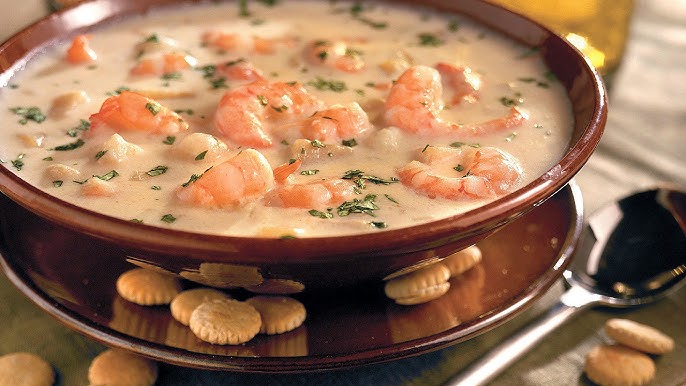
Shrimp Chowder Recipe: There’s something magical about a steaming bowl of shrimp chowder. It’s creamy, comforting, rich in flavor, and packed with juicy shrimp and hearty vegetables. Whether you’re cozied up on a chilly evening or just craving something indulgent, this dish hits all the right notes. Plus, it’s surprisingly easy to make at home—even if you’re not a seasoned chef.
You don’t need a fancy kitchen or a long list of exotic ingredients. With a few basics and a little know-how, you can whip up a shrimp chowder that tastes like it came from a high-end coastal bistro. Ready to dive in? Let’s make your kitchen smell amazing.
What Makes Shrimp Chowder So Irresistible?
What’s not to love? Shrimp chowder brings together the rich, velvety texture of a cream-based soup and the light, briny freshness of seafood. It’s like a cozy blanket and a trip to the seaside—rolled into one.
Here’s why it stands out:
- Balanced flavors: The sweetness of the shrimp pairs beautifully with savory herbs, onions, and potatoes.
- Creamy texture: The thick, luxurious base makes it super satisfying without being too heavy.
- Quick cook time: Unlike meat-based stews, shrimp chowder doesn’t take hours to make.
- Customizable: Want it spicy? Add cayenne. Dairy-free? Use coconut milk. You can tweak it to your liking.
In short, shrimp chowder is one of those comfort foods that feels like a treat but doesn’t demand too much effort—perfect for weeknights, date nights, or feeding a crowd.
Types of Chowder: A Quick Breakdown
Before we dive into the recipe, let’s talk chowder styles. Not all chowders are created equal, and depending on where you live, you might be familiar with different versions.
- New England-style: Creamy, rich, and usually made with potatoes and dairy. This is the base style we’re using for our shrimp chowder.
- Manhattan-style: Tomato-based and a bit lighter. More of a brothy soup than a thick chowder.
- Southern-style chowders: Often use corn, okra, or spice blends for a Creole or Cajun twist.
Our shrimp chowder borrows from the New England tradition with its creamy base but adds a touch of Southern flair by including bold seasonings and sweet corn. Let’s get into the ingredients.
List of Ingredients You’ll Need
Seafood Essentials
- 1 lb raw shrimp (peeled and deveined; tails removed)
- Optional: A few extra for garnish (sautéed separately)
Vegetables That Add Depth
- 1 large onion (diced)
- 2 celery stalks (chopped)
- 2 cloves garlic (minced)
- 2 medium potatoes (peeled and diced)
- 1 cup corn kernels (fresh or frozen)
- Optional: 1 bell pepper (diced)
Liquids and Bases
- 2 tablespoons butter
- 1 tablespoon olive oil
- 2 cups seafood stock (or chicken broth)
- 2 cups whole milk
- 1 cup heavy cream
- Optional: ¼ cup white wine (for extra depth)
Seasonings and Extras
- Salt and pepper to taste
- ½ teaspoon smoked paprika
- ½ teaspoon thyme
- ¼ teaspoon cayenne pepper (optional for heat)
- 2 tablespoons fresh parsley (chopped)
- Juice of ½ lemon (brightens everything up)
These ingredients are easy to find and work together beautifully. The shrimp is obviously the star, but everything else supports its flavor in just the right way.
Equipment You’ll Need
- Large soup pot or Dutch oven
- Wooden spoon or spatula
- Knife and cutting board
- Ladle
- Measuring cups and spoons
No fancy tools here—just your everyday kitchen basics.
Step-by-Step Guide to Making Shrimp Chowder
Step 1: Preparing the Shrimp
Peel and devein the shrimp, removing shells and tails if desired. Rinse gently under cold water and pat dry. Season lightly with salt and pepper, then set aside in the refrigerator while you prepare the rest of the ingredients. If you like extra seafood flavor, keep the shells to make a quick stock.
Step 2: Chopping the Vegetables
Dice onions, potatoes, celery, and carrots into small, even pieces so they cook evenly. Mince garlic and chop a little parsley for freshness at the end. Consistent chopping helps the chowder cook smoothly and gives it a nice texture.
Step 3: Building the Flavor Base
Melt butter or heat oil in a pot over medium heat. Sauté onions, celery, and carrots until soft and fragrant. Add garlic and cook briefly. Stir in flour to create a light roux, then slowly add broth or milk, whisking to avoid lumps.
Step 4: Simmering the Chowder
Add diced potatoes and bring to a gentle simmer. Cook until the potatoes are tender. Taste and adjust seasoning with salt, pepper, or a pinch of paprika.
Step 5: Adding Shrimp and Final Touches
Add the shrimp during the last few minutes—they cook quickly. Simmer just until pink and opaque, then stir in cream, corn, or herbs if desired. Finish with parsley and serve warm.
Tips for the Creamiest, Most Flavorful Chowder
Want your chowder to taste like it came from a five-star kitchen? Here are a few pro tips to take yours over the top:
- Use fresh shrimp whenever possible. It makes a difference in flavor and texture.
- Don’t rush the sautéing step. Let the onions and celery caramelize slightly to unlock their sweetness.
- Simmer, don’t boil. High heat can split the dairy and make your chowder gritty or greasy.
- Layer your seasonings. Season at every stage—from veggies to broth to finish.
- Finish with acid. That squeeze of lemon at the end brings balance and brightness.
If you follow these tips, your chowder will be ultra-creamy, flavorful, and deeply satisfying.
Common Mistakes to Avoid
Even simple recipes can go wrong if you’re not careful. Here are a few common chowder mistakes and how to steer clear of them:
- Overcooking the shrimp. Shrimp cook fast—just a few minutes. Add them last and take the pot off the heat as soon as they’re done.
- Boiling the dairy. This can cause curdling or a gritty texture. Keep the heat low after adding milk and cream.
- Skipping the seasoning. Always taste as you go and adjust. Underseasoned chowder can taste flat.
- Not chopping vegetables evenly. Uneven pieces mean uneven cooking. Keep your cuts consistent.
- Using low-fat milk. For best results, use whole milk and heavy cream. Low-fat options may make the chowder watery.
Avoid these pitfalls, and you’ll be golden.
Best Sides to Serve with Shrimp Chowder
Shrimp chowder is hearty on its own, but the right side dish can turn it into a full-on feast. Here are a few tasty pairings:
- Crusty sourdough bread or garlic bread
- Cornbread or biscuits
- Oyster crackers or seasoned croutons
- Simple side salad with vinaigrette
- Grilled asparagus or green beans
Want to keep things light? Go for veggies. Feeling indulgent? Bring on the bread.
Storing and Reheating Shrimp Chowder
Leftovers? Great news: shrimp chowder tastes even better the next day once the flavors have had more time to mingle. But there’s a right way to store and reheat it to keep everything creamy and delicious.
Storing:
- Let it cool: Always let your chowder cool to room temperature before storing it.
- Use airtight containers: Transfer it to airtight containers and place in the refrigerator.
- Refrigeration time: It will stay fresh for up to 3 days in the fridge.
Reheating:
- Use the stovetop: Gently reheat your chowder in a pot over low to medium heat. Stir frequently to prevent scorching.
- Avoid boiling: High heat can separate the cream or overcook the shrimp.
- Microwave option: You can microwave individual portions, but do it in short bursts (30 seconds at a time), stirring in between.
Pro Tip: If your chowder has thickened in the fridge, add a splash of broth or milk while reheating to restore that creamy texture.
Can You Freeze Shrimp Chowder?
This is one of the most common questions—and the answer is: yes, but with caution.
Cream-based soups can sometimes separate or turn grainy after freezing. However, you can freeze shrimp chowder if you follow a few tricks:
How to Freeze It:
- Cool it completely.
- Divide into portions: This helps with faster thawing and avoids waste.
- Use freezer-safe containers or bags.
- Label with the date (so you don’t forget how long it’s been sitting there).
It will keep for up to 2 months in the freezer.
How to Thaw and Reheat:
- Thaw overnight in the fridge.
- Reheat slowly on the stove, stirring often.
- Add extra cream or broth if it looks too thick or grainy.
Just keep in mind: the shrimp may be slightly softer after freezing, but the flavor will still be delicious.
Shrimp Substitutes: Making It Work Without Shrimp
Don’t eat shrimp or want to change things up? No problem. There are plenty of tasty alternatives that work well in chowder.
Here are a few great substitutions:
- Crab Meat: Sweet and tender—pairs well with the creamy base.
- Clams or Scallops: Adds a true seafood chowder feel.
- White Fish (like cod or haddock): Mild flavor and hearty texture.
- Smoked Salmon: Adds a rich, smoky twist.
- Chicken or Turkey: For a land-based alternative—great for leftovers.
- Vegetarian version: Add mushrooms, corn, and more potatoes. Use veggie broth and dairy-free milk if needed.
Don’t be afraid to get creative. Chowder is flexible and forgiving—what matters most is that you enjoy every spoonful.
Health Benefits of Eating Shrimp Chowder
You might think creamy chowder is purely indulgent, but shrimp chowder actually offers several health benefits—especially when made with fresh, wholesome ingredients.
Here’s what’s good about it:
- High in protein: Shrimp is lean, protein-rich, and low in calories.
- Packed with nutrients: Shrimp contains selenium, B12, iodine, and omega-3s.
- Supports brain health: Omega-3 fatty acids and antioxidants promote cognitive function.
- Comfort food without the guilt: If you use healthy fats and control portions, chowder can be part of a balanced diet.
Want to lighten it up? Use half-and-half instead of heavy cream, and opt for olive oil over butter. Load up on veggies, and keep your portion size in check.
FAQs about Shrimp Chowder Recipe
1. How long does shrimp chowder last in the fridge?
Shrimp chowder stays fresh for up to 3 days when stored in an airtight container in the refrigerator.
2. Can I use frozen shrimp for this recipe?
Absolutely! Just make sure to thaw and pat them dry before cooking so they don’t release excess water into your chowder.
3. What other seafood can I add to shrimp chowder?
You can mix in crab, scallops, clams, or chunks of white fish to create a more seafood-packed version of chowder.
4. Is shrimp chowder gluten-free?
Yes—as long as you don’t add flour or thickeners with gluten. Stick with naturally gluten-free ingredients like cornstarch or simply let the potatoes thicken it.
5. How do I thicken my chowder without flour?
Try mashing some of the potatoes right in the pot, or blend a small portion of the soup and mix it back in. This gives it a creamy texture without any flour.
Conclusion
Shrimp chowder isn’t just a meal—it’s an experience. It’s cozy, creamy, and bursting with flavor. From the sweet, tender shrimp to the rich broth and perfectly cooked veggies, every spoonful offers a taste of comfort and a hint of luxury.
Whether you’re whipping this up for a weeknight dinner or serving it at a special gathering, this step-by-step guide makes it easy for anyone to create a chowder that looks and tastes gourmet.
So what are you waiting for? Grab your pot, prep your shrimp, and let your kitchen become the warm heart of your home.