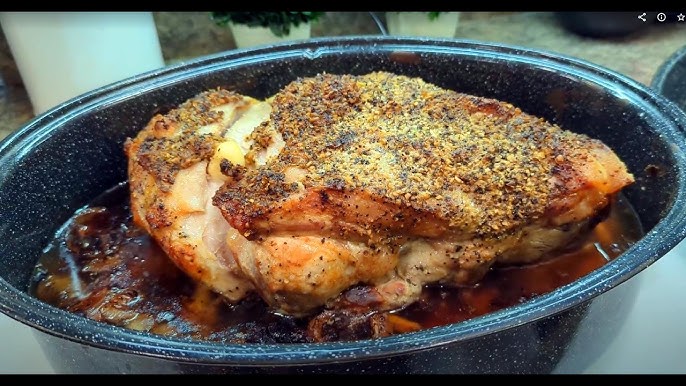
Shoulder Roast Recipe: Cooking a shoulder roast is like creating comfort food magic in your kitchen. This cut of meat is known for its rich flavor, tenderness when cooked low and slow, and ability to absorb spices beautifully. Unlike other premium cuts, shoulder roast is budget-friendly, making it an excellent choice for family dinners, holidays, or Sunday meals where you want both flavor and value.
What Makes Shoulder Roast Special
The shoulder roast comes from the well-exercised part of the animal, meaning it has lots of connective tissue and marbling. When cooked quickly, it can be tough, but when braised, roasted, or slow-cooked, those tissues break down into melt-in-your-mouth goodness. This makes it one of the most rewarding cuts to cook if you’re patient.
Why It’s Perfect for Family Meals
One shoulder roast can easily feed a whole family, and it pairs wonderfully with hearty sides like mashed potatoes, roasted veggies, or even a simple salad. Its versatility also allows you to transform leftovers into sandwiches, tacos, or stews the next day. So, whether you’re cooking for a crowd or just want a dish that stretches your budget, shoulder roast delivers every time.
Ingredients You’ll Need
Making the perfect shoulder roast starts with the right ingredients.
Main Ingredients
- 1 (3–4 lb) beef shoulder roast (or pork if preferred)
- 2 tablespoons olive oil or vegetable oil
- 1 large onion, sliced
- 4 cloves garlic, minced
- 3 large carrots, cut into chunks
- 3–4 potatoes, cut into halves
Seasoning and Herbs
- 2 teaspoons salt
- 1 teaspoon black pepper
- 1 teaspoon paprika
- 1 teaspoon thyme (fresh or dried)
- 1 teaspoon rosemary (fresh or dried)
- 2 bay leaves
Optional Add-ons for Extra Flavor
- 1 cup red wine (for depth of flavor)
- 2 cups beef broth (or chicken broth for pork roast)
- 2 stalks celery (chopped)
- Mushrooms (optional for earthy flavor)
- Worcestershire sauce (for richness)
With these ingredients, you’ll have everything needed to build a flavorful roast with tender meat and delicious vegetables.
Preparing the Shoulder Roast
Choosing the Best Cut of Meat
Always look for a roast with good marbling. The fat ensures your roast stays moist and flavorful. A boneless cut is easier to carve, but a bone-in roast often adds more depth of flavor during cooking.
Prepping and Marinating the Roast
Before cooking, pat the roast dry with paper towels. This helps create a better sear. Rub the meat generously with olive oil, salt, pepper, paprika, and herbs. If you have time, marinate the roast overnight in the fridge to allow the flavors to penetrate deeply.
Tools and Equipment You’ll Need
- A heavy-bottomed Dutch oven or roasting pan
- Sharp carving knife
- Meat thermometer
- Aluminum foil (to rest the meat after cooking)
Step-by-Step Guide to Cooking Shoulder Roast
Cooking shoulder roast is all about slow, steady heat. Follow these steps:
Step 1 – Preheat and Prepare
Preheat your oven to 325°F (163°C). If you’re using a slow cooker, set it to low. Place your seasoned roast on the counter to bring it closer to room temperature before searing.
Step 2 – Searing the Meat
Heat oil in a Dutch oven over medium-high heat. Sear the roast on all sides until golden brown. This locks in juices and adds rich flavor.
Step 3 – Adding Vegetables and Broth
After searing, remove the roast and sauté onions, garlic, carrots, and celery until fragrant. Deglaze the pan with red wine or broth, scraping up the browned bits. Place the roast back into the pot, add potatoes, bay leaves, and herbs.
Step 4 – Slow Cooking or Oven Roasting
- Oven Method: Cover the pot and roast in the oven for 3–4 hours, depending on size.
- Slow Cooker Method: Place everything in the slow cooker and cook on low for 7–8 hours.
- Instant Pot Method: Use the pressure cook setting for 60–70 minutes, then let it release naturally.
Step 5 – Resting and Serving
Once the roast is tender and pulls apart easily, remove it from the pot. Tent with foil and let it rest for 10–15 minutes. This redistributes the juices. Slice or shred, then serve with the cooked vegetables and broth as gravy.
Tips for the Perfect Shoulder Roast
- Always sear the meat before slow cooking. It adds a deep, rich flavor.
- Don’t rush—low and slow cooking transforms tough cuts into tender bites.
- Add root vegetables like turnips or parsnips for extra depth.
- If the broth is too thin, remove the roast and simmer the liquid until thickened into a gravy.
Serving Suggestions
A perfectly cooked shoulder roast deserves equally delicious side dishes. The rich, savory flavor of the roast pairs well with a variety of accompaniments that balance the meal and bring out the best in the meat.
Side Dishes That Pair Well
- Mashed Potatoes: Creamy mashed potatoes are the ultimate partner for roast. The buttery texture soaks up the flavorful gravy perfectly.
- Roasted Vegetables: Carrots, Brussels sprouts, and parsnips roasted with olive oil and herbs add a sweet, earthy balance.
- Buttered Rice or Pilaf: Lightly seasoned rice makes a simple yet comforting side dish.
- Fresh Salad: A crisp green salad with vinaigrette cuts through the richness of the roast.
- Crusty Bread: Warm bread is perfect for dipping into the flavorful juices.
Leftover Ideas
One of the best things about shoulder roast is the leftovers. You can reinvent the meat in so many creative ways:
- Sandwiches: Shred the meat and pile it onto crusty bread with cheese and barbecue sauce.
- Tacos: Add shredded roast to tortillas with salsa and avocado for a Mexican twist.
- Soups and Stews: Dice the leftovers and toss them into broth with veggies for a hearty soup.
- Pasta Dishes: Combine shredded roast with marinara sauce and serve over pasta.
- Breakfast Hash: Fry chopped roast with potatoes, onions, and eggs for a filling breakfast.
With these ideas, your roast stretches further and provides more than just one hearty dinner.
Storage and Reheating Tips
Leftovers are inevitable with a large shoulder roast, so proper storage is key to keeping them fresh.
- Refrigeration: Store cooked roast in an airtight container with some of the cooking juices to prevent drying. It will stay fresh for up to 4 days.
- Freezing: Portion the roast into freezer bags with a bit of broth, pressing out excess air. It can last 3–4 months frozen.
- Reheating: For best results, reheat in the oven at 300°F (150°C) with some broth to keep it moist. If using the microwave, cover with a damp paper towel to prevent drying.
- Pro Tip: Always slice or shred the roast before storing. It reheats faster and absorbs flavors better.
These storage tips ensure you can enjoy your roast long after the first serving.
FAQs about Shoulder Roast Recipe
1. Can I make shoulder roast in a slow cooker?
Yes! A slow cooker is one of the best methods for shoulder roast. Just add all ingredients, set on low for 7–8 hours, and enjoy tender, fall-apart meat.
2. What is the best seasoning blend?
A mix of salt, pepper, garlic, rosemary, thyme, and paprika works wonderfully. You can also experiment with Cajun spice, Italian herbs, or a smoky barbecue rub.
3. How long should I cook a shoulder roast?
The cooking time depends on the method: 3–4 hours in the oven, 7–8 hours in a slow cooker, or 60–70 minutes in a pressure cooker. The key is cooking until the meat is fork-tender.
4. Can I freeze cooked shoulder roast?
Absolutely. Freeze it in airtight bags with some broth for up to 3–4 months. Reheat slowly to maintain tenderness.
5. What’s the difference between shoulder roast and chuck roast?
Both come from well-exercised muscles, but shoulder roast is slightly leaner, while chuck roast has more marbling. Both are excellent for slow cooking.
Conclusion
A shoulder roast is more than just a meal—it’s a centerpiece of comfort and flavor. With its budget-friendly nature, hearty taste, and versatility, it’s a dish that every home cook should master. Whether you slow-cook it for Sunday dinner, serve it with mashed potatoes for a holiday feast, or reinvent it in leftovers throughout the week, shoulder roast never disappoints. Follow the step-by-step guide, keep the tips in mind, and you’ll have a juicy, flavorful roast that your family and guests will rave about.