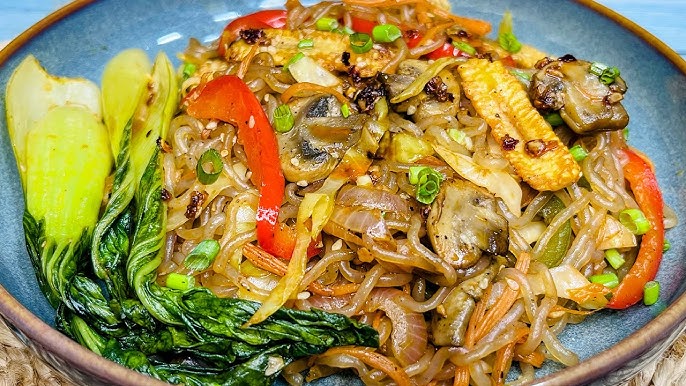
Shirataki Noodles Recipe: Shirataki noodles are the low-carb heroes of the pasta world. These transparent, gelatinous noodles are made from the konjac root, which is rich in a fiber called glucomannan. Often labeled as “miracle noodles,” they contain little to no calories or carbs, making them a go-to for keto enthusiasts, diabetics, and anyone looking to cut back on carbs without sacrificing their love for noodles.
But if you’ve ever tried shirataki noodles before and found them a bit rubbery or fishy-smelling, you’re not alone. The secret is in the prep—and once you learn the proper method, you’ll be amazed at how tasty and satisfying they can be.
This guide walks you through everything you need to know about shirataki noodles—from what they are and how to prep them, to a full recipe you can whip up today. Let’s dive in.
Benefits of Shirataki Noodles
You’ve probably seen them labeled “zero calorie” or “zero carb,” but what’s the real deal? Shirataki noodles get their health halo from the konjac plant, a root vegetable native to Asia. They’re mostly made of water and soluble fiber, with a texture similar to glass noodles or rice noodles when prepared correctly.
Here are the biggest benefits:
- Low in calories and carbs: A serving typically has 5–10 calories and virtually no digestible carbs. That’s a huge win if you’re counting macros or managing insulin levels.
- High in glucomannan fiber: This unique fiber absorbs water and expands in your stomach, helping you feel full longer.
- Great for weight management: Because they’re so low in calories, shirataki noodles can help you stay in a calorie deficit without feeling deprived.
- Gluten-free and diabetic-friendly: Ideal for those with gluten intolerance or anyone watching their blood sugar.
- Gut-friendly: Glucomannan also acts as a prebiotic, supporting good gut bacteria.
Whether you’re on keto, paleo, or just trying to eat cleaner, shirataki noodles offer a way to enjoy comfort food without guilt.
Different Types of Shirataki Noodles
Not all shirataki noodles are created equal. You’ll find a few different versions in stores, and knowing the difference helps you get the best texture and taste for your recipe.
Here are the main types:
Traditional Shirataki Noodles
These are 100% konjac root and water. They’re translucent, slightly chewy, and completely carb-free.
Tofu Shirataki Noodles
These include tofu in the mix, making them more opaque and a bit softer in texture. They also have a few extra calories and carbs—but still very minimal.
Different Shapes and Styles
- Spaghetti-style: Perfect for Italian recipes.
- Fettuccine-style: A bit wider, great for creamy sauces.
- Rice-style: Ideal for stir-fries and Asian rice bowls.
- Angel hair: Thinner, faster to cook, absorbs sauces well.
Choose based on what you’re making. For example, use rice-style shirataki for a stir-fry, and spaghetti-style for a keto carbonara.
Where to Buy Shirataki Noodles
You can find shirataki noodles in:
- Health food stores like Whole Foods or Sprouts
- Asian grocery stores, usually in the refrigerated tofu section
- Major grocery chains (check near the produce or tofu aisle)
- Online retailers: Amazon, Thrive Market, Walmart.com
They’re often sold in plastic packages filled with water. Always check the expiration date and try different brands until you find one you love.
What Do Shirataki Noodles Taste Like?
Here’s the honest truth: right out of the bag, they don’t smell great. Some people describe the odor as “fishy” because of the natural compounds in konjac root and the alkaline water they’re packed in.
BUT—when prepared properly, that smell disappears completely, and the noodles take on the flavor of whatever sauce or broth you cook them in. They’re neutral, slightly chewy, and satisfying—especially when pan-fried to remove extra moisture.
Think of them like tofu: bland on their own, but incredibly adaptable.
Preparing Shirataki Noodles the Right Way
If you skip this step, you’ll be disappointed. Proper prep is what transforms shirataki noodles from weird and rubbery to restaurant-worthy.
Step 1: Rinse Thoroughly
Open the package, dump the noodles in a colander, and rinse under cold running water for at least 1–2 minutes. This removes the odor and sliminess.
Step 2: Boil
Boil the noodles in water for 2–3 minutes. This helps improve texture and further removes the smell.
Step 3: Pan Fry (Dry Fry)
This is KEY. Toss the boiled noodles into a dry non-stick pan over medium heat. Stir constantly for 5–10 minutes to evaporate all moisture. You’ll notice them squeaking—this means they’re drying out and getting the perfect bite.
Once they’re dry, they’re ready to soak up any sauce you add. Now let’s get to the recipe!
Ingredients You’ll Need
Here’s what you need for a basic yet flavorful shirataki noodle stir-fry:
- 1–2 packs of shirataki noodles
- 1 tablespoon olive oil (or sesame oil for Asian flavor)
- 2 cloves garlic, minced
- 2 tablespoons soy sauce (or tamari for gluten-free)
- 1 teaspoon grated ginger (optional but adds flavor)
- 1/2 cup sliced bell peppers
- 1/2 cup mushrooms, sliced
- 1/2 cup spinach or bok choy
- Protein of choice: cooked chicken, shrimp, tofu, or beef strips
- Chili flakes or sriracha (for heat, optional)
- Green onions and sesame seeds for garnish
- Lime wedges for serving
This makes a great single meal or can serve two if paired with side dishes.
Step-by-Step Guide to Cooking Shirataki Noodles
Alright, now that you’ve got your ingredients ready, it’s time to bring everything together. This step-by-step method ensures your shirataki noodles taste amazing, not rubbery or bland. Follow each step closely, and you’ll have a delicious, low-carb meal in under 30 minutes.
Step 1: Rinse Thoroughly
Open the package and drain the liquid. Rinse the shirataki noodles under cold running water for 1–2 minutes. This helps remove the characteristic odor and refreshes the noodles.
Step 2: Boil to Reduce Smell and Rubbery Texture
Bring a pot of water to a boil and add the noodles. Boil for 2–3 minutes. This step improves texture and further removes any lingering smell.
Step 3: Dry-Fry in a Pan
Drain well, then place the noodles in a large dry pan over medium heat. Cook for 5–8 minutes, stirring frequently, until the noodles squeak slightly and most moisture evaporates. This allows sauces to cling better later.
Step 4: Add Aromatics and Sauces
Push noodles to the side, add a little oil, then sauté garlic, ginger, or onions. Toss everything together and add your sauces—soy sauce, tamari, chili paste, sesame oil, or stir-fry sauce. Coat noodles evenly.
Step 5: Combine with Veggies and Protein
Add sliced veggies like bell peppers, carrots, snap peas, mushrooms, or spinach. Stir in cooked protein such as tofu, chicken, shrimp, or eggs. Cook until everything is heated through and tender-crisp.
Step 6: Simmer and Serve
Let the noodles simmer briefly to absorb flavors. Taste and adjust seasoning with salt, pepper, lime juice, or extra sauce. Serve hot, topped with sesame seeds or scallions for a fresh finish.
Popular Shirataki Noodle Variations
Want to switch things up? Shirataki noodles are super versatile, and once you’ve mastered the basic recipe, the options are endless. Here are some delicious ways to use them:
Shirataki Stir Fry
Use stir-fry veggies like bok choy, carrots, snow peas, and mushrooms. Toss with teriyaki or hoisin sauce and your protein of choice.
Shirataki Ramen
Use angel hair shirataki noodles in a rich broth with soft-boiled eggs, miso paste, nori, and scallions. It’s warm, comforting, and keto-friendly.
Shirataki Alfredo
Craving creamy pasta? Use fettuccine-style noodles and a simple Alfredo sauce made from butter, garlic, heavy cream, and parmesan.
Shirataki Pad Thai
Combine shirataki noodles with scrambled egg, peanuts, bean sprouts, lime juice, and peanut sauce. It’s a sweet-and-savory explosion.
Once you start experimenting, you’ll realize these noodles can stand in for almost any dish you’d normally use pasta or rice in.
Tips for Cooking with Shirataki Noodles
Here are a few quick pro tips to level up your shirataki noodle game:
- Always dry-fry the noodles. It’s the key to removing that odd texture and getting them to soak up flavor.
- Use bold sauces. Shirataki noodles don’t have much flavor on their own, so go heavy on garlic, ginger, soy sauce, or chili paste.
- Add fats for richness. Healthy fats like sesame oil, olive oil, or even butter make the dish more satisfying.
- Pre-cook your protein. Since shirataki noodles don’t take long to cook, it’s best to have your protein ready to toss in.
- Cut them shorter if they’re too long. It helps with mixing and makes eating easier.
Shirataki Noodles vs Traditional Noodles
Let’s do a quick comparison:
| Feature | Shirataki Noodles | Traditional Pasta |
|---|---|---|
| Calories (per serving) | 5–10 | 200–220 |
| Carbs (net) | 0–2g | 40–45g |
| Gluten-free | Yes | Usually no |
| High in fiber | Yes (glucomannan) | No |
| Taste | Neutral, chewy | Rich, starchy |
| Cooking time | Quick | Medium |
Bottom line: Shirataki noodles are great for low-carb or keto diets, while traditional pasta is better if you’re looking for something hearty and high-energy.
How to Store Shirataki Noodles
Wondering what to do with leftovers or unopened packs? Here’s how to store them:
Unopened Packs
- Keep them in the refrigerator, not the freezer.
- They typically last for several months, thanks to the liquid they’re packed in.
- Don’t freeze them—it ruins the texture.
Opened or Cooked Noodles
- Store cooked noodles in an airtight container in the fridge.
- They’re best eaten within 2–3 days.
- You can reheat them in a skillet or microwave (cover to retain moisture).
Meal Prep with Shirataki Noodles
Can you meal prep shirataki noodles? Absolutely. In fact, they hold up better than traditional pasta in many cases.
- Cook the noodles and your protein separately to avoid sogginess.
- Store in containers with sauce on the side, and mix when reheating.
- They stay fresh for up to 3 days, perfect for quick lunches or dinner.
One thing to note: they don’t freeze well due to their high water content, so stick to fridge storage only.
Are Shirataki Noodles Good for You?
Short answer? Yes—shirataki noodles are one of the healthiest pasta alternatives out there. They’re packed with benefits and work well for many different dietary needs. But, like with anything, there are a few things to keep in mind.
The Health Benefits
- Low in Calories and Carbs: A full serving has almost no digestible carbs, making it perfect for people watching their blood sugar, on a ketogenic diet, or simply trying to reduce their carb intake.
- Rich in Glucomannan Fiber: This is a soluble fiber that absorbs water and expands in your stomach. It helps you feel full for longer and can even support better digestion.
- Blood Sugar Friendly: Because they don’t spike your glucose levels, they’re ideal for people managing diabetes or insulin resistance.
- Gut Health: The fiber in shirataki noodles acts as a prebiotic, which means it feeds the good bacteria in your gut—important for digestion, immunity, and even mood.
Any Downsides?
- Can Cause Bloating: Some people may experience bloating or gas if they aren’t used to high-fiber foods. Start with small portions.
- Not Super Nutritious on Their Own: While they’re low in calories, they also don’t contain many vitamins or minerals. That’s why pairing them with nutrient-rich veggies and protein is key.
- Texture Takes Getting Used To: If you’re expecting them to taste exactly like spaghetti or ramen, you might be disappointed. But once you understand their texture, they’re actually pretty fun to eat!
So, yes—they’re healthy, and they’re a smart addition to a balanced diet when prepared properly.
FAQs about Shirataki Noodles Recipe
1. Can you eat shirataki noodles raw?
Technically, yes. They’re fully cooked and preserved in liquid, so they’re safe to eat straight out of the package. But they’ll smell and taste funky. Always rinse and cook them for the best experience.
2. Are shirataki noodles suitable for keto?
Absolutely. They have almost zero net carbs, which makes them one of the most keto-friendly foods you can eat. Just be sure to avoid sugary sauces when preparing them.
3. How do I get rid of the rubbery texture?
Dry-frying is the trick. After rinsing and boiling, toss the noodles in a non-stick pan without oil for 5–10 minutes. This helps them firm up and gives them a more pasta-like bite.
4. Can I microwave shirataki noodles?
Yes, you can microwave them after rinsing and boiling, especially if you’re in a rush. But pan-frying gives the best texture. Just be sure to drain them well first if using the microwave.
5. Are shirataki noodles safe for kids?
Yes! They’re safe and can be a fun, low-calorie addition to meals for kids. Just monitor portion sizes and avoid overly spicy or salty sauces.
Conclusion
Shirataki noodles might seem intimidating at first, especially if you’ve heard rumors about their texture or smell. But once you know how to prepare them, they become a total game-changer in your kitchen. Whether you’re following keto, cutting carbs, or just want a guilt-free noodle fix, this zero-carb pasta alternative is here to stay.
Remember:
- Always rinse, boil, and dry-fry for best texture.
- Don’t be shy with seasonings and sauces—these noodles love bold flavors.
- Pair them with colorful veggies and a good protein to create a balanced, delicious meal.
You don’t have to give up noodles to stay on track with your goals—just make smarter swaps. Shirataki noodles let you enjoy comfort food with way fewer calories and carbs. Now that you’ve got the step-by-step process, the only thing left to do is get cooking!