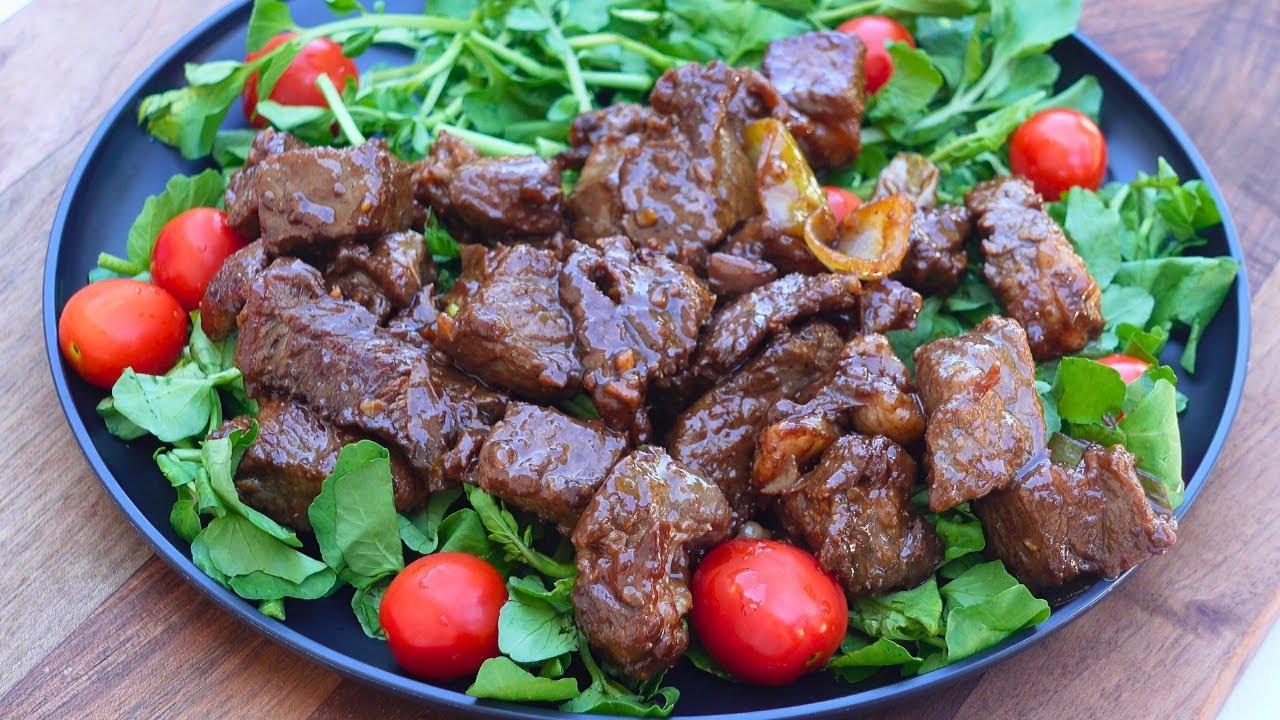
Shaking Beef Recipe: Ever found yourself craving a dish that’s savory, slightly sweet, packed with umami, and quick to whip up? Shaking beef is that magic meal. This Vietnamese-inspired stir-fry is a mouthwatering medley of tender, juicy beef cubes seared to perfection and tossed in a rich, tangy sauce with fresh vegetables. Whether you’re a total kitchen newbie or a seasoned home cook, learning how to make shaking beef can instantly elevate your dinner game.
This guide will walk you through everything – from selecting the right cut of meat to mastering the marinade, and finally, shaking that beef like a pro. We’ll also dive into tips for cooking, plating, and even how to store leftovers (if there are any!). And the best part? You don’t need to be a chef or own fancy gear. All you need is a wok or pan, fresh ingredients, and a little bit of confidence.
Let’s get cooking, shall we?
What is Shaking Beef?
Shaking beef, also known as Bò Lúc Lắc in Vietnamese, is a popular stir-fry dish that features cubed beef, seared at high heat and quickly tossed (“shaken”) with a flavorful sauce, typically over a bed of watercress, lettuce, or with rice. It’s a blend of Vietnamese flavors and French influence – a perfect harmony of east meets west.
Origins of the Dish
Bò Lúc Lắc originated in Vietnam but carries strong hints of French colonial cuisine. The French influence is reflected in the use of high-quality beef cuts and Western-style cooking techniques like pan-searing. Over time, this dish evolved to blend traditional Vietnamese seasonings like soy sauce and fish sauce, giving it the umami-rich flavor we now love.
Why It’s Called “Shaking” Beef
The name comes from the tossing (or shaking) technique used to cook the beef in a hot pan or wok. This fast movement ensures that the beef sears evenly and locks in the juices, all while keeping the texture tender. That “shake” is where the magic happens — it’s not just fun to say, it’s what gives the dish its signature style.
List of Ingredients You’ll Need
The beauty of shaking beef lies in its simplicity. You don’t need hard-to-find spices or fancy sauces. Most of these ingredients are pantry staples or easily found at any local grocery store.
Main Ingredients:
- 1.5 lbs of tender beef (sirloin, filet mignon, or ribeye)
- 1 medium red onion (sliced thin)
- 1 bell pepper (red or yellow – optional, sliced)
- 4 cloves garlic (minced)
- 2 tablespoons cooking oil (vegetable or canola)
For the Marinade:
- 2 tablespoons soy sauce
- 1 tablespoon oyster sauce
- 1 teaspoon sugar
- 1 tablespoon rice vinegar or lime juice
- 1 teaspoon freshly ground black pepper
For the Sauce:
- 1 tablespoon soy sauce
- 1 tablespoon oyster sauce
- 1 teaspoon fish sauce
- 1 teaspoon sugar
- 1 teaspoon sesame oil
- 1 tablespoon water (or beef broth for more flavor)
Optional Garnishes & Sides:
- Fresh watercress or lettuce (as a base)
- Cooked jasmine rice or garlic fried rice
- Pickled red onions or sliced cucumbers
- Lime wedges
Pro tip: For a more elevated version, you can even add a splash of red wine to the sauce to give it that rich restaurant-style depth.
Essential Kitchen Tools for Shaking Beef
Don’t worry — you won’t need a Michelin-star setup. Here’s what’s essential to make the perfect shaking beef.
Must-Have Tools:
- Wok or large skillet: This helps distribute heat evenly for searing.
- Tongs or spatula: For flipping and shaking the beef without piercing it.
- Mixing bowls: One for marinating and another for mixing sauce.
Helpful but Optional Tools:
- Meat thermometer: To check if your beef is cooked to your liking (medium rare, ideally).
- Garlic press: Makes prep easier if you’re not into mincing garlic by hand.
- Slicer or mandoline: For perfectly thin veggie slices.
Now that your tools are ready, it’s time to pick the star of the show – the beef.
Choosing the Best Beef Cut for Shaking Beef
This dish lives and dies by the quality of the beef. Use a cut that’s tender, juicy, and cooks fast.
Top Beef Cuts to Use:
- Filet mignon – Ultra-tender and buttery (but pricey).
- Sirloin – Balanced in flavor, texture, and cost.
- Ribeye – Fat-marbled and rich in flavor.
- Flank steak – A leaner option; just slice it thin against the grain.
Why Tenderness Matters
You’re working with high heat and fast cooking. Tough cuts like stew meat or chuck roast won’t cut it here – literally. You want a tender cut that can be seared quickly and still melt in your mouth. If you’re working with a slightly tougher cut, consider tenderizing it with a meat mallet or a splash of pineapple juice (enzymes help break down fibers).
How to Prepare the Beef Properly
Let’s be real—nailing the prep stage is half the battle when it comes to a delicious shaking beef. If you get this right, you’ll already be on the road to restaurant-quality flavor. Here’s how to properly prepare your beef for the pan.
Slicing the Beef for Optimal Flavor
Start by cutting your beef into 1 to 1.5-inch cubes. You want them big enough to stay juicy on the inside but small enough to cook quickly on the outside. The key here is uniformity—make sure each cube is about the same size so they cook evenly. Always slice against the grain for maximum tenderness. This helps break down the muscle fibers and keeps each bite melt-in-your-mouth soft.
If your beef was frozen, make sure it’s fully thawed before slicing. Partially frozen beef might be easier to cut, but it won’t absorb the marinade as well.
Marinating Tips and Timing
Once the beef is sliced, transfer it to a large mixing bowl and combine it with your marinade ingredients: soy sauce, oyster sauce, rice vinegar (or lime juice), sugar, garlic, and black pepper. Mix it well—get those hands in there if you need to—and make sure each piece is fully coated.
Cover and let it marinate in the fridge for at least 30 minutes, though 1–2 hours is ideal. Some people even do it overnight for maximum flavor infusion. Just don’t go too far—acidic marinades can start to “cook” the beef if left too long.
Bonus tip: Before cooking, let the marinated beef sit at room temperature for 15 minutes. This helps it cook evenly and prevents it from cooling the pan too much when it hits the heat.
How to Make Shaking Beef (Step-by-Step Instructions)
Now for the fun part—cooking! Shaking beef is all about high heat, fast movement, and bold flavor. Follow these steps closely and you’ll have a masterpiece on your plate in no time.
Step 1: Marinate the Beef
As mentioned earlier, marinate the beef with:
- 2 tbsp soy sauce
- 1 tbsp oyster sauce
- 1 tbsp rice vinegar or lime juice
- 1 tsp sugar
- 4 cloves minced garlic
- 1 tsp ground black pepper
Mix everything well and let it chill for at least 30 minutes.
Step 2: Prep the Vegetables
While the beef is marinating, slice your veggies:
- Red onion into thin strips or wedges
- Bell pepper into strips (if using)
- Optional: wash and pat dry your leafy greens like watercress or lettuce
Set them aside so they’re ready when you are.
Step 3: Mix the Stir-Fry Sauce
In a small bowl, whisk together:
- 1 tbsp soy sauce
- 1 tbsp oyster sauce
- 1 tsp fish sauce
- 1 tsp sugar
- 1 tsp sesame oil
- 1 tbsp water or beef broth
This sauce will coat the beef at the end and give that sticky, savory finish.
Step 4: Sear the Beef
Time to cook! Heat 2 tablespoons of oil in your wok or skillet over high heat. When the oil starts to shimmer (but not smoke), it’s ready.
Place the beef cubes in a single layer—don’t overcrowd the pan! Let them sear for 30–60 seconds per side. You want a good char without overcooking. If your pan isn’t big enough, do this in batches.
Step 5: Toss & “Shake” the Beef with Sauce
Once the beef is seared, return everything to the pan (if cooked in batches). Add your onions and bell peppers, then pour in the stir-fry sauce.
Now comes the “shaking” part—keep the pan moving! Toss the beef and veggies together quickly, making sure everything gets coated and the sauce reduces slightly, forming a delicious glaze.
Cook for another 2–3 minutes tops. You want the veggies slightly softened but still crisp, and the beef just cooked through (medium-rare to medium is perfect).
Step 6: Plate and Serve
Place a handful of watercress or lettuce on a serving plate, and spoon the shaking beef and veggies over the top. Garnish with:
- Freshly ground black pepper
- Lime wedges
- A sprinkle of chopped green onions or cilantro if desired
Serve immediately with a side of hot jasmine rice or even garlic fried rice for a next-level experience.
Pro Cooking Tips for Perfect Shaking Beef
Let’s take your shaking beef from “good” to “unforgettable.” These tips might sound small, but they make a huge difference in the final flavor and texture.
Heat Control and Searing
High heat is non-negotiable. This dish relies on a quick sear to lock in flavor and juices. If your pan isn’t hot enough, the beef will steam instead of sear, and you’ll miss out on that iconic caramelization.
Make sure your oil is hot before adding the beef, and never overcrowd the pan. If necessary, cook in small batches and combine at the end.
Why Timing is Everything
Overcooked beef is the enemy. Even 30 seconds too long can turn tender cubes into chewy disappointment. Medium-rare to medium is your goal. Use a meat thermometer if needed (135°F to 145°F internal temp).
Also, don’t overcook the vegetables. You want them to retain their crunch for contrast.
Finally, don’t skip the resting step after cooking. Let the beef sit for 3–5 minutes before serving. This helps redistribute the juices and keeps every bite flavorful.
Serving Suggestions for Shaking Beef
Shaking beef is versatile—it can be served in a variety of ways depending on your mood or the occasion.
Best Side Dishes
- Steamed Jasmine Rice: The classic. Perfect for soaking up that rich sauce.
- Garlic Fried Rice: Adds extra flavor and texture.
- Rice Noodles: For a lighter, slurpier option.
- Crusty Baguette: A nod to French influence—great for scooping up every last bite.
How to Present it Traditionally
In Vietnamese cuisine, Bò Lúc Lắc is often served over a bed of fresh watercress or lettuce, with lime juice or a lime-pepper dipping sauce on the side. It’s all about balance: hot beef, crisp greens, tangy dressing.
For a fancy twist, serve it in a sizzling hot plate, restaurant-style. The aroma and presentation? Chef’s kiss.
Variations of Shaking Beef You Should Try
Shaking beef is incredibly versatile, and once you’ve nailed the basic version, there’s a whole world of variations to explore. Whether you’re looking to switch things up for dietary reasons or just want to try something different, here are some creative takes on the classic dish.
Vietnamese Shaking Beef (Bò Lúc Lắc)
This is the traditional version we’ve been focusing on, made with cubed beef, garlic, soy-based marinade, and served over greens or with rice. The Vietnamese version typically emphasizes freshness—bright, bold flavors and that iconic lime-pepper dipping sauce. Authentic restaurants may even serve it with tomato rice or pickled veggies on the side.
To make it more traditional:
- Add a small bowl of lime juice with salt and pepper for dipping.
- Include thin slices of tomato or cucumber for a fresh contrast.
- Use shallots instead of onions for a slightly sweeter, milder taste.
Fusion-Style Shaking Beef
Want to put your own spin on it? Try these fusion ideas:
- Korean-inspired: Add a bit of gochujang (Korean chili paste) to the marinade for a spicy, savory twist.
- Thai-style: Mix in Thai basil and use fish sauce more liberally to give it a bold, Southeast Asian kick.
- Westernized version: Serve it over mashed potatoes or even wrapped in a tortilla for a shaking beef taco night!
Vegetarian Alternatives
Yes, you can make a plant-based version and still keep it flavorful! Swap out the beef for:
- Extra firm tofu – Press it well, cube it, and marinate just like the beef. Pan-fry until golden and crisp.
- Mushrooms – Portobello or oyster mushrooms have a meaty texture and soak up flavor beautifully.
- Seitan or soy curls – These mimic the chewiness of beef and can hold up to high-heat cooking.
Pro tip: If you’re going vegetarian or vegan, double up on the umami with miso paste or vegan oyster sauce in the marinade.
Storage and Reheating Tips
Let’s say (somehow) you have leftovers. Here’s how to keep that delicious flavor intact when you revisit your shaking beef later.
How to Store Leftovers
- Refrigerator: Store in an airtight container for up to 3 days.
- Freezer: You can freeze it, but be aware the veggies may lose their crunch. Use a freezer-safe bag or container and store for up to 1 month.
Before storing, let the dish cool completely to prevent condensation, which can make your beef soggy.
Reheating Without Losing Flavor
The key to reheating shaking beef is to avoid overcooking it a second time. Here’s how:
- Stovetop (best method): Add a splash of water or broth to a hot pan and reheat on medium until just warmed through.
- Microwave: Use a microwave-safe container, cover it with a damp paper towel, and heat in short bursts (30 seconds at a time), stirring in between.
Avoid reheating multiple times, as this will dry out the beef and over-soften the veggies.
Common Mistakes to Avoid
Even a simple stir-fry can go sideways if you’re not careful. Here are some mistakes people often make—and how to avoid them.
Overcooking the Beef
This is the #1 issue. High heat cooking means you’re working fast. If you cook it too long, the beef gets tough. Stick to medium-rare or medium. Trust the sear—it brings out the flavor.
Not Marinating Long Enough
A quick dip in sauce isn’t enough. The marinade needs at least 30 minutes to penetrate and tenderize the meat. Rushing this step can result in bland beef.
Using the Wrong Pan
Avoid using nonstick pans—they don’t get hot enough for a proper sear. Go with a wok, cast iron skillet, or stainless steel. These hold and distribute heat better.
Crowding the Pan
If you dump all your beef in at once, the temperature drops, and the beef steams instead of sears. Cook in batches, and give each piece room to brown.
Skipping the Sauce Finish
Some people cook the beef and veggies and forget to toss it all in sauce at the end. Big mistake. The finishing sauce is where the flavor comes together. Don’t skip it.
Nutritional Breakdown of Shaking Beef
Wondering what you’re putting into your body? Let’s break it down.
Note: The numbers below are approximate and can vary based on your ingredients and portion size.
| Nutrient | Per Serving (Approx.) |
|---|---|
| Calories | 450–500 |
| Protein | 30–35g |
| Fat | 25–30g |
| Carbohydrates | 20–25g |
| Sugar | 5–6g |
| Sodium | 800–1000mg |
What Affects the Nutritional Value?
- Using leaner cuts of beef will lower fat content.
- Swapping in low-sodium soy sauce can cut back on salt.
- Avoid excess oil to keep calories in check.
Is Shaking Beef Healthy?
In moderation, absolutely. Shaking beef has a lot going for it—high protein, iron-rich beef, and fresh vegetables. That said, it can also be heavy on sodium and fats if you’re not careful.
How to Make It Healthier
- Use lean cuts like top sirloin or tenderloin.
- Reduce the oil used in cooking.
- Replace some sauce ingredients with low-sodium or sugar-free alternatives.
- Serve it with a larger portion of greens instead of just rice.
- Add more colorful veggies—bell peppers, snow peas, or broccoli for extra fiber and nutrients.
It’s all about balance. Shaking beef doesn’t have to be a guilty pleasure—it can be a weeknight staple with a healthy twist.
FAQs about Shaking Beef Recipe
1. What does “Lúc Lắc” actually mean in Vietnamese?
“Lúc Lắc” literally translates to “shaking” or “jiggling.” It refers to the motion used while stir-frying the beef. The name is fun and describes the exact cooking technique used—quickly shaking the beef in a hot pan.
2. Can I make shaking beef without oyster sauce?
You can! While oyster sauce adds richness and umami, you can substitute with hoisin sauce or a mixture of soy sauce and a pinch of sugar. For a vegan option, mushroom-based sauces work great.
3. Is this dish gluten-free?
Not by default, as soy sauce and oyster sauce often contain gluten. However, you can make a gluten-free version by using tamari instead of soy sauce and ensuring all sauces used are certified gluten-free.
4. What type of rice pairs best with shaking beef?
Jasmine rice is the classic choice due to its subtle aroma and fluffy texture. Garlic fried rice is also a fantastic pairing if you want something more flavorful. For a low-carb option, cauliflower rice works too!
5. Can I use pre-cut beef from the store?
Absolutely, just make sure it’s a tender cut like sirloin or tenderloin, and cut it into uniform cubes. If it’s sliced thinly like for stir-fry, reduce cooking time and toss gently to avoid overcooking.
Conclusion
Shaking beef isn’t just a dish—it’s a flavor-packed experience. It combines the boldness of Vietnamese cuisine with a Western-style stir-fry flair. From the juicy, perfectly seared beef to the zingy sauce and crisp veggies, this dish is all about balance—flavor, texture, and simplicity.
Whether you’re making a quick weeknight dinner, impressing guests, or diving into a bit of Vietnamese food culture, this recipe delivers every single time. Plus, with all the variations, it never gets boring. You can customize it to fit your taste, dietary needs, or whatever’s in your fridge.
So now that you’ve got the tools, the tips, and the step-by-step guide, it’s time to get cooking. Fire up that skillet, grab your ingredients, and get ready to shake things up in your kitchen—literally!
Bon appétit, or as they say in Vietnam, “Chúc ngon miệng!”