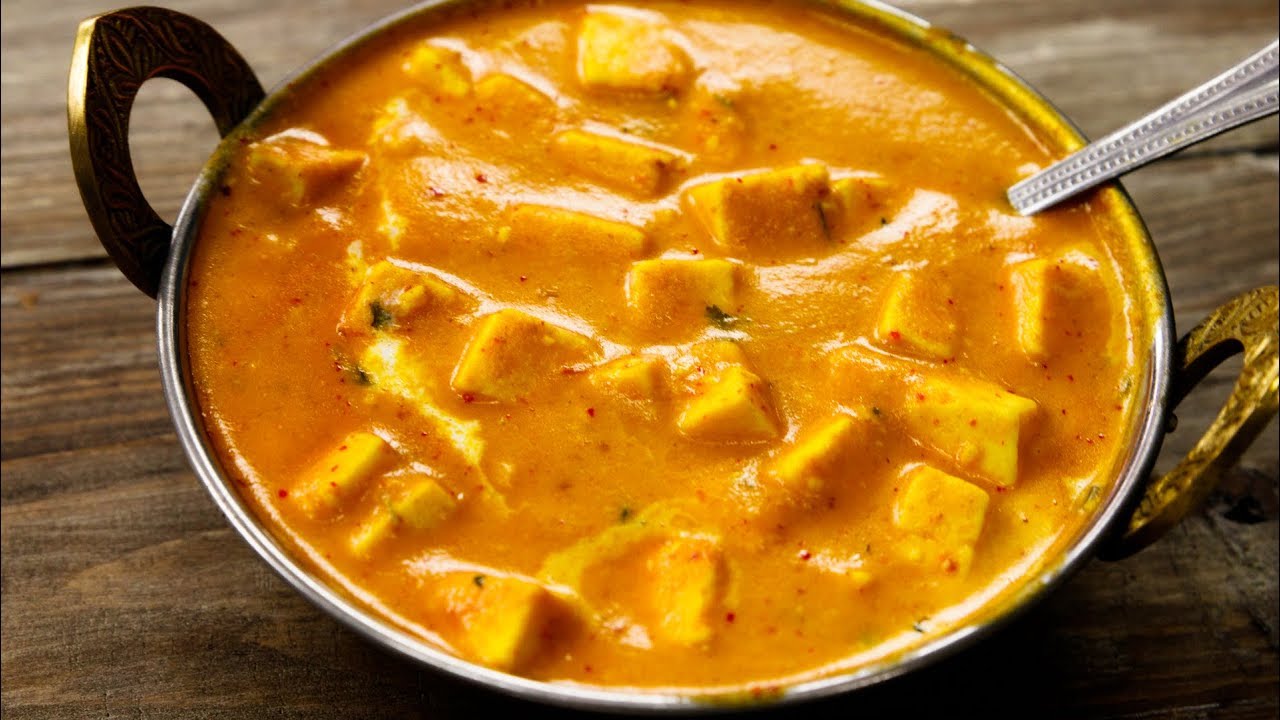
Shahi Paneer Recipe: If there’s one dish that perfectly defines the richness of Mughlai cuisine, it’s Shahi Paneer. Literally translating to “royal cottage cheese,” this creamy and indulgent curry is a favorite across Indian households and restaurants. Bursting with flavor, it’s the kind of dish that elevates any meal to a celebration. And the best part? You don’t have to wait for a special occasion to enjoy it—you can make it at home, from scratch, with this easy step-by-step guide.
Let’s break down every detail so you can recreate restaurant-style Shahi Paneer right in your kitchen.
What is Shahi Paneer?
Shahi Paneer is a rich and creamy North Indian curry made using paneer (Indian cottage cheese), fresh cream, cashew nuts, aromatic spices, and a tomato-onion base. The word Shahi means royal, which reflects the lavish ingredients used—like ghee, dry fruits, and aromatic spices. It’s mildly sweet, creamy, and extremely flavorful, making it perfect for festive meals or special get-togethers.
Unlike other spicy paneer dishes like Paneer Tikka Masala or Kadai Paneer, Shahi Paneer is more about subtle, royal richness. It’s also vegetarian and high in protein, making it a favorite among both vegetarians and non-vegetarians alike.
Why Shahi Paneer is Loved Across India
India is known for its diversity, and yet, Shahi Paneer manages to unify tastes across regions. Why? Because it balances everything: creaminess, spice, aroma, and texture. North Indians love it with naan or paratha, while in the South, it’s enjoyed with ghee rice or pulao. Its richness makes it ideal for weddings, festivals, and Sunday lunches.
Another reason for its popularity is its adaptability. Want it spicier? Add more green chilies. Want it richer? Increase the cream or butter. It’s a recipe that works for every palate.
Origin of Shahi Paneer
The roots of Shahi Paneer go deep into the Mughal kitchens. The Mughal emperors were known for their extravagant feasts filled with luxurious dishes cooked with butter, cream, dry fruits, and exotic spices. Shahi Paneer was one such creation born out of that royal legacy. Over time, the recipe was adapted to local tastes, yet it has retained its richness and grandeur.
What Makes It “Shahi” or Royal?
The “Shahi” title isn’t just for flair—it’s earned. What sets Shahi Paneer apart from other paneer curries is its use of luxurious ingredients. Cashew paste, saffron (optional), butter, cream, and fragrant whole spices all contribute to that royal flavor. This is not your everyday curry—this is meant to impress.
Here’s what contributes to its “Shahi” character:
- Cashew and cream-based gravy instead of just tomatoes
- A mild, rich, and sweet flavor profile
- Whole spices like cardamom and cinnamon
- Generous use of ghee or butter
Perfect Occasions to Serve Shahi Paneer
This dish is a showstopper. Here are some ideal occasions to bring it out:
- Diwali or Holi dinners
- Wedding receptions
- Weekend family lunches
- Special date nights
- When entertaining guests at home
Even if there’s no event, treating yourself to a bowl of Shahi Paneer is a celebration in itself!
Ingredients You’ll Need
Let’s first list out the essentials. You’ll likely have many of these at home, but a quick grocery run may be needed for the fresh cream or paneer.
Dairy Products
- 250 grams paneer (cut into cubes)
- 3 tablespoons fresh cream
- 2 tablespoons ghee or butter
- ½ cup milk (optional for thinning the gravy)
Spices & Whole Masalas
- 1 bay leaf
- 2 green cardamoms
- 1-inch cinnamon stick
- 1 teaspoon cumin seeds
- ½ teaspoon turmeric powder
- 1 teaspoon red chili powder
- 1 teaspoon garam masala
- Salt to taste
Fresh Produce
- 2 large onions (sliced)
- 2 large tomatoes (chopped)
- 1 green chili (optional)
- 1 tablespoon ginger-garlic paste
Oils and Fats
- 2 tablespoons oil (sunflower or vegetable)
Optional Ingredients to Enhance the Dish
- A few strands of saffron soaked in 1 tbsp warm milk
- 1 tablespoon sugar (if you like it sweeter)
- Kasuri methi (dried fenugreek leaves) for added aroma
- Slivered almonds for garnish
- Rose water or kewra water (few drops for aroma)
These aren’t mandatory but can make your Shahi Paneer stand out like a restaurant special.
Preparation Before Cooking
Getting everything ready beforehand will make your cooking process super smooth. Here’s what to do:
Soaking Cashews
- Soak 12-15 cashews in hot water for 20 minutes.
- Once soft, blend into a smooth paste using a little water.
Chopping Veggies
- Slice onions thinly to ensure quick cooking.
- Chop tomatoes roughly; they will be blended later.
Prepping the Paneer
- Cut paneer into medium-sized cubes.
- Optional: Soak paneer in warm water for 10 minutes to make it soft and remove excess fat.
Step-by-Step Guide to Make Shahi Paneer
Time to get into the main part! Let’s cook this royal dish step by step.
Step 1: Making the Base Gravy
Heat ghee or oil in a pan. Sauté onions, ginger, garlic, green chilies, cashews, and tomatoes until soft and aromatic. Add basic spices like turmeric, cumin, coriander powder, and a little salt. Cook until the tomatoes break down and oil begins to separate.
Step 2: Blending the Mixture
Let the mixture cool slightly, then transfer to a blender. Blend to a smooth, creamy paste using a little water or milk if needed. A silky puree is key for authentic restaurant-style texture.
Step 3: Cooking the Rich Gravy
Pour the blended paste back into the pan. Add cream, milk, or a mix of both along with a pinch of garam masala and saffron-infused milk if desired. Simmer gently, stirring often so it doesn’t scorch, until thick and creamy.
Step 4: Adding Paneer and Simmering
Add paneer cubes (fresh or lightly pan-fried) to the gravy. Simmer for a few minutes so the paneer absorbs the flavors without overcooking. Adjust salt, sweetness, and cream to taste. Garnish with cream and nuts. Serve hot with naan, roti, or basmati rice.
Tips for Soft and Juicy Paneer
Nobody wants rubbery paneer, right? The texture of paneer can make or break this dish. Here are some golden rules to keep your paneer cubes soft, juicy, and melt-in-the-mouth:
- Use Fresh Paneer: Fresh, homemade paneer is ideal. If you’re using store-bought paneer, soak it in warm water for 10–15 minutes before adding to the gravy. This helps soften it.
- Don’t Overcook It: Once added to the curry, paneer should be simmered on low flame for only a few minutes. Overcooking leads to hardness and dryness.
- Add at the End: Add paneer towards the end of cooking, especially if the gravy is already thick and ready.
- Use Malai Paneer: If you’re buying from a dairy shop, ask for malai paneer—it’s creamier and softer.
These small steps make a massive difference in the final texture of your Shahi Paneer.
How to Get the Perfect Texture
A silky-smooth, restaurant-style Shahi Paneer is all about texture—smooth gravy, creamy consistency, and soft paneer. Here’s how to nail it:
- Blend Well: Always blend your onion-tomato-cashew mix until it’s ultra-smooth. If needed, strain the paste through a sieve to remove any bits.
- Use Cream Generously: Fresh cream or even a mix of cream and milk will make your curry ultra-luxurious.
- Cook Low and Slow: Don’t rush the gravy. Simmering slowly allows the flavors to develop and the fat to release, giving that velvety finish.
- Don’t Skip Cashew Paste: This is what gives the gravy its nutty, rich, and royal character.
If your gravy feels too thick, add warm milk or water gradually to loosen it without losing the richness.
Common Mistakes to Avoid
Even experienced cooks can mess up this dish if they’re not careful. So here are a few key mistakes you’ll want to avoid:
- Burning the Onions: Browning is good, but burnt onions add bitterness. Cook slowly and keep stirring.
- Skipping the Cashew Paste: Some may try to save time by using cream only, but skipping cashews removes that royal nuttiness.
- Using Too Much Water: Thin gravy ruins the richness. Always add water in small quantities.
- Overcooking the Paneer: It becomes rubbery. Add it at the end and let it simmer gently.
- Too Many Spices: Shahi Paneer is not meant to be spicy. The flavor should be delicate and creamy, not fiery.
Stick to the right balance, and you’ll end up with a restaurant-quality dish every single time.
How to Serve Shahi Paneer
Shahi Paneer deserves to be served in style. A copper or brass bowl can give it that traditional, regal touch. Garnish with:
- A swirl of cream
- Chopped coriander
- Slivered almonds or cashews
- A dash of crushed kasuri methi
Serve it steaming hot, right after it’s made. This dish loses its magic if kept out too long before serving. It’s best paired with Indian breads and fragrant rice dishes.
Best Side Dishes and Breads for Shahi Paneer
Let’s be honest—Shahi Paneer is incomplete without the right companions. Here are some classic combos:
Indian Breads:
- Butter Naan
- Garlic Naan
- Laccha Paratha
- Tandoori Roti
- Missi Roti
Rice Dishes:
- Jeera Rice
- Veg Pulao
- Saffron Rice
- Peas Pulao
Add a side of sliced onions, a wedge of lemon, and maybe a cooling raita, and you’ve got a royal North Indian thali right on your table.
Storage and Reheating Tips
Got leftovers? Lucky you. Shahi Paneer tastes even better the next day as the flavors develop further. Here’s how to store and reheat:
- Storage: Store in an airtight container in the refrigerator. Stays good for up to 2 days.
- Freezing: You can freeze the gravy (without paneer) for up to 2 weeks. Add fresh paneer when reheating.
- Reheating: Use a pan on low flame. Add a splash of water or milk to loosen the gravy. Avoid microwaving as paneer tends to turn rubbery.
Nutritional Information (Per Serving Approx.)
| Nutrient | Amount |
|---|---|
| Calories | 350–400 kcal |
| Protein | 12–15g |
| Carbs | 20–25g |
| Fat | 25–30g |
| Fiber | 2g |
| Sugar | 4g |
Shahi Paneer is calorie-rich, thanks to cream and nuts, but it’s also high in protein. For a healthier version, you can reduce cream, use low-fat paneer, and cut down on ghee.
Vegetarian & Vegan Alternatives
Want to enjoy this dish without dairy? No worries. Shahi Paneer can be easily veganized!
Vegan Substitutes:
- Paneer → Tofu
- Cream → Coconut cream or cashew cream
- Ghee → Vegan butter or coconut oil
- Milk → Almond or oat milk
It tastes just as divine and is perfect for those avoiding dairy or following a plant-based lifestyle.
FAQs about Shahi Paneer Recipe
1. Can I make Shahi Paneer without onions and garlic?
Yes! For a no-onion, no-garlic version, simply skip those ingredients and increase the use of tomatoes, cashew paste, and cream. It still tastes fantastic.
2. How do I make Shahi Paneer spicier?
Increase the number of green chilies or add a pinch of black pepper or extra red chili powder. But be careful—too much spice can overpower the rich flavor.
3. Can I use almond paste instead of cashew paste?
Yes, almond paste works great as a substitute. Soak and peel almonds, then blend to a smooth paste. It gives a slightly nuttier flavor.
4. Is Shahi Paneer gluten-free?
Absolutely. As long as your ingredients (like garam masala or packaged paneer) are gluten-free, the dish is safe for gluten-sensitive diets.
5. Can I make this dish in advance?
Yes! You can prepare the gravy ahead of time and refrigerate or freeze it. Add fresh paneer while reheating for the best texture and flavor.
Conclusion
Shahi Paneer is not just food—it’s an experience. Every bite of this rich, creamy curry takes you back to the grandeur of royal kitchens. Whether it’s a festive dinner or a weekend indulgence, this dish will always impress. And now that you’ve got the step-by-step recipe, you can whip up a batch anytime you crave something truly special.
So, what are you waiting for? Tie that apron, prep those ingredients, and treat yourself (and your loved ones) to the royal magic of homemade Shahi Paneer!