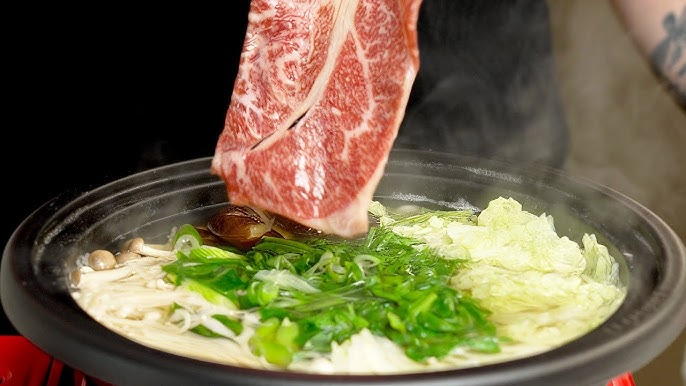
Shabu Shabu Recipe: Shabu Shabu isn’t just a meal—it’s an experience. It’s the kind of food that brings people together around a hot pot, letting everyone cook their ingredients right at the table. At its core, Shabu Shabu is a Japanese hot pot dish featuring thinly sliced meat and vegetables, cooked piece by piece in a pot of simmering broth. The name “Shabu Shabu” mimics the sound of swishing the meat in the hot broth—yes, it’s onomatopoeic!
Unlike traditional stews or soups where ingredients are pre-cooked, Shabu Shabu gives you complete control. You pick up a slice of meat with chopsticks, swish it in the broth for a few seconds, dip it into your favorite sauce, and pop it in your mouth—fresh, juicy, and utterly satisfying.
This meal is perfect for group dining, especially when you want something warm, interactive, and full of flavor. Whether it’s a casual dinner or a weekend get-together, Shabu Shabu is a sure crowd-pleaser.
Origins and Cultural Significance
Shabu Shabu traces its roots back to Osaka in the 20th century, inspired by the Chinese hot pot but uniquely Japanese in its presentation and flavor profile. Traditionally, it was made with wagyu beef, known for its exquisite marbling and melt-in-your-mouth texture. Over time, it has evolved, incorporating a variety of proteins and vegetables.
In Japanese culture, Shabu Shabu represents hospitality and communal harmony. Meals like these foster connection, where everyone takes part in cooking and eating at a shared pace. It’s not just about feeding the body—it’s a social ritual that feeds the soul too.
Ingredients You’ll Need
Meat Selection – What’s Best for Shabu Shabu?
Let’s talk meat. The highlight of Shabu Shabu is undoubtedly the thinly sliced beef, often ribeye, sirloin, or chuck. You want slices that are paper-thin so they cook in mere seconds—think deli-thin but with marbled richness.
Here are a few great options:
- Wagyu Beef – The gold standard. Rich marbling, ultra-tender, buttery.
- Ribeye or Chuck Roast – More affordable but still flavorful with decent fat content.
- Pork Loin or Belly – If you prefer pork, these cuts give a nice contrast to beef.
- Chicken Breast or Thigh – A leaner, lighter alternative for a milder flavor.
Make sure you buy meat labeled “shabu shabu cut” or ask your butcher to slice it ultra-thin. Freeze the meat slightly before slicing if doing it at home—it makes the process much easier.
Vegetables and Other Add-ins
The veggies in Shabu Shabu aren’t just filler—they’re stars in their own right, soaking up the broth and adding texture and sweetness to the dish.
Must-have vegetables:
- Napa cabbage – Sweet and tender, perfect for hot pots.
- Spinach – Cooks quickly and adds vibrant color.
- Enoki and Shiitake mushrooms – Earthy, umami-packed, and beautifully textured.
- Carrots, daikon, and tofu – For sweetness, crunch, and softness.
- Leeks or green onions – Add a hint of sharpness and aroma.
You can also include:
- Glass noodles (harusame) – Transparent and slippery, fun to eat.
- Udon or ramen – Add them at the end to soak up the flavorful broth.
- Corn, pumpkin, or lotus root – For a bit of creativity and added texture.
Broth and Dipping Sauces
Shabu Shabu broth starts simple. The base is often just kombu (dried kelp) simmered in water to create a clean umami foundation. You’re not aiming for a heavy soup here—the magic happens with what goes in.
To make the basic kombu broth:
- Soak a piece of kombu (4-inch strip) in 6 cups of water for 30 minutes.
- Bring it to a gentle boil, then remove the kombu just before boiling.
You can add light soy sauce or sake for extra depth, or keep it simple and let the ingredients shine.
Dipping sauces are essential in Shabu Shabu:
- Ponzu Sauce – A citrusy soy-based sauce, tangy and refreshing.
- Goma (Sesame) Sauce – Rich, nutty, and creamy, perfect for beef.
- Spicy Miso Sauce – For a bold kick if you like heat.
Customize your sauces with garlic, green onions, chili oil, or grated daikon for extra punch.
Tools and Equipment
Hot Pot or Portable Stove
You don’t need fancy equipment, but a good hot pot setup ensures a smooth Shabu Shabu session. A tabletop gas burner or electric hot pot is ideal for at-the-table cooking.
Choose a shallow, wide pot to make swishing easier. Don’t use anything too deep—you want quick access and visibility.
Tip: If you’re doing this without a portable stove, you can pre-cook the broth and ingredients at the kitchen stove, but it won’t be as fun or interactive.
Tongs, Chopsticks, and Strainers
Having the right utensils makes everything cleaner and more convenient:
- Cooking chopsticks or mini tongs – For handling raw meats and vegetables.
- Strainer ladle or skimmer – To fish out items without splashing.
- Individual sauce bowls – Everyone needs their own for dipping!
- Serving plates or trays – Neatly arranged ingredients make for a more appetizing experience.
Step-by-Step Cooking Instructions
Step 1: Prepare the Broth
Start by soaking your kombu in water, as mentioned earlier. Once soaked, bring it to a gentle simmer—don’t let it boil aggressively. The broth should be light and subtly flavored, allowing the ingredients to shine.
Want a richer flavor? Add a splash of sake, a dash of soy sauce, or even a couple of garlic cloves. Let the broth sit warm on the stove while you prepare everything else.
Step 2: Slice and Arrange the Ingredients
Presentation plays a big role in the Shabu Shabu experience. Once your meat is sliced thinly—preferably using a sharp knife while the meat is still semi-frozen—lay it out on a large platter or tray. Try fanning the slices out in a circular pattern; not only does it look elegant, but it also makes it easier for everyone to grab pieces during cooking.
Next, wash and cut your vegetables. Here’s a quick guide:
- Napa cabbage – Cut into bite-sized strips.
- Carrots and daikon – Slice thinly or use a vegetable cutter for fun shapes.
- Mushrooms – Remove the base and leave whole or halved.
- Tofu – Cut into cubes (firm tofu holds up better than silken).
- Green onions – Chop into 2-inch lengths.
Separate your items by type and arrange them beautifully around the table. If you’re using noodles, cook them separately and set them aside for later.
Having everything prepped and neatly arranged makes the cooking flow smoothly once the broth is bubbling.
Step 3: Set the Table for Cooking
Time to transform your dining space into a mini hot pot restaurant! Place your hot pot or electric cooker in the center of the table. Make sure everyone has access to the pot and their own chopsticks, sauces, and a small bowl for eating.
Pro tip: Use two sets of chopsticks per person—one for raw meat and one for cooked food. This avoids cross-contamination and keeps things sanitary.
If you’re using a portable gas burner, ensure proper ventilation and safety. Put trivets under hot pots to protect your table surface.
The vibe should be cozy, communal, and organized. Light some candles, play soft background music, and set the mood for a relaxing Shabu Shabu night.
Step 4: Cook Your Ingredients
Now comes the fun part—cooking! Once the broth is gently simmering, start by adding a few veggies and mushrooms to infuse the broth with flavor. Let them cook for a few minutes while everyone gets ready with their meat.
To cook meat:
- Pick up a slice with chopsticks.
- Swish it in the broth for 5–10 seconds (depending on the thickness).
- Once it turns from pink to brown, it’s done!
Dip it into your favorite sauce and enjoy. The beauty of Shabu Shabu is the simplicity—each ingredient shines on its own.
After the meat, start adding tofu, carrots, and longer-cooking veggies. Save delicate greens and mushrooms for last, as they cook very quickly.
Cooking is done gradually, with diners taking turns swishing meat and tossing veggies into the pot. It’s a slow, enjoyable process meant to savor—not rush.
Step 5: Dipping and Eating
This is where sauces elevate the experience. Each bite you cook can be dipped into different sauces for unique flavors. Feeling adventurous? Mix ponzu with chili oil or blend sesame sauce with garlic and green onions.
You’ll want to experiment to find your favorite combo. For example:
- Beef + sesame sauce + garlic = savory, rich
- Mushroom + ponzu + scallions = tangy and earthy
- Tofu + spicy miso + grated daikon = bold and soft
Eat a few bites, then sip some broth. The more you cook, the more flavorful the broth becomes. And don’t forget to save room for the finishing course: toss in udon noodles or rice toward the end to absorb all that meaty, veggie goodness. It’s the perfect finale.
Tips for the Best Shabu Shabu Experience
Timing and Temperature
Cooking time is key. Thin meat cooks fast—so don’t overdo it. Keep the broth at a low simmer, not a rolling boil. If it gets too hot, reduce the heat to avoid overcooking and splattering.
Maintain a rhythm. Start with longer-cooking ingredients like root vegetables, then follow with mushrooms, tofu, leafy greens, and finally meat. Cooking in this order flavors the broth gradually and prevents delicate items from turning mushy.
If you’re serving a group, assign one person to manage the pot or take turns to avoid chaos. Keeping things relaxed and orderly improves the experience for everyone.
Pairing With Rice or Noodles
Shabu Shabu is fantastic on its own, but adding a carb rounds out the meal. Here’s how to elevate it:
- Steamed Rice – A clean palate cleanser between bites.
- Udon Noodles – Thick, chewy, and satisfying—perfect for soaking up broth.
- Glass Noodles (Harusame) – Light and silky, great if you want something low-carb.
- Ramen – Toss it in at the end for a savory, soupy finale.
Add noodles toward the end so they absorb the richest version of your broth. This is often the best part of the meal—where everything comes together in a slurp-worthy bowl.
FAQs about Shabu Shabu Recipe
Can I use chicken or pork instead of beef?
Absolutely! While beef is traditional, chicken thighs or pork loin are fantastic alternatives. Just make sure they’re sliced thinly for quick cooking. Pork belly adds richness, and chicken offers a lighter flavor. You can even mix meats for variety. Just remember to cook each type thoroughly and separately to avoid cross-contamination.
What are the best vegetables for Shabu Shabu?
The best vegetables are those that cook quickly and absorb flavors well. Popular choices include napa cabbage, spinach, carrots, mushrooms (enoki, shiitake), daikon radish, green onions, and tofu. Root vegetables like lotus root or pumpkin add crunch, while glass noodles or udon round out the dish beautifully.
How spicy can the broth be?
Traditional Shabu Shabu broth is light and non-spicy, but you can easily customize it to your liking. Add chili oil, sliced chili peppers, or a dash of spicy miso to increase the heat. Be cautious not to overpower the natural flavors of the meat and vegetables—balance is key.
Can I prepare Shabu Shabu in advance?
Yes, you can prep most of the ingredients in advance. Slice your meat and vegetables, make your broth and sauces, and set everything in the fridge. Just before mealtime, warm the broth, arrange your ingredients, and you’re good to go. However, Shabu Shabu is best enjoyed fresh, so try to cook and eat it all in one sitting.
What’s the difference between Shabu Shabu and Sukiyaki?
Though both are Japanese hot pot dishes, the main difference lies in the broth and cooking method. Shabu Shabu uses a light kombu broth and focuses on dipping sauces for flavor. Sukiyaki is cooked in a sweeter, soy-based broth with sugar and mirin, and ingredients are often simmered together in the pot. Both are delicious, but Shabu Shabu is lighter and more customizable.
Conclusion
By following this step-by-step guide, even beginners can master the art of Shabu Shabu. Remember, the secret lies in the prep—thinly sliced meat, neatly arranged vegetables, and flavorful dipping sauces are what elevate the experience. Take your time, enjoy the process, and don’t be afraid to get creative with the ingredients or personalize the dipping sauces to your taste.
At its heart, Shabu Shabu is about warmth—both in temperature and spirit. It’s the kind of meal that invites laughter, conversation, and sharing, all while enjoying clean, balanced, and comforting flavors. So light that burner, prep your platters, and get ready to shabu your way to a delicious dinner night!