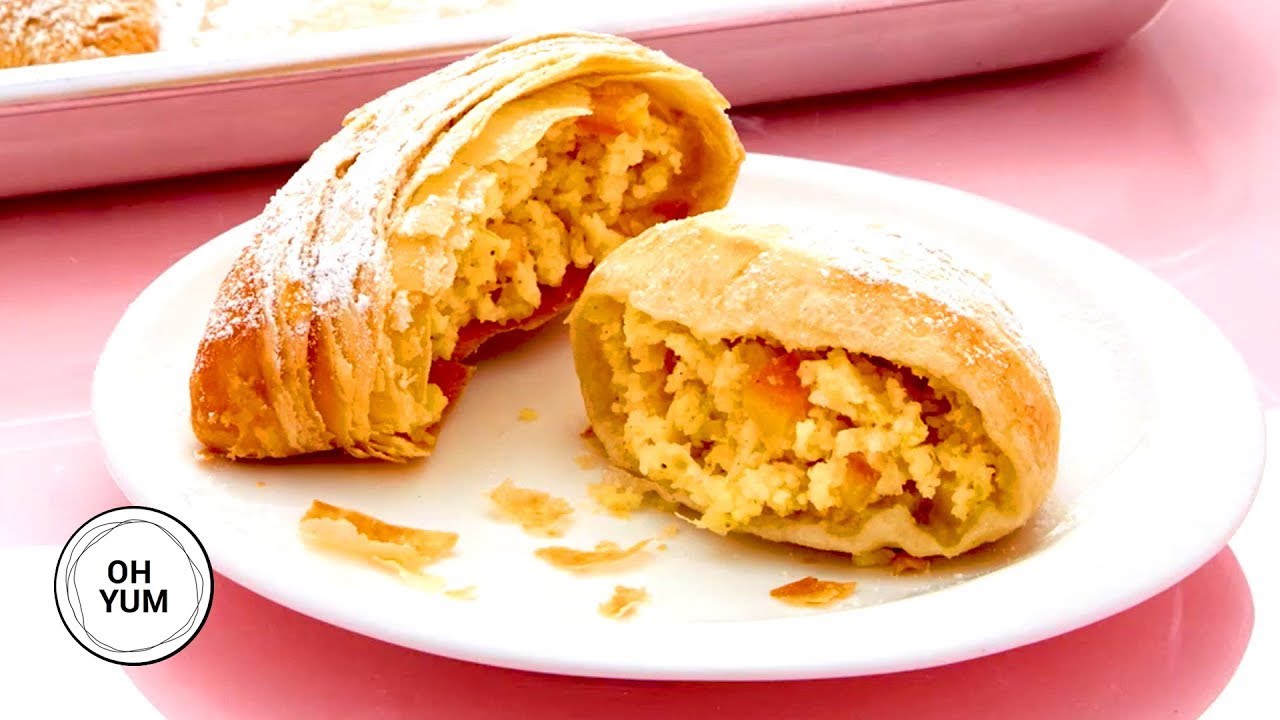
Sfogliatelle Ricce Recipe: Imagine biting into a crisp, golden pastry that shatters into dozens of delicate layers, revealing a warm, creamy filling of sweet ricotta and citrus. That’s Sfogliatelle Ricce, the crown jewel of Neapolitan pastries. Often found behind bakery windows in Italy, these seashell-shaped delights look like something only professional pastry chefs could pull off. But here’s the secret: you can totally make them at home.
This detailed, step-by-step guide walks you through everything you need—from the ingredients to shaping the iconic layers. Sure, it takes a bit of time and love, but it’s absolutely worth it. Whether you’re a baking enthusiast or just looking to impress your friends with a stunning Italian dessert, you’re in the right place.
What is Sfogliatelle Ricce?
Sfogliatelle Ricce, which means “little leaves” in Italian, are famous for their incredibly crisp and layered shell. The name “ricce” refers to the curly or ruffled look of the pastry, which resembles a stacked fan or a seashell. Inside, it’s filled with a deliciously creamy mix of ricotta, semolina, sugar, and candied citrus. The balance of textures—crunchy outside, creamy inside—is nothing short of magical.
They’re often confused with Sfogliatelle Frolle, which have a smooth, shortcrust exterior rather than layers. Ricce is the more technical and complex version, and let’s be honest—it looks way more impressive on a plate.
These pastries are best enjoyed fresh out of the oven, sprinkled with powdered sugar, and served with a strong espresso or sweet dessert wine. But don’t worry, we’ll get into that too.
History of Sfogliatelle Ricce
This iconic pastry dates back to the 17th century in a monastery in the Campania region of Italy. Legend has it that a cloistered nun, trying not to waste leftovers, mixed semolina with some ricotta, dried fruit, and sugar. She wrapped the mixture in layers of dough and baked it into what we now call Sfogliatella.
Later, a Neapolitan pastry chef named Pasquale Pintauro brought the treat to his bakery and made it popular with the public. That’s when it truly took off as a staple in Southern Italian pastry shops.
Over time, the recipe has traveled across continents and gained a fanbase among bakers and foodies alike. But its roots remain firmly planted in Neapolitan tradition.
Why Make Sfogliatelle Ricce at Home?
Sure, you can find Sfogliatelle at specialty Italian bakeries, but making them at home? That’s a flex. First off, the process is fun—yes, challenging, but rewarding. It’s like crafting edible art. Watching those layers puff up in the oven is one of life’s little victories.
Second, homemade versions let you control everything: sweetness, citrus intensity, and even the crisp factor. Want extra orange peel or a hint of lemon zest? Go for it.
And finally, the bragging rights. Seriously, when you pull a tray of these out of your oven, you’ll feel like you’ve just unlocked a new baking level.
List of Ingredients You’ll Need
Let’s break it down:
For the Dough:
- 2 cups all-purpose flour
- ½ teaspoon salt
- ¾ cup warm water
- 3 tablespoons lard or unsalted butter (for laminating)
For the Filling:
- ½ cup semolina flour
- 1 cup whole milk
- 1 cup ricotta cheese (well-drained)
- ½ cup granulated sugar
- 1 teaspoon vanilla extract
- ½ teaspoon ground cinnamon
- ¼ cup candied orange peel (finely chopped)
- 2 egg yolks
For Assembly:
- ½ cup melted lard or butter (for brushing layers)
- Powdered sugar (for dusting)
Quality matters here. Use whole milk ricotta and real candied peel—not the artificially flavored stuff. Your filling will thank you.
Essential Tools for the Recipe
Baking Sfogliatelle Ricce isn’t just about ingredients—it’s also about having the right gear. Here’s what you’ll need:
- Pasta machine or rolling pin – to roll out paper-thin dough
- Bench scraper – handy for shaping and lifting
- Piping bag – for neatly filling the shells
- Pastry brush – for brushing on melted lard or butter
- Baking sheets & parchment paper – a must for clean baking
Having these tools ready will save you time and frustration during the more delicate steps.
Step-by-Step Guide to Making Sfogliatelle Ricce
Alright, now for the fun part. Let’s break it down step by step so you can confidently create these beautiful pastries from scratch.
Step 1: Make the Semolina Filling
Heat milk in a saucepan until gently boiling, then slowly whisk in semolina to avoid lumps. Cook until thick and smooth. Spread on a tray or plate and let it cool completely.
Step 2: Prepare the Ricotta Mixture
Mix ricotta, sugar, egg yolks, vanilla, and a pinch of cinnamon or orange zest until creamy. Break up the cooled semolina and blend it into the ricotta mixture until fully combined and smooth. Chill.
Step 3: Make the Dough
Combine flour, a pinch of salt, and water to form a dough. Knead well until elastic and smooth, about 10–15 minutes.
Step 4: Rest the Dough
Wrap the dough and let it rest for at least 1 hour. This relaxes gluten and makes rolling easier.
Step 5: Roll the Dough Super Thin
Use a pasta machine, gradually reducing thickness until nearly transparent. Dust lightly with flour if needed to prevent sticking.
Step 6: Create the Dough Roll
Brush the thin dough sheet generously with softened lard or butter. Roll tightly into a long log, brushing as you go to separate layers.
Step 7: Chill and Slice the Dough Roll
Refrigerate or freeze the log until firm. Slice crosswise into disks about 1–1.5 cm thick.
Step 8: Form the Shells
Press and gently stretch each slice from the center outward to create the signature seashell fan of thin layers.
Step 9: Fill the Pastry Shells
Pipe the chilled ricotta–semolina filling into each shell, leaving a little space at the top.
Step 10: Bake Until Golden
Bake at 375–400°F (190–200°C) until crisp and deep golden, about 20–25 minutes. They’re done when the layers are puffed, flaky, and the bottoms are firm. Cool slightly and dust with powdered sugar before serving.
Tips for Perfect Sfogliatelle Ricce
If this is your first time making Sfogliatelle Ricce, don’t stress—it’s a complex pastry, but even imperfect ones taste amazing. Still, here are some expert tips to help you nail it on your first try:
- Keep it cold: Temperature control is everything. The dough must stay chilled during shaping and slicing, and the fat (lard or butter) must remain solid. If it softens, pop everything back in the fridge.
- Roll it super thin: The thinner your dough, the crispier and flakier your final pastry. Don’t rush this part. If your dough isn’t see-through, you need to go thinner.
- Use lard for authenticity: While butter works, traditionalists swear by lard. It melts cleanly and gives that signature shatter when you bite into the layers.
- Be patient with shaping: Stretching the dough spirals into seashell shapes can be tricky. Take your time, and don’t be discouraged if some pastries look funky—they’ll still taste amazing.
- Pipe, don’t spoon: A piping bag helps you distribute the filling neatly and evenly. This keeps the structure of the pastry intact and prevents overfilling.
- Brush before baking: Brushing each pastry with melted fat right before they go into the oven gives them that golden-brown, bakery-level finish.
Mastering these tips will take your sfogliatelle from good to jaw-droppingly perfect.
Common Mistakes to Avoid
Even skilled bakers can struggle with Sfogliatelle Ricce. Here are some common mistakes you’ll want to avoid:
1. Rolling the Dough Too Thick
If your dough is too thick, you won’t get that iconic flaky texture. The layers will bake into each other, resulting in a dense shell instead of light, crispy layers.
2. Using Too Much Flour While Rolling
Yes, flour prevents sticking—but too much will make the dough dry and stiff. Use just enough to keep things moving, and try rolling between sheets of parchment paper or lightly oiled surfaces.
3. Skipping the Chill Time
The dough log must be very cold before slicing. If it’s too soft, the spiral will smush instead of slice cleanly. Always chill for at least 2 hours—or better, overnight.
4. Overfilling the Shells
Tempting as it may be, don’t stuff them full. Too much filling causes the pastry to burst open or lose its signature shape during baking.
5. Not Draining Ricotta Properly
Watery ricotta = soggy filling = soggy pastry. Make sure to drain your ricotta thoroughly, even overnight if possible. You want a thick, creamy texture.
By avoiding these common pitfalls, you’ll set yourself up for Sfogliatelle success—even if it takes a practice run or two.
How to Store and Reheat Sfogliatelle
So you’ve made a beautiful batch—now what? Let’s talk storage and reheating.
Storing:
- Room temperature: Sfogliatelle are best eaten fresh, but they can be stored in an airtight container at room temperature for up to 2 days.
- Refrigerator: For longer storage (3–4 days), keep them in the fridge. Just know they’ll lose some crispiness.
Freezing:
- Unbaked, shaped pastries freeze well. Place them on a baking sheet and freeze until solid, then transfer to a zip-top freezer bag. When ready to bake, do so directly from frozen—add a few extra minutes to the baking time.
Reheating:
- To re-crisp, place baked pastries in a 350°F (175°C) oven for 5–10 minutes. Avoid the microwave—it’ll make them soggy.
Proper storage and reheating means you can enjoy sfogliatelle over several days without sacrificing too much texture.
Serving Suggestions
Sfogliatelle Ricce are so rich and flavorful they don’t need much dressing up, but pairing them right can make the experience even better.
Best Ways to Serve:
- Warm with powdered sugar: The classic. Serve them warm and dusted with powdered sugar for that fresh-from-the-bakery look and taste.
- With espresso: The strong, bitter notes of espresso balance the sweet, creamy filling beautifully. It’s the Italian way.
- With dessert wine: A sweet Italian wine like Vin Santo or Moscato is perfect for an elegant dessert pairing.
- With fresh berries: Add a side of macerated strawberries or raspberries to brighten the plate with a little acidity and freshness.
Presentation-wise, serve on a nice platter with a light dusting of powdered sugar just before your guests arrive—they’ll look like you picked them up from a high-end Italian bakery.
Sfogliatelle Ricce vs. Sfogliatelle Frolle
You might’ve heard of Sfogliatelle Frolle, and it’s easy to get them confused. But they’re actually quite different.
| Feature | Sfogliatelle Ricce | Sfogliatelle Frolle |
|---|---|---|
| Texture | Crisp, layered, flaky | Soft, crumbly, shortcrust |
| Exterior | Rolled, stretched dough | Smooth, cookie-like dough |
| Skill Level | Advanced (multi-step process) | Easier and quicker to make |
| Taste | Buttery, airy, crisp | Buttery, soft, slightly chewy |
| Appearance | Shell or seashell-like | Smooth dome or oval shape |
While both are filled with similar sweet ricotta mixtures, the textures are miles apart. If you’re short on time or new to Italian baking, start with Frolle. But if you want the wow factor and love a challenge, Ricce is the real showstopper.
FAQs about Sfogliatelle Ricce Recipe
1. Can I use butter instead of lard for Sfogliatelle Ricce?
Yes, you can substitute lard with unsalted butter, though lard gives a more traditional, crisp finish. Butter will work fine but may produce slightly softer layers.
2. Why didn’t my layers puff up properly?
Common reasons include dough not rolled thin enough, overuse of flour while laminating, or not enough brushing with melted fat between layers. Also, baking temperature must be high enough to cause steam to create those flaky layers.
3. Can I freeze Sfogliatelle Ricce before baking?
Absolutely! Shape them, fill them, then freeze individually. When ready to bake, pop them in the oven directly from frozen—just add an extra 5–7 minutes of baking time.
4. Is there a gluten-free version of Sfogliatelle Ricce?
It’s possible but quite advanced. You’d need to experiment with gluten-free flour blends that have strong elasticity to mimic the stretch of regular dough. Expect a challenge here!
5. How long can baked Sfogliatelle Ricce stay crispy?
They’re best the day they’re baked. However, you can reheat them in a hot oven (not microwave!) for 5–10 minutes to bring back some of the crispness the next day or two.
Conclusion
Sfogliatelle Ricce might just be the most rewarding pastry you’ll ever bake. From the silky-smooth ricotta filling to the crisp, paper-thin layers, each bite is a celebration of texture and flavor. Yes, the process is time-consuming. Yes, it requires patience and practice. But when you see those golden layers puffing up in the oven and taste that perfect balance of sweet, citrusy, and creamy filling inside a crunchy shell—it’s all worth it.
So go ahead, gather your ingredients, clear your counter, and embrace the art of Italian baking. The first batch may not be bakery-perfect, but the second will be better, and by the third, you’ll feel like a pastry chef in Naples.
Buon appetito!