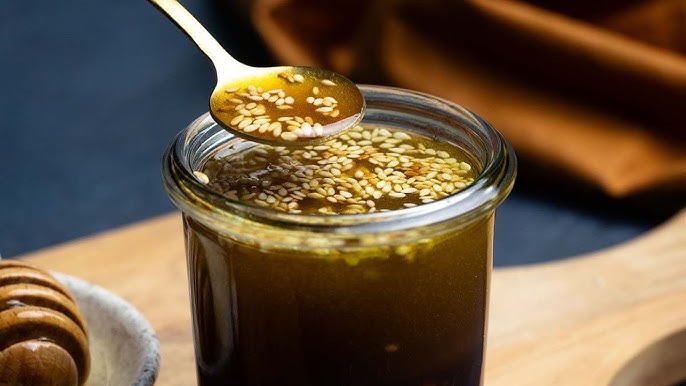
Sesame Dressing Recipe: Sesame dressing is one of those magical sauces that instantly elevates almost anything you pour it over. Whether you’ve drizzled it on a crisp green salad, used it to coat noodles, or dipped dumplings into it, this nutty, savory, and slightly sweet dressing brings flavor in a big way. With roots in Asian cuisine—especially Japanese and Korean cooking—it’s no wonder sesame dressing has found its place in kitchens worldwide.
What makes sesame dressing so popular is its incredible balance of flavors: the deep nuttiness of toasted sesame oil, the sharp tang of vinegar, the rich umami of soy sauce, and just a hint of sweetness to round it all out. It’s incredibly versatile—you can make it creamy, spicy, or keep it light and fresh, depending on your mood and what you’re serving it with.
In this guide, I’ll walk you through everything you need to know to make the perfect sesame dressing at home—from ingredients and tools to a detailed step-by-step recipe and variations. Whether you’re a seasoned cook or just starting out, this guide will make it easy and fun to create your own flavorful dressing from scratch.
Ingredients You’ll Need
The beauty of sesame dressing is that it’s made with simple ingredients you probably already have in your kitchen. Here’s what you’ll need:
Essential Ingredients:
- Toasted sesame oil – The star of the show, it gives the dressing its signature nutty aroma.
- Rice vinegar – Adds acidity and brightness.
- Soy sauce – Brings in that umami depth. Use low-sodium if you’re watching your salt intake.
- Honey or maple syrup – Balances the acidity and saltiness with a touch of sweetness.
- Fresh garlic – Adds sharp, pungent flavor.
- Fresh ginger – Gives warmth and a little kick.
- Toasted sesame seeds – For extra texture and flavor.
Optional Ingredients (for customization):
- Mayonnaise or Greek yogurt – To make it creamy.
- Miso paste – For a rich, savory twist.
- Chili oil or sriracha – For heat.
- Lemon or lime juice – For a citrusy note.
Pro Tips:
- Use fresh garlic and ginger—not powdered—for the best flavor.
- Toasted sesame oil is not the same as plain sesame oil. Make sure it’s toasted for that rich, nutty taste.
- If you’re avoiding soy, try coconut aminos as a substitute.
Main Ingredients Overview
Let’s break down what each main ingredient brings to the table:
Toasted Sesame Oil
This is the foundation of the dressing. It’s aromatic, rich, and has a deep nutty flavor that defines sesame dressing. Just a small amount goes a long way.
Rice Vinegar
It’s milder than white vinegar and adds the right tang without being overpowering. For more punch, you can substitute with apple cider vinegar.
Soy Sauce
Soy sauce offers that salty, umami depth that balances out the sweet and sour elements. Tamari is a great gluten-free alternative.
Honey or Maple Syrup
These sweeteners mellow out the acidity and saltiness. Honey gives a floral note, while maple syrup adds a darker sweetness.
Garlic & Ginger
Freshly grated garlic and ginger add warmth and zing. These ingredients give the dressing a complex, layered flavor.
Sesame Seeds
Toasted sesame seeds aren’t just a garnish—they enhance the flavor and add a pleasant crunch.
Tools You’ll Need
To make the perfect sesame dressing, you won’t need any fancy gadgets. Just a few basic kitchen tools will do the trick. Here’s what you should have on hand:
Mixing Bowl
A medium-sized mixing bowl is perfect for combining your ingredients. If you plan to make a bigger batch, grab a larger one.
Whisk or Blender
If you’re aiming for a smooth, emulsified dressing, a whisk does the job. But if you’re adding creamy ingredients like mayo or miso, a blender will give you that ultra-smooth consistency.
Measuring Spoons and Cups
Precision matters when balancing bold flavors like sesame oil and soy sauce. Use measuring spoons for accuracy—especially if it’s your first time.
Storage Jar or Bottle
Once your dressing is done, pour it into a clean mason jar or airtight container. A bottle with a spout is perfect for easy pouring.
Optional: Grater or Microplane
Use a microplane or small grater to finely grate fresh garlic and ginger. This makes it blend seamlessly into the dressing.
These tools make the process smoother, cleaner, and more efficient. It’s all about making great dressing with minimal effort.
Step-by-Step Guide to Making Sesame Dressing
Here’s where the magic happens. Follow this step-by-step guide to whip up the most flavorful sesame dressing you’ve ever had—right in your own kitchen.
Step 1: Toast the Sesame Seeds (If Not Already Toasted)
If you’re using raw sesame seeds, toast them in a dry pan over medium heat. Stir constantly for 2–3 minutes until they turn golden brown and start popping. Toasting brings out their nutty aroma and makes them extra crunchy.
Step 2: Grate the Garlic and Ginger
Use a microplane to finely grate one small garlic clove and about 1 teaspoon of fresh ginger. This releases their oils and flavor, making your dressing vibrant and punchy.
Step 3: Combine the Liquid Ingredients
In a bowl, whisk together the following:
- 2 tablespoons toasted sesame oil
- 2 tablespoons rice vinegar
- 1 tablespoon soy sauce
- 1 tablespoon honey or maple syrup
This creates the base of your dressing, balancing salt, acid, sweetness, and that unmistakable nuttiness.
Step 4: Add the Garlic and Ginger
Now mix in your grated garlic and ginger. Stir until evenly combined. The dressing will already start smelling amazing.
Step 5: Whisk Until Emulsified
Continue whisking until all the ingredients blend into a smooth, glossy dressing. If you’re using a blender, pulse everything for 15–20 seconds until creamy.
Step 6: Taste and Adjust
Here’s the fun part—taste testing! Is it too salty? Add more vinegar or sweetener. Not bold enough? Add a bit more sesame oil or a dash of soy sauce. You’re in charge here.
Step 7: Store Properly
Pour the dressing into an airtight container. It keeps well in the fridge for up to 7 days. Just give it a shake before using, as natural separation can occur.
Tips for Making the Best Sesame Dressing
Want your sesame dressing to be next-level delicious? Here are a few tips:
- Don’t skip the fresh ingredients. Bottled garlic and ginger just won’t have the same impact.
- Balance is key. Start small and adjust the flavors to your preference. Taste often.
- Don’t drown your dish. This dressing is powerful—a little goes a long way.
- Use high-quality oil. Toasted sesame oil is the hero, so don’t skimp on quality.
And finally, be playful! Try it with new ingredients and tweak it to your taste.
Variations of Sesame Dressing
One of the best things about this recipe? It’s incredibly flexible. Here are a few creative twists:
Creamy Sesame Dressing (Japanese-Style)
Add 2 tablespoons of mayonnaise or Greek yogurt. This version is rich, smooth, and perfect for hearty salads or grain bowls.
Spicy Sesame Dressing
Add 1 teaspoon of sriracha or chili oil to bring the heat. Great for drizzling over cold noodles or grilled meats.
Miso Sesame Dressing
Mix in 1 tablespoon of white or yellow miso paste. This adds a deep, umami-rich flavor that pairs beautifully with roasted vegetables.
Low-Sodium or Low-Sugar Version
Use low-sodium soy sauce and reduce or skip the honey. Substitute with stevia or monk fruit sweetener for a low-sugar option.
This dressing is all about customization. Think of it as your blank canvas for flavor experimentation.
Ways to Use Sesame Dressing
This isn’t just a salad dressing—it’s a flavor bomb for all sorts of dishes. Here are some delicious ways to use it:
- Drizzle over mixed greens for a quick, healthy salad.
- Toss with cold soba or ramen noodles for a refreshing noodle bowl.
- Use as a marinade for chicken, tofu, or shrimp.
- Pour over roasted veggies like sweet potatoes, broccoli, or Brussels sprouts.
- Dip dumplings or spring rolls for a savory finish.
It’s even great as a sandwich spread when mixed with a little mayo. There are so many ways to get creative with it!
Nutritional Benefits of Sesame Dressing Ingredients
While sesame dressing is delicious, it’s also packed with nutrients—especially when you make it at home and control the ingredients. Let’s break down the health benefits of some of the key components.
Sesame Oil & Seeds
Sesame oil is rich in healthy fats, particularly polyunsaturated and monounsaturated fats, which can help lower bad cholesterol levels. It’s also loaded with antioxidants like sesamol and sesamin, which may have anti-inflammatory properties. Sesame seeds are a great source of calcium, magnesium, and iron.
Garlic
Garlic isn’t just flavorful—it’s a powerful health booster. It supports immune function, may help reduce blood pressure, and contains compounds like allicin that have antibacterial properties.
Ginger
Ginger is well known for its digestive benefits and anti-nausea effects. It also has anti-inflammatory and antioxidant effects that can support overall health.
Soy Sauce (in moderation)
While high in sodium, soy sauce contains amino acids that support metabolism and body function. Choose low-sodium versions when possible, or substitute with tamari or coconut aminos for a gluten-free option.
Honey or Maple Syrup
These natural sweeteners provide trace amounts of antioxidants and are a better alternative to refined sugar when used in moderation.
The key to keeping your sesame dressing nutritious is balance and moderation. Stick to reasonable serving sizes and use fresh, high-quality ingredients.
How to Store Homemade Sesame Dressing
Proper storage is important to keep your dressing fresh and safe to eat. Here’s how to do it right:
Use an Airtight Container
Pour the dressing into a glass jar with a tight lid or a salad dressing bottle with a spout. This keeps air out and helps maintain freshness.
Keep It in the Refrigerator
Homemade sesame dressing should always be stored in the fridge. Because it contains fresh garlic and ginger, it needs to stay cold to prevent spoilage. It will keep for up to 7 days.
Shake Before Each Use
Since there are no preservatives or stabilizers, natural separation is totally normal. Just give it a good shake before pouring.
Watch for Signs It’s Gone Bad
If it smells sour, the texture changes, or you see mold, it’s time to toss it. Always label your jar with the date you made it to keep track.
Pro tip: If you make a big batch, divide it into smaller jars to avoid exposing the entire batch to air every time you open it.
Homemade vs. Store-Bought Sesame Dressing
Let’s be honest—grabbing a bottle of sesame dressing off the shelf is convenient. But how does it compare to making it yourself?
Homemade Sesame Dressing:
Pros:
- You control the ingredients (no preservatives, no artificial flavors)
- Customizable to taste
- Fresher and more vibrant flavor
- Often healthier, especially with reduced sodium or sugar
Cons:
- Requires a few extra minutes of prep
- Shorter shelf life (up to 7 days)
Store-Bought Sesame Dressing:
Pros:
- Convenient and ready to use
- Longer shelf life
Cons:
- Often contains preservatives, added sugar, and artificial flavors
- Can be high in sodium and unhealthy fats
- Less fresh taste
When you make it yourself, you get flavor, freshness, and flexibility. Plus, it’s a great way to impress friends or family with something simple yet delicious.
Serving Size Suggestions and Pairing Ideas
Wondering how much to use or what to pair sesame dressing with? Here’s a quick guide.
Recommended Serving Size
- 1 to 2 tablespoons per salad serving
- 3 to 4 tablespoons for marinades or noodle dishes
It’s flavorful, so start small and add more as needed.
Perfect Pairings
- Veggies: Try it with cucumbers, shredded carrots, bell peppers, and mixed greens.
- Proteins: Excellent with grilled chicken, tofu, shrimp, or beef.
- Grains: Drizzle over rice bowls, quinoa salads, or soba noodles.
- Asian-Inspired Dishes: Works well with poke bowls, sushi rolls, dumplings, and spring rolls.
Pro tip: Mix a little sesame dressing with peanut butter and soy sauce for a quick and easy peanut-sesame noodle sauce.
Common Mistakes to Avoid
Even though sesame dressing is simple to make, a few missteps can throw off the flavor or texture. Let’s go over what not to do.
1. Using Too Much Sesame Oil
It’s strong! Overusing toasted sesame oil can overpower the dressing. Start with a small amount and adjust to taste.
2. Skipping Fresh Garlic or Ginger
Powdered versions just don’t bring the same punch. Fresh ingredients make all the difference in flavor and aroma.
3. Not Balancing Flavors
Too salty? Too sour? Dressing is all about balance. Don’t just follow a recipe blindly—taste and adjust!
4. Forgetting to Emulsify
If you don’t whisk properly, the oil and vinegar will separate. Use a blender or whisk vigorously to make a smooth, cohesive dressing.
5. Using Low-Quality Ingredients
Cheap soy sauce or stale oil can ruin a great dressing. Go for quality when it comes to sesame oil and vinegar.
Avoid these pitfalls, and you’ll have a silky, flavorful dressing every single time.
Quick Fixes for Common Problems
Sometimes things don’t go quite as planned. No worries—here are fast fixes for common sesame dressing issues:
Too Salty?
- Add more rice vinegar or a touch of honey to balance it out.
- Dilute with water or unsalted broth.
Too Bitter?
- A dash of sweetener can help.
- Make sure your sesame oil isn’t burnt or old—bitterness often comes from over-toasted seeds or low-quality oil.
Too Thin?
- Add a small spoon of mayo, tahini, or a splash of oil to thicken it up.
- Blend it for a creamier consistency.
Too Thick?
- Thin it out with a little water, lemon juice, or rice vinegar until it pours easily.
These small tweaks can save your dressing and even lead to some tasty new versions.
FAQs about Sesame Dressing Recipe
1. Can I make this dressing without sesame oil?
Yes, though it won’t have the same nutty flavor. Try olive oil with a dash of tahini or peanut butter for a similar richness.
2. Is sesame dressing gluten-free?
Only if you use gluten-free soy sauce like tamari or coconut aminos. Regular soy sauce contains wheat.
3. How long can I keep sesame dressing in the fridge?
Up to 7 days in an airtight container. Always refrigerate and shake before each use.
4. Can I freeze sesame dressing?
Not recommended. The texture and flavor may change after freezing and thawing.
5. What’s the difference between tahini and sesame dressing?
Tahini is made from ground sesame seeds and is thicker—like a paste. Sesame dressing is a liquid condiment made with sesame oil and other ingredients.
Conclusion
Homemade sesame dressing is one of the easiest—and tastiest—ways to upgrade your meals. Whether you use it on salads, noodles, or as a marinade, the balance of flavors in this dressing makes it a true kitchen MVP.
By using simple, fresh ingredients and following this step-by-step guide, you can create a dressing that’s not only delicious but also healthier and more customizable than anything you’d buy in a store. It’s all about experimenting and adjusting it to suit your taste buds.
So go ahead—grab that sesame oil and start whisking! Your taste buds will thank you.