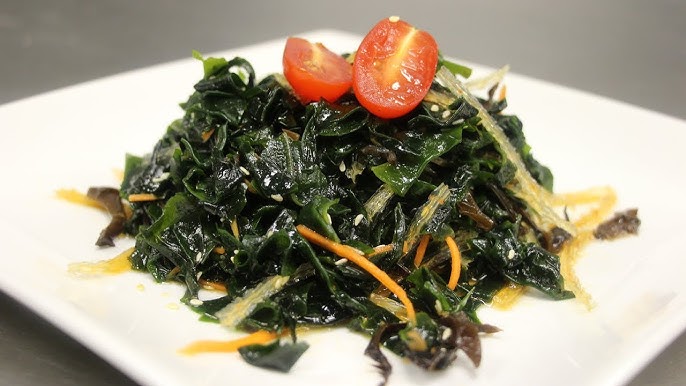
Seaweed Salad Recipe: Seaweed salad is one of those dishes that hits the perfect balance—nutritious, flavorful, and incredibly easy to make. It’s been a staple in Asian cuisine for centuries, particularly in Japanese, Korean, and Chinese dishes. But recently, it’s made a big splash in Western kitchens, thanks to its unique umami flavor and impressive health benefits.
If you’ve ever ordered seaweed salad at a sushi restaurant and wondered how to make it at home, you’re in for a treat. This isn’t just a side dish; it’s a nutritional powerhouse loaded with minerals like iodine, calcium, and magnesium. Plus, it’s low in calories and fat, making it perfect for weight management.
In this guide, we’ll take a deep dive into how to make an authentic seaweed salad step by step. We’re not just tossing seaweed with sesame oil and calling it a day—nope. We’re talking about the right kind of seaweed, the perfect blend of dressing ingredients, and pro tips to elevate your dish from good to absolutely crave-worthy. Let’s dive in.
Ingredients You’ll Need
Before you get started, you’ll want to gather all your ingredients. Most of these are pantry staples if you cook Asian cuisine often, and others are easily available at any local Asian market or online store.
Essential Ingredients:
- Dried seaweed (wakame is preferred) – About 1 ounce
- Rice vinegar – 2 tablespoons
- Soy sauce – 1 tablespoon
- Sesame oil – 1 tablespoon
- Sugar – 1 teaspoon
- Salt – a pinch
- Toasted sesame seeds – 1 tablespoon
- Green onions (scallions) – 2, thinly sliced
- Garlic – 1 clove, finely minced
Optional Ingredients for Extra Flavor:
- Grated ginger – adds a spicy zing
- Red chili flakes or sliced fresh chili – for a bit of heat
- Cucumber – thinly sliced for a crunchy contrast
- Carrot – julienned, adds sweetness and color
- Shredded daikon radish – refreshing and peppery
- Nori strips – to enhance the seaweed flavor
Each ingredient has a role to play. For instance, rice vinegar adds acidity, balancing the richness of the sesame oil. Soy sauce gives depth with umami, while sugar rounds out the saltiness and tartness with just a touch of sweetness.
Don’t skip the sesame seeds! They add texture and an irresistible nutty aroma that brings the whole dish together.
Choosing the Right Type of Seaweed
If you’re new to seaweed, the sheer number of varieties can be overwhelming. But don’t worry—when it comes to seaweed salad, you don’t need a deep dive into marine biology. Let’s narrow it down to the most common types used in salads.
Best Seaweed Types for Salad:
- Wakame – This is the most traditional and widely used type of seaweed for salads. It’s sold dried and rehydrates quickly in water, turning silky and slightly crunchy. Wakame has a mildly sweet flavor that pairs beautifully with tangy dressings.
- Hijiki – Slightly firmer than wakame, hijiki has an earthy flavor and looks like small, dark twigs. It’s usually mixed with other veggies and used more in cooked salads.
- Arame – A milder, almost sweet-tasting seaweed. It’s great for those new to seaweed since it doesn’t have an overpowering “ocean” flavor.
- Kombu – This is tougher and often used in broths. Not ideal for salads unless simmered for a long time.
- Nori – Typically used in sushi rolls, nori can be shredded and sprinkled on top of the salad for extra umami.
For this recipe, wakame is the go-to. It’s available in dried form, usually in small shredded pieces or long strips. Once soaked, it expands quite a bit, so don’t let the small quantity fool you.
When shopping, look for labels that say “seaweed salad mix” or “wakame salad mix.” These often include a blend of seaweed types along with seasoning packets—convenient, but not always necessary if you’re making your own dressing.
Step-by-Step Preparation Guide
Now let’s break down the preparation into four simple steps. Each step ensures your seaweed salad isn’t just thrown together—it’s thoughtfully layered with flavor and texture.
Step 1 – Rehydrating the Seaweed
Start by placing your dried seaweed into a large bowl of cold water. Let it soak for about 10–15 minutes. If you’re using a seaweed mix, make sure to read the instructions on the package, as some varieties may require different soaking times.
Once it’s fully rehydrated, it will have expanded significantly. Drain the seaweed thoroughly using a colander. Give it a good squeeze with your hands or pat it down with paper towels to remove excess water—too much water will dilute your dressing.
Pro Tip: Use cold water instead of warm to retain that nice, firm texture. Warm water may make it soggy.
If you see any tough stems or large pieces, go ahead and chop them into bite-sized strips. The goal is to have evenly sized, manageable pieces that are easy to eat.
At this point, your seaweed is prepped and ready to be transformed into a flavorful masterpiece.
Step 2 – Prepping the Vegetables
Now that your seaweed is ready, it’s time to prep the veggies. This is where you can really play with textures and colors to make your salad vibrant and satisfying.
Start with the basics: green onions. Slice them thinly on a bias to create delicate, elegant strips that blend well into the salad. Green onions provide a mild bite and freshness that offsets the seaweed’s marine flavor.
If you’re adding carrots, cucumbers, or daikon radish, make sure to julienne or slice them super thin—almost matchstick size. This allows them to absorb the dressing better and makes them easier to chew alongside the seaweed.
Want to turn your salad into a main course? Add protein-packed extras like:
- Cubed tofu (firm, pressed tofu works best)
- Edamame (boiled and shelled soybeans)
- Thinly sliced avocado (for a creamy contrast)
A little crunch goes a long way too. Try a sprinkle of chopped roasted peanuts or cashews for added texture and flavor.
This prep stage is about building contrast—crisp and tender, fresh and savory. Make sure every bite has that balance.
Step 3 – Making the Dressing
This is where the magic happens. Seaweed on its own is good, but what makes it irresistible is the tangy, umami-rich dressing that ties everything together.
Here’s a simple but powerful dressing recipe:
Classic Seaweed Salad Dressing:
- 2 tbsp rice vinegar
- 1 tbsp soy sauce
- 1 tbsp sesame oil
- 1 tsp sugar (adjust to taste)
- 1 garlic clove, minced
- ½ tsp grated fresh ginger (optional but adds kick)
- A pinch of salt
- ½ tsp red pepper flakes (optional, for spice)
Combine all the ingredients in a small bowl or jar and whisk until well mixed. If you’re meal prepping or want to save some for later, double or triple the quantity. The dressing keeps well in the fridge for up to a week.
Tips for a Flavor Boost:
- Add a teaspoon of miso paste for an extra layer of umami.
- A splash of citrus juice (like lime or yuzu) can brighten the salad even more.
- Try a bit of wasabi or dijon mustard for a little punch.
Once the dressing is mixed, taste it. You’re looking for a perfect balance of salty, tangy, nutty, and just a touch of sweet. Adjust to your preference—there’s no wrong answer!
Step 4 – Tossing Everything Together
Now comes the best part—assembly!
Place your drained seaweed in a large mixing bowl. Add your prepped vegetables and any extras (tofu, avocado, etc.). Pour the dressing over the top and toss everything gently using your hands or salad tongs. Be careful not to mash any soft ingredients.
Make sure the seaweed and veggies are evenly coated with the dressing. Let the salad sit for about 10–15 minutes before serving. This rest period allows the seaweed to soak up the flavors, making the salad more delicious with every bite.
Sprinkle toasted sesame seeds on top right before serving. You can also add shredded nori or a few drops of chili oil if you like things spicy.
Serving Suggestions:
- Serve chilled for a refreshing starter.
- Pair with grilled fish or sushi rolls for a complete meal.
- Use as a base for a poke bowl with rice and raw tuna or salmon.
This salad not only looks beautiful but also packs a punch of flavor in every forkful.
Tips for the Perfect Seaweed Salad
Even though seaweed salad is simple, there are a few expert tips that can take your dish from ordinary to gourmet.
1. Balance the Flavors
A great seaweed salad is all about balance:
- Acid (vinegar or citrus)
- Salt (soy sauce)
- Sweet (sugar or honey)
- Fat (sesame oil)
- Umami (seaweed + optional miso or fish sauce)
If your salad tastes too tart, add a pinch more sugar. Too bland? A drop of soy sauce or extra sesame oil can save the day.
2. Don’t Over-Soak the Seaweed
Over-soaking can make seaweed limp and mushy. Always check the texture—it should be tender with a slight crunch. Once rehydrated, drain thoroughly to avoid watering down your dressing.
3. Use Fresh Ingredients
The brighter your veggies, the better your salad will taste. Fresh cucumbers, carrots, and scallions give contrast and vibrance.
4. Chill Before Serving
Let the salad sit in the fridge for 10–30 minutes before serving. This melds the flavors and enhances the texture.
5. Make It Ahead
Seaweed salad holds up beautifully in the fridge. You can make it a day in advance—just store the dressing separately and toss right before serving to keep everything fresh and crisp.
With these tips, your seaweed salad will rival any restaurant version—and maybe even surpass it.
Nutritional Benefits of Seaweed Salad
You might think of seaweed salad as just a light side dish, but it’s actually packed with impressive nutrients. Seaweed itself is a marine superfood—low in calories and fat, yet rich in essential vitamins and minerals. If you’re trying to eat healthier or add more plant-based foods to your diet, seaweed salad is a no-brainer.
1. Rich in Iodine
Seaweed, particularly types like wakame and kombu, is one of the best natural sources of iodine. Iodine is essential for thyroid function, which regulates metabolism, energy, and hormone balance. A single serving of seaweed salad can meet or exceed your daily iodine needs.
2. High in Antioxidants
Seaweed contains antioxidants like vitamins A, C, and E, along with unique compounds such as fucoxanthin. These help fight oxidative stress in the body, reducing inflammation and possibly lowering the risk of chronic diseases like cancer or heart disease.
3. Good Source of Fiber
Although you might not expect it, seaweed contains soluble fiber. This supports digestion, helps maintain gut health, and keeps you feeling full longer—perfect for weight management.
4. Contains Omega-3 Fatty Acids
Believe it or not, seaweed provides plant-based omega-3s (like EPA and DHA). These are essential for brain function, eye health, and reducing inflammation.
5. Mineral-Rich
Calcium, iron, magnesium, and potassium are all found in seaweed. These minerals support strong bones, healthy muscles, and optimal nerve function.
So, while you’re savoring that salty-sweet, crunchy-creamy bite, just know that your body is soaking up a load of good-for-you nutrients.
Seaweed Salad Variations
Once you’ve mastered the classic version, why not experiment? Seaweed salad is one of those dishes that can easily be customized based on your preferences or what you’ve got in the kitchen.
1. Spicy Seaweed Salad
Add chili flakes, sriracha, or a bit of Korean gochujang to the dressing for a fiery twist. You can even toss in some sliced jalapeños for extra heat.
2. Korean-Style Seaweed Salad
Use sesame oil, soy sauce, garlic, and vinegar—but add a sprinkle of crushed roasted seaweed sheets and a drizzle of gochugaru (Korean red pepper powder) for an authentic Korean kick.
3. Japanese-Inspired Version
Incorporate ingredients like miso paste, mirin, and pickled ginger. Top it with bonito flakes (if you’re okay with fish) for an umami-rich flavor boost.
4. Tropical Seaweed Salad
Mix in chopped mango, pineapple, or papaya with some lime juice and fresh mint. The sweetness of tropical fruit pairs surprisingly well with briny seaweed.
5. Protein-Packed Seaweed Salad
Add marinated tofu cubes, shelled edamame, boiled eggs, or even grilled shrimp for a more substantial, meal-worthy salad.
Seaweed salad is a blank canvas, and these variations help you make it your own while keeping it exciting every time you make it.
Common Mistakes to Avoid
Even with such a simple recipe, a few common missteps can ruin the final result. Here’s what to watch out for:
1. Using the Wrong Seaweed
Not all seaweed is created equal. Avoid tough, thick varieties like kombu or kelp unless you’re planning to cook them first. Stick to tender varieties like wakame or arame.
2. Over-Soaking
Soaking your seaweed for too long can make it slimy or mushy. Follow the package instructions and always check the texture.
3. Skipping the Drain
If you don’t thoroughly drain and dry the seaweed after soaking, your dressing will get watered down. Squeeze out excess water gently using your hands or press with a clean towel.
4. Overpowering Dressing
Don’t go overboard with soy sauce or vinegar. Balance is key. Too salty or too tangy, and you’ll drown out the natural seaweed flavor.
5. Serving Immediately
Letting the salad rest for a few minutes after tossing helps meld the flavors. Rushing this step can lead to a bland-tasting salad.
Avoid these traps, and your seaweed salad will come out perfect every single time.
How to Store Seaweed Salad
Got leftovers or prepping ahead? Good news—seaweed salad stores beautifully. Here’s how to keep it fresh and flavorful:
Refrigeration
Place the salad in an airtight container and store it in the fridge for up to 3 days. If possible, store the dressing separately and mix just before serving to maintain optimal texture.
Freezing? Not Recommended
While you can freeze seaweed salad, it’s not ideal. The texture often suffers, becoming mushy when thawed. If you must freeze, do so without the dressing.
Refreshing Stored Salad
If your salad feels dry or bland after a day or two, add a splash of fresh dressing and give it a quick toss. A sprinkle of sesame seeds or a dash of lemon juice can revive it instantly.
Proper storage ensures you enjoy the same great taste—even the next day.
FAQs about Seaweed Salad Recipe
1. Can I use fresh seaweed instead of dried?
Yes, but it’s harder to find and spoils quickly. Dried seaweed is more convenient and widely available.
2. Is seaweed salad vegan?
Absolutely! Just make sure your ingredients (like soy sauce and seasonings) don’t contain fish extracts.
3. Can I make seaweed salad ahead of time?
Yes! Just keep the dressing and salad separate until you’re ready to serve.
4. What does seaweed salad taste like?
It’s savory, slightly sweet, tangy, and full of umami. Think ocean-fresh with a touch of sesame nuttiness.
5. Where can I buy the ingredients?
Asian grocery stores or online retailers like Amazon usually stock everything you need, including wakame and rice vinegar.
Conclusion
Making seaweed salad at home is not only incredibly easy—it’s also a smart, healthy, and flavorful way to elevate your meals. With the right kind of seaweed, a balanced dressing, and a few fresh ingredients, you can create a dish that’s both refreshing and satisfying. Plus, the customization options are endless, so you never get bored.
Whether you’re serving it alongside sushi, adding it to your poke bowl, or enjoying it as a standalone snack, seaweed salad is a dish that deserves a regular spot on your menu.