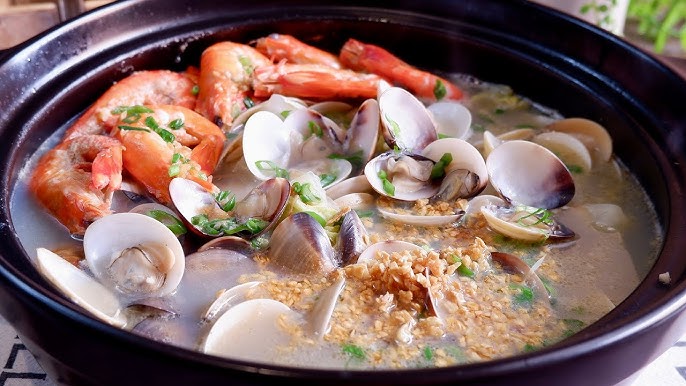
Seafood Soup Recipe: Seafood soup is the kind of dish that warms your soul and ignites your taste buds all in one go. Whether you’re a coastal local or someone craving an oceanic feast at home, this hearty recipe brings the ocean’s best right into your kitchen.
This step-by-step guide will walk you through how to make a delicious, comforting bowl of seafood soup that’s bursting with flavor, brimming with nutritious ingredients, and easier to prepare than you might think.
Why You’ll Love This Seafood Soup
There’s something almost magical about seafood soup. It’s not just food—it’s an experience. A blend of the sea’s bounty, comforting warmth, and rich, layered flavors that make it suitable for both elegant dinners and casual family nights.
Health Benefits of Seafood
Seafood is a nutritional powerhouse. Rich in omega-3 fatty acids, proteins, vitamins, and minerals, it’s a go-to for a heart-healthy meal. Fish like salmon and cod support brain health, while shellfish such as shrimp and mussels are loaded with zinc and iron. Add vegetables into the mix, and your soup becomes a balanced, nutrient-rich dish that’s low in calories but high in satisfaction.
Flavor Explosion in Every Bite
Imagine this: tender shrimp, delicate scallops, and juicy mussels, all swimming in a perfectly seasoned broth infused with garlic, onions, tomatoes, and herbs. Each spoonful carries a deep, savory flavor with just a hint of the ocean. The best part? You can customize it—make it spicy, creamy, or tangy depending on your mood.
Ingredients You’ll Need
Before diving into the cooking, let’s get the ingredients lined up. The beauty of seafood soup is in its versatility, but here’s a tried-and-tested combination to start with.
Fresh Seafood Selection
- 1/2 lb shrimp (peeled and deveined)
- 1/2 lb scallops
- 1/2 lb white fish (like cod or haddock), cut into chunks
- 1/2 lb mussels or clams (cleaned)
When choosing seafood, freshness is key. Look for clear eyes in fish, a briny ocean smell, and shells that are tightly closed or close when tapped.
Vegetables and Herbs
- 1 large onion (chopped)
- 2 cloves garlic (minced)
- 2 celery stalks (diced)
- 2 carrots (sliced)
- 1 can diced tomatoes (14 oz)
- Fresh parsley or cilantro (chopped for garnish)
- 1 bay leaf
These veggies not only add flavor and texture but also enhance the nutritional value of the soup.
Broth and Seasoning Essentials
- 4 cups seafood or chicken broth
- 1 cup dry white wine (optional)
- 1 tsp smoked paprika
- 1/2 tsp red pepper flakes (adjust to taste)
- Salt and pepper to taste
- Olive oil for sautéing
If you prefer a more luxurious version, consider adding a splash of cream or coconut milk at the end.
Tools and Kitchen Equipment Required
Making a killer seafood soup doesn’t require a Michelin-star kitchen. Just a few reliable tools will do the trick.
Cooking Utensils
- Large soup pot or Dutch oven
- Wooden spoon or spatula
- Chef’s knife
- Cutting board
- Ladle
Safety and Prep Tools
- Seafood shears for deveining shrimp
- Colander for cleaning shellfish
- Kitchen thermometer (optional but handy for checking doneness)
Now that everything’s in place, it’s time to get cooking.
Step-by-Step Cooking Instructions
This is where the magic happens. Follow these steps closely and you’ll have a pot of savory seafood soup that’ll impress any guest—or just yourself.
Step 1: Prepping the Ingredients
First, wash and chop all your vegetables. Dice the onion, slice the carrots and celery, and mince the garlic. Clean your seafood thoroughly—especially the shellfish—and pat them dry with paper towels. Cut the fish into bite-sized pieces to ensure even cooking.
Proper prep makes the cooking process smoother and faster, so don’t skip this part.
Step 2: Sautéing the Base
Heat olive oil in your soup pot over medium heat. Add the onion, garlic, celery, and carrots. Sauté for about 5–7 minutes until everything is soft and fragrant. This is your flavor foundation, so take your time here.
Once the veggies are softened, toss in the paprika, red pepper flakes, salt, and pepper. Stir for another minute to bloom the spices.
Step 3: Adding Seafood and Simmering
Pour in the diced tomatoes, broth, and white wine (if using). Add the bay leaf and bring the mixture to a gentle boil. Reduce the heat and let it simmer for 10 minutes to meld the flavors.
Now add the seafood—start with the firmest fish, followed by shrimp, scallops, and finally shellfish. Simmer for 5–7 minutes, or until the shrimp are pink, the fish flakes easily, and the mussels/clams have opened.
Discard any shellfish that don’t open during cooking.
Step 4: Finishing Touches and Serving
Taste the broth and adjust seasoning as needed. A squeeze of lemon juice or a dash of hot sauce can elevate the flavor beautifully. Remove the bay leaf and ladle the soup into bowls. Garnish with fresh herbs and serve hot with crusty bread or over a bed of rice.
Tips and Tricks for the Perfect Seafood Soup
Cooking seafood soup is more than just tossing ingredients into a pot—it’s an art. Here are some insider tips to help you make it restaurant-quality every time:
- Use Fresh Ingredients: This can’t be stressed enough. Fresh seafood makes all the difference in taste and texture. If fresh isn’t available, high-quality frozen options work too—just be sure to thaw them properly.
- Don’t Overcook the Seafood: Seafood cooks fast. Overcooking can make shrimp rubbery and fish fall apart. Always add seafood towards the end and keep a close eye on cooking times.
- Layer Flavors Gradually: Build your flavor base with aromatic vegetables and spices before adding liquids. This gives your soup a depth of flavor that tastes slow-cooked.
- Deglaze with Wine: A splash of white wine after sautéing veggies adds acidity and complexity to the broth. If you’re not using alcohol, a little lemon juice or vinegar can offer a similar zing.
- Customize to Your Preference: Don’t be afraid to tweak the ingredients. Want it creamier? Stir in coconut milk. Prefer heat? Add more red pepper or chili oil.
- Skim the Foam: As the soup simmers, some foam or impurities might rise to the top. Skim it off for a cleaner, clearer broth.
These simple tricks can take your seafood soup from good to unforgettable.
Variations to Try
One of the best parts about seafood soup is its versatility. Once you’ve nailed the basic version, try experimenting with these delicious twists:
Creamy Seafood Chowder
Want a richer, heartier dish? Turn your seafood soup into a chowder.
- How to Make It: Replace the broth with a mix of seafood stock and heavy cream or whole milk. Add diced potatoes for thickness, and maybe a touch of bacon for a smoky depth.
- Flavor Profile: This version is comforting and velvety—perfect for colder days or when you need a filling meal.
Spicy Tomato-Based Seafood Soup
Inspired by Italian and Spanish seafood stews, this version packs a punch.
- How to Make It: Add more garlic, chili flakes, and maybe a splash of hot sauce or diced jalapeños. Use crushed tomatoes as a base, and finish with chopped basil or oregano.
- Flavor Profile: Bold, zesty, and perfect for spice lovers.
Whether you’re in the mood for creamy comfort or fiery flavor, there’s a version of seafood soup for every palate.
Serving Suggestions
Seafood soup is fantastic on its own, but pairing it with the right side dish elevates the whole experience. Here are some pairing ideas to make it a complete meal:
- Crusty Bread: A warm baguette or sourdough loaf is perfect for soaking up every last drop of broth.
- Rice or Pasta: Serve the soup over steamed rice or with a side of linguine for a heartier dish.
- Green Salad: A light, lemony salad balances out the richness of the soup.
- Grilled Veggies: Think zucchini, asparagus, or bell peppers for added texture and flavor.
Don’t forget a glass of chilled white wine or sparkling water with a twist of lime—it rounds off the meal perfectly.
Storing and Reheating Leftovers
Seafood soup tastes even better the next day. Here’s how to keep it fresh:
- Storage: Let the soup cool completely before transferring it to an airtight container. Store in the refrigerator for up to 3 days.
- Freezing: You can freeze the soup, but it’s best to remove shellfish beforehand as they can become rubbery when thawed. Freeze in portions for easier reheating.
- Reheating: Warm on the stovetop over medium heat until just heated through. Avoid boiling, as this can overcook the seafood.
Pro tip: Always reheat only the portion you’ll eat to preserve the freshness of the leftovers.
FAQs about Seafood Soup Recipe
1. Can I use frozen seafood in my soup?
Yes, frozen seafood works well. Just make sure to thaw it properly and pat it dry before adding it to the soup to avoid watering down the broth.
2. What’s the best fish for seafood soup?
White fish like cod, haddock, or halibut are great options. They hold their shape well and have a mild flavor that blends beautifully with other ingredients.
3. How can I make the soup more filling?
Add starchy vegetables like potatoes or serve it with rice, pasta, or bread. You can also include beans for added protein and fiber.
4. Is seafood soup keto-friendly?
It can be! Skip the starchy veggies and bread, use a low-carb broth, and stick to seafood and low-carb veggies like celery and spinach.
5. What herbs go best with seafood soup?
Parsley, thyme, dill, and basil are all excellent choices. Fresh herbs should be added at the end for the best flavor.
Final Thoughts
Making seafood soup at home may sound intimidating, but it’s actually one of the most rewarding and flexible dishes you can create. With a little prep and the right ingredients, you’ll end up with a dish that’s light yet filling, simple yet sophisticated, and, most importantly, irresistibly delicious. So next time you’re craving something cozy with a touch of elegance, give this seafood soup a try. Your taste buds will thank you.