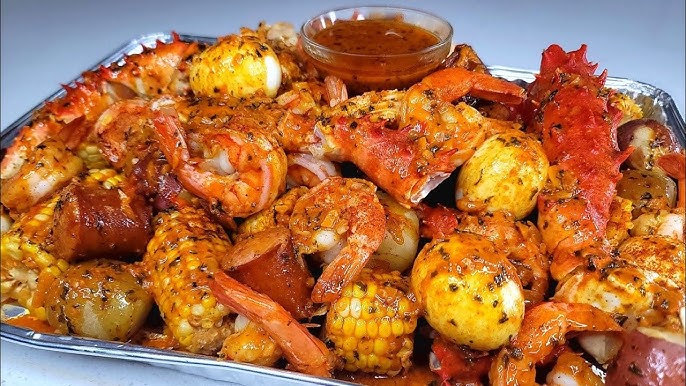
Seafood Sauce Recipe: Seafood without sauce is like a song without a melody—it’s good, but it’s missing that zing that ties it all together. Whether you’re dipping shrimp into a spicy cocktail sauce or drizzling garlic butter over lobster tails, the right seafood sauce transforms your meal from simple to spectacular. This guide will walk you through everything you need to know about making restaurant-quality seafood sauces right at home. No more bland dips or overpriced bottles from the store. You’ll master flavor, consistency, and even discover which sauce pairs best with your favorite catch of the day.
Plus, making it at home means you control what goes in it. Love it spicier? Add more kick. Prefer creamy with a tang? You got it. So, let’s roll up our sleeves, grab our ingredients, and start mixing some magic!
Benefits of Making Homemade Seafood Sauce
Why should you go the homemade route when there are endless bottles on grocery shelves? Easy—control, quality, and crazy-good flavor.
1. Healthier Ingredients
You skip the preservatives, artificial colors, and chemicals when you make it from scratch. It’s a cleaner, fresher option that’s better for your body.
2. Tailored to Your Taste
Hate too much vinegar? Want a smoky undertone? Homemade means you’re the boss of your sauce. You can tweak the spice levels, sweetness, and texture however you like.
3. No Preservatives or Additives
Many store-bought sauces contain stabilizers or high-fructose corn syrup. Homemade versions are made with real ingredients—tomatoes, mustard, garlic, fresh herbs, and lemon juice.
Bottom line? Your sauce is fresher, tastier, and actually made from food you can pronounce.
Types of Seafood Sauce
Not all seafood sauces are created equal. Each one complements certain seafood dishes in unique ways. Here’s a breakdown of the most popular types:
1. Classic Cocktail Sauce
A zesty tomato-based sauce often paired with cold shrimp or oysters. Think ketchup, horseradish, lemon juice, and Worcestershire sauce.
2. Spicy Remoulade
Originating from French cuisine and adopted by the South (hello, Louisiana), remoulade is creamy, tangy, and spicy all at once. Great with fried seafood or crab cakes.
3. Garlic Butter Sauce
Warm, buttery, garlicky perfection—this one is a must for lobster, crab legs, and shrimp scampi. It’s simple yet rich.
4. Asian-Inspired Seafood Sauce
Soy sauce, sesame oil, ginger, garlic, chili… this fusion-style sauce works beautifully with grilled seafood, dim sum, or as a dipping sauce.
Choosing the Right Seafood Sauce for Your Dish
The sauce you choose depends on how you’re preparing the seafood. Here’s a cheat sheet to help you match them up:
| Seafood | Best Sauce | Flavor Profile |
|---|---|---|
| Shrimp | Cocktail, garlic butter | Zesty, savory |
| Crab | Remoulade, garlic butter | Creamy, rich |
| Lobster | Garlic butter, lemon dill | Buttery, citrusy |
| Oysters | Mignonette, cocktail | Tangy, acidic |
| Grilled fish | Asian-style, lemon herb | Salty, fresh |
Always think about texture, temperature, and flavor. Cold shrimp? Use chilled cocktail sauce. Hot grilled salmon? Try warm garlic butter or Asian-style glaze.
List of Ingredients You’ll Need
Let’s get into the essentials. These ingredients will vary slightly depending on the sauce you’re making, but here’s a good master list to keep on hand.
Pantry Staples:
- Ketchup
- Dijon or yellow mustard
- Soy sauce
- Worcestershire sauce
- Olive oil or butter
- Vinegar (white, apple cider, or rice)
- Salt and pepper
- Hot sauce
Fresh Ingredients:
- Garlic cloves
- Lemons or limes (for juice and zest)
- Fresh herbs (parsley, dill, cilantro)
- Horseradish (fresh or prepared)
- Onion or shallots
- Green onions or scallions
Optional Add-Ons:
- Paprika or smoked paprika
- Cayenne pepper
- Brown sugar or honey
- Mayonnaise or Greek yogurt (for creamy sauces)
- Ginger (for Asian sauces)
Keep these on hand, and you’ll be able to whip up almost any seafood sauce with ease.
Tools and Equipment
Good sauces start with the right tools. Luckily, you don’t need a fancy kitchen.
- Mixing bowls (small to medium size)
- Measuring spoons and cups
- Whisk or spoon
- Microplane zester (for citrus and garlic)
- Garlic press (optional but handy)
- Small saucepan (for warm sauces)
- Jar with lid (for storage)
Now that you’ve got your gear ready, let’s get into the real deal: making the sauces.
How to Make Classic Seafood Sauce (Step-by-Step Guide)
This is your go-to cocktail sauce—tangy, spicy, and totally addictive. Perfect for shrimp cocktail or oysters.
Step 1: Gather All Ingredients
- 1 cup ketchup
- 2 tablespoons prepared horseradish
- 1 tablespoon lemon juice (fresh)
- 1 teaspoon Worcestershire sauce
- 1/2 teaspoon hot sauce (optional)
- Pinch of salt and pepper
Step 2: Mix the Base
In a small bowl, pour in your ketchup. Add the horseradish, lemon juice, Worcestershire sauce, hot sauce, salt, and pepper. Use a whisk or spoon to mix until smooth and evenly blended.
Step 3: Adjust Flavoring
Taste test! Want more heat? Add horseradish or hot sauce. Prefer it tangier? Squeeze in more lemon. You can balance flavors by adjusting slowly and tasting as you go.
Step 4: Chill for Best Taste
Cover the bowl and chill in the refrigerator for at least 30 minutes before serving. This allows the flavors to meld together beautifully.
Step 5: Serve and Enjoy
Pour into a small dipping bowl and serve alongside cold shrimp or crab legs. Garnish with a lemon wedge for a little extra flair.
Spicy Garlic Butter Sauce (Step-by-Step Guide)
If you’re diving into lobster, crab legs, or grilled prawns, this spicy garlic butter sauce is a total game-changer. It’s rich, bold, and brings restaurant-level flavor right to your plate.
Ingredients:
- 1 cup unsalted butter (2 sticks)
- 6 garlic cloves, minced
- 1 teaspoon smoked paprika
- 1 teaspoon cayenne pepper (adjust to taste)
- 1 tablespoon lemon juice
- 1/2 teaspoon salt
- 1/4 teaspoon black pepper
- Optional: 1 tablespoon chopped parsley or cilantro
Step 1: Melt the Butter
In a small saucepan over low heat, melt the butter slowly. Don’t let it brown or boil—just warm enough to melt evenly.
Step 2: Add Garlic
Once the butter is melted, stir in the minced garlic. Sauté on low heat for about 2–3 minutes until the garlic becomes fragrant. Stir often to avoid burning.
Step 3: Add Spices
Sprinkle in the paprika, cayenne, salt, and black pepper. Stir well to combine. Let it cook together for another 2–3 minutes, allowing the flavors to blend into the butter.
Step 4: Finish with Lemon and Herbs
Turn off the heat and add the lemon juice and chopped parsley (if using). This brightens up the sauce and adds a touch of freshness to the heat and richness.
Step 5: Serve Warm
Pour the sauce over hot seafood or serve it as a dip. You can also drizzle it over grilled fish, roasted vegetables, or steamed rice. It’s incredibly versatile and addicting!
Creamy Remoulade Sauce (Step-by-Step Guide)
Remoulade is the perfect blend of creamy and tangy with a hint of spice. It’s often used in Cajun cooking and pairs beautifully with fried fish, crab cakes, or shrimp po’boys.
Ingredients:
- 1/2 cup mayonnaise
- 1 tablespoon Dijon mustard
- 1 tablespoon lemon juice
- 1 teaspoon paprika
- 1 teaspoon prepared horseradish
- 1 garlic clove, finely minced
- 1 tablespoon finely chopped pickles or relish
- 1 teaspoon hot sauce
- Salt and pepper to taste
Step 1: Combine Base Ingredients
In a mixing bowl, combine mayonnaise, Dijon mustard, and lemon juice. Stir together until smooth.
Step 2: Add Seasonings
Mix in the paprika, horseradish, garlic, pickles, and hot sauce. Give it a good stir until everything is evenly incorporated.
Step 3: Taste and Adjust
Take a spoonful and taste. Want it more tangy? Add lemon. Spicier? More hot sauce. Creamier? Stir in more mayo. Don’t be afraid to make it your own.
Step 4: Chill
Cover the sauce and refrigerate for at least 1 hour. This lets the flavors meld and intensify. The result? A bold, creamy sauce with layers of complexity.
Step 5: Serve
Perfect for fried fish, shrimp, and even burgers or sandwiches. It’s so flavorful, you might start using it as a dip for fries or veggies too.
Asian-Style Seafood Dipping Sauce (Step-by-Step Guide)
Looking for something a little different? This Asian-style sauce packs umami, spice, and a citrusy zing that goes great with grilled shrimp, sushi, or steamed fish.
Ingredients:
- 3 tablespoons soy sauce
- 1 tablespoon rice vinegar
- 1 tablespoon lime juice
- 1 teaspoon sesame oil
- 1 teaspoon honey
- 1 clove garlic, minced
- 1 teaspoon grated ginger
- 1 small chili or a pinch of red pepper flakes
- Optional: chopped cilantro or green onion
Step 1: Mix Wet Ingredients
In a bowl, combine soy sauce, rice vinegar, lime juice, sesame oil, and honey. Stir until the honey dissolves fully into the mixture.
Step 2: Add Aromatics
Add in the garlic, ginger, and chili. Stir everything together. The garlic and ginger bring a punch of flavor, while the chili brings the heat.
Step 3: Taste and Customize
Taste the sauce. Add more lime juice for tang, honey for sweetness, or soy for saltiness. You want a balance of salty, sour, sweet, and spicy.
Step 4: Garnish and Serve
Top with chopped cilantro or green onions if you like. This sauce is best served fresh and pairs well with dumplings, grilled seafood skewers, or tempura.
Tips for the Best Seafood Sauce Every Time
Creating the perfect seafood sauce isn’t just about following a recipe—it’s about mastering the balance of flavors and using quality ingredients. Here are some pro tips to keep in mind:
1. Balance Is Key
Most seafood sauces need a mix of acid, salt, sweetness, and spice. If your sauce feels “off,” adjust these levels slowly and retaste. A drop of lemon juice or a pinch of salt can make all the difference.
2. Use Fresh Ingredients
Fresh garlic, lemon juice, and herbs beat bottled or powdered versions every time. It might seem small, but it’s what separates good from great.
3. Chill for Flavor Fusion
Even sauces that don’t require cooking benefit from a short rest in the fridge. This helps all the flavors come together into a smooth, unified taste.
4. Don’t Skip the Taste Test
Always taste your sauce before serving. Everyone’s palate is different, and adjusting the sauce to your preference is part of the fun.
Storage and Shelf Life
Homemade seafood sauces may not have preservatives like store-bought ones, but that doesn’t mean they don’t last. With the right storage, you can enjoy your sauces for several days—or even weeks—depending on the ingredients.
1. Use Airtight Containers
Always store your sauces in a clean, airtight container, preferably glass jars or BPA-free plastic containers. This helps prevent contamination and keeps the flavor locked in.
2. Refrigeration Guidelines
- Cocktail and Remoulade Sauces: These can last up to 1 week in the refrigerator.
- Garlic Butter Sauce: Best used within 3–4 days. You can reheat gently before serving.
- Asian Dipping Sauce: Thanks to soy sauce and vinegar, this one lasts up to 10 days when stored properly.
Be sure to label each container with the date made, especially if you’re keeping several types on hand.
3. Can You Freeze Seafood Sauce?
Yes and no. Cream-based sauces (like remoulade) don’t freeze well because the texture may separate after thawing. However, butter-based and soy-based sauces can be frozen in small portions (like ice cube trays) and thawed as needed.
4. Avoid Double Dipping
Don’t dip directly into the main sauce container. Always spoon out what you need into a serving dish. This prevents the spread of bacteria and helps your sauce last longer.
Common Mistakes to Avoid
Even experienced cooks mess up sometimes. Here are a few common slip-ups that can ruin your seafood sauce—and how to avoid them.
1. Overpowering the Seafood
Seafood has a delicate flavor, and your sauce should complement it—not dominate it. Be careful not to go overboard on spice, garlic, or vinegar.
2. Using Bottled Lemon Juice
Fresh lemon juice makes a huge difference. Bottled versions often contain preservatives that dull the taste. Always squeeze fresh citrus when possible.
3. Forgetting to Taste Test
It’s tempting to follow a recipe to the letter, but your taste buds are the final judge. Taste as you go, and don’t be afraid to tweak things to suit your preference.
4. Not Letting It Rest
Many sauces need at least 30 minutes to “rest” so the ingredients can marry together. Don’t rush this step—it’s what turns a good sauce into an amazing one.
5. Skipping Quality Ingredients
You don’t need expensive items, but do choose fresh garlic, real butter, and good-quality condiments. Cheap ketchup or mayo can bring the whole sauce down.
How to Customize Your Seafood Sauce
Let’s say you’ve got the base recipe down. Now it’s time to have some fun and make it your own.
1. Add Herbs
Fresh herbs like parsley, dill, tarragon, or basil can add a vibrant layer of flavor to any sauce. Chop them finely and add just before serving.
2. Try Citrus Zest
Don’t toss those lemon or lime peels! Zesting a bit into your sauce adds brightness without extra liquid. Orange zest can work great in Asian-inspired sauces.
3. Spice It Up
Add sriracha, chili oil, or jalapeños if you like it hot. Always build the heat slowly so you don’t overpower the other flavors.
4. Make It Creamy
Blend in mayo, Greek yogurt, or sour cream for a richer texture. This works especially well in remoulades or chipotle-style seafood dips.
5. Sweet Touches
A drizzle of honey or maple syrup can balance acidity or spice. This trick works beautifully in Asian-style sauces or spicy cocktail sauces.
Customizing is where your personality shines through. Think of your sauce as a blank canvas and your ingredients as colors. Go create a masterpiece.
Serving Suggestions
Once your sauce is ready, it’s time to show it off. Here are a few mouthwatering ways to enjoy it:
1. Classic Shrimp Cocktail
Chill cooked shrimp and serve them with homemade cocktail sauce in a glass or on a platter. Add lemon wedges and fresh parsley for that professional look.
2. Crab Cakes with Remoulade
Serve crispy crab cakes with a generous dollop of creamy remoulade. Add a light salad and you’ve got a restaurant-quality meal.
3. Lobster with Garlic Butter
Brush garlic butter onto freshly steamed lobster tails. Serve with lemon and toasted bread to soak up every drop.
4. Fried Fish Tacos with Spicy Sauce
Use remoulade or an Asian-style sauce as a topping for fish tacos. Add slaw, lime, and avocado for the ultimate bite.
5. Seafood Platter Party
Create a platter with crab legs, oysters, shrimp, and grilled fish. Offer a selection of sauces in small bowls so guests can mix and match. It’s a flavor adventure waiting to happen.
No matter how you serve it, the right seafood sauce makes all the difference.
FAQs about Seafood Sauce Recipe
1. Can I freeze seafood sauce?
Some seafood sauces, like garlic butter or soy-based sauces, freeze well in small containers or ice cube trays. Cream-based sauces like remoulade don’t freeze well and may separate.
2. How long does seafood sauce last in the fridge?
Most sauces will last between 3–10 days depending on the ingredients. Always use airtight containers and label them with the date.
3. Can I make seafood sauce vegan?
Yes! Use vegan mayo, plant-based butter, and skip any animal-based ingredients like Worcestershire sauce (or use a vegan version). Many Asian-style sauces are naturally vegan.
4. Is seafood sauce gluten-free?
Some sauces are naturally gluten-free, but be cautious with soy sauce and certain condiments that may contain wheat. Use certified gluten-free alternatives where needed.
5. What seafood dishes go best with each sauce?
- Cocktail Sauce: Shrimp, oysters
- Garlic Butter: Lobster, crab legs, scallops
- Remoulade: Fried fish, crab cakes, sandwiches
- Asian Sauce: Grilled shrimp, white fish, dumplings
Conclusion
Seafood sauce may seem like a simple detail, but it has the power to completely transform your dish. Whether you’re after something creamy, spicy, tangy, or buttery, making your own sauce at home gives you the freedom to tailor flavors exactly the way you want.
From classic cocktail sauce to bold Asian dips, you now have a full toolkit to elevate any seafood meal. Remember, it’s all about balance, freshness, and a little experimentation. Don’t be afraid to mix things up and taste as you go.
Once you’ve mastered these recipes, your seafood dinners will never be the same again. Ready to dip in?