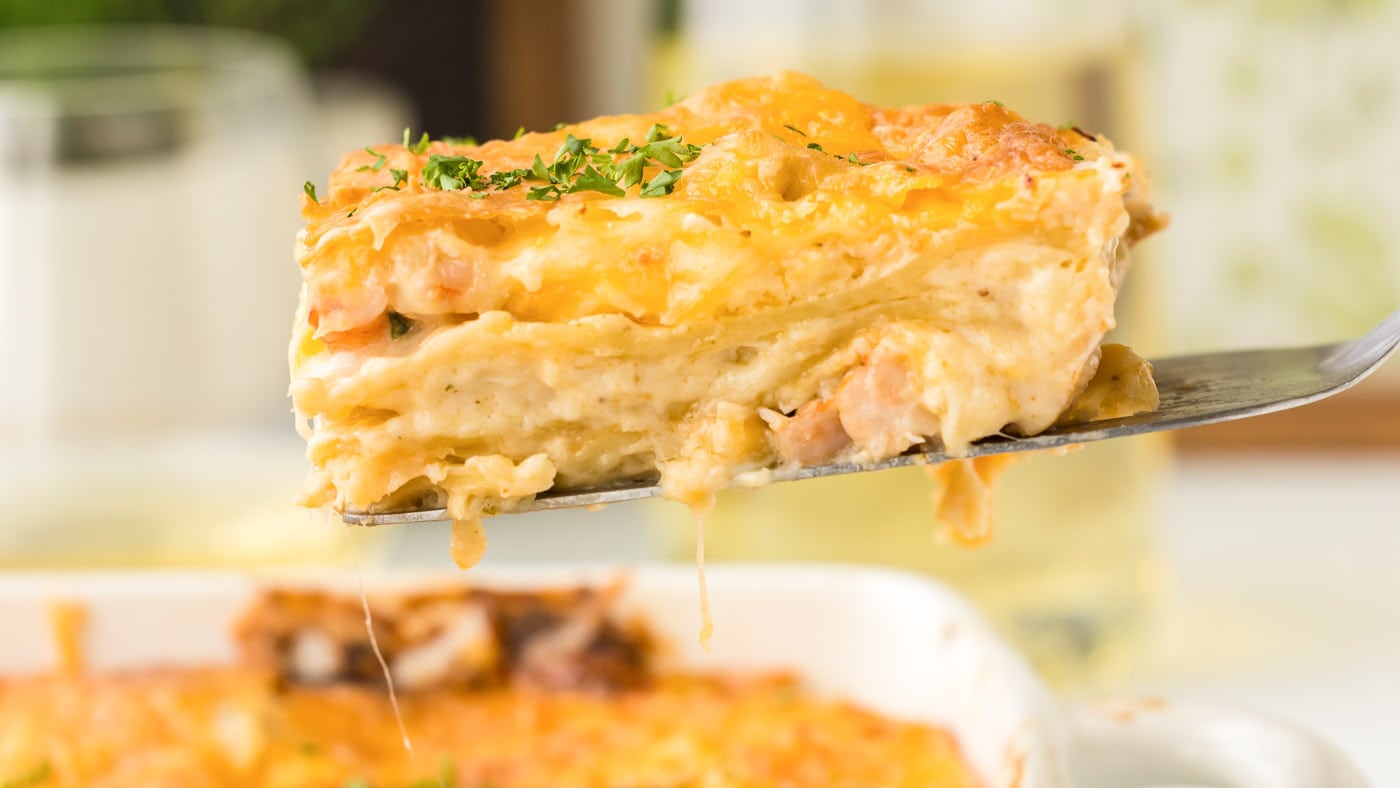
Seafood Lasagna Recipe: Seafood lasagna is not your average pasta bake. Unlike the classic beef lasagna that most people are familiar with, seafood lasagna brings an ocean-fresh twist to the table. It’s creamy, indulgent, and bursting with flavor from shrimp, crab, scallops, or even lobster, layered between tender pasta sheets and gooey cheese. Imagine the comforting warmth of lasagna combined with the luxurious taste of seafood—it’s a dish that turns dinner into a celebration.
So why is seafood lasagna so unique? The answer lies in the way the flavors blend. The delicate sweetness of shrimp, the buttery taste of scallops, and the richness of crab or lobster all marry beautifully with creamy white sauce and mozzarella. The result is a layered masterpiece that’s lighter than traditional red-sauce lasagna but just as hearty and satisfying.
Seafood lasagna is also versatile. You can keep it simple with shrimp and white sauce, or make it gourmet with lobster and ricotta. It’s a dish that works equally well for a cozy family dinner or an elegant dinner party. Plus, it’s a guaranteed crowd-pleaser because it feels fancy without being overly complicated.
When should you serve seafood lasagna? Honestly, anytime you want to impress. It’s perfect for holidays like Christmas Eve or Easter Sunday when seafood often takes center stage. It also makes a wonderful main dish for date nights, dinner with friends, or even potluck gatherings. Unlike many seafood dishes that must be served immediately, lasagna holds up well for entertaining, making it practical and delicious.
Now that we’ve set the stage, let’s dive into the ingredients and step-by-step process so you can master this irresistible dish.
Ingredients You’ll Need
Before diving into cooking, let’s talk ingredients. A great seafood lasagna depends on fresh, high-quality components. You don’t need to buy the most expensive seafood at the market, but choosing good-quality ingredients will elevate your dish from average to unforgettable.
Seafood Selection (Shrimp, Crab, Lobster, Scallops, etc.)
The star of this dish is, of course, the seafood. Here are some common choices:
- Shrimp – Sweet, firm, and easy to find.
- Crab Meat – Brings a delicate, slightly sweet flavor.
- Lobster – Luxurious and rich, perfect for special occasions.
- Scallops – Tender and buttery, a great complement to pasta.
- Fish (like cod or salmon) – Optional but adds variety.
You can mix and match depending on what’s available. Frozen seafood works too, as long as you thaw it properly before cooking.
Pasta and Cheese Essentials
- Lasagna Sheets – Either fresh or oven-ready pasta sheets.
- Mozzarella – For that gooey, stretchy cheese pull.
- Parmesan – Adds a sharp, salty edge.
- Ricotta or Cottage Cheese – Creates creaminess between layers.
Sauces and Seasonings
Seafood lasagna typically uses a creamy béchamel (white sauce) rather than tomato sauce, though you can mix both for a unique twist. Ingredients for the sauce include:
- Butter
- Flour
- Milk or cream
- Garlic
- Onion
- White wine (optional for depth of flavor)
- Salt, pepper, and nutmeg
Fresh Herbs and Vegetables
To brighten the flavors, you’ll also want some vegetables and herbs:
- Spinach or kale for added nutrition
- Fresh parsley for garnish
- Basil or thyme for aromatic notes
- Lemon zest to cut through richness
With these ingredients ready, you’ll have everything needed to build a flavorful, indulgent seafood lasagna.
Kitchen Tools and Equipment Required
Cooking seafood lasagna doesn’t require a fancy setup, but having the right tools will make the process smoother and less stressful.
Baking Dish and Utensils
- A 9×13-inch baking dish is the standard for lasagna. Glass or ceramic works best for even cooking.
- A large skillet or saucepan for preparing seafood and sauces.
- A wooden spoon or spatula for stirring.
Preparation Essentials (Bowls, Cutting Boards, Knives)
- Mixing bowls for cheese and sauce.
- A sharp knife and sturdy cutting board for chopping herbs and seafood.
- A whisk for making smooth béchamel sauce.
- Aluminum foil to cover the lasagna while baking.
Having everything set out before starting ensures a smoother cooking experience. Think of it as setting up your “culinary toolbox.”
Step-by-Step Guide to Making Seafood Lasagna
Now comes the fun part—bringing all the ingredients together to create your masterpiece.
Step 1 – Preparing the Seafood
Seafood cooks quickly, so you don’t want to overdo it. Lightly sauté shrimp, scallops, or fish in butter with garlic until just pink or opaque. For crab or lobster, since they’re often pre-cooked, simply fold them into the sauce or layer them directly into the lasagna. Season lightly with salt, pepper, and maybe a squeeze of lemon juice to brighten the flavor.
The key here is not to fully cook the seafood before baking, since it will continue cooking in the oven. Half-cooking ensures tender, juicy bites instead of rubbery seafood.
Step 2 – Cooking the Pasta Sheets
The pasta forms the foundation of your lasagna, so getting it right is crucial. Depending on the type you choose—fresh, boiled, or oven-ready—the preparation will vary slightly.
If you’re using fresh pasta sheets, a quick 1–2 minutes in boiling salted water is all they need before layering. Fresh pasta is delicate, so handle it gently to avoid tearing.
For dried lasagna sheets, cook them until just al dente—slightly firm to the bite—because they’ll continue cooking in the oven. Be sure to stir often while boiling to prevent them from sticking together. Once drained, lay them flat on parchment paper or drizzle with olive oil to keep them separated.
If you opt for oven-ready sheets, no boiling is required. However, you’ll want to ensure your sauces are a bit more liquid than usual so the pasta can absorb moisture while baking.
A small but important tip: always season your pasta water generously with salt. It’s the only chance to add flavor directly to the pasta, which otherwise can taste bland in such a rich dish.
By properly preparing your pasta, you’re setting the stage for layers that hold together beautifully and offer just the right bite.
Step 3 – Making the Creamy White Sauce
The béchamel, or white sauce, is the soul of seafood lasagna. Unlike the bold acidity of tomato sauce used in traditional lasagna, béchamel provides a silky, creamy backdrop that highlights the seafood’s delicate sweetness.
Here’s how to make it step by step:
- Start with a roux – Melt butter in a saucepan, then whisk in flour until smooth. This mixture will thicken your sauce.
- Gradually add milk or cream – Slowly whisk in warm milk to avoid lumps. Stir continuously until the sauce thickens.
- Season well – Add salt, pepper, a pinch of nutmeg, and minced garlic for flavor.
- Optional but recommended – A splash of white wine adds depth and pairs beautifully with seafood.
If you prefer a more indulgent sauce, you can stir in a little cream cheese or Parmesan. For added freshness, sprinkle in chopped parsley or dill.
The sauce should be smooth and pourable, not too thick. Remember, it will thicken more in the oven, so keep it slightly looser than you think you need.
This creamy béchamel ties all the layers together, preventing dryness while infusing every bite with richness.
Step 4 – Layering the Ingredients
Now it’s time to assemble your masterpiece. Think of layering like building a house—you want a strong foundation and a balanced structure.
Here’s the classic order for layering seafood lasagna:
- Spread a thin layer of white sauce on the bottom of the baking dish. This prevents sticking.
- Lay down the first sheet of pasta.
- Add a layer of seafood (shrimp, crab, scallops, etc.), distributing evenly.
- Spoon over some béchamel sauce to coat the seafood.
- Sprinkle with cheese (mozzarella, Parmesan, ricotta mix).
- Repeat layers until you reach the top of the dish.
Finish with a final layer of pasta, a generous amount of sauce, and plenty of cheese on top for that golden, bubbly finish.
For added texture and flavor, you can mix sautéed spinach or mushrooms into the layers. Just be sure not to overload with too many fillings—balance is key.
A well-layered lasagna should have at least three pasta layers, but you can go higher if your dish is deep enough.
Step 5 – Baking the Seafood Lasagna
The oven does the final magic, transforming layers of pasta, seafood, and sauce into a bubbling, golden masterpiece.
- Preheat oven to 375°F (190°C).
- Cover with foil – Tent aluminum foil over the dish to prevent cheese from burning while allowing steam to circulate.
- Bake for 30–35 minutes covered, then remove foil and bake an additional 10–15 minutes until the top is golden brown.
- Rest before serving – Let the lasagna sit for at least 10 minutes after removing from the oven. This helps it set and makes slicing easier.
If you want extra crispiness, switch the oven to broil for the last 2–3 minutes, but keep a close eye on it—cheese can go from golden to burnt quickly.
The aroma that fills your kitchen during this stage is heavenly—garlicky, creamy, cheesy, and infused with the ocean-fresh scent of seafood. This is when you know dinner is about to be unforgettable.
Tips for the Perfect Seafood Lasagna
Even the best recipes can go wrong without a little care. Here are some tips to ensure your seafood lasagna turns out perfect every time:
Balancing Flavors
Seafood has a naturally sweet and delicate flavor, so avoid overpowering it with heavy spices. Stick with light seasonings, fresh herbs, and citrus for balance.
Avoiding Overcooked Seafood
Remember, seafood cooks quickly. By partially cooking it before layering, you prevent it from becoming rubbery after baking.
Cheese Melting Techniques
Shred your own mozzarella instead of using pre-shredded, which often contains anti-caking agents that prevent smooth melting. A mix of mozzarella for stretch and Parmesan for sharpness works best.
With these tips, your lasagna will have the perfect balance of creamy, cheesy, and seafood goodness.
Variations of Seafood Lasagna
One of the best things about seafood lasagna is its versatility. You can adapt it to fit your taste, dietary needs, or even just whatever ingredients you have on hand. Let’s look at some popular variations you might want to try.
Italian-Style with Tomato Sauce
For a more traditional twist, combine seafood with a tomato-based marinara. Shrimp and crab go especially well with the bright acidity of tomatoes. You can do half béchamel, half marinara, or alternate layers for a “red and white” lasagna. This option feels a little lighter and adds a tangy kick to balance the richness of cheese and seafood.
Mediterranean Twist
Add flavors from the Mediterranean by including spinach, feta cheese, sun-dried tomatoes, and olives. Use olive oil instead of butter in the sauce and finish with fresh oregano or basil. This variation has a bold, savory edge that pairs wonderfully with white wine.
Low-Carb or Gluten-Free Version
Want to enjoy seafood lasagna without the carbs? Replace pasta sheets with thinly sliced zucchini, eggplant, or even cauliflower sheets. For gluten-free eaters, rice noodles or gluten-free lasagna sheets work perfectly. The trick is to dry the vegetables well before layering, so your lasagna doesn’t become watery.
These variations show how adaptable seafood lasagna can be—it’s a recipe that never gets boring because you can reinvent it every time.
Serving Suggestions
Seafood lasagna is a rich, indulgent dish, so pairing it with the right sides and drinks makes the meal even more enjoyable.
Side Dishes That Pair Well
- Green Salad – A crisp salad with arugula, cherry tomatoes, and lemon vinaigrette helps cut through the richness.
- Garlic Bread or Focaccia – Perfect for soaking up extra sauce.
- Roasted Vegetables – Lightly roasted asparagus, zucchini, or broccoli balance the heaviness of the pasta.
- Steamed Artichokes or Green Beans – Add freshness without overpowering the dish.
Wine and Beverage Pairings
Seafood and wine are a classic match. Here are some options:
- White Wines – Chardonnay, Pinot Grigio, or Sauvignon Blanc complement the creamy sauce.
- Sparkling Wine – A glass of Prosecco or Champagne adds elegance.
- Light Reds – Pinot Noir works well if you prefer red wine, thanks to its soft tannins.
- Non-Alcoholic Options – Sparkling water with lemon, or a light iced tea.
Pairing your lasagna with the right sides and drinks creates a balanced dining experience where every bite feels indulgent but not overwhelming.
Storage and Reheating Tips
Seafood lasagna can be made ahead of time, stored, and reheated without losing its deliciousness—as long as you do it properly.
How to Store Properly
- Allow lasagna to cool completely before storing.
- Refrigerate in an airtight container for up to 3 days.
- For longer storage, wrap tightly in foil or plastic wrap and freeze for up to 2 months.
Best Ways to Reheat Without Drying Out
- Oven Method (Best Choice): Cover with foil and reheat at 350°F (175°C) for about 20–25 minutes if refrigerated, or 45–50 minutes if frozen.
- Microwave Method (Quick Option): Reheat individual slices covered with a damp paper towel to retain moisture.
- Avoid Overheating: Since seafood can dry out easily, check frequently to ensure it doesn’t overcook.
With proper storage and reheating, your seafood lasagna will taste almost as good as when it first came out of the oven.
Nutritional Information
Seafood lasagna is indulgent, but it also offers surprising nutritional benefits.
Calories and Macronutrients
The exact nutrition depends on your ingredients, but here’s a rough breakdown per serving (based on shrimp and crab version):
- Calories: 450–600
- Protein: 30–35g
- Fat: 20–25g
- Carbohydrates: 40–45g
Health Benefits of Seafood
- High in Protein – Helps with muscle growth and repair.
- Rich in Omega-3 Fatty Acids – Supports heart health and brain function.
- Vitamins & Minerals – Seafood provides vitamin D, B12, iodine, and selenium.
Of course, lasagna also contains cheese and cream, which add saturated fat. But when enjoyed in moderation, seafood lasagna can absolutely be part of a balanced diet.
Common Mistakes to Avoid
Even seasoned home cooks can slip up when making seafood lasagna. Here are some common pitfalls and how to avoid them:
Overcooking the Pasta
Remember that pasta continues cooking in the oven. If you boil it until fully soft, it will turn mushy after baking. Aim for al dente before layering.
Using Too Much or Too Little Sauce
Too much sauce makes lasagna soggy, while too little leaves it dry. A good rule: enough sauce to lightly coat each layer but not drown it.
Overloading with Fillings
It’s tempting to pack every layer with tons of seafood and cheese, but moderation is key. Heavy layers can collapse and make serving difficult.
Avoiding these mistakes ensures your lasagna turns out restaurant-quality every time.
FAQs about Seafood Lasagna Recipe
1. Can I Use Frozen Seafood?
Yes! Just make sure to thaw completely and pat dry before cooking to prevent excess water from making the lasagna watery.
2. How Long Can I Store Seafood Lasagna?
In the fridge, it lasts up to 3 days. In the freezer, up to 2 months when tightly wrapped.
3. Can I Make It Ahead of Time?
Absolutely. Assemble it a day in advance, cover, and refrigerate. Bake fresh before serving.
4. What’s the Best Seafood Combination?
Shrimp and crab are the most popular, but adding scallops or lobster makes it more luxurious.
5. Can I Add Tomato Sauce?
Yes! A blend of béchamel and tomato sauce creates a delicious “pink sauce” variation.
Conclusion
Seafood lasagna is the perfect blend of comfort food and gourmet dining. It takes the classic layers of pasta and cheese we all love and gives them a luxurious twist with shrimp, crab, scallops, or lobster. With a creamy white sauce, just the right amount of cheese, and fresh herbs, it’s a dish that feels both indulgent and sophisticated.
Whether you’re serving it at a family dinner, a holiday gathering, or just because you’re craving something special, seafood lasagna never disappoints. By following this step-by-step guide—choosing quality ingredients, preparing your seafood carefully, and layering with balance—you’ll end up with a dish that’s golden, bubbly, and impossible to resist.
So next time you want to wow your guests (or just treat yourself), skip the beef lasagna and dive into the delicious world of seafood lasagna. Trust me, it’ll quickly become a favorite at your table.