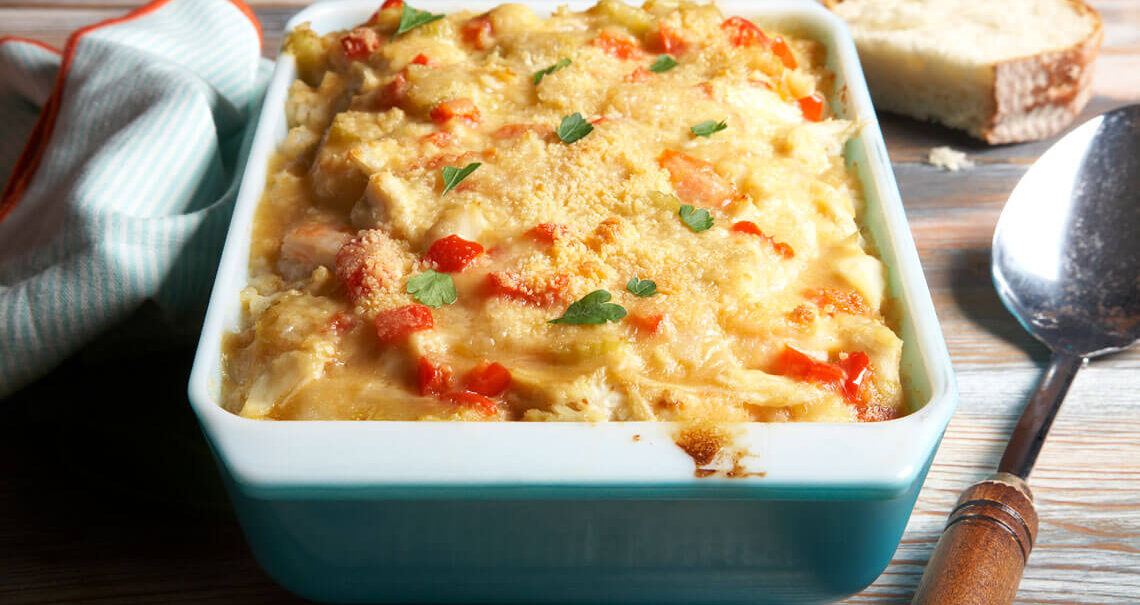
Seafood Casserole Recipe: If you’re a fan of rich, creamy, and savory seafood dishes, then a seafood casserole might just become your next go-to comfort food. There’s something uniquely satisfying about digging into a bubbling dish filled with tender shrimp, succulent crab, delicate scallops, and golden cheese—all nestled in a creamy, herb-infused sauce. Seafood casseroles bring together the ocean’s finest ingredients and elevate them into a dish that feels both cozy and gourmet.
This recipe we’re sharing today is more than just a set of steps—it’s a flavor-packed journey you’ll want to revisit again and again. Whether you’re prepping a weeknight dinner, hosting a holiday party, or just craving something indulgent, this seafood casserole delivers every time. Plus, it’s surprisingly easy to make, even for beginners!
Benefits of Cooking Seafood Casserole at Home
Let’s face it—ordering seafood at restaurants can be expensive, and you don’t always get the quality you expect. That’s why cooking seafood casserole at home is a total game-changer.
First off, it’s healthier. You’re in full control of the ingredients, so there are no mystery oils, excessive sodium, or unwanted additives. You can even lighten things up with low-fat dairy, go gluten-free, or add extra veggies.
Second, it’s customizable. Allergic to shellfish? Use white fish instead. Want a spicy twist? Add Cajun seasoning. You get to play chef, and the results are tailored exactly to your taste.
Third, it’s budget-friendly. You can mix and match seafood depending on what’s on sale, and stretch a few premium ingredients with pantry staples and vegetables to feed a crowd.
Overview of the Recipe
This seafood casserole is creamy, savory, and loaded with a mix of seafood for a variety of textures and flavors. The recipe serves 6–8 people and takes about 20 minutes to prep, and 30–40 minutes to bake, depending on your oven.
Quick Snapshot:
- Prep Time: 20 minutes
- Cook Time: 35 minutes
- Total Time: 55 minutes
- Difficulty: Easy to Moderate
- Servings: 6–8
Expect tender seafood in a velvety sauce, finished with a crunchy topping of breadcrumbs and cheese. The flavor profile is mild but rich, and you can dial up herbs, spices, or heat to your liking.
List of Ingredients You’ll Need
Here’s the full ingredient list to make a classic seafood casserole. Feel free to adapt based on preferences or what you have available.
Seafood (Use any combination):
- 1/2 lb shrimp (peeled and deveined)
- 1/2 lb sea scallops
- 1/2 lb lump crab meat (or imitation crab if on a budget)
- Optional: 1/2 lb white fish (like cod or haddock), chopped
Creamy Base:
- 2 tablespoons butter
- 2 tablespoons all-purpose flour
- 1 1/2 cups whole milk
- 1/2 cup heavy cream
- 1/2 cup grated Parmesan cheese
- 1/2 cup shredded mozzarella or Gruyère
- 1/4 cup sour cream (for extra creaminess)
Vegetables & Herbs:
- 1 small onion, diced
- 2 garlic cloves, minced
- 1/2 cup celery, chopped
- 1/2 cup red bell pepper, diced
- 1 tablespoon fresh parsley, chopped
- 1 teaspoon dried thyme or Italian seasoning
Topping:
- 1/2 cup breadcrumbs (Panko or regular)
- 2 tablespoons melted butter
- 1/4 cup Parmesan or cheddar for topping
Seasonings:
- Salt and pepper to taste
- Optional: Paprika, cayenne, lemon zest, Old Bay seasoning
Kitchen Tools You’ll Need
Before you begin, make sure your kitchen is equipped with the essentials:
- Large mixing bowl
- Medium saucepan
- Whisk
- Skillet or sauté pan
- 9×13 inch baking dish or casserole dish
- Oven (preheated to 375°F / 190°C)
- Knife and cutting board
- Measuring cups and spoons
- Spatula or wooden spoon
Optional but helpful:
- Food thermometer (to check doneness of seafood)
- Colander (for draining seafood if boiled)
How to Choose the Best Seafood for Your Casserole
Using the right seafood makes all the difference. Always aim for freshness, but don’t stress if frozen is all you have—just thaw it properly beforehand.
Tips for Selection:
- Shrimp: Go for medium to large shrimp for better texture. Peeled and deveined saves you time.
- Scallops: Choose dry-packed sea scallops if possible. They sear better and aren’t soaked in preservatives.
- Crab: Lump crab meat adds sweetness and richness. If using imitation crab, adjust the salt and sweetness.
- Fish: White, flaky fish like cod, haddock, or tilapia are mild and blend well with creamy sauces.
Always pat seafood dry before adding it to the dish. This helps prevent excess water in the casserole.
Step-by-Step Guide to Making Seafood Casserole
Alright, let’s get into the heart of it—making the casserole! Follow these steps carefully, and you’ll end up with a creamy, flavorful dish that’ll impress everyone at the table.
Step 1: Preheat and Prep
Start by preheating your oven to 375°F (190°C). Lightly grease a 9×13 inch baking dish with butter or cooking spray. This helps prevent sticking and ensures easy cleanup.
Step 2: Cook the Seafood
In a large skillet over medium heat, add a tablespoon of butter or olive oil. Sauté the seafood individually or in batches if you’re using a mix:
- Shrimp: Cook 2–3 minutes per side until pink.
- Scallops: Sear until golden and just firm, about 2 minutes per side.
- Fish: Cook gently until flaky.
- Crab meat: If already cooked, just warm through.
Don’t overcook—seafood will finish cooking in the oven. Once done, set it all aside.
Step 3: Sauté Vegetables
In the same pan, add more butter if needed and toss in onions, garlic, celery, and bell pepper. Cook until softened and fragrant, about 5–7 minutes. Stir in the herbs and season lightly with salt, pepper, and any optional seasonings like paprika or Old Bay.
Step 4: Make the Creamy Sauce
In a medium saucepan, melt 2 tablespoons of butter. Add the flour and whisk continuously to form a roux. Cook this mixture for about 1–2 minutes, just until it smells nutty and golden (not burned!).
Gradually whisk in the milk and cream. Stir constantly until the mixture thickens—this takes around 5–8 minutes. Once thickened, turn off the heat and stir in the sour cream, Parmesan, and mozzarella until melted and smooth. Taste and adjust seasoning.
Step 5: Assemble the Casserole
In a large mixing bowl or directly in your baking dish, gently combine the cooked seafood, sautéed vegetables, and creamy sauce. Don’t overmix—you want those chunks of seafood to stay intact.
Spread the mixture evenly in the prepared dish. Smooth out the top with a spatula.
Step 6: Add the Topping
In a small bowl, mix breadcrumbs with melted butter and extra cheese. Sprinkle evenly over the casserole. This will give you a crispy, golden crust once baked.
Step 7: Bake
Place the casserole in the oven and bake uncovered for 25–35 minutes, or until bubbly and golden on top. If the top is browning too fast, cover loosely with foil during the last 10 minutes.
Step 8: Garnish and Serve
Once baked, let the casserole rest for 5–10 minutes. Garnish with chopped parsley, a little lemon zest, or even a squeeze of lemon juice to brighten the flavor.
Serve hot and enjoy!
Tips for Making the Perfect Casserole
Making a good seafood casserole is all about balance—of textures, flavors, and timing. Here’s how to take your dish from good to amazing.
1. Don’t Overcook the Seafood
This is the most common mistake. Remember, seafood cooks quickly and continues to cook in the oven. Slightly undercook it on the stove to avoid rubbery shrimp or dry fish later.
2. Let the Sauce Thicken Properly
If your sauce is too runny before you mix it with the seafood, the final casserole might turn out soupy. Give it enough time to thicken on the stove. A smooth, creamy consistency is key.
3. Season in Layers
Season your veggies, your seafood, and your sauce separately before combining. This ensures every bite is packed with flavor instead of relying on the topping for taste.
4. Use the Right Dish Size
Stick with a 9×13 inch baking dish unless you’re halving or doubling the recipe. Using the wrong size can throw off the cook time or make your topping soggy.
5. Add a Crunchy Topping
That breadcrumb-cheese combo isn’t just for looks—it adds contrast to the creamy interior. Panko breadcrumbs work best for a light, crispy finish.
Make-Ahead and Storage Tips
Got a busy week ahead or planning for a dinner party? This casserole is ideal for prepping in advance and storing.
Make-Ahead Instructions:
- Assemble the casserole up to the topping stage.
- Cover tightly with foil or plastic wrap and refrigerate for up to 24 hours.
- When ready to bake, let it sit at room temperature for 30 minutes, then bake as usual.
Storage Tips:
- Leftovers can be stored in an airtight container in the fridge for up to 3 days.
- To reheat, cover and warm in the oven at 350°F for 15–20 minutes. Add a splash of milk or cream if the sauce seems dry.
Freezing Tip:
- This casserole freezes well! Wrap it tightly with foil and freeze for up to 2 months.
- Thaw overnight in the fridge before reheating.
Variations of the Seafood Casserole
This recipe is super versatile! You can adapt it to fit dietary preferences, use up ingredients you have on hand, or simply change it up for variety.
1. Low-Carb/Keto Version
- Skip the flour and thicken the sauce with cream cheese or xanthan gum.
- Use crushed pork rinds instead of breadcrumbs for the topping.
2. Gluten-Free Version
- Replace flour with gluten-free flour or cornstarch.
- Use certified gluten-free breadcrumbs or crushed rice crackers on top.
3. Add Pasta or Rice
- Mix in cooked pasta (like penne or rotini) or rice before baking for a more filling dish.
- You may want to increase the sauce slightly to keep things creamy.
4. Cajun-Style Casserole
- Add Cajun seasoning to the sauce and veggies.
- Toss in a few slices of andouille sausage or chopped tomatoes for a spicy Southern twist.
What to Serve With Seafood Casserole
Pairing your seafood casserole with the right sides and drinks can take the whole meal to the next level. Since the dish is creamy and rich, you want sides that balance things out—think fresh, crisp, or slightly acidic.
Best Side Dishes:
- Green Salad
A light salad with a vinaigrette (lemon or balsamic) helps cut through the creaminess. Add cucumber, cherry tomatoes, and arugula for extra freshness. - Steamed or Roasted Vegetables
Broccoli, asparagus, or green beans with a little olive oil and garlic are perfect. They’re simple but bring color and crunch to your plate. - Garlic Bread or Dinner Rolls
You’ll want something to soak up that luscious sauce! Toasty garlic bread or soft rolls are ideal. - Lemon Rice or Wild Rice Pilaf
A light, herby rice side can complement the seafood without overpowering it. Try a wild rice mix with parsley and lemon zest. - Coleslaw or Pickled Veggies
These tangy sides add a zesty contrast to the casserole’s richness and help cleanse the palate.
Drinks That Pair Well:
- White Wine: A chilled Sauvignon Blanc or Chardonnay is a classic pairing.
- Sparkling Water with Lemon: Keeps things refreshing and light.
- Iced Tea: Especially unsweetened or with a hint of lemon.
- Citrus Cocktails: Like a lemon spritz or light mojito if you’re going festive.
Common Mistakes to Avoid
Even the best cooks run into problems from time to time. Here are a few common pitfalls and how to avoid them.
1. Overcooking the Seafood
We can’t say this enough—seafood is delicate. Overcooking makes it rubbery, and you’ll lose all that fresh ocean flavor. Lightly cook it on the stove, and let the oven do the rest.
2. Using Too Much Sauce
Yes, creamy is great. But too much sauce can drown the seafood and turn your casserole into a soupy mess. Stick to the measurements in the recipe, or slightly increase only if you’re adding pasta or rice.
3. Not Seasoning Enough
This isn’t the time to be shy with your seasoning. Every layer—veggies, sauce, seafood—needs a touch of salt and spice. Otherwise, your casserole may end up tasting bland.
4. Skipping the Resting Time
After baking, let your casserole sit for 5–10 minutes before serving. This gives everything time to settle and makes it easier to serve nice, clean portions.
5. Choosing the Wrong Cheese
Some cheeses (like sharp cheddar) can overpower the delicate seafood flavors. Stick with milder options like mozzarella, Gruyère, or Parmesan.
Nutritional Information
Here’s a general breakdown of the nutrition per serving (based on a casserole that serves 6):
| Nutrient | Amount per Serving |
|---|---|
| Calories | ~480–550 kcal |
| Protein | ~32–40g |
| Carbohydrates | ~18–25g |
| Fats | ~28–35g |
| Fiber | ~2–4g |
| Sugars | ~4g |
Note: These numbers vary depending on the exact seafood and dairy products used. You can easily lighten the dish by using low-fat milk or skipping the topping.
Why This Recipe Works
This seafood casserole works because it hits that perfect balance between comfort food and elegant dining. It’s packed with:
- Protein-rich seafood for a satisfying meal
- A velvety, cheesy sauce that hugs every bite
- Crunchy topping to add contrast
- Versatile options, so you can adapt it to your taste or pantry
You get flavor, texture, and a beautiful golden crust—all with minimal fuss. Plus, it reheats like a dream, making it perfect for leftovers or meal prep.
Whether you’re a seafood lover or just looking to try something new, this recipe delivers on every level.
FAQs about Seafood Casserole Recipe
1. Can I use frozen seafood for this recipe?
Yes! Just make sure it’s fully thawed and drained before cooking. Pat it dry with paper towels to avoid excess water in the casserole.
2. What’s the best cheese for seafood casserole?
Go with mild cheeses like mozzarella, Gruyère, or Parmesan. They melt beautifully without overwhelming the seafood flavors.
3. How long does seafood casserole last in the fridge?
It stays fresh for up to 3 days in an airtight container. Reheat gently in the oven or microwave to preserve texture.
4. Can I make this dairy-free?
Absolutely. Use plant-based butter, unsweetened oat or almond milk, and dairy-free cheese alternatives. Coconut cream can add richness too.
5. Is this recipe kid-friendly?
Yes, especially if you go easy on the spices. You can also mix in pasta or tone down the seafood mix to suit picky eaters.
Conclusion
There you have it—your ultimate guide to making a restaurant-worthy seafood casserole at home! From fresh shrimp and tender scallops to a creamy, dreamy sauce and golden topping, every bite is bursting with flavor. Whether you follow the classic version or put your own twist on it, this is one of those dishes that feels fancy but is easy enough for any night of the week.
So the next time you’re wondering what to cook that’ll impress family, friends, or just treat yourself, this casserole should be at the top of your list. It’s hearty, customizable, and absolutely delicious.
Don’t forget to serve it up with your favorite sides, enjoy the leftovers (if there are any!), and most importantly—have fun cooking it!