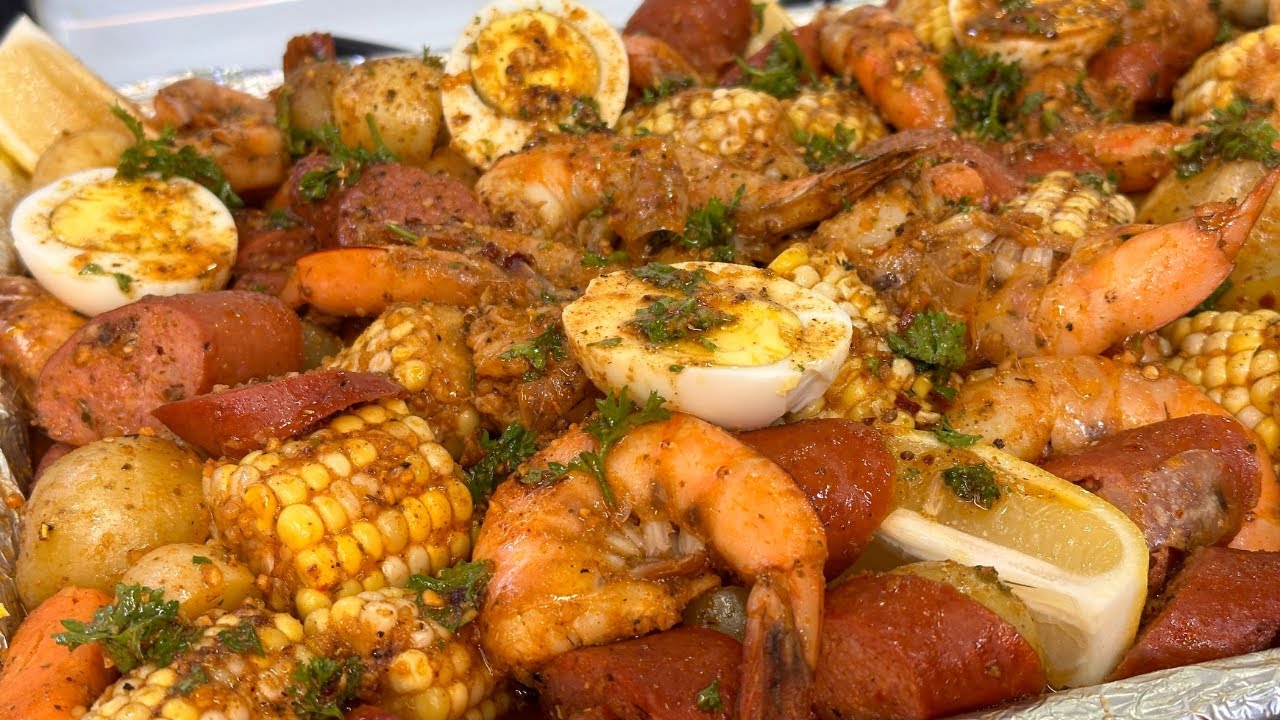
Seafood Boil Seasoning Recipe: Nothing brings people together quite like a seafood boil. Picture this: a giant table covered with newspaper, heaps of juicy crab legs, shrimp, corn on the cob, and potatoes, all drenched in mouth-watering seasoning. That deep, savory, spicy, buttery flavor that clings to every shell? That’s the power of a good seafood boil seasoning.
This guide isn’t just about listing a bunch of spices. We’re walking through everything—from why seasoning matters to how you can whip up your own blend at home. Whether you’re prepping for a summer backyard feast or just want to recreate that coastal magic indoors, this recipe has you covered. Let’s dive in and turn up the heat!
What is a Seafood Boil Seasoning?
Seafood boil seasoning is a powerful spice blend used to flavor both the water that seafood is boiled in and the sauce poured over it afterward. It’s the heart of the dish—it dictates whether your shrimp comes out bland or bursting with zest.
Traditionally, seafood boil seasoning has roots in Cajun and Creole cuisine, blending influences from French, Spanish, African, and Native American cooking styles. In Louisiana, it’s all about bold flavor—think paprika, cayenne, garlic, onion, and thyme. These blends often strike a balance between heat, saltiness, and a touch of sweetness, making each bite rich and layered.
In many households and seafood shacks across the South, the exact mix is a closely guarded secret. But today, you’re about to learn how to create your own signature seasoning mix that rivals any store-bought option.
Benefits of Making Your Own Seafood Boil Seasoning
Let’s be honest: the seasoning makes the boil. If you’ve ever tried a pre-mixed packet and found it a little…meh, you’re not alone. Making your own has some serious advantages:
- Total Control: Love it extra spicy? Want to skip the salt? Making it yourself means you call the shots.
- Fresher Flavor: Prepackaged mixes can sit on shelves for months. Your homemade blend? Freshly ground, bold, and aromatic.
- Cost-Effective: Buying spices in bulk and mixing at home saves money in the long run.
- No Mystery Ingredients: Ever read a store-bought label and see “natural flavorings” or “anti-caking agents”? Yeah, not here.
- Fun to Customize: Add smoked paprika for a BBQ twist or squeeze in lemon zest for a citrusy pop.
Essential Ingredients for a Classic Seafood Boil Seasoning
So what actually goes into this magical blend? Here’s the breakdown of the key players:
- Paprika: Adds color and a subtle sweetness. Smoked paprika kicks it up a notch.
- Cayenne Pepper: The firestarter. Adjust based on your heat tolerance.
- Garlic Powder: Earthy and robust, essential for depth.
- Onion Powder: Milder than fresh onions but rich in umami.
- Thyme and Oregano: Bring herby complexity.
- Black Pepper and White Pepper: A one-two punch of peppery heat.
- Salt: Enhances all the other flavors (use Kosher or sea salt for best results).
- Sugar: Just a pinch balances the heat and salt.
- Bay Leaves (crushed): Add a savory backbone.
- Lemon Zest (optional): For a zingy citrus twist.
- Old Bay (optional): A beloved classic that many consider essential.
You can mix and match these based on your taste preferences, but the key is balance. You want something bold, not overpowering.
List of Ingredients You’ll Need
Here’s the master list for a versatile, flavorful seafood boil seasoning mix that makes enough for one large boil (serves 4-6):
- 2 tablespoons paprika
- 1 tablespoon smoked paprika (optional)
- 1 tablespoon garlic powder
- 1 tablespoon onion powder
- 1 tablespoon dried thyme
- 1 tablespoon oregano
- 1 tablespoon black pepper
- 1 tablespoon white pepper
- 1 tablespoon cayenne pepper (reduce to 1 tsp for mild heat)
- 2 tablespoons Kosher salt
- 1 teaspoon brown sugar
- 3 crushed bay leaves
- 1 teaspoon lemon zest (optional)
- 1 tablespoon Old Bay seasoning (optional)
Substitution Tips:
- No smoked paprika? Add a dash of liquid smoke to your boil water.
- Allergic to bay leaves? Skip them or sub in fresh thyme.
- Watching sodium? Halve the salt and add it later to taste.
Tools and Equipment Needed
Good news: you don’t need anything fancy. Just a few basic kitchen items:
- Measuring spoons
- Small mixing bowl
- Airtight spice jar or container
- Mortar and pestle (optional, for crushing bay leaves)
- Funnel (makes transferring to jar easier)
If you’re doing a full seafood boil:
- Large stockpot or boil pot
- Strainer basket (optional but handy)
- Tongs or slotted spoon
- Large tray or platter for serving
Step-by-Step Guide to Making the Perfect Seafood Boil Seasoning
Let’s get into the fun part—actually making your seasoning blend! This is where the magic begins.
Step 1: Gather All Ingredients
Before you start, set everything out on your counter. Trust me, scrambling mid-mix is no fun. Use clean, dry spoons and bowls. Make sure all your spices are fresh—if it’s been sitting in the back of the pantry for three years, toss it.
Step 2: Measure Precisely
Use standard measuring spoons to get the exact quantities listed above. Level off each spoon to avoid overpowering any one ingredient. Even a little too much cayenne can throw off the balance!
Step 3: Mix Thoroughly
In a medium bowl, combine all your ingredients. Use a small whisk or spoon and stir until the mix is completely uniform. No clumps, no dark patches of one spice. You want every bite of your boil to taste the same—rich and balanced.
Step 4: Store Properly
Transfer your blend into an airtight jar or spice container. Label it with the name and date. Keep it in a cool, dry place—away from heat and light. It should stay fresh and flavorful for 4–6 months.
How to Use the Seafood Boil Seasoning
Now that you’ve got your seasoning mix ready, it’s time to bring it to life. Here’s how to use it in your seafood boil so every bite is dripping with bold flavor:
1. Season the Boil Water
This is the most crucial step. Before you even drop a single shrimp into the pot, make sure your water is seasoned like a broth. Use 1–2 tablespoons of your homemade seasoning mix per gallon of water. Add extras like:
- Lemon halves (squeezed and dropped in)
- A few crushed garlic cloves
- Onion slices
- Bay leaves (if not in your mix)
Let it simmer for 10–15 minutes to infuse the water before adding the seafood.
2. Layer Flavor Throughout
Once your seafood is cooking, sprinkle a bit more seasoning in—especially if you’re boiling multiple batches. You want every layer to soak up flavor.
3. Don’t Forget the Sauce
After draining your boil, you can toss everything in a seasoned butter sauce. Melt butter in a pan, add a tablespoon or two of your seasoning, maybe some minced garlic, and a splash of lemon juice. Drizzle it over the seafood or toss it all together for a finger-licking finish.
Pro Tips for Enhancing Flavor
Want to take your seafood boil to a whole new level? Here are a few extra tricks the pros use:
- Toast the Spices: Lightly toasting your dry spices in a pan for 1–2 minutes before mixing them can enhance their aroma and deepen the flavor.
- Add Citrus Zest: Lemon or orange zest brightens up the seasoning and balances the spice.
- Butter is King: Don’t be shy with melted butter. Mix some of your seasoning into it for a buttery bath that coats every bite.
- Infused Broth: Use a bit of seafood stock or beer in your boil water for extra richness.
- Adjust for the Crowd: Making this for a group? Taste the boil water before adding seafood. It should be saltier and spicier than soup—the seafood will absorb just enough.
Seafood Options for the Perfect Boil
The beauty of a seafood boil is that there’s no one right way to do it. You can mix and match based on what’s fresh, on sale, or in your freezer. Here are the usual suspects:
- Shrimp (peeled or unpeeled)
- Snow crab legs
- Dungeness crab
- Lobster tails
- Mussels
- Clams
- Crawfish (a Southern classic)
Each type of seafood has a different cook time, so stagger your additions. For example, crawfish take about 10–15 minutes, while shrimp cook in 2–3 minutes.
Quick Tip: Add heartier seafood first and delicate shellfish last to avoid overcooking.
Add-Ins That Make It Extra Special
A seafood boil isn’t just about the seafood. The extras soak up all that flavor and add heartiness to the meal. Here’s what you can throw in the pot:
- Corn on the cob (cut into thirds)
- Baby potatoes (red or Yukon gold)
- Smoked sausage (Andouille or kielbasa)
- Boiled eggs (a Southern twist!)
- Mushrooms
- Lemons (halved)
Make sure to add these based on how long they take to cook. Potatoes and corn usually go in first since they take longer. The rest can follow once things are boiling and the seasoning is infused.
Pro Tip: Sprinkle some extra seasoning on these right after draining for bonus flavor.
Serving Suggestions
Ready to serve? Presentation is part of the fun with a seafood boil. You can go rustic or refined depending on the occasion.
For a casual backyard boil:
- Line a large table with newspaper or butcher paper.
- Dump the seafood and extras right onto the table.
- Provide lemon wedges, melted butter, and dipping sauces on the side.
For a more formal setting:
- Serve in large trays or bowls.
- Garnish with chopped parsley or green onions.
- Offer crusty bread or garlic toast on the side.
Dipping Sauce Ideas:
- Spicy garlic butter
- Cajun aioli
- Lemon herb mayo
- Vinegar-based hot sauce
And don’t forget the napkins—lots of them.
Storing Your Homemade Seasoning
If you made a big batch (and trust me, you’ll want to), storing it correctly is key to maintaining its kick.
- Use an airtight glass jar or spice container.
- Label with the date you made it.
- Store in a cool, dark place—like a pantry or spice drawer.
- Avoid plastic bags or containers that let in air or light.
Shelf life: Up to 6 months, though it’s best within 3–4 months for peak flavor. After that, spices start to lose their punch.
Common Mistakes to Avoid
Even pros slip up sometimes. Here are the most common pitfalls—and how to dodge them:
1. Over-seasoning the water
Too much salt or spice in the boil water can make your seafood inedible. Always taste-test the water before you drop anything in.
2. Under-seasoning the butter sauce
The boil water seasons the inside, but the sauce coats the outside. If it’s bland, the whole dish falls flat.
3. Skipping the simmer
Let your boil water simmer with the seasoning before adding seafood. That 10–15 minutes makes a huge difference in flavor.
4. Overcooking seafood
Each type has a different cook time. Shrimp turn rubbery, and crab gets dry if you’re not careful.
5. Not layering flavor
Using seasoning in just the water or just the sauce isn’t enough. Season all the way through—from water to sauce to serving.
FAQs about Seafood Boil Seasoning Recipe
1. Can I make this seasoning in bulk?
Absolutely! Just multiply the quantities based on how much you need. Store it in an airtight container and use within 6 months.
2. Is this seasoning spicy?
It has a kick, thanks to the cayenne and black pepper. You can dial the heat up or down based on your taste.
3. What’s the best seafood for a boil?
Shrimp, crab legs, lobster, crawfish, mussels, and clams are all great. Mix and match for variety.
4. Can I make a salt-free version?
Yes! Just omit the salt and add it separately while cooking. This gives you better control, especially for low-sodium diets.
5. How long does the seasoning last?
If stored properly in a cool, dark place, it’ll stay fresh for 4–6 months. Use it sooner for the boldest flavor.
Conclusion
A seafood boil is more than just a meal—it’s an experience. With the right seasoning, you’re not just cooking—you’re creating memories, building flavor, and serving up joy. This homemade seafood boil seasoning recipe gives you total control, unmatched freshness, and the satisfaction of knowing you made something seriously delicious from scratch.
So the next time you’re gathering around a table with friends and family, skip the store-bought packet. Grab your spices, mix your magic, and let the good times boil.