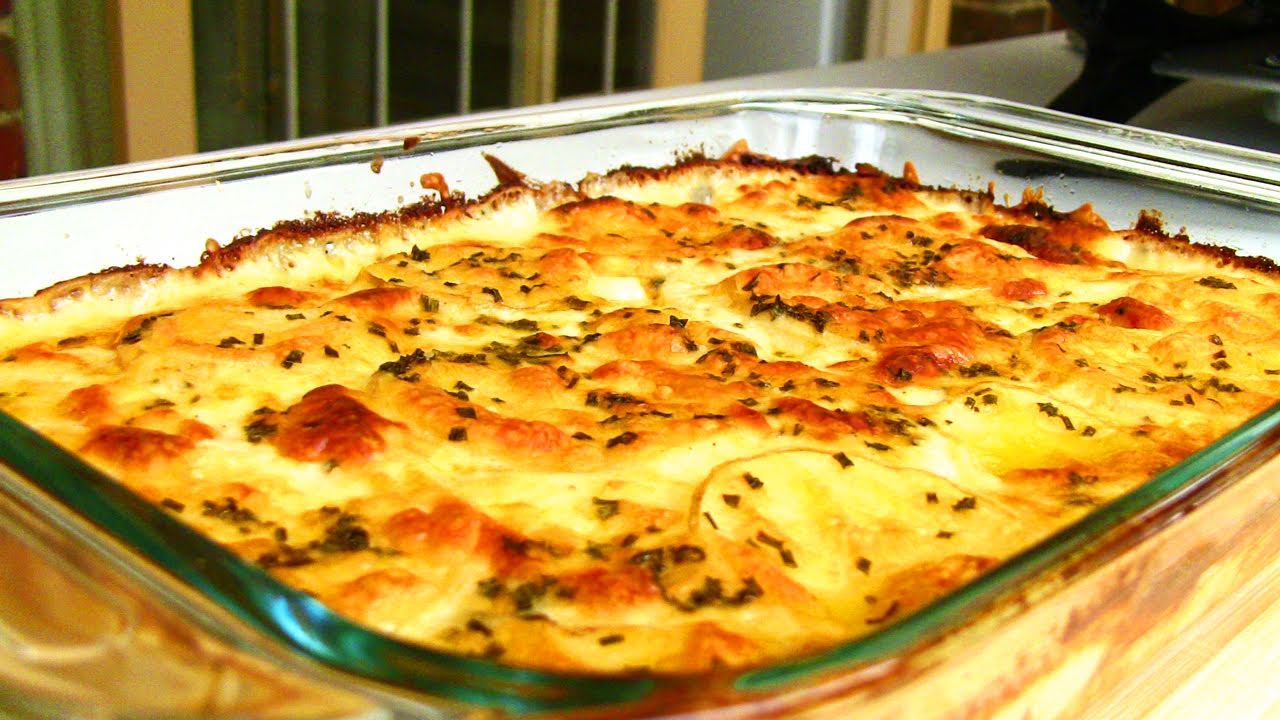
Scalloped Potatoes Recipe: If you’re in the mood for something creamy, warm, and downright comforting, scalloped potatoes are the perfect answer. Whether it’s for a holiday dinner, Sunday family meal, or a cozy night in, this dish hits the spot. It’s layers of thinly sliced potatoes baked in a rich, creamy sauce—simple, but incredibly satisfying. Just imagine the aroma of bubbling cream, garlic, and butter filling your kitchen.
Unlike mashed potatoes or roasted ones, scalloped potatoes offer a whole new level of texture and flavor. They’re soft on the inside, lightly crispy on top, and absolutely loaded with flavor. This dish is as homely as it gets and works wonderfully as a side dish or even a main course when paired with a salad or protein.
Let’s walk you through every step of the process so you can make perfect scalloped potatoes at home—without the stress.
Why Scalloped Potatoes are a Classic Comfort Food
There’s a reason scalloped potatoes have been passed down through generations. They represent warmth, tradition, and a taste of home. This recipe takes humble ingredients—potatoes, cream, butter—and transforms them into something you’ll want to eat over and over again.
What makes them so comforting? It’s the layers of thin potatoes, tender from the cream and milk, infused with garlic, butter, and herbs. The top develops a golden crust that adds a subtle crunch. Some people add cheese (technically making it a gratin, but who’s judging?), and the result is a rich and filling dish you’ll crave.
Plus, it’s versatile. Serve it at Thanksgiving, Easter, or even with a grilled steak. Scalloped potatoes never go out of style.
What Makes This Recipe Special
There are dozens of scalloped potato recipes out there, but this one is designed for perfection every time. Here’s why this recipe stands out:
- Uses both butter and cream for a rich, silky sauce
- Infused with garlic and herbs for deep flavor
- Easily adaptable—add cheese, bacon, or even veggies
- Step-by-step breakdown so you can’t mess it up
- Perfectly balanced seasoning—not too bland, not too salty
You don’t need any fancy equipment or rare ingredients. Just your oven, a baking dish, and a little patience.
List of Ingredients You’ll Need
Main Ingredients:
- 6 medium-sized Russet or Yukon Gold potatoes – peeled and thinly sliced
- 2 tablespoons butter
- 2 tablespoons all-purpose flour
- 2 cups whole milk or half-and-half
- 1 cup heavy cream
- 1 small onion – finely chopped
- 2 garlic cloves – minced
- 1 teaspoon salt
- ½ teaspoon black pepper
- ¼ teaspoon ground nutmeg (optional)
- Fresh thyme or parsley – for garnish
Optional Add-Ins for Flavor:
- 1 to 1½ cups shredded cheddar or Gruyère cheese
- ½ cup cooked bacon bits
- Chopped fresh chives
- Paprika for color on top
- Parmesan for extra crisp topping
Kitchen Tools Required
- Sharp knife or mandoline slicer
- Large saucepan
- Whisk
- 9×13-inch baking dish
- Foil
- Oven mitts
- Wooden spoon or spatula
- Cutting board
Tips Before You Start Cooking
- Use starchy potatoes like Russets—they soak up the cream well and hold their shape.
- Slice evenly – a mandoline ensures uniform thickness, which is crucial for even baking.
- Don’t skip the rest time – letting your scalloped potatoes sit after baking allows the sauce to thicken.
- Grate your own cheese – pre-shredded cheese often has additives that prevent melting smoothly.
- Layer seasonings – season lightly between layers if you want extra flavor depth.
Step-by-Step Guide to Making Scalloped Potatoes
Step 1: Preheat Your Oven
Preheat your oven to 375°F (190°C). This allows your dish to start cooking evenly from the get-go. Grease your baking dish with butter or non-stick spray to prevent sticking.
Step 2: Prepare the Potatoes
Peel and thinly slice your potatoes—aim for about ⅛-inch thick. Uniform slices ensure even cooking. If you’re short on time, a mandoline slicer is your best friend here. Place the slices in a large bowl of cold water to prevent browning while you prepare the sauce.
Step 3: Make the Cream Sauce
In a medium saucepan, melt 2 tablespoons of butter over medium heat. Add the chopped onion and garlic. Cook until soft and fragrant—about 3-4 minutes.
Next, whisk in 2 tablespoons of flour. Stir constantly for 1-2 minutes to create a roux (this thickens your sauce). Slowly pour in 2 cups of milk and 1 cup of heavy cream, whisking constantly to avoid lumps. Season with salt, pepper, and nutmeg if using. Let it simmer until slightly thickened—about 5-7 minutes.
Step 4: Layering the Potatoes
Drain the potato slices and pat them dry. Spread a thin layer of the cream sauce at the bottom of the dish. Add one layer of potatoes, slightly overlapping. Pour a portion of the cream sauce over the potatoes. Repeat this layering process until all the potatoes and sauce are used up.
If using cheese, sprinkle a handful between layers.
Step 5: Pour the Sauce Evenly
After layering, pour any remaining cream sauce evenly over the top. Shake the dish gently or tap it to help the sauce settle between layers.
Step 6: Add Cheese (Optional but Recommended)
Top with shredded cheddar, Gruyère, or Parmesan cheese if desired. It’ll create a bubbling, golden-brown crust that’s hard to resist.
Step 7: Bake to Golden Perfection
Cover the dish with foil and bake for 45 minutes. Then, remove the foil and bake for another 25-30 minutes until the top is golden and the potatoes are tender when pierced with a knife.
Step 8: Let it Rest Before Serving
Once baked, remove from the oven and let it sit for at least 10-15 minutes before serving. This allows the sauce to thicken and flavors to settle, giving you perfect slices.
How to Store and Reheat Scalloped Potatoes
One of the best things about scalloped potatoes? They make fantastic leftovers. You can easily store and reheat them without losing flavor—or that creamy, dreamy texture.
To store:
- Let the dish cool completely.
- Transfer leftovers to an airtight container or cover the baking dish tightly with foil or plastic wrap.
- Store in the refrigerator for up to 4 days.
To freeze:
- Scalloped potatoes freeze well, though the texture might change slightly.
- Wrap the cooled dish tightly with plastic wrap and foil, or portion into freezer-safe containers.
- Freeze for up to 2 months.
- Thaw in the refrigerator overnight before reheating.
To reheat:
- Oven method: Cover with foil and bake at 350°F (175°C) for about 20–25 minutes, or until heated through.
- Microwave: Place individual portions on a microwave-safe plate, cover loosely, and heat in 1-minute intervals until hot.
Tip: Add a splash of cream or milk before reheating to bring back moisture.
Variations of the Recipe
There are endless ways to dress up scalloped potatoes. Here are a few crowd-pleasing variations:
Scalloped Potatoes with Ham
Looking to turn this side dish into a main course? Add cooked, diced ham between the layers of potatoes. The saltiness of the ham complements the creamy sauce beautifully, making it a hearty, protein-packed meal.
Cheesy Scalloped Potatoes
Want extra indulgence? Add cheese to every layer. Cheddar, Gruyère, Swiss, or even mozzarella work wonders. You can also sprinkle Parmesan on top for a crisp, salty finish. Technically, this version is a potatoes au gratin, but no one’s judging.
Vegan/Dairy-Free Version
Craving creamy scalloped potatoes without dairy? Use unsweetened almond or oat milk, vegan butter, and a roux made with flour and oil. Nutritional yeast or vegan cheese can replace the dairy-based cheese for a similar flavor. Make sure to check your plant milk is unflavored and unsweetened!
Common Mistakes to Avoid
To get perfect scalloped potatoes, here are some common pitfalls and how to dodge them:
- Potatoes are too thick – If slices are too thick, they won’t cook evenly. Stick to ⅛ inch.
- Undercooked potatoes – Always test with a knife before removing from the oven.
- Skipping the rest time – Letting them sit helps the sauce set, making serving cleaner and tastier.
- Sauce too thin or too thick – A good roux helps. If your sauce doesn’t coat the back of a spoon before baking, cook it a little longer.
- Not enough seasoning – Potatoes absorb flavors. Be generous with salt and herbs, especially between layers.
Serving Suggestions
Scalloped potatoes pair well with a variety of dishes. Whether you’re feeding vegetarians or meat lovers, this dish fits right in.
Perfect pairings:
- Roast chicken
- Glazed ham
- Grilled steak
- Green beans or asparagus
- Fresh garden salad
- Baked salmon
Want to turn it into a one-dish meal? Add veggies like spinach, mushrooms, or peas, or layer in ham or bacon.
How Long Do Scalloped Potatoes Last?
- Fridge: Up to 4 days
- Freezer: Up to 2 months (texture may change slightly)
- Room temperature: Not safe after 2 hours
Always store in airtight containers and reheat thoroughly before eating.
Nutrition Information (Per Serving – Approximate)
| Nutrient | Amount |
|---|---|
| Calories | 280–350 kcal |
| Carbohydrates | 30–35g |
| Protein | 5–8g |
| Fat | 15–22g |
| Fiber | 2–3g |
| Sodium | 400–600mg |
Note: Nutrition values may vary based on portion size and ingredient choices like cheese or ham.
FAQs about Scalloped Potatoes Recipe
1. What’s the difference between scalloped potatoes and au gratin?
Scalloped potatoes are typically baked in a creamy sauce without cheese, while au gratin includes cheese in every layer and on top.
2. Can I make scalloped potatoes ahead of time?
Yes! Prepare the dish up to the baking step, cover, and refrigerate up to 24 hours. Bake when ready to serve.
3. Can I use red or white potatoes?
You can, but they’re waxier and won’t soak up the cream as well as starchy potatoes like Russets or Yukon Golds.
4. Why are my scalloped potatoes watery?
This can happen if the sauce wasn’t thickened properly or if high-moisture potatoes were used. Be sure to use a roux and starchy potatoes.
5. Can I add veggies to this dish?
Absolutely! Try adding cooked spinach, mushrooms, or even thinly sliced zucchini between the layers for extra nutrition and flavor.
Conclusion
Scalloped potatoes are more than just a side dish—they’re a warm, creamy, comforting reminder of home and tradition. With simple ingredients and a step-by-step method, you can recreate this timeless classic right in your own kitchen. Whether you’re cooking for the holidays or just craving something cozy, this recipe will deliver every time.
So grab those potatoes, preheat that oven, and let’s bring comfort food back to the table—one delicious layer at a time.