Scalloped Potatoes Recipe: Let’s be honest—scalloped potatoes are one of those comfort foods you dream about. Creamy, soft, and perfectly golden on top, they’re the kind of dish that turns a regular dinner into something special. Whether you’re prepping a cozy family meal or hosting a holiday dinner, scalloped potatoes fit the bill every single time. It’s that classic side dish that disappears first at any gathering, and the best part? It’s surprisingly easy to make at home with a few staple ingredients.
What makes scalloped potatoes so special is the texture: thinly sliced potatoes baked slowly in a rich, creamy sauce until they soak up all the flavors. The edges get a little crispy, the inside stays soft and tender, and if you want to get fancy, you can add cheese, herbs, or even bacon to take things up a notch.
If you’ve ever thought making scalloped potatoes from scratch is complicated—don’t worry. This guide breaks everything down step by step so you can nail it on your first try. Get ready for a recipe you’ll come back to again and again.
Why This Scalloped Potatoes Recipe is a Must-Try
What sets this recipe apart? Simplicity meets flavor. You don’t need any complicated techniques or rare ingredients—just patience, love, and a handful of pantry staples. This recipe is:
- Creamy and comforting – with layers of velvety sauce hugging every slice of potato.
- Perfect for meal prep – you can make it ahead and reheat it without losing flavor or texture.
- Family-approved – even picky eaters love it.
- Customizable – want cheese, garlic, herbs, or even a spicy kick? Easy.
And unlike store-bought or boxed versions, this homemade recipe gives you full control. No preservatives, no artificial flavors—just real, delicious food made from scratch.
What Are Scalloped Potatoes?
Scalloped potatoes are a classic side dish featuring thinly sliced potatoes layered in a creamy milk or cream-based sauce. The name “scalloped” refers to the way the potatoes are cut—not actually scallops like the seafood, but scalloped as in sliced in a uniform, circular pattern. The dish is baked in the oven until the potatoes are fork-tender and the top is golden and bubbling.
Traditionally, scalloped potatoes don’t include cheese (that’s where au gratin comes in), but many modern versions, including this one, embrace a little cheesy love to enhance the richness and flavor. Think of it like a warm, savory casserole that pairs beautifully with everything from roasted meats to fresh salads.
Difference Between Scalloped Potatoes and Au Gratin
Let’s clear up a common confusion: scalloped potatoes vs. potatoes au gratin.
- Scalloped Potatoes – Typically made with a simple cream or milk-based sauce. Originally cheese-free, but now cheese is often added.
- Potatoes Au Gratin – Always contains cheese, often has breadcrumbs on top for added crunch, and may use a béchamel sauce.
Both are baked, both are delicious, and you can even combine the two. This recipe leans toward the cheesy scalloped version—aka the best of both worlds.
List of Ingredients You’ll Need
Basic Ingredients
Here’s what you’ll need for a classic batch of scalloped potatoes:
- 4 large russet or Yukon gold potatoes (peeled and thinly sliced)
- 2 tablespoons butter
- 2 cloves garlic (minced)
- 2 tablespoons all-purpose flour
- 2 cups milk (whole milk preferred for creaminess)
- 1 cup heavy cream
- Salt and pepper to taste
- 1 teaspoon dried thyme or Italian seasoning
- ½ teaspoon paprika (for color and a hint of warmth)
Optional Add-ons for Extra Flavor
- 1–2 cups shredded cheese (cheddar, Gruyère, or Parmesan work great)
- 1 small onion (sliced thin)
- Cooked bacon crumbles
- Chopped fresh herbs (like parsley or chives)
- A dash of nutmeg for a subtle warmth
Feel free to mix and match based on your taste and pantry.
Kitchen Equipment You’ll Need
- A sharp knife or mandoline slicer (for uniform potato slices)
- Medium saucepan (for sauce)
- 9×13 inch baking dish
- Whisk
- Measuring cups and spoons
- Foil (for baking)
- Oven mitts (because it’s gonna get hot!)
Having everything ready before you start makes the process smoother and less stressful.
Tips Before You Start Cooking
Before jumping into the cooking process, here are some quick pro tips:
- Use starchy potatoes like russet or Yukon gold—they help thicken the sauce naturally.
- Cut the potatoes thin and evenly (about ⅛ inch) so they cook uniformly.
- Don’t skip rinsing the potato slices. This removes excess starch and prevents gumminess.
- Taste the sauce before layering. Once it’s in the oven, you can’t tweak it.
- Cover while baking for the first half, then uncover for that golden top.
These little things make a big difference in the final result.
Step-by-Step Guide to Making Scalloped Potatoes
Step 1: Preheat Your Oven
Set your oven to 375°F (190°C). A consistent, moderate heat is perfect for getting that soft interior without burning the top. While the oven heats up, grease your baking dish lightly with butter or cooking spray to prevent sticking.
Step 2: Slice the Potatoes
Using a sharp knife or mandoline, slice your potatoes about 1/8-inch thick. Try to keep them uniform—this ensures even cooking. If you want to speed things up, a mandoline makes quick work of this step. Soak the sliced potatoes in cold water for 10 minutes, then pat dry with a clean towel.
Step 3: Prepare the Cream Sauce
In a saucepan, melt 2 tablespoons of butter over medium heat. Add minced garlic and sauté for about 1 minute until fragrant. Whisk in 2 tablespoons of flour and stir continuously for about 2 minutes to form a roux.
Gradually pour in 2 cups of milk and 1 cup of cream, whisking to prevent lumps. Cook the sauce for 5–7 minutes, stirring often, until thickened. Season with salt, pepper, thyme, and paprika. If using cheese, stir in a cup now and let it melt into the sauce.
Taste and adjust seasoning. Once it’s silky and flavorful, you’re ready to layer.
Step 4: Layer the Potatoes and Sauce
In your greased baking dish, start by spreading a thin layer of cream sauce at the bottom. Then:
- Arrange a layer of sliced potatoes.
- Spoon some sauce over them.
- Repeat until all the potatoes and sauce are used, ending with sauce on top.
Optional: sprinkle some cheese or herbs between layers if you want extra richness.
Cover the dish tightly with foil to trap steam and help the potatoes cook through.
Step 5: Bake to Perfection
Place the dish in your preheated oven. Bake covered for 45 minutes, then remove the foil and continue baking for another 25–30 minutes, or until the top is golden and bubbly.
To check doneness, insert a knife into the center—it should glide through without resistance.
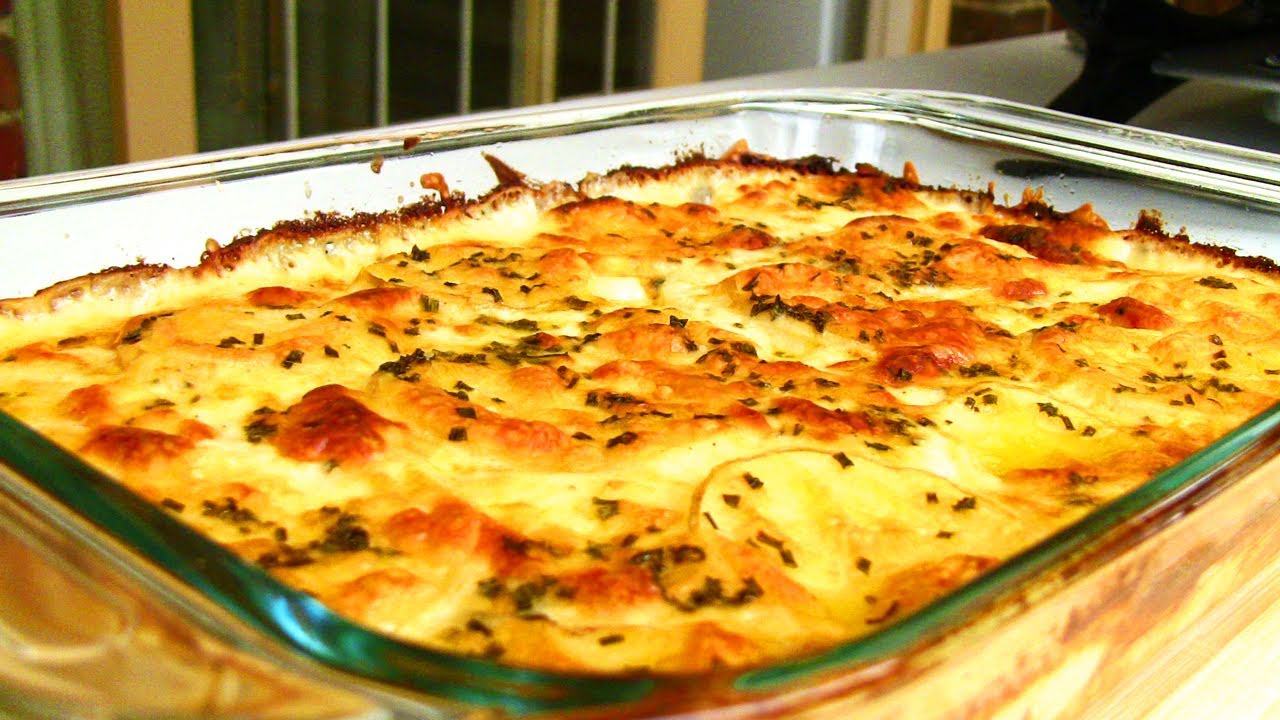
How to Get That Golden-Brown Top
Let’s talk about the magic moment: when your scalloped potatoes get that golden, slightly crispy top. That’s what gives the dish its wow factor, right?
To get that perfect finish, here’s what you do:
- Uncover the dish for the last 25–30 minutes of baking. This lets the heat crisp up the surface while the inside stays tender and creamy.
- Sprinkle a little extra cheese on top during the last 10–15 minutes if you want a bubbling cheesy crust.
- Place the dish under the broiler for 2–3 minutes right at the end—just keep a close eye on it! It can go from golden to burnt real quick.
The contrast between that golden crust and the creamy layers underneath? Chef’s kiss. That texture combo is what takes this from good to unforgettable.
Best Types of Potatoes to Use
Not all potatoes are created equal—especially when it comes to scalloped potatoes. The type you use can totally change the texture of your final dish.
Here are your best bets:
- Russet Potatoes: These are high in starch and break down just enough to become super tender and absorb the creamy sauce like a sponge. They’re your go-to for soft, melt-in-your-mouth scalloped potatoes.
- Yukon Gold Potatoes: Slightly waxier than russets, but still soft when baked. They hold their shape a bit better and have a naturally buttery flavor. A perfect balance of tender and structured.
- Avoid Red or New Potatoes: These are too waxy and hold their shape too much, which can lead to a firmer texture—not ideal for this dish.
Pro tip: Mix Russet and Yukon Gold for the best of both worlds—creamy and structured in one bite.
Make-Ahead and Storage Tips
Want to make your life easier on a busy day or holiday? Good news: scalloped potatoes are great for prepping ahead.
Make-Ahead Instructions:
- Assemble the full dish up to the point of baking.
- Cover it tightly with foil or plastic wrap.
- Store in the fridge for up to 24 hours before baking.
When ready to bake, let it sit at room temperature for about 30 minutes so it doesn’t go into the oven cold. Then bake as directed. You might need to add 5–10 extra minutes to the bake time.
Leftovers? No Problem.
- Store leftovers in an airtight container in the fridge for up to 4 days.
- Reheat individual servings in the microwave or reheat the whole dish in the oven at 350°F (175°C) for about 20 minutes.
Yes, it even freezes well! Just make sure to cool completely, wrap tightly, and freeze for up to 2 months. Thaw in the fridge overnight before reheating.
Common Mistakes to Avoid
Even with a simple dish like this, a few missteps can mess things up. Here’s what to avoid:
- Cutting potatoes too thick – They won’t cook evenly and could be undercooked in the center.
- Not thickening the sauce – A runny sauce will leave the dish soupy. Make sure your roux is thick and creamy before layering.
- Under-seasoning – Potatoes need salt! Season your sauce well and taste as you go.
- Not covering during the first part of baking – This can lead to dry potatoes. Steam is your friend in the beginning.
- Skipping the resting time – Let the dish sit for 10–15 minutes after baking to firm up. It helps with slicing and improves flavor.
Avoid these, and you’re on your way to scalloped potato perfection.
Serving Suggestions
Wondering what to serve with scalloped potatoes? They go with almost anything, but here are some top pairings:
Main Dishes:
- Roast beef or pot roast
- Baked ham (a holiday classic!)
- Grilled or roasted chicken
- Pork chops
- Meatloaf
Vegetarian Options:
- Green beans or roasted Brussels sprouts
- Garden salad with vinaigrette
- Stuffed bell peppers
- Mushroom gravy poured over the top
Scalloped potatoes are rich and creamy, so pairing them with a crisp, fresh veggie or a protein with some texture balances the whole plate beautifully.
Scalloped Potatoes Variations
Want to switch things up? Here are some easy, delicious variations to try:
With Cheese (Gratin Style)
Add 1–2 cups of shredded cheese like cheddar, Swiss, or Gruyère between each layer and on top. This makes it more like “au gratin,” but hey, no complaints here.
With Bacon
Cook and crumble 4–6 slices of bacon, then sprinkle them between the layers and over the top. Adds smoky depth and salty crunch.
Vegan Version
Use plant-based butter and a creamy non-dairy milk (like oat milk or coconut cream). Add nutritional yeast for cheesy flavor, and skip the cheese and cream. Still creamy, still delicious, and 100% dairy-free.
Nutritional Information (Per Serving)
Here’s a general estimate for 1 serving (based on 8 servings per batch):
| Nutrient | Amount |
|---|---|
| Calories | 280–320 kcal |
| Carbohydrates | 30–35g |
| Protein | 5–7g |
| Fat | 15–20g |
| Saturated Fat | 8–10g |
| Fiber | 2g |
| Sugar | 3g |
| Sodium | 400–500mg |
Note: Nutritional values will vary based on exact ingredients and optional add-ons.
FAQs about Scalloped Potatoes Recipe
1. Can I use sweet potatoes instead of regular potatoes?
Yes! Sweet potatoes work well and add a naturally sweet twist. Just know they’ll be a bit softer and sweeter.
2. How do I keep scalloped potatoes from curdling?
Avoid using high heat and don’t add cold cream to hot sauce. Make sure the sauce is thickened before adding to the dish.
3. Can I make this dish gluten-free?
Absolutely. Just swap the all-purpose flour for a gluten-free flour blend or cornstarch.
4. What cheese is best for scalloped potatoes?
Cheddar, Gruyère, Parmesan, and Swiss are all great choices. Choose one—or mix them up!
5. Can I make scalloped potatoes in a slow cooker?
Yes! Layer everything in your slow cooker and cook on low for 6–7 hours or high for 3–4 hours. Finish under a broiler if you want a crispy top.
Conclusion
Scalloped potatoes are more than just a side dish—they’re a warm, creamy hug on a plate. Whether you’re prepping for a holiday feast or just want to upgrade your weeknight dinner, this recipe delivers every time. With simple ingredients, a straightforward method, and endless ways to customize, you’ll be coming back to this dish again and again.
Plus, the leftovers? Even better the next day.
Now it’s your turn—grab those potatoes, fire up the oven, and get ready to impress everyone at the table!