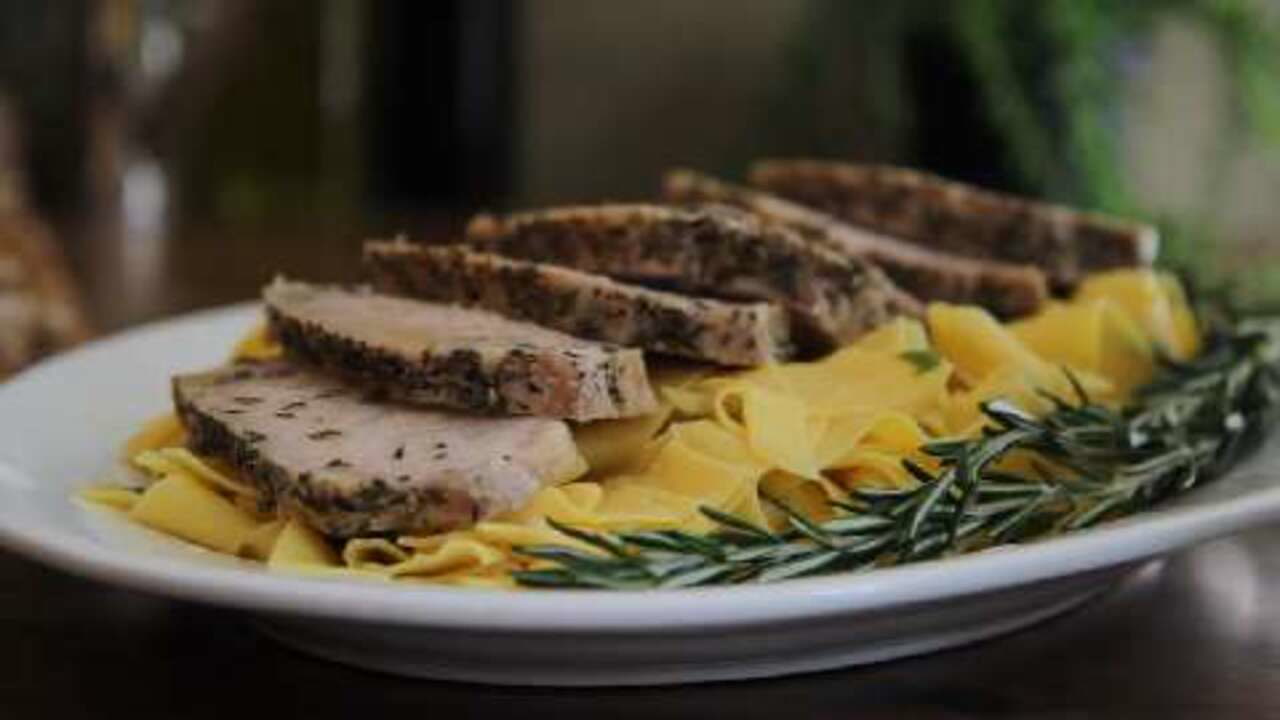
Savory Pork Roast Recipe: A savory pork roast is one of the most satisfying and comforting meals you can prepare at home. Whether you are cooking for a weekend family dinner, a holiday gathering, or simply want a hearty meal that fills the house with mouth-watering aromas, a properly seasoned and slow-roasted pork roast never disappoints.
In this comprehensive guide, you will learn everything you need to know about making a perfect savory pork roast from scratch — including ingredient selection, preparation techniques, cooking temperatures, seasoning blends, roasting tips, and serving suggestions.
By the end of this guide, you will be able to cook a tender, juicy, flavor-packed pork roast that rivals restaurant quality.
Why Savory Pork Roast Is a Classic Comfort Dish
Pork roast has been a centerpiece of traditional meals for centuries. Many cultures have their own variations — from American Sunday roasts to European herb-crusted pork and Asian soy-marinated roasts.
The reason pork roast remains so popular is simple:
- It is deeply flavorful
- It feeds many people easily
- It pairs well with countless side dishes
- It can be cooked using simple ingredients
- Leftovers are extremely versatile
When properly cooked, pork roast becomes tender, juicy, and rich with savory flavor, making it ideal for special occasions or everyday meals.
Choosing the Best Cut of Pork for Roasting
Before cooking, it is important to choose the right cut of pork. The cut determines how tender and flavorful your roast will be.
1. Pork Shoulder (Boston Butt)
This cut contains more fat and connective tissue, which makes it perfect for slow roasting. The fat melts during cooking, creating a juicy and tender roast.
2. Pork Loin
Pork loin is leaner and cooks faster. It produces a clean, mild flavor and works well with herb rubs.
3. Pork Rib Roast
This is a more premium cut with incredible flavor. It is often used for holiday roasts and special occasions.
4. Pork Tenderloin
Tenderloin is the most tender cut but smaller in size. It cooks quickly and requires careful timing to avoid drying out.
For this recipe, pork loin or pork shoulder works best.
Ingredients You’ll Need
A great pork roast does not require complicated ingredients. The focus is on simple seasonings that enhance the natural flavor of the pork.
Main Ingredients
- 3–5 pounds pork roast (pork loin or shoulder)
- 3 tablespoons olive oil
- 5 cloves garlic (minced)
- 2 tablespoons fresh rosemary (chopped)
- 2 tablespoons fresh thyme
- 1 tablespoon paprika
- 1 tablespoon kosher salt
- 1 teaspoon black pepper
- 1 teaspoon onion powder
- 1 teaspoon garlic powder
- 1 teaspoon dried oregano
- 1 tablespoon Dijon mustard
Vegetables for Roasting (Optional but Recommended)
- 4 carrots (cut into chunks)
- 4 potatoes (quartered)
- 1 large onion (cut into wedges)
- 2 celery stalks (chopped)
For the Flavorful Pan Sauce
- 1 cup chicken broth
- ½ cup white wine (optional)
- 1 tablespoon butter
- 1 tablespoon flour or cornstarch
These ingredients combine to create a rich, savory flavor profile that enhances the pork beautifully.
Essential Kitchen Tools
Before you begin cooking, gather the following tools:
- Roasting pan
- Meat thermometer
- Sharp knife
- Cutting board
- Mixing bowl
- Aluminum foil
- Basting spoon or brush
Using a meat thermometer is especially important because it helps ensure the pork reaches the perfect internal temperature without overcooking.
Step-by-Step Guide to Making Savory Pork Roast
Step 1 – Gather Your Ingredients
Start by preparing the ingredients you will need. These usually include a pork roast, olive oil, garlic, salt, black pepper, paprika, rosemary or thyme, onions, and broth or water.
Step 2 – Preheat the Oven
Preheat your oven to 375°F (190°C). This temperature helps cook the pork evenly while developing a flavorful crust.
Step 3 – Prepare the Pork Roast
Pat the pork roast dry with paper towels. Drying the meat helps the seasoning stick better and promotes a nice browned surface.
Step 4 – Season the Meat
Rub the pork roast with olive oil, then season generously with salt, black pepper, paprika, minced garlic, and herbs such as rosemary or thyme. Make sure the seasoning covers the entire roast.
Step 5 – Prepare the Roasting Pan
Place sliced onions at the bottom of a roasting pan and set the seasoned pork roast on top. Add ½ to 1 cup of broth or water to keep the meat moist during cooking.
Step 6 – Roast the Pork
Place the pan in the oven and roast for about 60–90 minutes, depending on the size of the roast. The internal temperature should reach 145°F (63°C) for safe cooking.
Step 7 – Rest the Meat
Remove the pork roast from the oven and let it rest for about 10–15 minutes before slicing. This allows the juices to redistribute throughout the meat.
Step 8 – Slice and Serve
Slice the pork roast into thick pieces and serve it with the roasted onions and pan juices. It pairs well with vegetables, potatoes, or rice for a hearty meal.
Tips for the Perfect Pork Roast
1. Always Use a Meat Thermometer
Guessing the cooking time can lead to overcooking. A thermometer ensures perfect doneness.
2. Do Not Skip Resting Time
Resting keeps the roast juicy.
3. Season Generously
Pork benefits from bold seasoning.
4. Cook on a Vegetable Bed
Vegetables absorb the flavorful juices and enhance the dish.
5. Let the Roast Reach Room Temperature
This promotes even cooking.
Delicious Side Dishes for Pork Roast
Savory pork roast pairs well with many sides.
Popular options include:
- Garlic mashed potatoes
- Roasted Brussels sprouts
- Honey glazed carrots
- Creamy coleslaw
- Buttered green beans
- Cornbread
- Apple sauce
- Herb rice
The sweetness of apples or carrots complements the savory richness of pork beautifully.
How to Store Leftover Pork Roast
Leftover pork roast stores very well.
Refrigerator
Store in an airtight container for 3–4 days.
Freezer
Wrap tightly and freeze for 2–3 months.
Creative Ways to Use Leftover Pork Roast
Leftover pork can be transformed into new dishes:
- Pork sandwiches
- Pork tacos
- Pork fried rice
- Pork pasta
- Pork salads
- BBQ pulled pork
This makes pork roast an economical and versatile meal option.
Common Pork Roast Mistakes to Avoid
Overcooking the Pork
This is the most common mistake. Always monitor internal temperature.
Skipping the Seasoning
Pork requires strong seasoning to bring out its best flavor.
Not Allowing Resting Time
Cutting too early causes juices to escape.
Cooking Straight from the Fridge
Cold meat cooks unevenly.
Health Benefits of Pork
Pork provides several important nutrients:
- High-quality protein
- B vitamins (especially B12)
- Zinc
- Iron
- Selenium
When eaten in moderation and paired with vegetables, pork can be part of a balanced diet.
FAQs about Savory Pork Roast Recipe
1. What cut of pork is best for a savory pork roast?
Popular cuts include pork loin, pork shoulder (Boston butt), and pork tenderloin. Pork shoulder is richer and more tender for slow roasting, while pork loin is leaner and cooks faster.
2. What temperature should pork roast be cooked to?
Pork roast should reach an internal temperature of 145°F (63°C) according to food safety guidelines. After cooking, let the meat rest for about 10–15 minutes before slicing.
3. How do I keep pork roast from drying out?
To keep the roast moist, cook it with broth, onions, or vegetables in the roasting pan, and avoid overcooking. Covering the roast loosely with foil during part of the cooking time can also help retain moisture.
4. Can I cook pork roast in a slow cooker?
Yes, pork roast works well in a slow cooker. Cook it on low for 6–8 hours or on high for 3–4 hours until the meat becomes tender.
5. How long should I roast pork in the oven?
A general rule is about 20–25 minutes per pound at 375°F (190°C), but the exact time may vary depending on the cut and thickness of the roast.
6. How should leftover pork roast be stored?
Store leftovers in an airtight container in the refrigerator for up to 3–4 days. You can also freeze cooked pork roast for up to 2 months.
7. What side dishes go well with savory pork roast?
Savory pork roast pairs well with roasted vegetables, mashed potatoes, rice, green beans, or fresh salads for a balanced meal.
Final Thoughts
Savory pork roast is a timeless recipe that delivers rich flavor, comforting aromas, and satisfying textures. With the right seasoning, proper cooking temperature, and a little patience, you can create a roast that is tender, juicy, and bursting with savory goodness.
Whether served for a holiday feast, a family dinner, or a special weekend meal, this recipe guarantees a restaurant-quality pork roast right in your own kitchen.
Once you master this method, you will discover that making a perfect pork roast is simple, rewarding, and incredibly delicious.