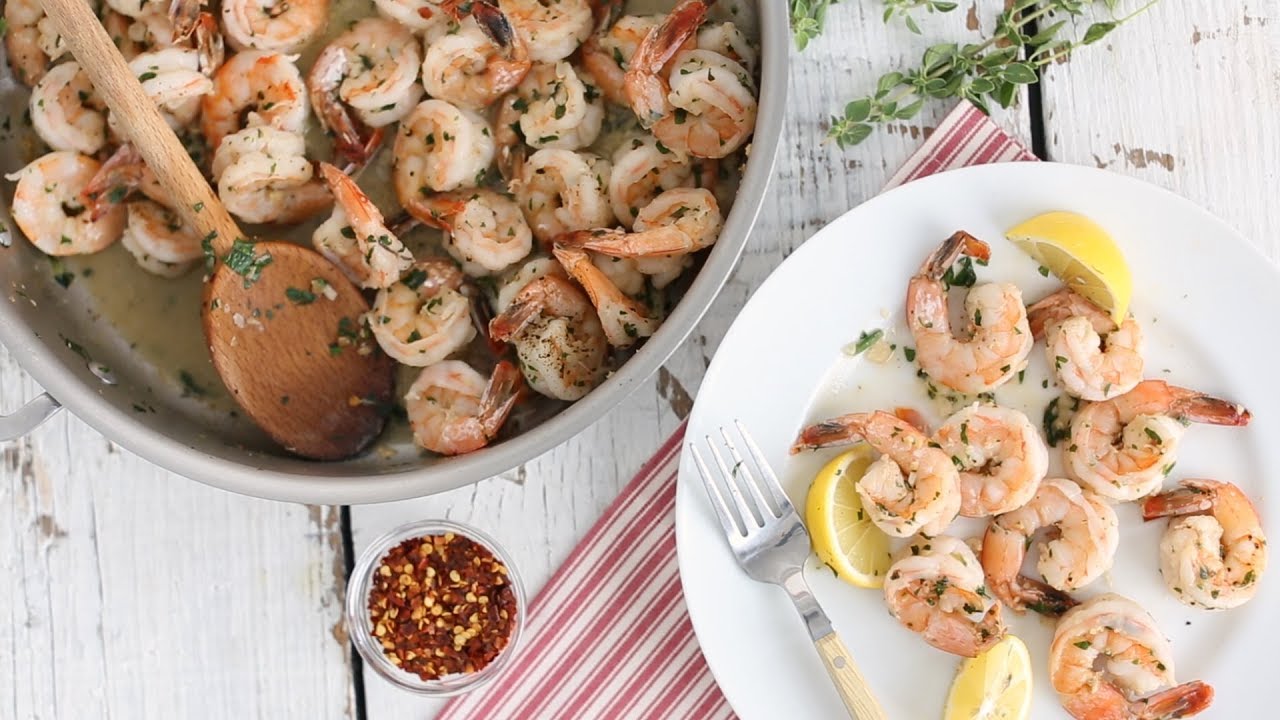
Sautéed Shrimp Recipe: Let’s face it—sometimes we just want a meal that’s fast, healthy, and absolutely delicious. Enter sautéed shrimp: a powerhouse protein that cooks in mere minutes yet packs a flavor punch that can rival any fancy seafood dish. Whether you’re short on time or just craving something light but satisfying, this recipe is your go-to.
Shrimp is not only a low-calorie protein, but it’s also incredibly versatile. Sautéing locks in its natural juiciness while giving it a delightful caramelized crust that’s hard to resist. Think buttery, garlicky, slightly spicy bites of heaven that go perfectly with rice, pasta, salads, or even tacos.
What Makes This Recipe Special
What sets this sautéed shrimp recipe apart is its simplicity. You don’t need fancy ingredients or hours of prep. It’s a one-pan wonder that balances speed, flavor, and nutrition. Plus, the technique is foolproof. Even if you’re a beginner in the kitchen, this guide will walk you through every step with ease.
Want to impress guests or treat yourself to a gourmet meal at home? This recipe is your secret weapon.
Ingredients You’ll Need
Shrimp Selection: Fresh vs Frozen
Before diving into the recipe, let’s talk shrimp. You can use either fresh or frozen, but here’s what to keep in mind:
- Fresh Shrimp: Ideal for flavor and texture. If you’re buying fresh, go for ones that are firm, moist, and have a mild sea-like scent.
- Frozen Shrimp: Convenient and just as tasty if thawed properly. Look for deveined and peeled options to save time.
Best size? Medium to large shrimp (21-30 count per pound) are perfect for sautéing—meaty enough to hold flavor but not too big to overpower.
Pantry Staples and Optional Add-ons
Here’s your core ingredient list:
- 1 lb of shrimp (peeled and deveined)
- 2 tbsp olive oil or butter (or a mix of both)
- 3-4 garlic cloves (minced)
- 1 tsp paprika (smoked or sweet)
- 1/2 tsp crushed red pepper flakes (optional for heat)
- Salt and pepper to taste
- Fresh lemon juice (from 1/2 lemon)
- Fresh parsley (chopped for garnish)
Optional Add-ons:
- A splash of white wine or broth for a richer sauce
- A sprinkle of parmesan cheese
- Zest of lemon for extra citrus punch
Kitchen Tools Required
Must-Have Utensils and Cookware
You don’t need a full kitchen arsenal to make this dish shine. Here’s what you’ll need:
- Large non-stick or cast-iron skillet
- Mixing bowl (for marinating)
- Tongs or a spatula
- Measuring spoons
- Garlic press (optional but handy)
Using a non-stick pan helps ensure the shrimp cook evenly and don’t stick. A cast-iron skillet, though, gives them a beautiful sear and deep flavor.
Helpful Prep Tools
- Cutting board and knife
- Paper towels (for drying the shrimp)
- Citrus juicer (for fresh lemon juice)
- Microplane or grater (for zest)
The better prepped your station, the smoother the cooking process will be. Plus, shrimp cook super fast—so have everything ready before the pan hits the heat.
Preparing the Shrimp
How to Clean and Devein Shrimp
If your shrimp aren’t pre-cleaned, no worries—cleaning them is easier than it sounds:
- Peeling: Hold the shrimp by the tail and gently remove the shell. You can keep the tail on for presentation or remove it completely.
- Deveining: Use a paring knife to make a shallow slit along the back and pull out the vein with the tip of your knife or a toothpick. Rinse under cold water.
Pro tip: Pat the shrimp dry with paper towels. Moisture will steam them instead of sautéing—dry shrimp sear better and taste richer.
Marinating for Flavor
While not required, a short marinade can boost flavor. Toss the shrimp in olive oil, garlic, paprika, lemon juice, salt, and pepper. Let them sit for 10-15 minutes while you prep your skillet.
Don’t over-marinate—acidic ingredients like lemon can start to cook the shrimp if left too long.
Step-by-Step Cooking Instructions
Step 1: Preheat and Prep Your Pan
Heat your skillet over medium-high heat and add olive oil or butter. You want the oil hot but not smoking. When you drop a bit of garlic in and it sizzles, it’s ready.
Add minced garlic and sauté for about 30 seconds until fragrant. Keep it moving so it doesn’t burn.
Step 2: Sauté the Shrimp to Perfection
Add the shrimp in a single layer. Cook for 2-3 minutes per side, flipping once when they turn pink and curl into a “C” shape. Avoid overcrowding the pan; work in batches if needed.
They’re done when they’re opaque and slightly golden. Overcooked shrimp are rubbery, so keep a close eye!
Step 3: Finishing Touches and Garnishing
Once cooked, squeeze fresh lemon juice over the shrimp, toss in chopped parsley, and give it one final stir. Taste and adjust seasoning if needed.
You can also deglaze the pan with a splash of white wine or broth for a quick sauce. Just simmer for 30 seconds, then coat the shrimp.
Serving Suggestions and Pairings
Best Ways to Serve Sautéed Shrimp
Now that your shrimp are sizzling and delicious, let’s talk about how to enjoy them. The beauty of sautéed shrimp lies in their flexibility—they pair well with so many dishes that you can get creative with your plating.
Here are some tasty ways to serve sautéed shrimp:
- Over Rice: Jasmine, basmati, or even a flavorful pilaf—shrimp on rice is always a win.
- With Pasta: Toss them with garlic butter pasta, linguine, or creamy alfredo for a restaurant-style meal.
- Taco Time: Wrap them in warm tortillas with slaw and a squeeze of lime.
- Healthy Bowls: Combine with quinoa, avocado, and roasted veggies.
- On Salads: Add a protein punch to a Caesar or garden salad.
It also works perfectly as a topping for risotto or even creamy polenta. Want to keep it low-carb? Pair it with spiralized zucchini or cauliflower rice.
Side Dishes That Complement
A great meal is all about balance. Here are a few side dishes that complement the bold, garlicky flavor of sautéed shrimp:
- Grilled or roasted vegetables (like asparagus, bell peppers, or Brussels sprouts)
- A light garden salad with vinaigrette
- Buttery mashed potatoes or garlic roasted potatoes
- Crusty bread to mop up any extra sauce
- Corn on the cob with a sprinkle of chili lime seasoning
The combo of shrimp’s brininess with fresh, bright sides will keep your palate happy.
Tips for Perfect Sautéed Shrimp Every Time
Avoiding Overcooking
Shrimp cook extremely fast. Overcooking them is the number one mistake people make. Here’s how to nail the perfect texture:
- Cook for 2-3 minutes per side, MAX.
- Look for the shrimp to turn opaque and curl into a “C” shape.
- “O” shape = overcooked. “C” shape = cooked just right.
Don’t Skip Drying
Dry shrimp give you that beautiful sear. Use a paper towel to pat them dry before seasoning and cooking. This little step makes a huge difference.
Season Smart
Shrimp are naturally briny, so you don’t need loads of salt. Use acid (like lemon) and spices (paprika, chili flakes) to build flavor without overwhelming their natural taste.
Flavor Variations and Twists
Spicy Cajun Shrimp
Want to turn up the heat? Toss your shrimp in Cajun seasoning before sautéing. Add a bit of butter and a splash of cream for a spicy, smoky Southern twist.
Garlic Lemon Herb Shrimp
Stick to basics: garlic, lemon juice, and mixed herbs like thyme or oregano. This version is bright, fragrant, and feels fancy without the fuss.
Asian-Inspired Shrimp
Swap olive oil for sesame oil, add minced ginger and a splash of soy sauce. Finish with chopped scallions and sesame seeds for a stir-fry-style flavor bomb.
Storage and Reheating Tips
How to Store Leftovers
If you’ve got leftovers (lucky you!), here’s how to keep them tasty:
- Refrigerator: Store in an airtight container for up to 3 days.
- Freezer: Freeze cooked shrimp in a sealed bag for up to 2 months. Just know texture may change slightly.
Reheating Without Drying Out
The key to reheating shrimp is low and slow:
- Stovetop: Sauté briefly over low heat with a splash of water or broth.
- Microwave: Use a microwave-safe dish, cover loosely, and heat in 30-second intervals.
Avoid overcooking again while reheating—shrimp only need to be warmed, not recooked.
FAQs about Sautéed Shrimp Recipe
1. Can I use pre-cooked shrimp for this recipe?
Yes, but reduce the cooking time. Just heat them in the flavored oil for 1-2 minutes until warmed through.
2. What oil is best for sautéing shrimp?
Olive oil is great for flavor, but any high-heat oil like avocado or grapeseed also works well.
3. How do I know when shrimp are fully cooked?
They’ll turn pink, opaque, and curl into a “C” shape. Don’t let them go beyond that or they’ll become rubbery.
4. Can I make this recipe ahead of time?
You can marinate ahead of time, but for best texture, cook shrimp just before serving.
5. What’s the best way to thaw frozen shrimp?
Place them in a colander under cold running water for about 5-7 minutes or thaw overnight in the fridge.
Conclusion
Sautéed shrimp is one of those recipes that proves gourmet doesn’t have to be complicated. With just a few ingredients and minimal cooking time, you can create a mouthwatering meal that feels fancy but is totally doable on a weeknight.
Whether you’re cooking for guests or just treating yourself, this shrimp recipe is a keeper. It’s fast, flavorful, and flexible—perfect for any occasion. Once you master the basic technique, you’ll find endless ways to customize it to your taste.
So grab your skillet and give it a try. You’ll be hooked on how easy it is to make something this delicious in just minutes.