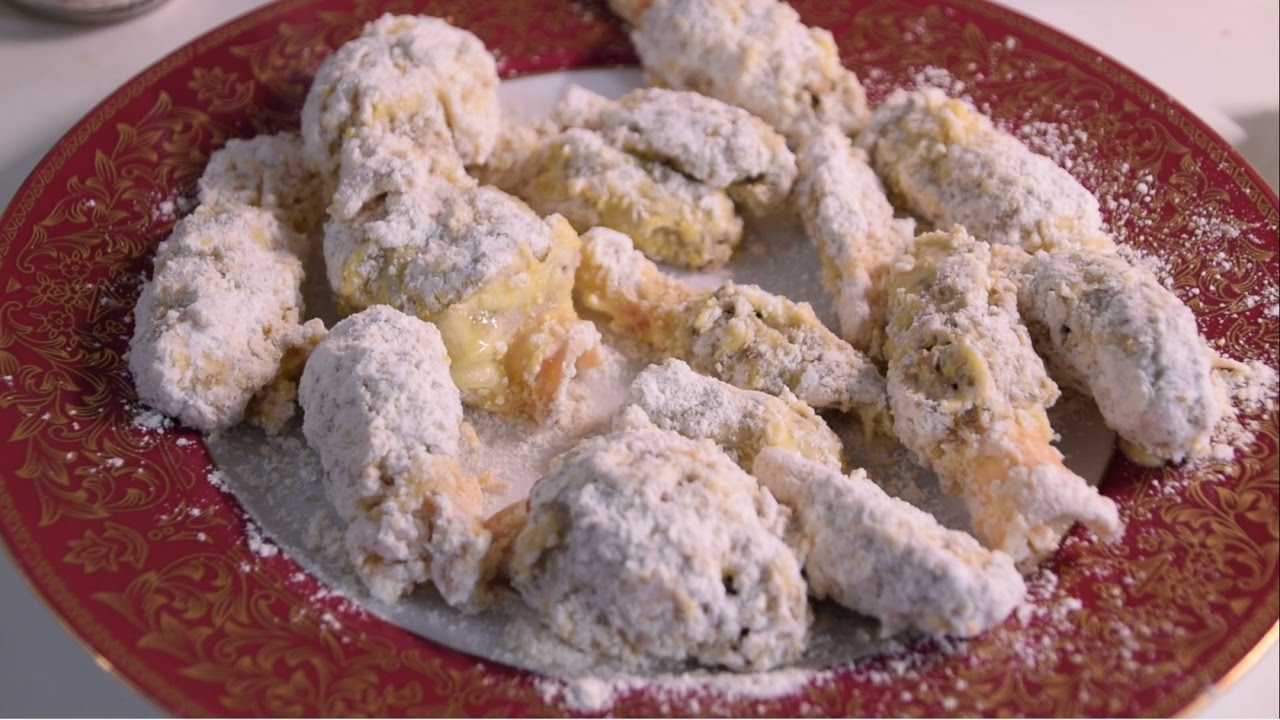
Sautéed Morel Mushrooms Recipe: Morel mushrooms are the gold nuggets of the wild fungi world. Their sponge-like, honeycomb caps not only look unique but also pack an earthy, nutty flavor that chefs dream about. Sautéing them brings out their rich, deep umami and enhances their naturally buttery essence.
Why are these funky-looking mushrooms so loved? Simple. Morels are rare. They’re seasonal, hard to farm commercially, and mostly foraged from wild forests in early spring. When cooked right, they’re soft, savory, and satisfying—every bite is a luxury.
Sautéing is hands-down one of the best ways to cook morels. It’s simple, quick, and lets the flavor shine without overwhelming it. Whether you’re a curious beginner or a foraging foodie, this guide will walk you through the whole process from cleaning to cooking. Let’s dive in!
List of Ingredients You’ll Need
Before you heat up the pan, make sure your kitchen is stocked with these simple yet essential ingredients. Quality is everything when it comes to mushrooms, and with morels, you want to enhance—not hide—their flavor.
Fresh Ingredients:
- Morel mushrooms (1 pound) – fresh and cleaned
- Butter (2–3 tablespoons) – unsalted is best
- Olive oil (1 tablespoon) – adds richness and prevents butter from burning
- Garlic (2 cloves, minced) – for an aromatic touch
- Shallots (1 small, finely chopped) – optional, but adds a sweet note
- Salt and pepper (to taste) – sea salt and freshly ground pepper recommended
- Fresh thyme or parsley (1–2 teaspoons) – herbs for garnish and flavor
Optional Flavor Enhancers:
- White wine (a splash) – adds acidity and complexity
- Heavy cream (2 tablespoons) – for a richer, creamy finish
- Parmesan cheese (grated, for topping) – if you’re feeling indulgent
- Lemon zest – brightens up the dish
You don’t need to go overboard—less is more when working with morels. Their delicate taste needs room to breathe.
Kitchen Tools Required
To keep the cooking process smooth, gather the following tools before you begin. A good setup makes a world of difference.
Basic Cooking Tools:
- Cast iron or stainless steel skillet
- Slotted spoon or spatula
- Mixing bowl (for soaking and draining)
- Small knife and cutting board
- Clean towel or paper towels (for drying)
Optional Add-ons for Enhanced Cooking:
- Mushroom brush or soft pastry brush
- Garlic press (if you don’t want to mince)
- Microplane (for lemon zest or parmesan)
Having a wide, heavy-bottomed skillet really helps get that beautiful golden edge on the morels without burning them. Don’t skip the prep—clean tools, clean mushrooms, clean flavors!
How to Select and Clean Morel Mushrooms
Morels grow wild, often in damp forests or under decaying trees. Because of this, they’re notorious for trapping grit and bugs in their hollow stems and pitted caps. Selecting and cleaning them properly is a crucial step.
Identifying Fresh Morels:
- Should be firm, not soggy or slimy
- Cap color ranges from tan to dark brown
- No strong, unpleasant odor (they should smell earthy, not rotten)
- Avoid mushrooms with holes, rot, or insect infestations
Proper Cleaning Techniques:
- Cut them lengthwise to expose the inside for cleaning.
- Inspect for bugs and rinse under cold water gently (don’t soak yet).
- Soak in a saltwater bath for 15–20 minutes. Use about 1 tablespoon of salt per quart of water.
- Swirl them gently in the bowl and then lift out (don’t pour out to avoid reintroducing grit).
- Dry thoroughly on a towel before cooking.
Never skip the cleaning step. A gritty bite can ruin your entire sautéed masterpiece.
Why You Should Never Eat Raw Morels
Morels might look delicate, but eating them raw is a big no-no. They contain hydrazine toxins, which can lead to nausea, cramping, and other unpleasant symptoms if not cooked properly. Unlike button mushrooms that are sometimes eaten raw in salads, morels absolutely must be thoroughly cooked to make them safe to eat.
Cooking not only makes morels safe but also brings out their rich, meaty flavor and softens their chewy texture. Sautéing, especially in butter or oil, breaks down the toxins effectively and transforms them into a dish that’s both delicious and safe. If you’re ever unsure whether your morels are done, err on the side of cooking them a bit longer. They’re very forgiving when sautéed.
It’s also worth mentioning: never eat wild mushrooms unless you’re 100% certain they are morels and not a toxic look-alike like the false morel (Gyromitra). When in doubt, consult an expert or stick to buying from trusted suppliers.
The Importance of Soaking Morels
Soaking isn’t just about cleaning—it’s about preparation. Morels are hollow and riddled with tiny ridges and holes where grit, dirt, and even insects can hide. If you skip the soak, you’re likely to bite into something unpleasant.
Cold Water vs. Salt Water Soak:
- Cold water soak helps loosen debris.
- Saltwater soak draws out tiny bugs hiding inside.
For best results:
- Fill a large bowl with cold water.
- Add about 1 tablespoon of salt per quart.
- Soak your halved morels for 15–20 minutes, occasionally swirling gently.
- Do not soak too long—they’ll absorb too much water and become mushy.
- Lift them out with your hands or a slotted spoon to avoid pouring grit back over them.
After soaking, pat dry thoroughly. Wet mushrooms won’t sauté well—they’ll steam instead, and you’ll miss out on that beautiful browning.
Step-by-Step Guide to Sautéing Morel Mushrooms
Now for the fun part—cooking! Here’s a detailed breakdown so you can get the most out of your morels. Take your time, and don’t rush the process.
Step 1: Prep the Morels
Once cleaned and dried, slice large morels in half or quarters, depending on size. Uniform sizes help with even cooking. Small morels can be left whole. Don’t season yet—wait until they’re in the pan.
Step 2: Heat the Pan Correctly
Use a cast iron or stainless steel skillet. Heat it over medium to medium-high heat for a minute or two until hot. You want a good sizzle but not a smoking pan.
Step 3: Add Butter and Oil
Add 2 tablespoons of butter and 1 tablespoon of olive oil. The oil raises the smoke point of the butter, preventing it from burning. Swirl to coat the pan evenly.
Step 4: Sauté Morels Perfectly
Carefully place the mushrooms in a single layer. Don’t overcrowd! Cook in batches if needed.
- Let them cook undisturbed for 2–3 minutes.
- Stir gently and cook for another 5–7 minutes.
- When they start to brown and shrink slightly, you’re on the right track.
They’ll soak up the fat first, then release it again as they cook. That’s your cue to stir and keep an eye on texture.
Step 5: Seasoning at the Right Time
Add salt and pepper toward the end of cooking—too early, and they’ll release too much moisture.
Toss in:
- Minced garlic (don’t let it burn)
- Chopped shallots
- Optional: A splash of white wine to deglaze the pan and add depth
Cook until the liquid (if any) has evaporated and morels are golden brown with crispy edges.
Common Mistakes to Avoid While Sautéing
Even the most flavorful mushrooms can fall flat if you make simple mistakes. Here’s what to watch out for:
1. Overcrowding the Pan
Morels need space. If they’re stacked on top of each other, they’ll steam instead of brown. Sauté in batches if you need to—it’s worth the extra time.
2. Starting With a Cold Pan
Cold pan + mushrooms = soggy disaster. Always preheat your pan and fat before adding the morels.
3. Adding Garlic Too Soon
Garlic burns fast. Add it in the last minute or two of cooking, once the morels are nearly done.
4. Using Too Much Heat
High heat can dry out and scorch your mushrooms. Medium to medium-high is your sweet spot.
5. Skipping the Drying Step
Wet mushrooms steam. Always pat them dry with paper towels or a clean kitchen cloth before cooking.
Flavor Pairings and Variations
Morels are like culinary sponges—they soak up flavor like nothing else, while still holding onto their unique, earthy identity. Once you master the basic sauté, you can elevate the dish with a few simple add-ins that complement their richness.
Savory Enhancers You’ll Love:
- Garlic and shallots: A classic aromatic duo. Mince finely and add during the last 2 minutes of sautéing.
- Fresh herbs: Thyme, tarragon, chives, or parsley all pair beautifully with morels.
- Lemon zest or juice: Adds a bright, acidic kick that cuts through the richness.
- White wine: A splash of dry wine like Sauvignon Blanc or Chardonnay enhances depth. Let it simmer off for 1–2 minutes.
- Heavy cream: Stir in a tablespoon or two at the end for a luscious, velvety finish.
- Parmesan or Gruyère: A sprinkle of finely grated cheese melts into the mushrooms for a nutty, umami layer.
Creative Variations to Try:
- Creamy morel sauce: After sautéing, add cream, a splash of wine, and reduce for a silky sauce—perfect over chicken or steak.
- Truffle oil drizzle: A drop or two before serving adds an extra punch of luxury.
- Mushroom medley: Mix in other wild mushrooms like chanterelles or oyster mushrooms for variety in texture and flavor.
Let your palate guide you. The best pairings are often the simplest, so don’t feel the need to overcomplicate.
Serving Suggestions
So you’ve cooked your morels to perfection—now what? There are endless ways to serve them, whether you’re going for rustic or refined.
As a Side Dish:
- Serve over toasted sourdough or baguette as a fancy appetizer.
- Spoon onto creamy mashed potatoes or polenta.
- Pair with a perfectly grilled steak or roast chicken.
- Mix with pasta, risotto, or even scrambled eggs for a gourmet twist.
As a Main Dish:
- Sautéed morels on creamy risotto—a showstopper meal.
- Add to fresh pasta with parmesan and herbs for a hearty vegetarian option.
- Make a morel mushroom galette or tart with cheese and puff pastry.
Garnishing Ideas:
- Sprinkle with chopped herbs
- Drizzle with truffle oil
- Top with microgreens or edible flowers for presentation
No matter how you serve them, keep it simple. Let the morels do the talking—they’ve got plenty to say.
How to Store Leftover Sautéed Morels
If you’ve cooked more morels than you can eat in one sitting (lucky you!), you’ll want to store them right so you don’t waste a single morsel.
Refrigeration Tips:
- Let the morels cool to room temperature first.
- Store in an airtight container lined with paper towels to absorb moisture.
- Refrigerate for up to 3–4 days.
Avoid sealing them in while still hot or damp—they’ll get soggy fast.
Can You Freeze Sautéed Morels?
Yes—but with some care. Freezing can slightly change the texture, but it’s still a good option.
- Spread cooled mushrooms on a baking sheet and freeze individually first (flash freeze).
- Transfer to a freezer-safe container or zip-top bag with air removed.
- Freeze for up to 3 months.
- Reheat straight from frozen or thaw overnight in the fridge.
Tip: Don’t freeze raw morels—they must be cooked first to hold up well in the freezer.
How to Reheat Without Losing Flavor
Sautéed morels are delicate, and reheating them carelessly can strip away their flavor and turn them rubbery. Here’s how to do it right:
Best Method: Stove Reheating
- Heat a small amount of butter or oil in a skillet over medium-low heat.
- Add the morels and reheat slowly, stirring occasionally.
- Optional: Add a splash of broth or cream to revive moisture.
Microwave Reheating (Not Ideal, But Works):
- Place morels in a microwave-safe dish.
- Cover with a damp paper towel.
- Heat in 15–20 second bursts, stirring between intervals.
Avoid overheating or cooking at full power. Slow and gentle is the key.
Tips for Cooking with Dried Morels Instead of Fresh
Can’t find fresh morels? Don’t worry—dried morels are a worthy alternative and offer concentrated flavor. You just need to rehydrate them properly.
How to Rehydrate:
- Place dried morels in a bowl.
- Pour warm water or broth over them, just enough to cover.
- Let soak for 20–30 minutes, stirring occasionally.
- Lift them out (don’t pour them out—grit settles at the bottom).
- Pat dry thoroughly before cooking.
Bonus Tip: Save the soaking liquid! Strain it through a coffee filter and use it to boost sauces, soups, or risottos.
Fresh vs. Dried Flavor:
- Fresh morels are milder and more delicate.
- Dried morels are deeper and more intense in flavor.
- Use less seasoning with dried morels to let their boldness shine through.
Nutritional Value of Morel Mushrooms
Morel mushrooms aren’t just delicious—they’re surprisingly nutritious, too. These wild fungi are packed with vitamins, minerals, and antioxidants, making them a smart addition to your diet. Whether you’re a health nut or just curious, here’s why morels are worth the hype.
Key Nutrients in Morels:
- Vitamin D – Helps with calcium absorption and bone health. Morels naturally contain Vitamin D2, which increases when exposed to sunlight.
- Iron – Important for blood health and energy. A single cup of morels can provide a solid dose.
- Copper and Manganese – Essential trace minerals that support metabolism and immune function.
- B Vitamins – Especially B6, riboflavin, and niacin, which help convert food into energy and support brain function.
- Dietary Fiber – Morels contain insoluble fiber that supports digestive health.
Low in Calories and Fat:
- Calories per cup (raw): ~20
- Fat: Less than 1 gram
- Protein: About 3 grams
- Carbohydrates: 3–4 grams
Morels are naturally gluten-free, cholesterol-free, and low in sodium. They’re a fantastic option if you’re watching your weight or just aiming to eat more whole, nutrient-dense foods.
Are Morels Good for Weight Loss?
Absolutely. They’re low in calories but high in flavor and nutrients. Morels can help you feel full without weighing you down, making them a great option for light, satisfying meals.
That said, moderation matters—especially if you’re sautéing them in butter or cream. Balance is key!
FAQs about Sautéed Morel Mushrooms Recipe
1. Can you use oil instead of butter?
Yes, you can use oil—preferably olive oil or avocado oil. However, butter adds a richness and depth of flavor that pairs beautifully with morels. For the best of both worlds, use a mix of butter and oil.
2. How do I know when the morels are done?
They’ll look browned, slightly crispy around the edges, and will have shrunk in size. You’ll also notice their aroma deepen into a warm, nutty scent. Typically, they’re done in 7–10 minutes of sautéing.
3. Can I sauté other mushrooms the same way?
Definitely. This method works well with chanterelles, oyster mushrooms, cremini, and even shiitake. Just remember to adjust cook times and moisture content accordingly.
4. What wine pairs best with sautéed morels?
Dry white wines like Chardonnay, Sauvignon Blanc, or Pinot Grigio complement their earthy flavor. For red wine lovers, a light Pinot Noir also works wonderfully.
5. Are morels safe to forage yourself?
Yes—but only if you 100% know what you’re doing. Morels have toxic look-alikes. If you’re new to foraging, go with an experienced guide or buy from a trusted supplier.
Conclusion
Sautéed morel mushrooms are more than just a dish—they’re an experience. Whether you’re foraging them yourself or grabbing them from a specialty store, every bite feels like a reward. Their earthy, nutty flavor is unlike any other mushroom, and when cooked the right way—with care, patience, and just the right touch of butter and garlic—they become the star of any meal.
From selecting and cleaning to sautéing and pairing, each step matters. Don’t skip the soak. Don’t crowd the pan. Use real butter. Finish with herbs. These little rules add up to something unforgettable.
If you’ve never tried morels before, now’s your chance. Follow this guide step-by-step and treat yourself (or your guests) to something genuinely special. Once you taste them, you’ll be hooked.