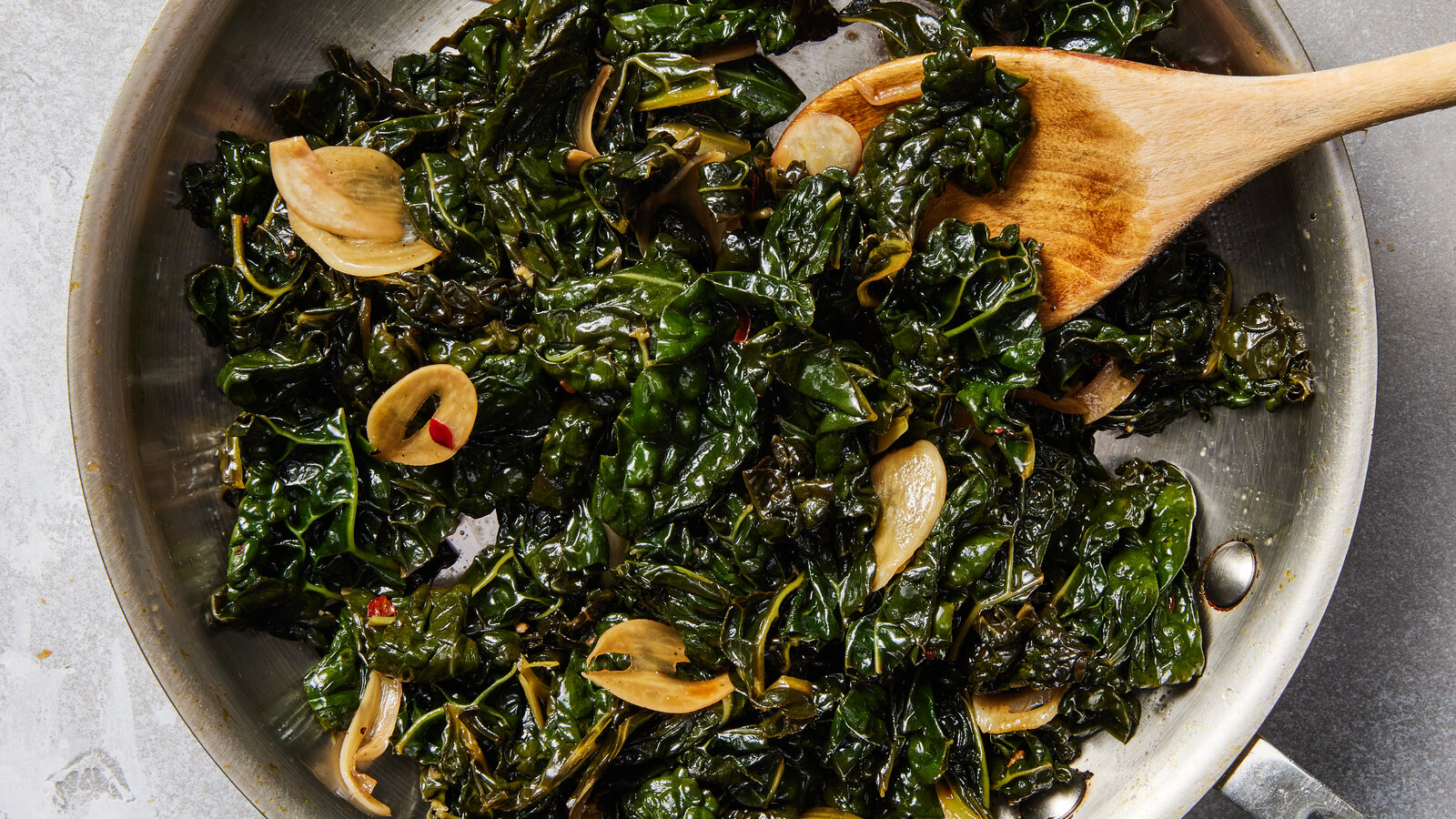
Sauteed Kale Recipe: Kale has earned its crown as one of the most nutrient-dense vegetables you can add to your meals. Known as a leafy green powerhouse, kale is rich in vitamins A, C, K, calcium, and antioxidants that support your body in countless ways. But here’s the thing: raw kale isn’t always everyone’s favorite. Its slightly bitter taste and tough texture can be a turnoff. That’s where sautéing comes in—transforming kale into a tender, flavorful, and delicious side dish that pairs beautifully with just about anything.
Sautéed kale is quick, easy, and budget-friendly. With just a few pantry staples like olive oil, garlic, salt, and pepper, you can whip up a dish in less than 15 minutes. Think of it as your go-to side dish when you want something healthy yet flavorful. The beauty of this recipe lies in its simplicity—you don’t need fancy techniques or a long list of ingredients to create magic in a skillet.
Another perk? Kale cooks down significantly, which means you can eat a large portion without feeling stuffed, yet still pack in loads of nutrients. Whether you’re serving it with grilled chicken, tossing it with pasta, or enjoying it as part of a grain bowl, sautéed kale never disappoints.
In this guide, we’ll walk you through everything you need—from the essential ingredients to step-by-step cooking instructions, plus tips to elevate the dish with extra flavors. Ready to make kale your new favorite green? Let’s dive in.
Ingredients You’ll Need
Before we start cooking, let’s make sure you’ve got everything you need. One of the best things about sautéed kale is that it requires very few ingredients. Here’s the breakdown:
Fresh Kale
The star of the show. You can use curly kale, lacinato kale (also called Tuscan or dinosaur kale), or even red Russian kale. Each variety brings its own unique texture and flavor, but they all work wonderfully when sautéed. Choose bunches that are vibrant green with crisp leaves—avoid wilted or yellowing kale. Remember, kale shrinks a lot when cooked, so don’t be afraid to grab a couple of bunches if cooking for a group.
Cooking Oil Choices
Olive oil is the classic choice for sautéing kale—it adds richness without overpowering the flavor. However, if you want something with a higher smoke point, avocado oil or grapeseed oil are excellent alternatives. Each oil slightly changes the flavor profile. For a nutty twist, you could even use a dab of sesame oil toward the end.
Garlic – The Flavor Booster
A couple of cloves of fresh garlic can turn simple sautéed kale into something extraordinary. When garlic hits hot oil, it releases its aroma, which infuses the kale with a savory, comforting taste. If you’re a garlic lover, don’t be shy—add an extra clove or two. For those who prefer a milder version, use sliced garlic instead of minced to get a more subtle flavor.
Seasonings and Add-ons
Here’s where you can get creative:
- Salt & Pepper – The essentials for balance.
- Red Chili Flakes – For a touch of heat.
- Lemon Juice – Brightens up the earthy flavor of kale.
- Parmesan Cheese – Adds a salty, cheesy finish.
- Soy Sauce or Tamari – For an umami punch if you’re going for an Asian-inspired twist.
With just these few ingredients, you’ve got everything you need for a healthy, restaurant-quality side dish at home.
Step-by-Step Guide to Making Sautéed Kale
Now, let’s get into the actual cooking process. Don’t worry—it’s as easy as it gets. Follow these steps, and you’ll have perfectly sautéed kale every time.
Step 1 – Wash and Prep the Kale
Start by thoroughly rinsing the kale under cold running water. Kale leaves can sometimes trap dirt and grit, so this step is crucial. Pat the leaves dry with a kitchen towel or use a salad spinner to remove excess water. Next, remove the tough stems by holding the stem with one hand and stripping the leaves off with the other. Tear or chop the leaves into bite-sized pieces for easier cooking and eating.
Step 2 – Heat the Oil
Place a large skillet or pan over medium heat and add 1–2 tablespoons of your chosen oil. Let it heat until shimmering. The size of your pan matters here—choose one that gives the kale room to spread out instead of crowding, which helps it cook evenly.
Step 3 – Add Garlic for Aroma
Once the oil is hot, add minced or sliced garlic. Sauté for about 30 seconds to a minute until it becomes fragrant but not browned. Burnt garlic turns bitter quickly, so keep an eye on it.
Step 4 – Add the Kale Leaves
Now toss in your prepared kale. It may look like a mountain of greens at first, but don’t panic—it will shrink down considerably as it cooks. Stir frequently to ensure all leaves get coated with the garlic oil.
Step 5 – Season and Toss Until Tender
Sprinkle in salt, pepper, and any additional seasonings you like. Continue sautéing for about 5–7 minutes, or until the kale is tender but still vibrant green. Finish with a squeeze of fresh lemon juice for brightness, and your sautéed kale is ready to serve.
Pro Tips for the Perfect Sautéed Kale
Cooking kale may sound simple, but a few extra tricks can elevate it from good to outstanding.
How to Avoid Overcooking
The key is timing. Kale should be tender but not mushy. Overcooked kale loses its bright green color and becomes bitter. Always sauté over medium heat and keep stirring to avoid uneven cooking.
Balancing Flavors
Earthy kale pairs beautifully with bold seasonings. If it tastes too bitter, balance it with something acidic like lemon juice or vinegar. A pinch of sugar or honey can also mellow the bitterness if needed.
Adding Extra Ingredients
Want to take it up a notch? Try tossing in:
- Onions or Shallots for sweetness.
- Mushrooms for umami depth.
- Parmesan or Feta for creaminess.
- Nuts like almonds or walnuts for crunch.
These small additions can turn your kale into a gourmet side dish that steals the spotlight on your dinner table.
Variations of Sautéed Kale Recipe
One of the best things about sautéed kale is how flexible the recipe can be. Once you master the basic method, you can create endless variations depending on your mood, the cuisine you’re cooking, or simply what you have in your pantry. Let’s explore a few mouthwatering options you can try.
Asian-Inspired Sautéed Kale
If you’re craving bold, savory flavors, this version will hit the spot. Instead of just seasoning with salt and pepper, add a splash of soy sauce or tamari while the kale is cooking. For even more depth, drizzle in a touch of toasted sesame oil at the very end. Garnish with sesame seeds or chopped green onions. This pairs beautifully with rice, grilled chicken, or tofu for a quick Asian-inspired meal.
Mediterranean Style Sautéed Kale
Mediterranean flavors are all about olive oil, garlic, and fresh herbs. In this variation, sauté the kale with garlic, then toss it with a handful of cherry tomatoes and finish with crumbled feta or a sprinkle of Parmesan. A squeeze of lemon ties everything together, giving it that signature bright Mediterranean flavor. Serve it alongside grilled fish or lamb, or even tuck it into a pita wrap with hummus.
Spicy Garlic Sautéed Kale
If you love a little heat, this variation is for you. Add red pepper flakes when you sauté the garlic to infuse the oil with spice before tossing in the kale. The result is a dish with a kick that keeps you coming back for more. You can also drizzle a little hot sauce or sriracha on top before serving for an extra fiery finish.
What to Serve with Sautéed Kale
While sautéed kale is delicious on its own, it truly shines when paired with other dishes. Its earthy, garlicky flavor makes it a versatile side dish that complements a variety of meals.
As a Side Dish with Protein
Sautéed kale is a perfect partner for proteins like grilled chicken, steak, salmon, or even roasted tofu. The greens balance out the richness of the protein, giving you a meal that feels both hearty and healthy. For a simple dinner, serve sautéed kale alongside roasted chicken thighs and mashed potatoes—you’ll have a balanced plate that’s both comforting and nutritious.
With Pasta or Rice
If you’re a pasta lover, sautéed kale is an excellent addition to your bowl. Toss it with spaghetti, olive oil, garlic, and Parmesan for a quick and satisfying dish. You can also fold it into a creamy risotto or mix it into fried rice for an easy upgrade. Not only does it add flavor, but it also boosts the nutrient content of your meal.
Inside Wraps, Sandwiches, or Bowls
Think beyond side dishes—sautéed kale can also become a star filling. Add it to wraps with grilled veggies and hummus, tuck it into sandwiches with roasted meats, or layer it in grain bowls with quinoa, avocado, and chickpeas. It’s an easy way to turn simple meals into wholesome, restaurant-worthy creations.
Storage and Reheating Tips
If you’ve made a big batch of sautéed kale, don’t worry—it stores and reheats surprisingly well. Here’s how to keep it fresh and delicious for later.
How to Store in the Refrigerator
Let the kale cool completely before transferring it to an airtight container. Store it in the refrigerator, where it will stay fresh for up to 3–4 days. If you’re planning to eat it as part of meal prep, portion it out into smaller containers for convenience.
Reheating Without Losing Flavor
To reheat sautéed kale, simply warm it in a skillet over medium heat with a small splash of water or oil. This prevents it from drying out and helps bring back its tender texture. Avoid microwaving it too long, as that can make the leaves soggy.
Freezing Kale for Later
Yes, you can freeze sautéed kale! Spread the cooled kale on a baking sheet, freeze until solid, then transfer it to freezer-safe bags. When you’re ready to eat, reheat it directly from frozen in a skillet. While it won’t be as crisp as freshly cooked, it’s still a convenient and tasty option.
Nutritional Value of Sautéed Kale
One of the reasons kale is so popular is its incredible nutrient profile. When you sauté it, you keep most of those nutrients intact while also making it easier to digest.
Vitamins and Minerals
Kale is loaded with vitamin K, which supports bone health, and vitamin A, which is important for eye health. It’s also high in vitamin C, a powerful antioxidant that boosts immunity and skin health. Minerals like calcium, potassium, and magnesium make kale a fantastic choice for overall wellness.
Calories and Macronutrients
A cup of sautéed kale is surprisingly low in calories—about 50–60 depending on how much oil you use. It’s packed with fiber, which aids digestion, and has a small amount of plant-based protein. The healthy fats from olive oil or avocado oil also help your body absorb fat-soluble vitamins from the kale.
Health Benefits in Detail
Eating kale regularly has been linked to improved heart health, lower cholesterol, better digestion, and even anti-inflammatory effects. Since sautéed kale is more palatable than raw kale, it’s an easy way to enjoy all these benefits without forcing yourself to chew through tough, raw greens.
Common Mistakes to Avoid
Even though sautéed kale is simple, a few mistakes can make the dish less enjoyable. Let’s go over them so you can nail it every time.
Overcrowding the Pan
Kale needs room to cook evenly. If you pack too much into the pan, it will steam instead of sauté, leading to soggy results. If you’re making a large batch, cook it in two rounds.
Using Too Much Oil
A little oil goes a long way. Too much can make the kale greasy and heavy. Start with 1–2 tablespoons, and add a touch more only if needed.
Not Seasoning Enough
Kale has a naturally strong flavor, so it needs proper seasoning to balance it out. Don’t be afraid to add salt, pepper, and a squeeze of lemon juice. These simple touches can completely transform the dish.
FAQs about Sauteed Kale Recipe
1. Can I use frozen kale instead of fresh?
Yes, you can. Just thaw it and squeeze out excess water before sautéing to prevent sogginess.
2. How long does it take to cook kale?
On average, sautéing kale takes about 5–7 minutes until it’s tender but still bright green.
3. Can I make it without garlic?
Absolutely. Garlic adds flavor, but you can skip it or substitute with onions or shallots.
4. What’s the best oil to use for sautéing kale?
Olive oil is the classic choice, but avocado oil, grapeseed oil, or even sesame oil work well depending on your flavor preference.
5. Is sautéed kale good for weight loss?
Yes. It’s low in calories, high in fiber, and packed with nutrients—making it a great addition to weight-loss-friendly meals.
Conclusion
Sautéed kale is one of the easiest, healthiest, and most versatile dishes you can add to your cooking repertoire. With just a handful of ingredients and less than 15 minutes, you can transform a bunch of raw greens into a flavorful side dish that complements almost any meal. Whether you enjoy it as a quick side with grilled chicken, toss it into pasta, or fold it into grain bowls, sautéed kale never fails to deliver both taste and nutrition. By following the step-by-step guide and experimenting with variations, you’ll soon find that sautéed kale becomes a staple in your weekly meal plan.