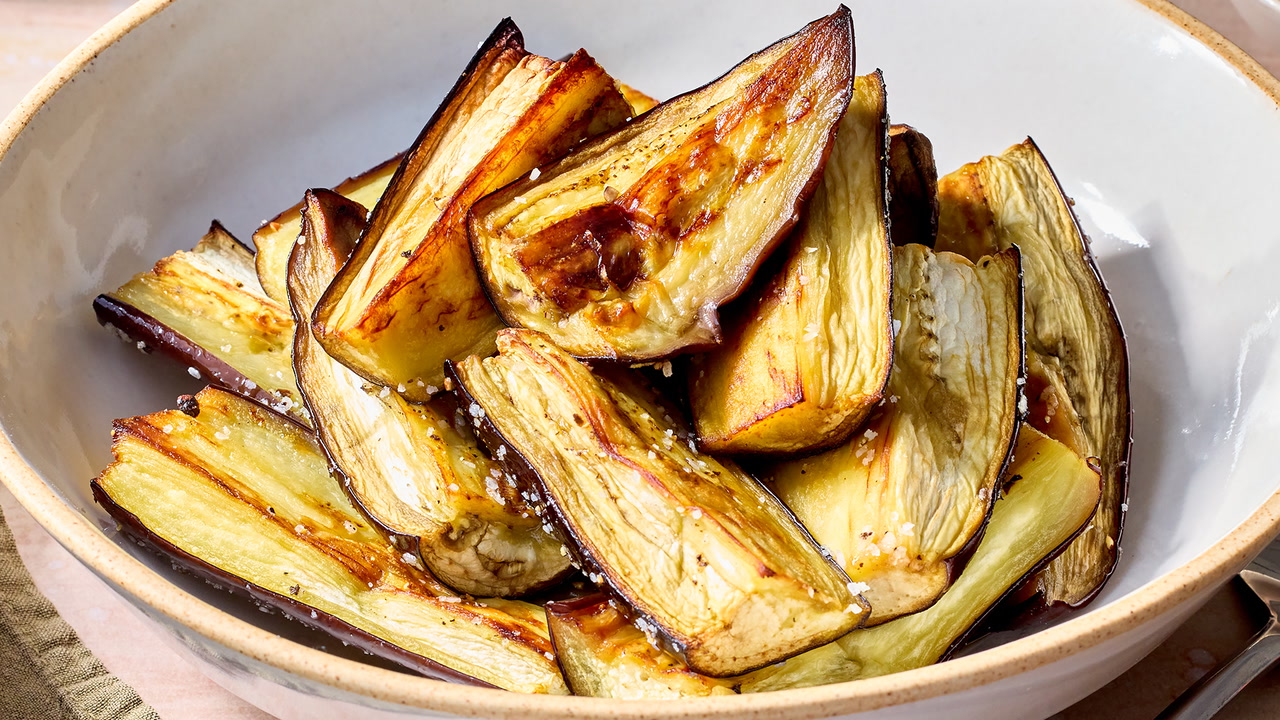
A well-made sauteed eggplant recipe delivers everything we want from a reliable home-cooked dish: rich flavor, soft texture, quick preparation, and remarkable versatility. Eggplant has a unique ability to absorb seasoning, oil, herbs, and aromatics, which makes it one of the most rewarding vegetables to cook when handled properly. When sautéed the right way, it becomes tender and silky inside, lightly golden outside, and deeply satisfying without requiring complicated techniques.
We often need recipes that are both practical and impressive. This dish fits that need perfectly. It can be served as a simple vegetable side, layered into grain bowls, folded into pasta, spooned over rice, or enjoyed with flatbread and grilled protein. The beauty of sautéed eggplant lies in its flexibility. We can keep it minimal with garlic, olive oil, salt, and pepper, or build it into a more robust dish with onions, tomatoes, chili flakes, and fresh herbs.
This guide covers the exact ingredients, preparation method, and cooking steps needed to create a flavorful sauteed eggplant recipe that turns out consistently well. Every detail matters, from choosing the right eggplant to controlling the heat in the pan. Once we get those elements right, the result is a dish that is deeply savory, aromatic, and full of character.
Ingredients You’ll Need
To make this sauteed eggplant recipe, gather the following ingredients:
- 2 medium eggplants
- 3 to 4 tablespoons olive oil
- 3 garlic cloves, minced
- 1 small onion, thinly sliced
- 1 teaspoon salt, or to taste
- 1/2 teaspoon black pepper
- 1/2 teaspoon paprika
- 1/4 teaspoon red pepper flakes for mild heat
- 1 teaspoon dried oregano or Italian seasoning
- 1 tablespoon lemon juice
- 2 tablespoons chopped fresh parsley
- Optional: 1 medium tomato, diced
- Optional: grated Parmesan for serving
These ingredients create a balanced sautéed eggplant dish with depth, fragrance, and brightness. The garlic and onion form the aromatic base, while paprika and oregano add warmth and savory notes. Lemon juice lifts the final flavor and keeps the dish from tasting too heavy.
How to Choose the Best Eggplant
A strong sauteed eggplant recipe starts with selecting good eggplant. Fresh eggplants should feel firm but not hard, with smooth, glossy skin and a vibrant deep purple color. Avoid eggplants with wrinkled skin, bruises, overly soft spots, or a dull appearance, as these signs often indicate age and bitterness.
Medium eggplants are usually the best choice for sautéing because they tend to have fewer seeds and a more pleasant texture. Larger eggplants can sometimes become spongy or slightly bitter. If available, globe eggplants work beautifully for this recipe, though Italian eggplants are also excellent because they are often slightly sweeter and more tender.
When we start with fresh eggplant, the difference is clear in the finished dish. The texture becomes creamier, the flavor cleaner, and the cooking process much easier to control.
Preparing Eggplant for Sautéing
One of the most important parts of any sauteed eggplant recipe is preparation. Eggplant contains a lot of moisture and has a porous structure, which means it can either cook beautifully or become greasy and soggy if rushed.
Wash the eggplants thoroughly and dry them well. Trim off the stem and cut the eggplant into evenly sized cubes or half-moons, depending on the look you want. Uniform pieces help the eggplant cook at the same rate, which is essential for even browning and tenderness.
If desired, sprinkle the cut eggplant lightly with salt and let it rest in a colander for about 20 to 30 minutes. This optional step draws out excess moisture and can improve browning. After resting, blot the eggplant dry with paper towels. While modern eggplants are usually less bitter than older varieties, this step still helps achieve a firmer texture in the skillet.
Do not skip drying the eggplant. Any extra surface moisture will slow browning and encourage steaming instead of sautéing.
Why Eggplant Absorbs So Much Oil
Eggplant is famous for soaking up oil quickly, and understanding that helps us cook it better. The flesh acts almost like a sponge at the start of cooking. If we add too much oil immediately, the eggplant can become overly rich and greasy before it has time to soften naturally.
The solution is simple. Use a moderate amount of oil, cook over medium to medium-high heat, and stir regularly. As the eggplant cooks, its texture collapses slightly, becomes tender, and releases some moisture. At that point, the oil distributes more evenly and the pieces begin to brown instead of merely absorbing fat.
A controlled amount of oil creates the ideal texture for a classic sauteed eggplant recipe: soft inside, lightly caramelized outside, and full of flavor without being heavy.
Step-by-Step Guide for Sauteed Eggplant
Step 1: Cut and Salt the Eggplant
Cut the eggplant into bite-sized cubes or slices. Sprinkle lightly with salt and let it sit for 20 to 30 minutes if you want a firmer result. Pat the pieces dry thoroughly before cooking. This helps remove surface moisture and improves the final texture.
Step 2: Heat the Pan Properly
Place a large skillet or sauté pan over medium heat. Add 2 tablespoons olive oil and allow it to warm thoroughly before adding anything else. A properly heated pan helps the eggplant sear rather than steam.
Step 3: Cook the Onion First
Add the sliced onion to the pan and sauté for 3 to 4 minutes until softened and lightly golden. This forms the flavor base of the dish and adds natural sweetness that complements the eggplant beautifully.
Step 4: Add Garlic and Spices
Stir in the minced garlic, black pepper, paprika, red pepper flakes, and oregano. Cook for about 30 seconds to 1 minute, just until fragrant. The goal is to release the aroma without burning the garlic.
Step 5: Add the Eggplant
Add the prepared eggplant pieces to the skillet. Toss them gently so they are coated with the onion, garlic, spices, and oil. If the pan looks too dry, add the remaining olive oil gradually instead of pouring it all in at once.
Cook the eggplant for 10 to 15 minutes, stirring every few minutes. The pieces should begin to soften, shrink slightly, and develop golden edges. Avoid overcrowding the pan. If necessary, cook in batches so the eggplant can brown properly.
Step 6: Add Tomato for Extra Moisture and Flavor
If using diced tomato, stir it in once the eggplant is mostly tender. Cook for another 3 to 4 minutes. The tomato adds gentle acidity, freshness, and a light sauce-like finish that pairs especially well with rice, pasta, or crusty bread.
Step 7: Finish with Lemon Juice and Parsley
Turn off the heat and drizzle in the lemon juice. Add chopped parsley and toss everything together. This final step brightens the dish and balances the rich, savory base with freshness.
Step 8: Serve Immediately
Serve the sautéed eggplant hot, warm, or even at room temperature. It works beautifully as a side dish, light main meal, or topping for grains and proteins.
Texture and Flavor Tips for the Best Results
A standout sauteed eggplant recipe depends on texture as much as flavor. The ideal eggplant should not be mushy or oily. It should feel tender and silky but still hold its shape. To achieve that result, use a wide skillet, avoid crowding, and resist the urge to stir constantly. Giving the eggplant a little time in contact with the pan helps it brown and develop richer flavor.
Seasoning also matters. Eggplant on its own is mild, so it benefits from bold yet balanced additions. Garlic, onion, herbs, and pepper create a solid base. Lemon juice or tomato keeps the final dish lively. Fresh parsley adds color and a clean finish that makes the entire recipe taste brighter and more complete.
If you enjoy deeper savory flavor, a small sprinkle of Parmesan just before serving can add another layer of richness. If you prefer a lighter version, serve it with fresh herbs and a little extra lemon instead.
Serving Ideas for Sauteed Eggplant
This sauteed eggplant recipe is extremely versatile, which is one of its greatest strengths. It works in many meals without requiring extra effort.
Serve it as:
- A side dish with grilled chicken, fish, or beef
- A topping for steamed rice or seasoned couscous
- A filling for wraps, pitas, or sandwiches
- A spooned layer over creamy polenta
- A mix-in for pasta with olive oil and herbs
- A topping for toast with feta or goat cheese
- A vegetable component in a Mediterranean bowl
Because sautéed eggplant pairs well with grains, proteins, legumes, and dairy, it can move easily from lunch to dinner and from casual meals to more polished plates.
Common Mistakes to Avoid
Many eggplant dishes fail for a few predictable reasons. The first is using too much oil too quickly. That often leads to soggy eggplant with a greasy finish. The second is overcrowding the pan, which traps steam and prevents browning. The third is under-seasoning. Since eggplant is naturally mild, it needs enough salt, aromatics, and herbs to reach its full potential.
Another mistake is cooking over heat that is too low. Low heat can make the eggplant limp before it develops color. Medium or medium-high heat gives much better structure and flavor. Finally, adding acid too early can slow browning, so lemon juice should always go in at the end.
How to Store and Reheat
If you have leftovers, let the eggplant cool completely before storing it in an airtight container in the refrigerator. It will keep well for up to 3 days. Reheat it in a skillet over medium heat with a small splash of oil, or warm it gently in the microwave.
In some cases, the flavor becomes even better the next day because the seasonings have more time to settle into the eggplant. Leftover sautéed eggplant can also be folded into omelets, grain bowls, pasta, or wraps for quick meals.
Easy Variations to Try
Once you master the basic sauteed eggplant recipe, you can adapt it in multiple directions.
For a Mediterranean version, add olives, cherry tomatoes, and crumbled feta. For an Italian-style variation, include basil, Parmesan, and a touch of tomato sauce. For a spicier version, increase the red pepper flakes and add a little smoked paprika. For a heartier meal, toss the sautéed eggplant with chickpeas or white beans.
These variations keep the method fresh while preserving the same core technique that makes the dish work.
FAQs about Sautéed Eggplant Recipe
1. What is sautéed eggplant?
Sautéed eggplant is eggplant cut into slices or cubes and cooked in a pan with oil until tender and lightly browned. It is a simple and flavorful side dish or base for other meals.
2. Do we need to peel the eggplant first?
Not always. Small or fresh eggplants usually have tender skin, so peeling is optional. Larger eggplants may have thicker skin, which some people prefer to remove.
3. Why does eggplant absorb so much oil?
Eggplant has a sponge-like texture, so it quickly soaks up oil while cooking. Using moderate oil and cooking over medium heat can help control this.
4. Should we salt eggplant before sautéing?
Salting is optional, but it can help draw out extra moisture and reduce bitterness. It may also improve the texture before cooking.
5. How do we know when sautéed eggplant is done?
It is ready when the pieces are soft inside and golden on the outside. The flesh should be tender without feeling mushy.
6. What seasonings go well with sautéed eggplant?
Garlic, black pepper, paprika, chili flakes, herbs, soy sauce, and lemon juice all pair well with eggplant. It easily takes on other flavors.
7. Can we add other vegetables?
Yes, sautéed eggplant goes well with onions, tomatoes, bell peppers, zucchini, or mushrooms. This makes the dish more colorful and filling.
8. How should leftovers be stored?
Store leftovers in an airtight container in the refrigerator for up to 3 days. Reheat gently in a pan or microwave before serving.
Final Thoughts
A dependable sauteed eggplant recipe should be easy enough for a weeknight yet flavorful enough to serve proudly at the table. This version delivers exactly that. With the right preparation, controlled heat, balanced seasoning, and a bright finish, eggplant transforms into a dish that feels rich, tender, and complete.
We do not need complicated ingredients to make eggplant taste exceptional. We simply need a good pan, fresh aromatics, thoughtful seasoning, and the patience to let the vegetable cook properly. Once those basics are in place, the result is a beautifully browned, savory dish that fits into countless meals and deserves to be repeated often.