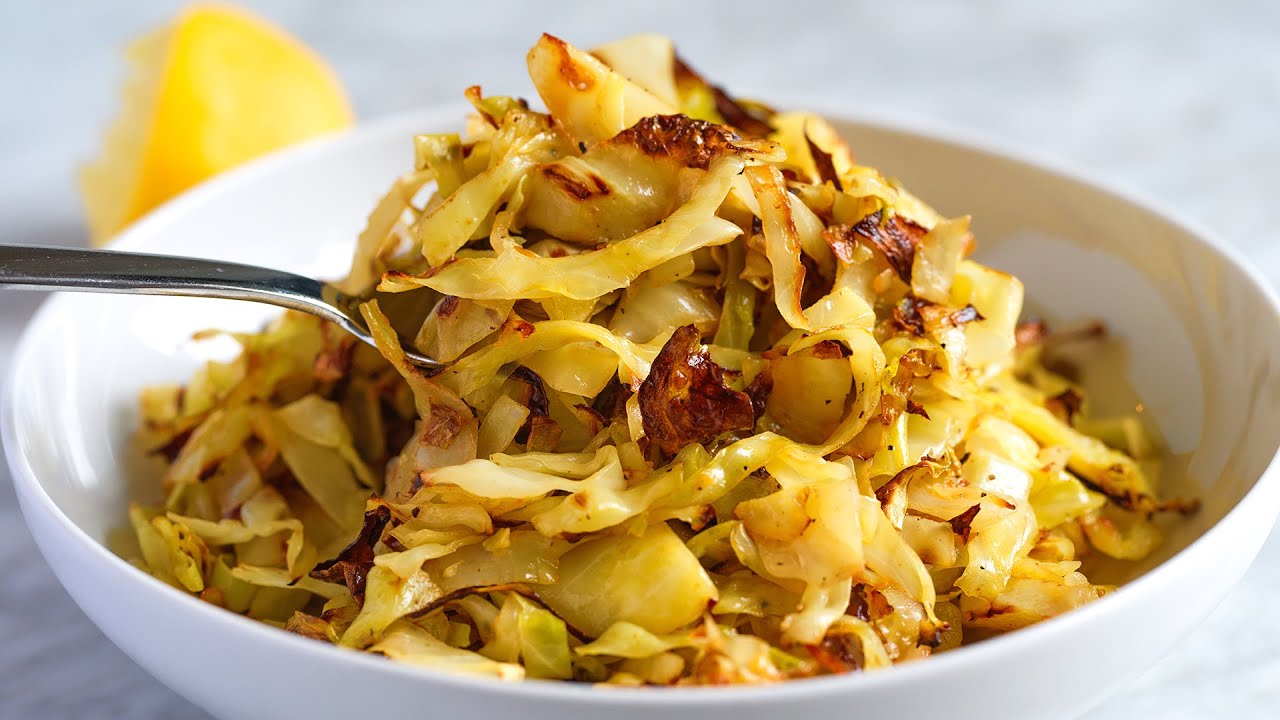
Sauteed Cabbage Recipe: If you’re looking for a quick, healthy, and insanely delicious way to enjoy veggies, sautéed cabbage is about to be your new best friend in the kitchen. This humble vegetable gets a serious glow-up when cooked right—soft, a little crispy on the edges, and bursting with flavor. Whether you’re a seasoned cook or just learning your way around the stove, this recipe has your back.
The beauty of sautéed cabbage is that it’s both simple and adaptable. With just a few ingredients and one pan, you can whip up a nutritious side dish that works with practically any meal. Plus, it’s affordable, available year-round, and perfect for meal prep. What more could you want?
Stick around as we break it all down in this step-by-step guide. We’ll start with what you need, dive into the method, and even sprinkle in some tips, tricks, and variations along the way.
Ingredients You’ll Need
Here’s your base list of ingredients to get started:
Basic Ingredients:
- 1 medium green cabbage (about 2-3 pounds)
- 2 tablespoons olive oil or butter (or both!)
- 1 medium onion, thinly sliced
- 2-3 garlic cloves, minced
- Salt and pepper to taste
Optional Add-Ons:
- 1 tablespoon apple cider vinegar or lemon juice (for brightness)
- Red pepper flakes (if you like a kick)
- Carrots or bell peppers (for color and sweetness)
- Cooked bacon pieces or sausage
- Fresh herbs like parsley or thyme
Ingredient Substitution Tips:
- Oil: You can use avocado oil or ghee if you want a different fat source.
- Garlic: Garlic powder works in a pinch, but fresh garlic adds the best flavor.
- Cabbage: Green cabbage is traditional, but savoy or Napa cabbage can also be used for a softer texture.
- Vinegar: Balsamic or rice vinegar are solid alternatives to apple cider vinegar.
This is a super flexible recipe—swap or skip ingredients based on what’s in your kitchen. Cabbage plays well with others, so don’t be afraid to experiment!
Health Benefits of Cabbage
Before we get cooking, it’s worth knowing why cabbage deserves a spot on your plate. This underrated veggie is a powerhouse when it comes to nutrition.
Packed with Nutrients:
Cabbage is loaded with Vitamin K, Vitamin C, and folate. It also contains antioxidants like polyphenols and sulfur compounds that fight inflammation and support your immune system.
Great for Digestion:
Thanks to its fiber content, cabbage supports healthy digestion and keeps things moving. The fiber also helps you feel full longer, making it a great option if you’re watching your weight.
Low in Calories, High in Value:
One cup of cooked cabbage has just about 35 calories—but it offers vitamins, fiber, and even a bit of protein. That’s a lot of goodness packed into something that’s often just a side dish.
Plus, it’s gluten-free, dairy-free, keto-friendly, and fits into most diets without a hitch.
Why You’ll Love This Recipe
So why should sautéed cabbage make it onto your weekly meal plan? Let me break it down:
- It’s Fast. You’ll have it on the table in 15–20 minutes, tops.
- It’s Cheap. One head of cabbage can serve 4–6 people and costs just a couple of bucks.
- It’s Versatile. Serve it with chicken, fish, tofu, or pile it on top of rice or noodles.
- It’s Healthy. Packed with nutrients and totally customizable for any dietary preference.
- It’s Tasty. Think slightly crispy edges, savory flavor, and a slight natural sweetness—yum!
Whether you want something hearty, light, or somewhere in between, this dish has got you covered.
Choosing the Right Cabbage
Picking the perfect cabbage is step one in making this recipe a success.
Green vs. Red Cabbage:
- Green cabbage is the classic choice—mild, slightly sweet, and perfect for sautéing.
- Red cabbage has a deeper flavor and vibrant color but can turn bluish when cooked unless you add acid (like vinegar or lemon juice).
Freshness Indicators:
- Look for a firm head with tightly packed leaves.
- The outer leaves should be bright and not wilted or slimy.
- It should feel heavy for its size—this means it’s full of moisture.
Organic vs. Conventional:
If you’re eating cabbage often, going organic can reduce your pesticide exposure. That said, cabbage is actually on the “Clean Fifteen” list, meaning it’s one of the veggies with lower pesticide residue.
Prepping the Cabbage
This step is where your sautéed cabbage journey truly begins. Let’s get that veggie ready to shine!
Washing It Right:
- Rinse the cabbage head under cool water.
- Remove the outer leaves if they’re wilted or damaged.
- Cut it into quarters and rinse each part again if needed.
Slicing It Perfectly:
- Cut the cabbage in half, then into quarters.
- Remove the tough white core from each quarter.
- Slice the quarters crosswise into thin strips. You can go thicker if you want more bite or thinner for a quicker cook.
Tips for Uniform Cuts:
- Use a sharp chef’s knife or a mandoline slicer for even pieces.
- Keep the slices around the same size so they cook evenly—nobody wants half-burnt, half-raw cabbage.
Getting this part right makes all the difference in cooking time and texture.
Step-by-Step Guide to Making Sautéed Cabbage
Alright, now that you’ve got everything prepped, let’s jump into the actual cooking process. This is where the magic happens. Follow these steps, and you’ll have perfectly sautéed cabbage that’s tender, flavorful, and just a little bit crispy on the edges.
Step 1: Gather Your Ingredients
Before the heat hits the pan, make sure everything is within arm’s reach. This isn’t the kind of recipe where you want to step away halfway through. Get your cabbage sliced, your onion and garlic prepped, and your seasonings ready. Trust me, mise en place (that fancy chef term for “everything in its place”) makes cooking a breeze.
Step 2: Heat the Oil or Butter
Set a large skillet or sauté pan over medium heat. Add about 2 tablespoons of olive oil, butter, or a mix of both. Let it heat up until it starts to shimmer (if using oil) or melt and bubble (if using butter). The fat is crucial here—not just for preventing sticking, but also for developing flavor and getting that nice golden-brown color on the cabbage.
Step 3: Add the Aromatics
Drop in your sliced onions and cook them for 3–4 minutes until they start to soften and turn translucent. Then, toss in the garlic and cook for another 30–60 seconds, stirring constantly so it doesn’t burn. This base gives your cabbage a rich, savory flavor that makes all the difference.
Step 4: Add the Cabbage
Time to introduce the star of the show. Add your shredded cabbage in batches if needed—don’t overcrowd the pan. It’ll wilt as it cooks, so just stir gently and give it space to breathe. Toss the cabbage to coat it evenly in the oil and aromatics.
Step 5: Season and Sauté
Sprinkle in salt and pepper to taste. Continue to cook, stirring occasionally, for about 8–12 minutes depending on how soft or crisp you want it. Keep the heat at medium or medium-high. Let it sit undisturbed for a couple of minutes between stirs to get those golden edges.
Step 6: Check for Tenderness
After about 10 minutes, taste a bite. The cabbage should be tender but not mushy, with some crispy bits for texture. If it’s too firm, cook for a few more minutes. If it’s too soft, don’t worry—just remember for next time to stir less and use higher heat.
Step 7: Optional Flavor Boosts
This is where you can make it your own. Add a splash of apple cider vinegar or lemon juice to brighten it up. Toss in red pepper flakes for heat. Sprinkle in your favorite dried herbs, or even a dash of soy sauce or balsamic vinegar for a different twist.
Step 8: Serve Hot
Remove from heat and serve immediately while it’s warm and vibrant. It makes a great side dish, but you can also toss it over rice, add a fried egg on top, or stuff it into wraps. The options are endless.
Best Oils to Use for Sautéing Cabbage
You might think oil is just oil—but the one you choose can subtly affect the taste and texture of your cabbage.
Olive Oil
A classic pick. It adds a mild, slightly fruity flavor that works beautifully with the sweetness of cooked cabbage. Use extra virgin olive oil if you want more depth.
Butter
For a richer, slightly creamy finish, butter is your best friend. It browns nicely and adds a nutty flavor that elevates the dish.
Avocado Oil
This is a great high-heat option if you’re worried about smoking. It’s neutral in taste but super healthy, packed with monounsaturated fats.
Other Alternatives:
- Coconut oil: Adds a hint of sweetness, great for Asian or tropical spins.
- Ghee: Clarified butter that gives richness without dairy solids.
- Sesame oil: Use this as a finisher, not for cooking—it brings an amazing toasted flavor.
Pick your fat based on flavor preferences and dietary needs. Sometimes combining butter and olive oil gives you the best of both worlds.
Flavor Variations
Want to mix it up beyond the classic version? Here are a few mouthwatering ways to change the game:
Garlic & Herb Cabbage
- Add 1/2 teaspoon each of thyme, oregano, and rosemary.
- Finish with fresh parsley or chives for a garden-fresh flavor.
Spicy Sautéed Cabbage
- Toss in red pepper flakes or a chopped jalapeño.
- Add a dash of hot sauce right before serving.
Asian-Style Cabbage
- Use sesame oil and add a splash of soy sauce.
- Throw in some chopped scallions, ginger, and a sprinkle of sesame seeds.
Bacon & Cabbage Combo
- Cook chopped bacon until crispy, then remove and sauté cabbage in the bacon fat.
- Add the bacon back in at the end for a smoky, savory twist.
The beauty of cabbage is how well it adapts to any flavor palette, so feel free to experiment based on your cravings.
Cooking Tips and Tricks
Want to take your sautéed cabbage from good to “OMG, what’s your recipe?” Here’s how:
- Don’t overcrowd the pan: If there’s too much cabbage in the skillet, it’ll steam instead of sauté. Use a large pan or cook in batches.
- Let it brown: Resist the urge to stir constantly. Letting it sit allows caramelization—that’s where the flavor lives.
- Taste as you go: Salt and seasonings can vary. Don’t be afraid to taste and adjust as needed.
- Use a lid to steam (if needed): If you want extra-soft cabbage, you can cover the pan for a few minutes. Just don’t overdo it, or you’ll lose that sautéed texture.
- Acid is your friend: A splash of vinegar or citrus can wake up the whole dish and balance out richness.
Serving Suggestions
Sautéed cabbage is the kind of side dish that plays well with just about anything. It’s like the best friend of the dinner table—reliable, easygoing, and surprisingly delicious.
Perfect Pairings:
- Grilled or roasted meats: Pork chops, steak, chicken thighs, or sausages all taste amazing next to cabbage.
- Seafood: Pan-seared salmon or garlic shrimp work great with a mild, buttery cabbage base.
- Vegetarian mains: Try it alongside lentils, baked tofu, or veggie burgers for a full plant-based plate.
Build-a-Bowl Idea:
Layer sautéed cabbage over a base of rice or quinoa, add some roasted veggies, a protein like tofu or chicken, and drizzle with tahini or sriracha for a healthy bowl.
Taco Filling:
Add some Mexican-style seasoning to your sautéed cabbage, and boom—you’ve got a killer taco filling. Top with avocado and hot sauce for extra flair.
Egg Lover’s Dream:
Crack a couple of eggs on top of hot cabbage in a skillet and cook until the whites are set. Add a sprinkle of cheese, and you’ve got a low-carb breakfast (or dinner!) worth drooling over.
This dish doesn’t need to be a “sidekick.” With the right additions, sautéed cabbage can easily become the main event.
Storage and Leftovers
Cooked too much? Good news: sautéed cabbage stores like a champ. Here’s how to keep those tasty leftovers fresh and flavorful.
In the Fridge:
- Let the cabbage cool completely before storing.
- Place it in an airtight container.
- Keeps well for up to 4–5 days in the refrigerator.
Reheating Tips:
- Skillet method: Warm it up in a pan over medium heat with a little oil or butter. Stir occasionally until heated through.
- Microwave: Reheat in 30-second intervals, stirring between each, to avoid overcooking.
- Avoid overheating—it can make the cabbage mushy and less flavorful.
Freezing Sautéed Cabbage:
Yes, you can freeze it, although the texture may change slightly. Cabbage becomes a bit softer after freezing, but it’s still tasty in soups, stir-fries, or mixed with rice.
- Cool the cabbage fully.
- Portion it into freezer-safe bags or containers.
- Label and freeze for up to 2 months.
- Thaw in the fridge overnight before reheating.
Meal prepping? This recipe is perfect to batch cook and enjoy throughout the week. Just reheat, season if needed, and you’re good to go.
Common Mistakes to Avoid
Even a simple dish like sautéed cabbage can go sideways if you’re not careful. Don’t worry—here are the pitfalls to watch out for and how to dodge them.
1. Overcrowding the Pan
When you pile in too much cabbage at once, it steams instead of sautéing. That means soft, soggy cabbage with no caramelization. Cook in batches if needed, especially if you’re using a smaller pan.
2. Not Using Enough Fat
Cabbage needs a bit of oil or butter to cook properly and carry flavor. Skimping on it leads to dry, bland results. A couple of tablespoons go a long way.
3. Skipping the Aromatics
Onion and garlic are key to building flavor from the bottom up. Don’t rush or skip this step—take your time to sauté them until fragrant before adding cabbage.
4. Not Seasoning Properly
Salt brings out the natural sweetness of cabbage. Don’t wait until the end to season—layer it in as you go. Taste and adjust before serving.
5. Overcooking
It’s tempting to let cabbage sit and stew, but too much heat for too long turns it mushy. Aim for soft with a bit of bite, and crisp edges if you can get them.
Avoiding these mistakes will take your sautéed cabbage from “meh” to “more, please!”
FAQs about Sauteed Cabbage Recipe
Q1: How long does it take to cook cabbage on the stove?
Usually around 10 to 15 minutes. The exact time depends on how thickly it’s sliced and how tender you want it. Cook it longer for softer cabbage, or go shorter for more crunch.
Q2: Can I use red cabbage instead of green?
Yes, you can! Just keep in mind red cabbage has a slightly different flavor and firmer texture. It may also turn bluish when cooked unless you add some acid like vinegar or lemon juice.
Q3: Is sautéed cabbage good for meal prep?
Absolutely. It keeps well in the fridge for up to 5 days and reheats beautifully. Great for bowls, wraps, or side dishes throughout the week.
Q4: Can I add other vegetables?
Definitely. Try mixing in carrots, bell peppers, kale, or spinach. Just adjust cooking times depending on the vegetable.
Q5: Is sautéed cabbage keto-friendly?
Yes! Cabbage is naturally low in carbs, making it an excellent side dish for keto and low-carb diets. Just avoid adding sugar or carb-heavy ingredients.
Conclusion
Sautéed cabbage might just be the unsung hero of your kitchen. It’s budget-friendly, easy to make, super nutritious, and—most importantly—delicious. Whether you’re serving it with your weeknight dinner, jazzing it up for meal prep, or using it as a base for something bolder, this veggie delivers every time.
And the best part? Once you master the basics, you can riff on it endlessly. Add spice, herbs, protein, or a dash of something tangy—this dish adapts to your cravings.
So next time you’re staring at a head of cabbage wondering what to do with it… now you know. Grab your skillet and turn that humble veg into something seriously crave-worthy.