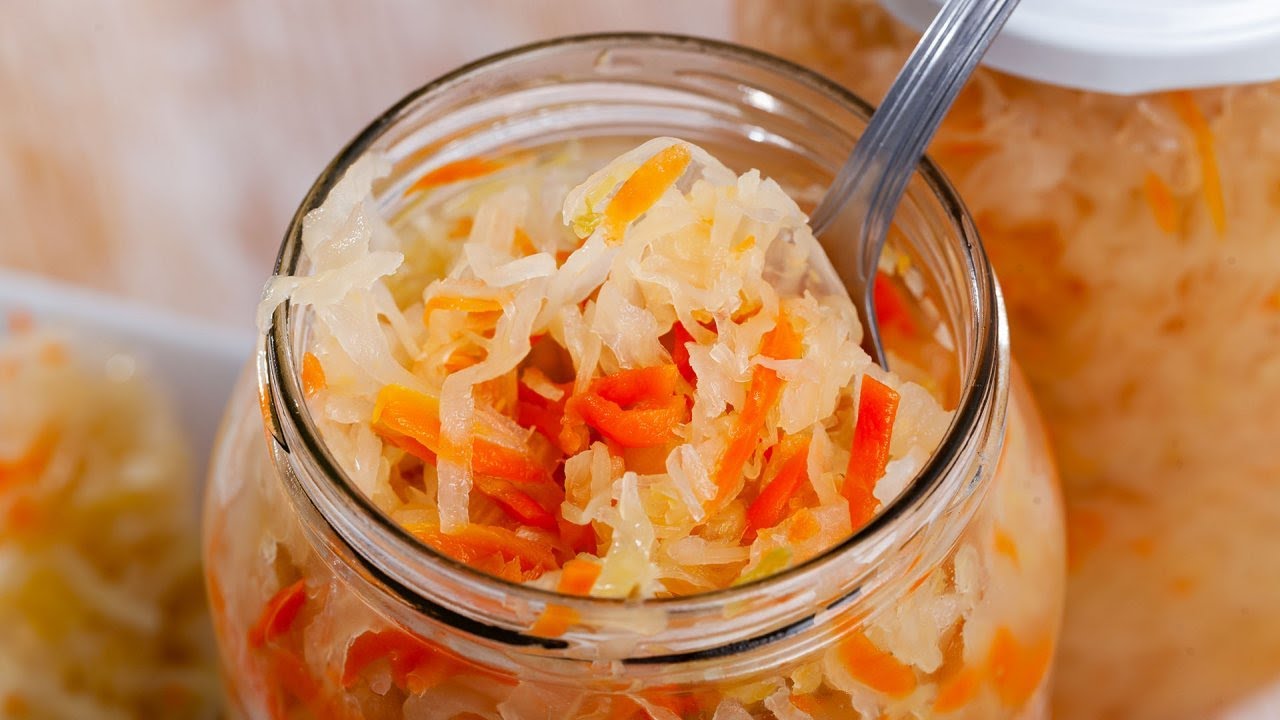
Sauerkraut Recipe: Making your own sauerkraut at home is a fun, simple, and rewarding process. Not only is it budget-friendly, but it also offers a crunchy, tangy side dish that’s packed with probiotics and good-for-your-gut bacteria.
Whether you’re new to fermenting or a kitchen enthusiast, this complete guide will walk you through each step with clarity and ease.
What is Sauerkraut?
Sauerkraut is simply finely shredded cabbage that has been fermented by lactic acid bacteria. Originating in Central and Eastern Europe, it’s a staple in many cuisines and prized for its tangy flavor and probiotic qualities. Unlike vinegar-based pickles, sauerkraut undergoes a natural fermentation process that preserves the cabbage while enhancing its nutritional profile.
During fermentation, natural sugars in the cabbage are converted into lactic acid by bacteria. This not only gives sauerkraut its distinctive sour taste but also acts as a natural preservative. The best part? It doesn’t require vinegar, special bacteria cultures, or even refrigeration during the initial process—just cabbage, salt, and patience.
Benefits of Eating Sauerkraut
Nutritional Benefits
Sauerkraut is a powerhouse of nutrition. It’s low in calories and high in fiber, vitamin C, vitamin K, iron, and manganese. A single serving can support immune function, help digestion, and even provide a nice dose of antioxidants. Plus, since it’s fermented, it contains beneficial bacteria that your body loves.
Gut Health and Probiotics
The biggest win with sauerkraut is its probiotic content. These good bacteria help maintain a healthy gut flora, which plays a crucial role in everything from digestion and nutrient absorption to mental health. Regular consumption can lead to improved digestion, reduced bloating, and a stronger immune response.
Why Make Sauerkraut at Home?
Store-bought sauerkraut often comes pasteurized, killing off the beneficial bacteria. Making your own ensures a rich supply of probiotics. Plus, homemade sauerkraut allows you to control the salt levels, add flavors (like garlic or caraway seeds), and adjust the fermentation time to your taste preference.
Homemade sauerkraut is also incredibly cost-effective. With just a few simple ingredients and tools, you can produce jars of delicious, crunchy kraut that last for months.
List of Ingredients You’ll Need
You don’t need much to make sauerkraut, which is what makes it such a great kitchen project. Here’s the basic list:
- 1 medium head of green cabbage (about 2 to 3 pounds)
- 1 to 1.5 tablespoons of sea salt (non-iodized, without anti-caking agents)
- Optional Add-ins:
- Caraway seeds (1 tsp)
- Juniper berries (3–4)
- Grated carrots (for color and sweetness)
- Sliced garlic or ginger
- Red cabbage for color variation
Always go for organic and fresh cabbage if possible—it makes a noticeable difference in taste and fermentation.
Tools and Equipment Required
- Large mixing bowl
- Sharp knife or mandoline slicer
- Cutting board
- Mason jar or fermentation crock (1-liter jar works great)
- Cabbage tamper or rolling pin (for pressing)
- Fermentation weight (a clean rock, glass weight, or smaller jar will do)
- Clean cloth or lid (for covering the jar)
- Rubber band (if using a cloth)
You probably already have most of these in your kitchen.
Step-by-Step Guide to Making Sauerkraut
Step 1: Select Fresh Cabbage
Pick a firm, heavy head of green cabbage with tight leaves. Freshness is key. If the cabbage looks dry or wilted, skip it—it won’t ferment well. Organic cabbage is ideal because it hasn’t been sprayed with chemicals that may interfere with fermentation.
Step 2: Clean and Prepare the Cabbage
Remove the outer leaves and set one aside (you’ll use it later to cover the kraut). Rinse the cabbage under cold water to remove any dirt or bugs. Then cut the cabbage into quarters and remove the core from each section.
Step 3: Shred the Cabbage
Using a sharp knife or mandoline slicer, finely shred the cabbage into thin ribbons. The thinner the better, as it ferments faster and more evenly. Place all shredded cabbage into a large mixing bowl.
Step 4: Salt the Cabbage
Sprinkle the sea salt evenly over the cabbage. Use your hands to mix and massage the cabbage thoroughly. Let it sit for 10-15 minutes. The salt draws out water from the cabbage, creating the brine in which the sauerkraut will ferment.
Step 5: Massage the Cabbage
Continue massaging the cabbage until it starts to release liquid and becomes limp—this can take 5–10 minutes. You’re looking for enough liquid (brine) to cover the cabbage when packed into a jar.
Pro tip: Don’t rinse the cabbage after salting! That salt is essential for fermentation.
Step 6: Pack into a Jar or Fermentation Crock
Start packing the cabbage into your clean jar or crock. Use your fist, a tamper, or a spoon to press it down tightly. The goal is to remove all air pockets and submerge the cabbage in its brine.
Step 7: Weigh Down the Cabbage
Place the saved outer cabbage leaf on top of the shredded cabbage to create a barrier. Then add a fermentation weight or a smaller jar filled with water to press everything down. This keeps the cabbage submerged and protected from air exposure.
Step 8: Cover and Seal the Jar
Cover the jar with a breathable cloth secured with a rubber band, or use a fermentation lid. This allows gases to escape while keeping dust and bugs out. Don’t seal it with an airtight lid unless you have a fermentation valve system.
Step 9: Ferment at Room Temperature
Place the jar in a cool, dark spot (like a kitchen counter away from sunlight). Let it ferment at room temperature (65°F to 75°F) for 5 to 21 days, depending on your taste preference.
Check daily to ensure the cabbage is submerged. If needed, press it down again or add a little filtered water with salt (1 tsp per cup).
Step 10: Taste Test and Storage
Start tasting after 5 days. When it’s as tangy as you like, transfer the jar to the fridge. Cold temperatures slow fermentation and preserve the flavor. Properly fermented sauerkraut can last 4 to 6 months in the refrigerator.
How Long Should You Ferment Sauerkraut?
The length of fermentation depends on your taste and the temperature of your home. Typically, sauerkraut ferments anywhere from 5 to 21 days:
- Mild tangy flavor – 5 to 7 days
- Moderate sourness – 10 to 14 days
- Deep, complex tang – 21+ days
Cooler temperatures will slow the process, while warmer temps speed it up. The best way to know? Taste it every few days after the first week. Trust your tongue—when it hits that perfect sour note for your taste, it’s ready to refrigerate and enjoy.
Make sure to keep the cabbage submerged throughout the process. Any cabbage above the brine risks exposure to mold or bad bacteria. A bubbling jar and slightly cloudy brine are good signs—it means fermentation is happening!
Tips for Perfect Sauerkraut Every Time
Want to make kraut like a pro? Follow these tried-and-true tips:
- Use non-iodized salt. Iodine can inhibit fermentation. Stick with sea salt or kosher salt.
- Keep everything clean. Sterilize your jars, weights, and hands. You’re cultivating good bacteria—don’t invite bad ones.
- Pack tightly. Press the cabbage down to eliminate air pockets and help brine rise.
- Label your jar. Write down the start date, ingredients used, and even taste notes.
- Don’t open too often. Try not to disturb your ferment daily. Peeking too much can introduce unwanted bacteria.
These small habits make a huge difference when it comes to consistency and flavor.
Common Mistakes to Avoid
Even though sauerkraut is beginner-friendly, there are a few common missteps to steer clear of:
- Using too little salt – Not enough salt can cause spoilage. Stick to about 2% salt by weight.
- Overfilling the jar – Leave at least 1–2 inches of space at the top for expansion and bubbling.
- Cabbage not submerged – If the kraut rises above the brine, mold can develop.
- Sealing with an airtight lid – Fermentation produces gas. Without a way to escape, pressure builds and jars can crack or leak.
- Using chlorinated tap water – If you add water, make sure it’s filtered or dechlorinated. Chlorine can inhibit fermentation.
Learn from these and you’ll be making amazing sauerkraut in no time.
How to Store Sauerkraut Properly
Once your sauerkraut has fermented to your liking, it’s time to store it properly:
- Transfer to the fridge. The cold slows fermentation and keeps your kraut crisp.
- Keep it submerged. Even in the fridge, your cabbage should stay under the brine.
- Use clean utensils. Always use a clean fork or spoon to scoop out sauerkraut. This helps prevent contamination.
- Avoid metal lids. Metal can react with the acid over time. Use plastic or lined lids if possible.
Properly stored sauerkraut can last for 4 to 6 months in the refrigerator, sometimes even longer. If it still smells good, tastes right, and has no visible mold, it’s probably fine to eat.
How to Tell If Sauerkraut Has Gone Bad
Although fermented foods are naturally preserved, sometimes things go wrong. Here’s how to tell if your kraut is no longer safe:
- Foul smell – Sauerkraut should have a sour, funky smell—not a rotten or putrid odor.
- Visible mold – White scum on the surface (kahm yeast) is usually harmless, but fuzzy blue/green mold means it’s time to toss.
- Slimy texture – A bit of softness is okay, but if the cabbage turns mushy and slimy, it’s a sign of spoilage.
- Off-color brine – Cloudy is normal, but pink, black, or brown liquid can be a warning sign.
When in doubt, throw it out. Your safety is more important than saving a batch.
Flavor Variations to Try
One of the joys of making your own sauerkraut is customizing the flavor. Here are some exciting twists to experiment with:
- Garlic + Dill – Perfect for fans of dill pickles.
- Carrot + Ginger – Adds color and warmth, great with Asian dishes.
- Beetroot + Red Cabbage – A gorgeous purple kraut with a sweet edge.
- Chili + Lime Zest – For those who love a spicy, zesty punch.
- Apple + Cinnamon – A surprisingly delicious, slightly sweet combo for fall.
Feel free to play with spices like cumin, coriander, or turmeric. Just keep the base process the same—shred, salt, and ferment.
Serving Ideas for Sauerkraut
Wondering how to enjoy your homemade sauerkraut? The possibilities are endless:
- On hot dogs or sausages – A classic!
- In sandwiches or wraps – Adds crunch and tang.
- With eggs – Try it with scrambled or poached eggs for a gut-boosting breakfast.
- As a side dish – Simple and traditional.
- In Buddha bowls – Great with rice, beans, and avocado.
- On avocado toast – Trust us, it works.
- With roasted meats – Pork and kraut are a match made in heaven.
You can even stir a spoonful into soups and stews right before serving (don’t cook it though—it’ll kill the probiotics).
FAQs about Sauerkraut Recipe
1. Can I use red cabbage instead of green cabbage?
Absolutely! Red cabbage will give you a beautiful purple kraut with a slightly sweeter flavor. The process is the same.
2. How long does homemade sauerkraut last in the fridge?
If stored properly, it can last 4 to 6 months or longer. Always keep it submerged and use clean utensils.
3. Is it normal for sauerkraut to bubble while fermenting?
Yes! Bubbling and fizzing are good signs that fermentation is happening. It means the bacteria are doing their job.
4. What if I see white stuff on top of my kraut?
That’s usually kahm yeast—harmless but can be skimmed off. If you see fuzzy mold, it’s best to discard the batch.
5. Can I add other vegetables to my sauerkraut?
Totally! Carrots, beets, onions, and even apples are great additions. Just keep the salt ratio right and make sure everything stays submerged.
Conclusion
Homemade sauerkraut is one of the easiest and most rewarding ferments you can make. With just cabbage, salt, and time, you can create a probiotic-rich food that’s flavorful, versatile, and packed with health benefits. It’s budget-friendly, beginner-friendly, and endlessly customizable. Whether you like it mild and crunchy or deeply fermented and sour, your perfect batch is just a few steps away.
Give it a try—and don’t be afraid to experiment. Like all great kitchen projects, sauerkraut making is a blend of tradition and personal touch.