Sandwich Vegan Recipe: Let’s be honest—everyone loves a good sandwich. They’re fast, customizable, and just downright satisfying. But what if you could enjoy that same comfort with a healthy, cruelty-free twist? Welcome to the world of vegan sandwiches! Whether you’re transitioning into a plant-based lifestyle, or simply craving a healthier lunch alternative, vegan sandwiches check all the boxes: taste, nutrition, convenience, and variety.
Going vegan doesn’t mean sacrificing flavor. In fact, once you dive into the world of plant-based ingredients, you’ll discover a whole new realm of textures and tastes that meat and dairy just can’t match. Think smoky tempeh, creamy hummus, tangy pickled onions, and crisp fresh vegetables layered between perfectly toasted slices of bread.
In this guide, I’ll walk you through everything you need—from the ingredient list to a foolproof, step-by-step method—to craft your perfect vegan sandwich. And yes, we’ll go deep. Expect 3000+ words of sandwich magic.
So, grab a knife, prep your veggies, and let’s get sandwiching!
List of Ingredients You’ll Need
Bread Options
- Whole Grain Bread
- Sourdough
- Gluten-Free Bread
- Pita or Wraps
- Baguette or Ciabatta (for gourmet touch)
Not all bread is created equal—especially when it comes to vegan options. Be sure to check the label for ingredients like milk, honey, or eggs which sometimes sneak into commercial bread. Look for whole grains for added fiber, or try a hearty sourdough for that tangy edge. If you’re gluten-free, wraps made from rice or chickpea flour are a fantastic alternative.
Protein Choices
- Baked or Grilled Tofu
- Tempeh (marinated or smoked)
- Chickpea Mash or Salad
- Seitan Slices
- Lentil or Bean Patties
These proteins give your sandwich the weight it needs. A good sandwich is filling, and plant-based proteins do the job perfectly. You can roast tofu with spices, pan-fry tempeh in soy sauce, or simply smash some chickpeas with vegan mayo and herbs for a no-cook fix.
Fresh Veggies
- Lettuce (romaine, butter, iceberg)
- Tomatoes (heirloom, cherry, beefsteak)
- Cucumbers
- Bell Peppers
- Red Onions
- Spinach
- Arugula
Crisp, colorful, and refreshing—veggies bring life and crunch to your sandwich. Choose a mix of textures: soft tomatoes, crunchy cucumbers, leafy greens, and maybe a hint of spice with arugula or radish.
Spreads and Sauces
- Hummus (classic, roasted red pepper, garlic)
- Vegan Mayo
- Guacamole or Mashed Avocado
- Mustard (yellow, Dijon, spicy brown)
- Vegan Pesto
- Sriracha or Hot Sauce
These are the flavor bombs. Spread them generously to avoid dry bites. You can mix spreads too—think hummus with a drizzle of sriracha or pesto paired with a thin layer of vegan mayo.
Optional Add-ons
- Pickles
- Olives
- Jalapeños
- Sprouts
- Roasted Veggies
- Caramelized Onions
- Vegan Cheese
Now we’re talking character. These add-ons give your sandwich personality—salty, tangy, spicy, or sweet. Choose a couple to keep things balanced.
Seasonings and Spices
- Salt and Black Pepper
- Paprika
- Cumin
- Garlic Powder
- Italian Seasoning
- Nutritional Yeast
A light sprinkle of seasonings on your veggies or proteins makes a huge difference. Don’t skip the flavor layering—it’s what separates a boring sandwich from a five-star one.
Step-by-Step Guide to Making a Vegan Sandwich
Step 1: Choose the Right Bread
Start with good bread—it sets the tone for the whole sandwich. Whole-grain, sourdough, ciabatta, or a soft roll all work well. Make sure it’s fresh and sturdy enough to hold the fillings.
Step 2: Prepare Your Protein
Choose a plant-based protein like grilled tofu, tempeh, chickpea salad, lentil patties, or vegan deli slices. Season and cook as needed. Warm, well-seasoned protein adds heartiness and keeps the sandwich satisfying.
Step 3: Chop and Prep Fresh Veggies
Wash and slice your vegetables. Popular choices include lettuce, tomatoes, cucumbers, bell peppers, red onion, avocado, and sprouts. Cut everything evenly for balanced bites.
Step 4: Select and Spread Sauces
Pick flavorful spreads like hummus, vegan mayo, mustard, pesto, or mashed avocado. Spread generously on the bread to add moisture and tie the ingredients together.
Step 5: Assemble Your Layers
Start with sauce on both slices of bread. Add your protein first, followed by vegetables. Layer thoughtfully so textures and flavors are evenly distributed.
Step 6: Toast or Grill (Optional but Delicious)
For extra flavor, toast the sandwich in a pan or sandwich press until warm and lightly crispy. This step enhances taste and brings everything together.
Step 7: Cut and Serve
Slice the sandwich in half for easy handling. Serve immediately with fruit, chips, or a side salad.
Fresh, filling, and full of flavor—a well-made vegan sandwich proves plants can do it all 🥪🌱
Tips for the Perfect Vegan Sandwich
Making a sandwich seems simple, right? But the difference between average and amazing is all in the details. Here are some pro tips:
Balance Texture and Flavor
A good vegan sandwich isn’t just about loading in ingredients. It’s about harmony.
- Crunchy + Soft: Pair crunchy veggies with creamy spreads
- Savory + Sweet: Add caramelized onions or dried cranberries for a sweet kick
- Tangy + Rich: Add pickles or mustard to cut through creamy sauces
Layering Tips
The order matters!
- Start with greens (on the bread) to prevent sogginess
- Place heavy items (like tofu) at the bottom
- Top with delicate items (like sprouts or soft tomatoes)
This creates a stable, flavor-packed structure.
Avoiding Soggy Bread
Nothing ruins a sandwich faster than soggy bread.
- Toast your bread slightly
- Pat veggies dry (especially tomatoes and cucumbers)
- Add spreads between greens and bread to act as a barrier
If you’re prepping ahead, store the wet ingredients separately and assemble just before eating.
Popular Vegan Sandwich Variations
Here are some creative, tried-and-true combinations that never miss.
Chickpea Salad Sandwich
- Mashed chickpeas
- Vegan mayo
- Celery, onions, and mustard
- Lettuce and tomato
- Whole grain bread
It’s like vegan tuna salad—creamy, hearty, and addictive.
Tofu Banh Mi
- Marinated grilled tofu
- Pickled carrots and daikon
- Cucumber, jalapeños, cilantro
- Vegan sriracha mayo
- Crusty baguette
Inspired by the Vietnamese classic, this one’s loaded with bold flavors and a crunchy bite.
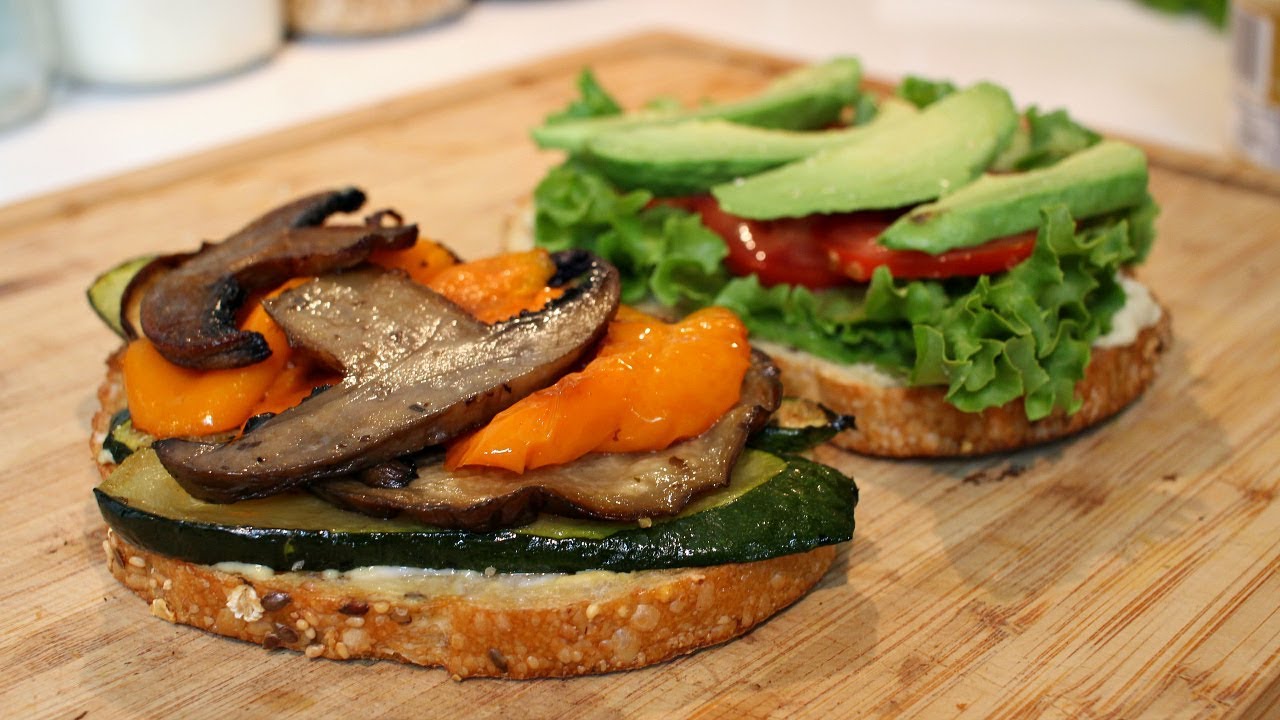
Grilled Veggie and Hummus
- Roasted zucchini, bell peppers, eggplant
- Garlic or red pepper hummus
- Arugula or spinach
- Sourdough or ciabatta
Perfect for when you have leftover roasted veggies.
Avocado and Tomato Delight
- Mashed or sliced avocado
- Heirloom tomatoes
- Vegan basil pesto
- Sprouts and salt + pepper
- Multigrain toast
It’s basically summer on bread.
Vegan Sandwiches for Kids
Kids love sandwiches too, but they need to be:
- Easy to eat
- Not too messy
- Mild in flavor
Ideas:
- Peanut butter + banana wrap
- Vegan cheese + tomato + spinach grilled sandwich
- Mini hummus and veggie sliders on small rolls
- Sweet potato patties with vegan mayo in pita pockets
Pro tip: Cut them into fun shapes with cookie cutters or make sandwich “sushi” rolls using wraps.
Meal Prep and Storage Tips
Want to prep ahead for school or work? Here’s how:
- Store components separately: Pack bread, veggies, spreads, and protein in separate containers
- Use airtight containers: Keeps veggies crisp
- Toast bread in advance and cool before packing
- Wrap in parchment paper then store in reusable sandwich bags
Avoid adding wet ingredients like tomatoes directly to the bread unless you’re eating immediately.
Common Mistakes to Avoid
Using Wet Veggies Without Draining
Always pat tomatoes, cucumbers, and other high-moisture veggies dry. Wet ingredients = soggy sandwich.
Overloading the Sandwich
Yes, it’s tempting to add “just one more thing,” but an overfilled sandwich will fall apart and be hard to eat. Stick to 1 protein, 2–3 veggies, and 1–2 spreads for the best results.
Skipping Seasoning
Even veggies need seasoning! A pinch of salt and pepper can elevate the entire sandwich.
FAQs about Sandwich Vegan Recipe
1. What bread is best for vegan sandwiches?
Go for whole grain, sourdough, or ciabatta. Always check for hidden animal products like honey, milk, or eggs in the ingredients list.
2. How can I add more protein to my sandwich?
Include plant-based proteins like tofu, tempeh, chickpeas, lentils, or seitan. You can also add a smear of high-protein hummus or a vegan protein spread.
3. Can I freeze vegan sandwiches?
It depends on the ingredients. Avoid freezing fresh veggies. Sandwiches with bean patties or cooked tofu can freeze well if wrapped tightly and reheated in a pan.
4. Is vegan mayo healthy?
Vegan mayo can be a better option than regular mayo (no cholesterol), but still contains fats. Use it in moderation or opt for healthier spreads like hummus or avocado.
5. What’s a good sandwich for a quick lunch?
Try a chickpea salad sandwich or a hummus and veggie wrap. They take less than 10 minutes and require zero cooking!
Conclusion
There you have it—a complete, detailed guide to making the ultimate vegan sandwich. Whether you’re craving something light and refreshing or rich and hearty, there’s a plant-based combo out there for you. Remember, the best part about vegan sandwiches is that they’re endlessly customizable. Use this guide as a foundation and get creative!
Experiment. Taste. Adjust. And most importantly—enjoy every bite knowing it’s good for your body, animals, and the planet.