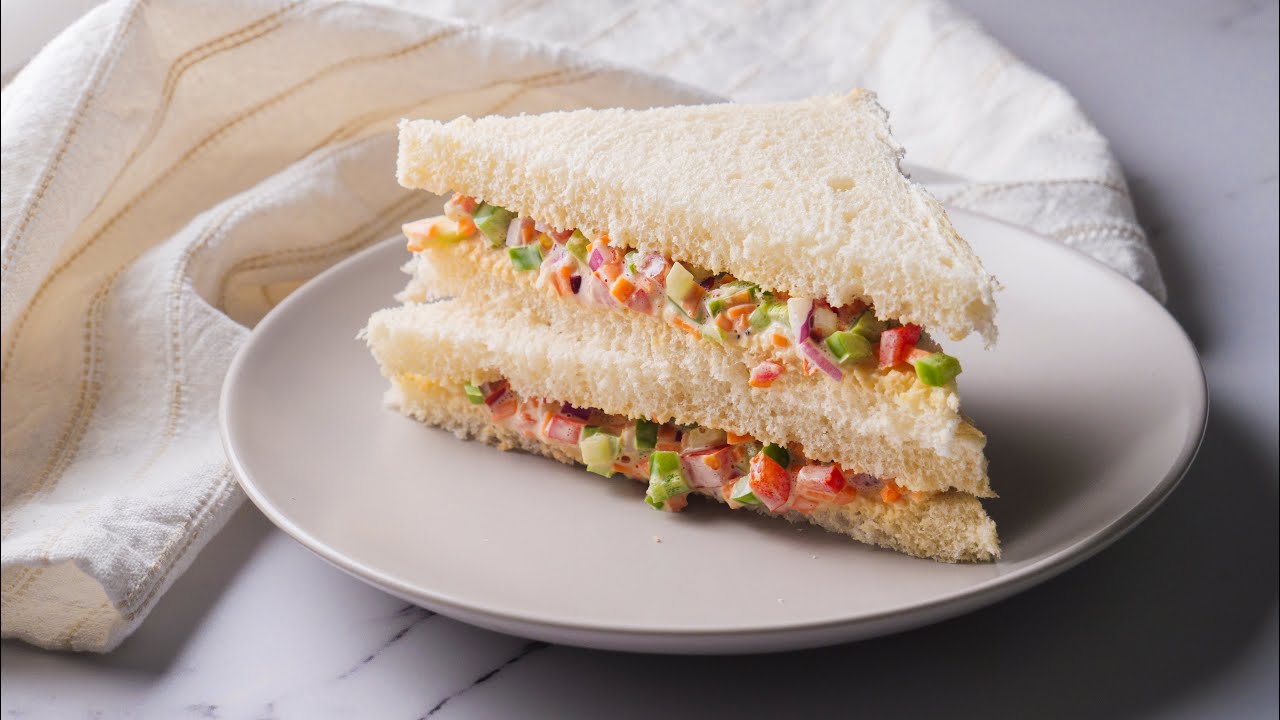
Sandwich Recipe: Let’s be honest—who doesn’t love a good sandwich? Whether you’re grabbing a quick bite in between meetings, prepping lunch for school, or craving a late-night snack, sandwiches are the ultimate go-to. They’re fast, versatile, and can be both simple and gourmet depending on what you put in them. Plus, they’re budget-friendly and can cater to nearly every dietary preference. From meat-lovers to vegetarians, there’s a sandwich for everyone.
The best part? Making a sandwich at home gives you full control over what goes inside. You can skip the preservatives, load up on fresh veggies, go light or heavy on the sauce, and experiment with flavors until it’s just right. No fancy kitchen equipment needed—just your hands, a few good ingredients, and a bit of creativity.
This guide will walk you through everything—from the ingredients to detailed steps—to make the perfect sandwich. Whether you’re a beginner or just looking for fresh inspiration, you’re in the right place. Let’s build a sandwich that’s not just good, but unforgettable.
List of Ingredients You’ll Need
To kick things off, here’s what you’ll generally need to make a fantastic sandwich. Remember, sandwiches are all about personal taste, so feel free to mix and match!
Basic Ingredients:
- Bread (white, whole wheat, sourdough, multigrain, ciabatta, etc.)
- Protein (grilled chicken, turkey slices, roast beef, ham, tofu, chickpeas)
- Cheese (cheddar, mozzarella, Swiss, provolone, pepper jack)
- Vegetables (lettuce, tomatoes, cucumbers, onions, bell peppers)
- Condiments (mayonnaise, mustard, pesto, hummus, butter)
Optional Add-Ons:
- Pickles or jalapeños for a tangy kick
- Avocado or guacamole for creaminess
- Sprouts or microgreens for crunch
- Bacon or crispy onions for added texture
- Olive oil or balsamic vinegar drizzle for flavor
Seasonings:
- Salt and pepper
- Italian herbs
- Chili flakes or paprika
You don’t need everything on this list, but a combination of bread, protein, cheese, and veggies is a solid start. Think of this list as your sandwich toolbox—pull out the tools you love and start building!
Choosing the Right Bread
Bread is the foundation of any sandwich. Get this wrong, and the whole structure falls apart—literally and figuratively. So, how do you choose the right bread?
Types of Bread:
- White Bread: Soft and fluffy, perfect for classic sandwiches.
- Whole Wheat Bread: A healthier option with more fiber.
- Sourdough: Tangy flavor and firm crust—great for grilled sandwiches.
- Ciabatta: Italian bread with an airy texture; perfect for paninis.
- Rye Bread: Earthy flavor, best with pastrami or smoked meats.
- Baguette: Crunchy crust, ideal for hearty fillings.
Tips for Choosing Quality Bread:
- Freshness matters. Always check the expiration date or buy from a local bakery.
- Texture should match the filling. Delicate bread can fall apart under heavy fillings.
- Avoid overly sweet varieties. It can mess with savory flavor combinations.
A good sandwich starts with great bread—don’t skimp here. Your bread should complement the fillings, not compete with them.
Protein Choices
The protein is usually the heart of the sandwich. It adds flavor, texture, and keeps you full. Whether you’re a meat-eater or prefer plant-based options, there’s plenty to choose from.
Popular Meat Options:
- Grilled Chicken: Juicy and flavorful, pairs well with almost anything.
- Turkey Breast: Lean and mild, great with spicy condiments.
- Roast Beef: Rich and hearty, often paired with Swiss cheese.
- Ham: Salty and slightly sweet—classic with cheddar.
- Bacon: Crispy, smoky goodness; a little goes a long way.
Vegetarian Options:
- Tofu: Pressed and marinated for flavor.
- Chickpeas: Mashed into a salad with mayo or tahini.
- Hummus: Creamy and protein-packed.
- Tempeh: Nutty and firm; great grilled.
Balance is key—don’t overload the sandwich with protein. A few slices or a small scoop goes a long way, especially when paired with flavorful spreads and fresh veggies.
Cheese Selection
Cheese brings a rich, creamy element to your sandwich. Whether you’re going for that melty gooeyness or a sharp tangy bite, cheese can make or break the flavor profile.
Types of Cheese:
- Cheddar: Sharp and versatile, works with almost anything.
- Swiss: Mild, nutty flavor; melts well.
- Mozzarella: Mild and stretchy, great for grilled sandwiches.
- Provolone: Smooth and smoky.
- Pepper Jack: Spicy and bold for a kick.
Tips for Using Cheese:
- Melting cheese? Place it directly on top of the protein and toast it.
- Using cold cheese? Make sure it’s thinly sliced for even layering.
- Mix and match. Don’t be afraid to combine two types for a flavor punch.
Think of cheese as the glue that holds your sandwich together—and adds that creamy bite in every mouthful.
Vegetable Additions
Now let’s bring some life and crunch to your sandwich. Vegetables don’t just add texture—they boost freshness, flavor, and color. Whether you’re into a light bite or a hearty stack, veggies can make your sandwich pop.
Popular Fresh Veggies:
- Lettuce: Romaine for crunch, iceberg for a refreshing bite, or butterhead for softness.
- Tomatoes: Juicy and sweet—use ripe but firm slices to avoid sogginess.
- Cucumbers: Cool and crisp, perfect for balance.
- Red Onions: Adds a sharp zing, especially when thinly sliced.
- Bell Peppers: Sweet and crunchy, especially red and yellow ones.
Grilled or Roasted Veggies:
- Zucchini or Eggplant: Adds a Mediterranean vibe.
- Mushrooms: Earthy and flavorful—great with melted cheese.
- Caramelized Onions: Sweet, savory, and perfect for a gourmet sandwich.
Leafy Greens:
- Spinach: A bit firmer than lettuce and packed with nutrients.
- Arugula: Peppery bite, perfect with mild cheeses.
- Kale: Tougher, but great when massaged with olive oil.
Layer your veggies with care. Place lettuce or greens as a barrier between wet ingredients (like tomatoes or pickles) and the bread to keep things dry. Vegetables can be the unsung heroes of a sandwich when chosen and stacked right.
Condiments and Spreads
Here’s where the flavor magic really happens. Condiments and spreads bring the tang, spice, creaminess, or zing that ties everything together. But remember—less is more. You want flavor, not a soggy mess.
Classic Options:
- Mayonnaise: Rich and creamy; a neutral base for most sandwiches.
- Mustard: Comes in many varieties—yellow, Dijon, spicy brown—each adds a unique kick.
- Ketchup: A bit sweet, best for kid-friendly sandwiches.
Gourmet Spreads:
- Pesto: Basil-based, perfect with mozzarella and tomato.
- Hummus: Protein-packed and smooth.
- Aioli: Flavored mayonnaise with garlic or herbs.
- Avocado Spread or Guacamole: Creamy and full of healthy fats.
- Cream Cheese: Soft, tangy, and versatile—great on bagels or veggie sandwiches.
Layering Tips:
- Spread thinly and evenly across the bread.
- For moisture-sensitive sandwiches, spread on both sides of the bread as a barrier.
- Mix two spreads for a layered flavor experience—try mayo + mustard, or hummus + hot sauce.
Think of spreads like the paint on your sandwich canvas—it brings everything to life!
Step-by-Step Guide to Making the Perfect Sandwich
Let’s put all those ingredients to good use now. Here’s your complete sandwich assembly blueprint—from prep to the final bite.
Step 1: Toasting or Preparing the Bread
Toast bread lightly if you want extra crunch and structure. Toasting helps prevent sogginess and adds flavor. For soft sandwiches, use fresh, un-toasted bread.
Step 2: Spreading Condiments Evenly
Spread condiments edge to edge to create a moisture barrier. Place wetter spreads (mayo, mustard) directly on the bread and thicker spreads next for better layering.
Step 3: Adding Proteins and Cheese
Layer meats or plant-based proteins evenly. Place cheese next to warm ingredients if melting is desired. Balance strong flavors with mild ones.
Step 4: Adding Vegetables and Greens
Add sturdy vegetables like tomatoes or cucumbers between protein layers to keep bread dry. Finish with greens for freshness and crunch.
Step 5: Final Assembly and Cutting
Gently press the sandwich to hold layers together. Cut diagonally for easier handling and a classic presentation. Serve immediately for best texture and taste.
Creative Sandwich Variations
Once you’ve mastered the basics, it’s time to get creative. Here are some sandwich styles you’ve got to try:
1. Breakfast Sandwich
- Scrambled eggs
- Bacon or sausage
- Cheese
- Toasted English muffin
2. Grilled Cheese Deluxe
- Mozzarella and cheddar mix
- Tomato slices
- Basil leaves
- Butter-toasted bread
3. Veggie-Loaded Sandwich
- Hummus
- Grilled zucchini and bell peppers
- Avocado
- Arugula
4. Spicy Chicken Sandwich
- Grilled or fried chicken
- Jalapeños
- Pepper jack cheese
- Spicy mayo
5. Tuna Melt
- Tuna salad
- Melted Swiss cheese
- Pickles
- Toasted rye bread
Each one adds a unique twist. Don’t be afraid to experiment—your next favorite combo might be just a layer away.
Tips for Packing Sandwiches for School or Work
So, you’ve built the perfect sandwich—but how do you keep it fresh until lunchtime? Whether you’re packing for school, work, or a picnic, how you store your sandwich can make all the difference. No one wants to open their lunch to a soggy, sad mess.
1. Use the Right Bread
Choose firm, crusty bread like ciabatta, sourdough, or a sturdy whole grain. Soft breads like white sandwich bread can become soggy more quickly, especially when paired with wet fillings like tomatoes or pickles.
2. Create Moisture Barriers
Add leafy greens like lettuce or spinach as the first layer between your bread and any moist ingredients. This keeps the bread from soaking up juices.
- Spread condiments on the greens instead of directly on the bread.
- Or, better yet, use condiments sparingly and pack them separately to spread just before eating.
3. Pack Smart
- Wrap it right: Use parchment paper or wax paper instead of plastic wrap. These materials allow the sandwich to breathe while keeping it fresh.
- Use containers: If you’re making a thick or stacked sandwich, a reusable container will help keep it from being crushed.
- Separate wet ingredients: If possible, keep items like sliced tomatoes, cucumbers, or pickles in a small container and add them when you’re ready to eat.
4. Chill Wisely
Keep your sandwich cool in an insulated lunch bag with a small ice pack. This is especially important for sandwiches with meat, eggs, or dairy to avoid spoilage.
5. Toast Just Before Eating (If Possible)
For hot sandwiches or anything with melted cheese, pack the components separately and assemble/toast them right before eating. This keeps the texture perfect and your sandwich tasting fresh.
These packing tips might sound small, but they’ll take your sandwich game from average to awesome—even hours after it’s made.
FAQs about Sandwich Recipe
1. How do I keep my sandwich from getting soggy?
To avoid sogginess, use moisture barriers like lettuce between wet ingredients (like tomatoes or pickles) and the bread. Choose dense, crusty bread, and apply condiments sparingly or pack them separately to add just before eating.
2. What’s the best bread for a healthy sandwich?
Whole grain or multigrain bread is the healthiest choice as it’s rich in fiber and nutrients. Look for bread labeled “100% whole wheat” or with visible seeds and grains. Avoid overly processed white bread or ones with added sugar.
3. Can I make a sandwich the night before?
Yes, you can! Just be smart about the ingredients. Avoid adding wet items (like tomatoes) the night before. Instead, pack those separately. Use firm bread and layer with greens to prevent sogginess. Wrap the sandwich tightly in parchment and store it in the fridge.
4. How can I make my sandwich more filling?
Add more protein (chicken, turkey, eggs, or tofu), healthy fats (like avocado or olive oil), and fiber-rich veggies. You can also include a boiled egg or even beans like mashed chickpeas for extra staying power.
5. What are some unique condiments to try?
If you want to level up from basic mayo and mustard, try:
- Chipotle aioli
- Sriracha mayo
- Pesto
- Sundried tomato spread
- Garlic herb cream cheese
- Honey mustard or horseradish sauce
These bring bold flavors and help make every bite interesting.
Conclusion
A sandwich might seem like a simple meal, but when done right, it’s pure comfort and satisfaction between two slices of bread. It’s your personal canvas—something you can customize endlessly to match your taste, mood, or whatever ingredients you’ve got on hand. Whether you’re building a classic ham and cheese, layering a gourmet grilled veggie melt, or inventing your own flavor masterpiece, the steps remain simple, yet powerful.
By understanding the role of each element—from bread to spreads, proteins to veggies—you can create a balanced, delicious sandwich that hits every time. And with proper packing and storage tips, your sandwich won’t just taste amazing when made fresh—it’ll stay that way until your next meal.
So next time you’re hungry and don’t know what to cook, remember: your sandwich masterpiece is just a few layers away.