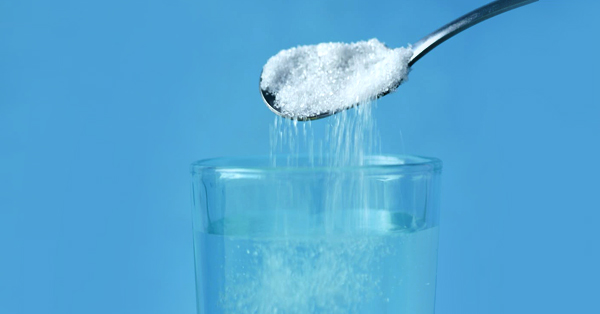
Salt Water Gargle Recipe: Ever woken up with a sore throat or swollen gums and wished for a simple remedy without rushing to the pharmacy? Here’s your go-to solution—a salt water gargle.
This age-old home remedy is more powerful than you might think. It’s natural, affordable, and backed by science.
Whether you’re dealing with a nasty cold, a toothache, or just want to freshen up your mouth, this guide will walk you through exactly how to make and use a salt water gargle properly.
Let’s explore every detail, step by step.
What Is a Salt Water Gargle?
A salt water gargle is exactly what it sounds like: a solution made by dissolving salt in warm water, used for swishing and gargling in the mouth and throat. It’s one of the simplest and most effective DIY remedies you can make at home. Often overlooked, this mixture has been used for centuries to promote oral hygiene, soothe pain, and even support immune responses.
Salt, especially in a saline solution, draws out moisture through osmosis, reducing swelling and flushing out bacteria and viruses. It’s not some magical potion—it’s backed by biology. And the best part? You can make it in under five minutes with stuff you already have in your kitchen.
Why Use Salt Water for Gargling?
You might be wondering—why not use mouthwash or throat spray instead? Sure, they work, but they often contain alcohol, synthetic chemicals, or artificial flavoring. Salt water is a natural alternative. It’s free of harsh additives, budget-friendly, and just as effective for many everyday oral and throat problems.
Salt helps to:
- Pull water from tissues to reduce swelling
- Create an environment that makes it hard for bacteria to survive
- Loosen up mucus and irritants in the throat
- Speed up wound healing
Basically, it’s a powerhouse in your pantry.
Benefits of Salt Water Gargle
Relieves Sore Throat
When your throat feels like sandpaper, a warm salt water gargle can ease the irritation. It soothes the mucous membranes and reduces inflammation, making it easier to swallow and speak.
Reduces Inflammation
Salt water reduces swelling by drawing fluids away from inflamed areas in the mouth and throat. This makes it helpful for conditions like tonsillitis, gingivitis, or post-dental procedures.
Kills Harmful Bacteria
Salt water isn’t a disinfectant, but it does create a hypertonic environment. This pulls fluids from bacteria and weakens them, helping reduce infections and bad breath.
Improves Oral Health
Salt water can flush away food particles and reduce bacterial buildup along your gums and teeth, preventing plaque and gum disease.
Soothes Mouth Ulcers
Got a canker sore? Salt water speeds up healing and reduces pain by cleaning the sore and keeping bacteria away.
When Should You Use a Salt Water Gargle?
Here’s when gargling with salt water can come in handy:
- After brushing your teeth, for added oral hygiene
- When you have a sore throat or cough
- After dental procedures
- To relieve canker sores or gum pain
- If you feel a cold coming on
- After exposure to allergens or pollutants
Use it morning, night, or whenever you feel throat irritation creeping in.
List of Ingredients You’ll Need
You really don’t need much. Here’s your simple ingredient list:
- 1 cup (240 ml) of warm water
- ½ teaspoon of salt (non-iodized is preferred)
- Optional: ¼ teaspoon baking soda (for extra cleansing power)
That’s it. No fancy ingredients, no trip to the store. And trust us, once you try it, you’ll keep coming back to this basic blend.
How Much Salt Should You Use?
Too little won’t be effective, too much will burn. The golden ratio is ½ teaspoon of salt per 1 cup (240 ml) of warm water. This creates an isotonic solution, similar in concentration to your body’s fluids, making it gentle yet effective.
Want it stronger? You can bump it up to ¾ teaspoon, but don’t overdo it—your throat will thank you.
What Type of Salt Is Best?
While any salt will technically work, some are better than others. Here’s a breakdown:
| Type of Salt | Works Well? | Why? |
|---|---|---|
| Table Salt | ✅ | Common and easy to dissolve |
| Sea Salt | ✅ | More natural, fewer additives |
| Himalayan Salt | ✅ | Mineral-rich, gentle flavor |
| Iodized Salt | ⚠️ | Can be used, but may taste metallic or harsh |
Non-iodized salts are generally recommended because they’re purer and don’t contain anti-caking agents.
Can You Add Other Ingredients?
Yes! For extra benefits, you can upgrade your salt water solution. Here’s how:
Baking Soda
Add ¼ teaspoon for an antibacterial boost. It helps neutralize acids and further soothes the throat.
Honey
Stir in a teaspoon after gargling to coat the throat and ease irritation. Don’t mix it into the hot water—it loses its healing properties.
Turmeric
Add a pinch to reduce inflammation. Turmeric is a natural antiseptic and antioxidant.
Step-by-Step Guide to Making Salt Water Gargle
Let’s walk through the process from start to finish:
Step 1: Gather Your Ingredients
Grab a clean glass, measuring spoon, salt, and some warm (not hot) water. You’ll need:
- 1 cup warm water
- ½ teaspoon of salt
Optional:
- ¼ teaspoon baking soda
- A pinch of turmeric
Step 2: Boil the Water (Optional but Recommended)
Boiling your water kills any impurities or bacteria. If you’re using tap water, bring it to a boil first and then let it cool until it’s warm—comfortable enough to swish, not scald.
Step 3: Mix the Salt and Water
Pour the salt into the warm water and stir until it’s fully dissolved. If you’re adding baking soda or turmeric, mix them in now.
Step 4: Let the Water Cool
If you boiled the water, give it a minute or two to cool slightly. You want it warm, not hot. Test it with your finger to be sure.
Step 5: Gargle Properly
Take a sip, tilt your head back, and gargle for 15–30 seconds. Let the water reach the back of your throat without swallowing. Make a “gurgling” sound by breathing out slowly through your throat.
Repeat until you finish the cup.
Step 6: Spit and Rinse
Spit the solution into the sink. Don’t swallow—it’s full of germs and salt. Rinse your mouth with plain water afterward if the salty taste lingers.
How Often Should You Gargle with Salt Water?
Knowing how often to use a salt water gargle is just as important as knowing how to make it. Overusing it can dry out your mouth or irritate your tissues, but underusing it might not give you the results you’re hoping for. So, how often is just right?
For general oral hygiene or mild throat irritation, gargling once or twice a day is usually enough. If you’re battling a sore throat, cold, or oral infection, you can bump it up to three to four times daily. However, you should always space out your gargles. Try doing it after meals and before bed for best results.
Avoid gargling right after brushing your teeth, especially if your toothpaste contains fluoride. Salt water may wash away the fluoride’s protective layer. Give it about 30 minutes between brushing and gargling.
Consistency is key. A single salt water gargle might provide temporary relief, but doing it regularly helps maintain oral health and speeds up healing.
Salt Water Gargle for Kids – Safe or Not?
Is this remedy safe for little ones? Generally, yes—but only if they’re old enough to understand how to gargle without swallowing. That usually means kids over the age of 6.
Here are a few tips to keep it safe:
- Supervise your child during the gargle
- Use less salt if they’re sensitive to taste—start with ¼ teaspoon per cup
- Make it fun by letting them “roar like a lion” while gargling
- Don’t force it if they’re uncomfortable or resistant
For younger children or toddlers, salt water rinsing isn’t recommended. Instead, offer warm fluids like broth or herbal tea to soothe sore throats.
Always talk to a pediatrician if you’re unsure whether it’s appropriate for your child.
Precautions to Take
Even though a salt water gargle is safe and natural, a few precautions will help you avoid unwanted side effects:
- Don’t use too much salt. It can dry out your mouth and irritate tissues.
- Avoid swallowing the solution. It may cause dehydration or an upset stomach.
- Don’t over-gargle. Stick to the recommended 2–4 times daily.
- Use clean water. Always boil or use filtered water to ensure safety.
- Check for allergies. Rare, but if you’re adding extras like turmeric or baking soda, test for any reactions.
Also, remember: this is a remedy, not a cure. If your symptoms persist or worsen, especially if you have a fever or severe pain, see a doctor. Don’t rely solely on salt water to treat bacterial infections like strep throat or serious gum disease.
Common Mistakes to Avoid
You’d be surprised how many people don’t gargle correctly. Here’s what to watch out for:
- Using cold water – Cold water doesn’t dissolve salt as well and can actually make a sore throat feel worse.
- Adding too much salt – Stronger isn’t always better. Too much salt can irritate your throat.
- Swallowing the solution – This is a no-no. Swallowing can cause stomach upset or increase sodium intake.
- Gargling too fast – Take your time. Let the solution reach deep into the throat.
- Skipping consistency – One-time gargling won’t do much. Make it a habit for real benefits.
Avoiding these common errors can turn your basic salt water gargle into a highly effective healing ritual.
FAQs about Salt Water Gargle Recipe
1. Can I swallow salt water?
No, it’s not safe to swallow salt water used for gargling. It can irritate your stomach, cause dehydration, or increase your sodium levels unnecessarily. Always spit it out after gargling.
2. How long should I gargle for?
Aim for 15 to 30 seconds per mouthful, and continue until you’ve used the full cup of solution. This allows the salt water to reach the back of your throat and work its magic.
3. Can I use sea salt or Himalayan salt instead of table salt?
Yes, and they’re often preferred. Sea salt and Himalayan salt are less processed and contain natural minerals. Just make sure they dissolve well in warm water.
4. Is it okay to gargle every day?
Absolutely! For general oral health, gargling once daily is safe and effective. If you’re treating an issue like a sore throat, increase to 2–4 times a day, but don’t overdo it.
5. Can a salt water gargle cure infections?
Salt water can help reduce symptoms and support healing, but it’s not a cure for serious infections. If your symptoms persist or worsen, consult a healthcare provider.
Conclusion
By following the step-by-step guide we’ve laid out—using the right type of salt, the correct ratio, and the best gargling techniques—you’ll turn this old-school remedy into a modern wellness habit. Just remember: it’s a supportive tool, not a replacement for medical advice or treatment.
Next time your throat starts to feel scratchy or your gums feel tender, skip the trip to the store. Head to your kitchen, mix up a salt water gargle, and feel the soothing effects for yourself.