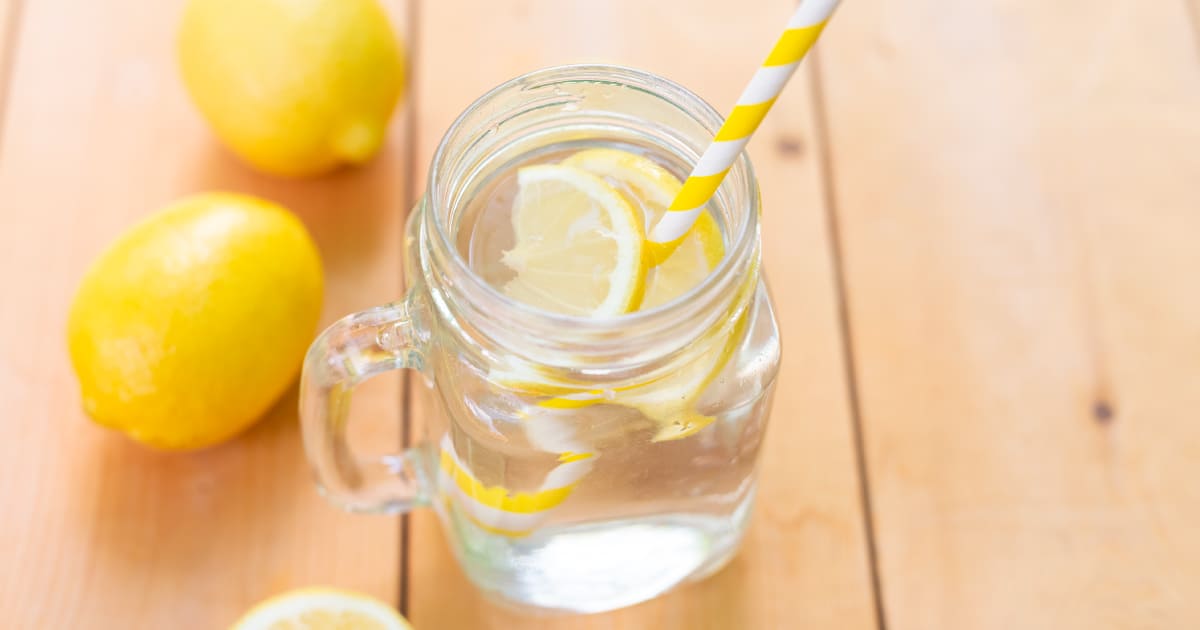
Salt Water Flush Recipe: A salt water flush is a simple, natural method used to cleanse your digestive system by flushing out toxins, waste, and built-up debris from your colon. It’s an internal bath for your gut! The idea behind it is quite straightforward: by drinking a mix of warm water and natural sea salt on an empty stomach, you stimulate a rapid bowel movement. Sounds wild, right? But it’s surprisingly effective.
Unlike chemical laxatives, a salt water flush is more gentle and entirely natural. It’s often used by people who follow a detox diet, start a fasting period, or simply want to feel lighter and more energetic. Think of it as hitting the reset button on your digestive system. And while it’s not something you should do every day, when used correctly, it can be a powerful tool to support your health.
How Does a Salt Water Flush Work?
Here’s the science behind the magic: when you mix warm water with unrefined sea salt in the right ratio, it creates a solution that’s close to your body’s natural salinity. This makes it easy for your body to recognize and process the solution—but it also can’t absorb it quickly. Instead, the salt water travels through your digestive system, pushing waste out as it goes.
It acts like a gentle tidal wave, sweeping through your intestines, clearing out toxins, excess waste, and undigested food particles. Most people report having several bowel movements within 30 minutes to 1 hour after drinking the solution. It’s not the most glamorous process, but it’s super effective.
So if you’ve been feeling bloated, sluggish, or backed up, this flush could be exactly what your body needs. Just make sure you do it properly—and at the right time (we’ll get to that!).
Benefits of a Salt Water Flush
Improves Digestion: A clean digestive tract absorbs nutrients better. By removing built-up waste, your body can process food more efficiently.
Promotes Regular Bowel Movements: Struggling with constipation? The flush can jumpstart things, often providing relief within an hour.
Detoxification: Over time, our bodies can accumulate toxins from processed food, stress, and environmental exposure. A salt water flush can help eliminate those toxins naturally.
Jumpstarts Weight Loss: While it’s not a long-term weight-loss method, many people experience an immediate drop in water weight and bloating after a flush. This makes it a great kickstart to a healthier routine.
Who Should Use a Salt Water Flush?
If you’re someone who experiences occasional constipation, bloating, or sluggish digestion, a salt water flush might be just what you need. It’s also popular among those starting a cleanse, detox, or intermittent fasting plan.
People who follow a high-protein or low-fiber diet may also find it helpful, as those diets can sometimes slow digestion. However, this flush isn’t for everyone, and certain people should avoid it altogether (we’ll cover that later).
Is It Safe to Do a Salt Water Flush?
Generally speaking, yes—for healthy individuals, it’s safe if done occasionally and properly. But moderation is key. Doing it too often can lead to dehydration or electrolyte imbalance.
It’s important to use natural, non-iodized sea salt (not table salt), follow the exact ratio, and ensure you’re well-hydrated before and after. If you feel dizzy, nauseous, or unwell after the flush, stop and consult a healthcare provider.
Remember: this isn’t a daily habit or quick fix for poor diet—it’s a once-in-a-while tool to support your body’s natural functions.
When Is the Best Time to Do a Salt Water Flush?
Timing is crucial. The best time is first thing in the morning on an empty stomach—before you eat or drink anything. That way, there’s nothing in your digestive system to slow down or block the flush.
Most people prefer to do it on a day when they’re at home or not busy, as you’ll want to stay near a bathroom for the next 1–2 hours. Don’t schedule a salt water flush before school, work, or travel—it’s not that kind of party.
Also, avoid eating for at least 30 minutes after the flush to give your body time to fully cleanse and rest.
List of Ingredients You’ll Need
Here’s what you’ll need to make the perfect salt water flush:
1. Unrefined Sea Salt (NOT Table Salt)
- Amount: 2 teaspoons
- Use only pink Himalayan salt or pure sea salt.
- Avoid iodized salt—it’s not the same and may cause nausea.
2. Warm Purified Water
- Amount: 1 liter (about 4 cups)
- Not too hot, not cold. Think “tea temperature”—warm enough to drink comfortably.
3. Optional Additions (for Taste)
- Lemon juice (fresh-squeezed) – 1 tablespoon
- Apple cider vinegar – 1 teaspoon
- These can help mask the salty flavor and aid in digestion.
Step-by-Step Guide to a Successful Salt Water Flush
Step 1: Choose the Right Time
Pick a morning when you’re free for at least 2 hours. You’ll need privacy and access to a bathroom. Don’t eat beforehand. Your stomach should be empty.
Step 2: Mix the Solution
In a large glass or mason jar, mix:
- 2 teaspoons of sea salt
- 1 liter (4 cups) of warm water
- Optional: lemon juice or ACV
Stir well until the salt completely dissolves. If it’s gritty, keep stirring or warm it up slightly to help it mix better.
Step 3: Drink It Quickly
This part’s tough, but you gotta do it. Chug the full liter of salt water as quickly as possible. Don’t sip—it makes it harder. You want the solution to hit your system all at once for maximum effect.
You can drink it through a straw or pinch your nose to reduce the salty taste. Just power through—it’ll be over soon.
Step 4: Wait for It to Work
Within 15 to 30 minutes, you’ll feel the urge to go. Multiple trips to the bathroom are normal. Some people may feel slight cramps or stomach gurgling—totally normal.
Stay hydrated. Keep water nearby, and don’t plan anything that requires leaving the house.
Step 5: Stay Near a Bathroom
Seriously—do not leave your home. Once the flush starts, you’ll need quick bathroom access. This process may take 1–2 hours to fully run its course.
After everything passes, you’ll feel lighter and cleaner. Many people say it gives them a fresh start for the day.
Tips for First-Timers
If you’re new to salt water flushing, it can feel a bit intimidating. But don’t worry—it’s not as intense as it sounds. Here are some handy tips to make your first experience smooth and effective:
- Set Aside Quiet Time: Make sure you’re not rushing. You’ll need at least 2–3 hours of downtime for the flush to fully work. It’s not something to try on a busy day!
- Stay Hydrated Before and After: Drink water the night before and after the flush to avoid dehydration. The salt flush pulls water into the digestive tract, so replacing lost fluids is important.
- Use a Straw: Drinking the salty water can be unpleasant for some people. A straw can help you avoid the full blast of the taste, especially if you place it toward the back of your throat.
- Lemon Helps a Lot: Adding lemon juice improves the flavor and gives you a vitamin C boost. It also helps stimulate digestion.
- Don’t Panic: It’s totally normal to feel your stomach rumbling or to run to the bathroom more than once. That’s a sign it’s working.
Remember, the more relaxed you are, the better your body will respond. Think of this as a natural reset, not a punishment.
Mistakes to Avoid During a Salt Water Flush
Just like any health remedy, the salt water flush can go wrong if you don’t follow it properly. Here are the most common mistakes people make—and how to avoid them:
- Using Iodized Table Salt: This is the number one mistake. Iodized salt is not the same as sea salt. It can make you feel sick and doesn’t have the same cleansing effect.
- Not Drinking It Fast Enough: Sipping the solution slowly won’t trigger the flush. It needs to hit your system all at once, so chug it down quickly.
- Eating Before the Flush: Your stomach needs to be empty for the solution to work correctly. If you eat beforehand, the flush could be delayed or not work at all.
- Not Staying Near a Bathroom: Seriously, once this kicks in, there’s no waiting. Stay close to a bathroom for at least 1–2 hours.
- Doing It Too Often: This is a detox tool, not a daily habit. Overdoing salt water flushes can lead to dehydration or electrolyte imbalance.
Stick to the right ingredients, timing, and frequency—and you’ll be fine!
What to Expect After the Flush
So, you did it. You drank the salty water, waited, and now you’re wondering—what happens next?
Immediate Reactions:
- Multiple Bowel Movements: You’ll likely have several trips to the bathroom within an hour. It won’t be solid waste—it’s more like a watery release of everything your body didn’t need.
- Gurgling or Mild Cramping: This is just your body reacting to the salt solution. It’s normal, and it passes quickly.
- Feeling of Relief or Lightness: Once the process is done, most people report feeling “emptied out,” refreshed, and even lighter physically.
How You’ll Feel Later:
You might feel a little tired afterward—that’s normal too. Rest and stay hydrated. Drinking coconut water or herbal tea can help replenish lost electrolytes.
Many people notice improved digestion and energy the next day. Just don’t follow the flush with junk food—it defeats the purpose.
How Often Can You Do a Salt Water Flush?
A salt water flush isn’t meant for daily use. In fact, doing it too often can be harmful. Here’s what most experts recommend:
- Occasional Use Only: Once every few weeks or at the start of a cleanse is enough.
- Monthly Reset: Some people do a flush once a month to stay regular.
- During a Detox Program: If you’re on a juice cleanse or fasting program, one flush at the beginning is usually recommended.
Too frequent use can lead to:
- Dehydration
- Electrolyte imbalance
- Dependency (your body may stop working on its own)
As always, listen to your body. If you’re unsure, talk to a doctor or nutritionist before making salt water flushes part of your routine.
Who Should Avoid a Salt Water Flush?
Salt water flushes aren’t for everyone. If you have any of the following conditions, it’s best to skip this method or consult a medical professional first:
- High Blood Pressure: Extra salt can raise your blood pressure even more.
- Kidney Issues: Your kidneys may not process excess salt efficiently.
- Heart Conditions: The sudden rush of sodium can strain the heart in some cases.
- Digestive Disorders: If you have ulcers, Crohn’s disease, or IBS, the flush may irritate your system.
- Pregnancy or Breastfeeding: Always check with a doctor before using any detox method.
Also, if you’re under 18, it’s best to avoid salt water flushes without guidance from a health professional.
Potential Side Effects
While most people tolerate the flush well, it’s good to be aware of possible side effects:
- Nausea or Vomiting: This can happen if you drink the water too slowly or use the wrong type of salt.
- Dehydration: If you don’t drink water before and after, your body can lose too much fluid.
- Headaches or Dizziness: This may occur if electrolytes are thrown off balance.
- Stomach Discomfort: Some people feel mild cramps or bloating, especially the first time.
If you experience severe discomfort or symptoms don’t improve within a few hours, stop and seek medical advice.
FAQs about Salt Water Flush Recipe
1. Can I use table salt instead of sea salt?
No. Regular table salt is processed and often contains iodine and anti-caking agents, which can upset your stomach and reduce the effectiveness of the flush. Always use unrefined sea salt or pink Himalayan salt for the best results.
2. Will I lose weight from a salt water flush?
You might lose a few pounds of water weight and waste temporarily, but it’s not a long-term weight loss solution. It’s more of a digestive reset than a fat-loss method. Use it to feel lighter, not as a quick fix for weight loss.
3. How long does a salt water flush take to work?
Most people experience results within 30 minutes to an hour after drinking the salt solution. The full process usually wraps up in 1–2 hours, so always schedule it when you can be near a bathroom and take your time.
4. Can I eat after a salt water flush?
Yes, but it’s best to wait about 30–60 minutes after the flush to let your body settle. When you do eat, start with something light and healthy like a smoothie, fruit, or soup to ease back into digestion.
5. Is a salt water flush safe for teens?
Generally, it’s not recommended for anyone under 18 without medical supervision. Teen bodies are still developing, and using detox methods like this without guidance can lead to dehydration or nutrient imbalances. Always check with a healthcare provider first.
Conclusion
The process may not be glamorous—and sure, the taste isn’t exactly a tropical smoothie—but the benefits can be worth it. From improved digestion and toxin elimination to a potential kickstart to weight loss, this gentle yet effective flush has stood the test of time as a go-to home remedy.
But remember: it’s not a magic bullet or a fix-all. A salt water flush should complement a healthy lifestyle—not replace it. Always listen to your body. If something doesn’t feel right, don’t push it. And as with any health habit, moderation is key.
So, if you’re thinking about giving it a try, go for it! Just follow the steps carefully, stay hydrated, and give yourself the space and time to let your body do its thing. You might be surprised how much lighter and more energized you feel afterward.